

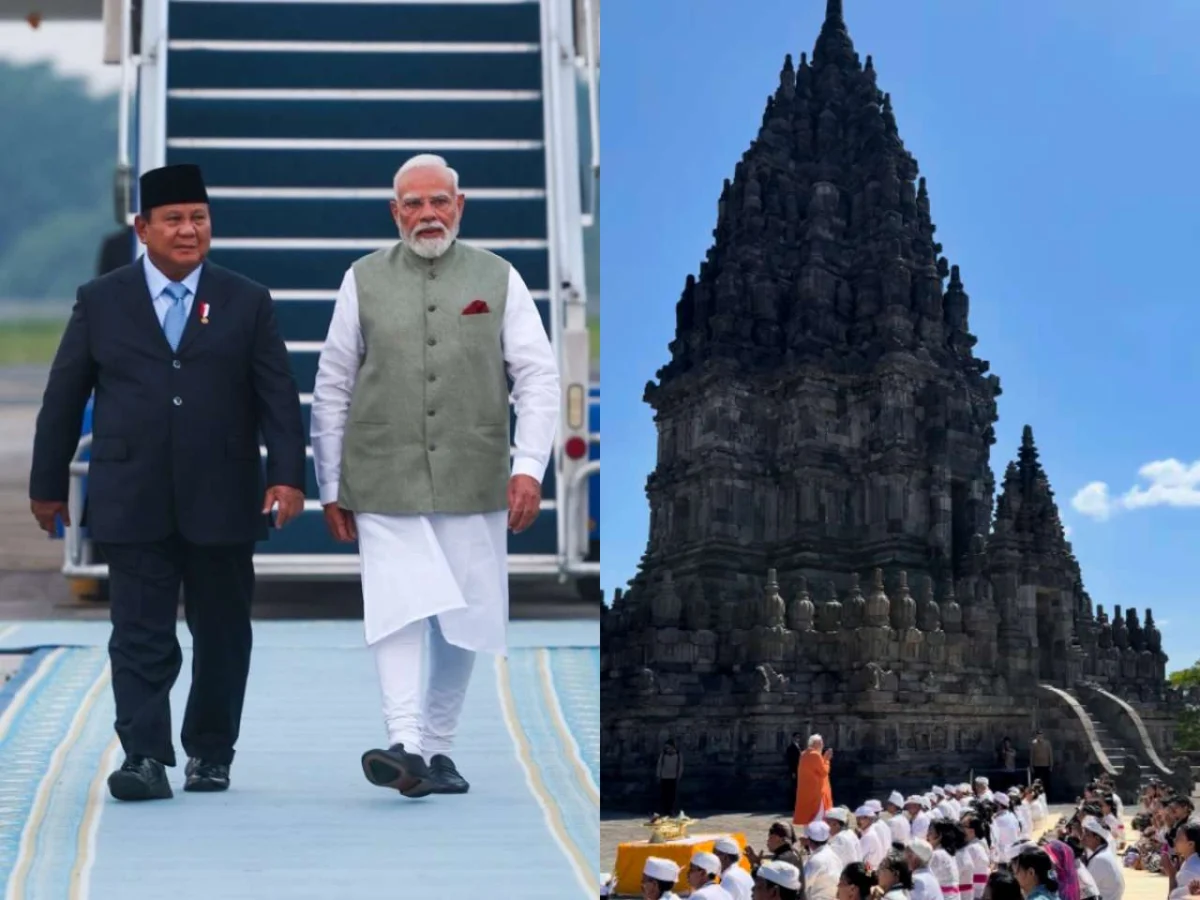
Yogyakarta, Indonesia – July 8, 2026 – Prime Minister Narendra Modi’s recent state visit to Indonesia culminated in a deeply symbolic and culturally resonant stop at the magnificent Prambanan Temple complex near Yogyakarta. This UNESCO World Heritage Site, a testament to centuries of shared history and enduring cultural ties between India and Indonesia, served as a poignant backdrop for discussions aimed at strengthening bilateral relations and fostering collaborative efforts in heritage preservation. The visit underscores the strategic importance Indonesia places on its rich Hindu past, even as it stands as the world’s most populous Muslim-majority nation.
The presence of the Indian Prime Minister at this ancient Hindu sanctuary was more than a mere tourist excursion; it was a powerful statement of shared heritage and a beacon for future cultural exchange. Prambanan, a sprawling architectural marvel, embodies the intricate tapestry of religious and artistic influences that have shaped Southeast Asia. Its towering spires and intricate carvings narrate tales of devotion, mythology, and the enduring legacy of Hinduism in the archipelago.
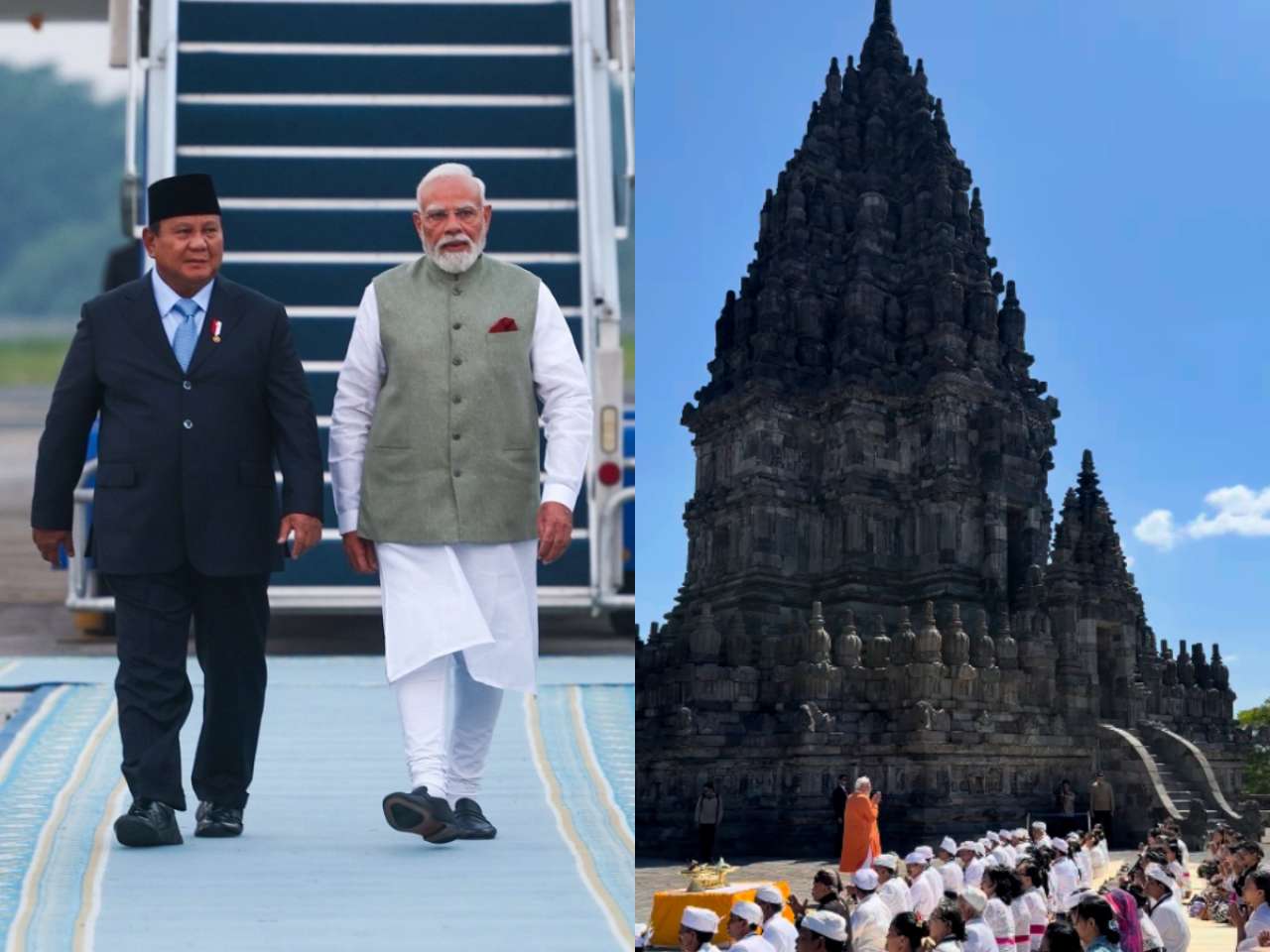
A Sacred Stop: Connecting Through Millennia of History
Prime Minister Modi’s visit to Prambanan Temple was a highlight of his official engagement in Indonesia, underscoring the deep-rooted cultural and historical connections that have long bound India and Indonesia. The visit not only paid homage to a shared spiritual and artistic heritage but also paved the way for potential collaborative ventures in the conservation and restoration of this invaluable UNESCO World Heritage Site.
This iconic temple complex, a towering symbol of Indonesia’s Hindu past, stands proudly in Central Java, a region steeped in ancient history. Its grandeur and architectural brilliance have captivated visitors for centuries, drawing parallels to other significant religious sites across Asia. The visit served as a powerful reminder of the enduring influence of Indian culture and spirituality on the Indonesian archipelago, a testament to the historical trade routes and cultural exchanges that fostered these deep connections.
)
Chronology of a Shared Heritage: From Ancient Kingdoms to Modern Diplomacy
The story of Prambanan is a chronicle of ancient Javanese kingdoms, religious devotion, and architectural ingenuity. Its construction, dating back to the 9th and 10th centuries, was initiated during the reign of the Sanjaya dynasty of the ancient Mataram Kingdom. This period marked a golden age of Hindu influence in Java, with rulers patronizing the arts, sciences, and the construction of magnificent temples dedicated to the Hindu pantheon.
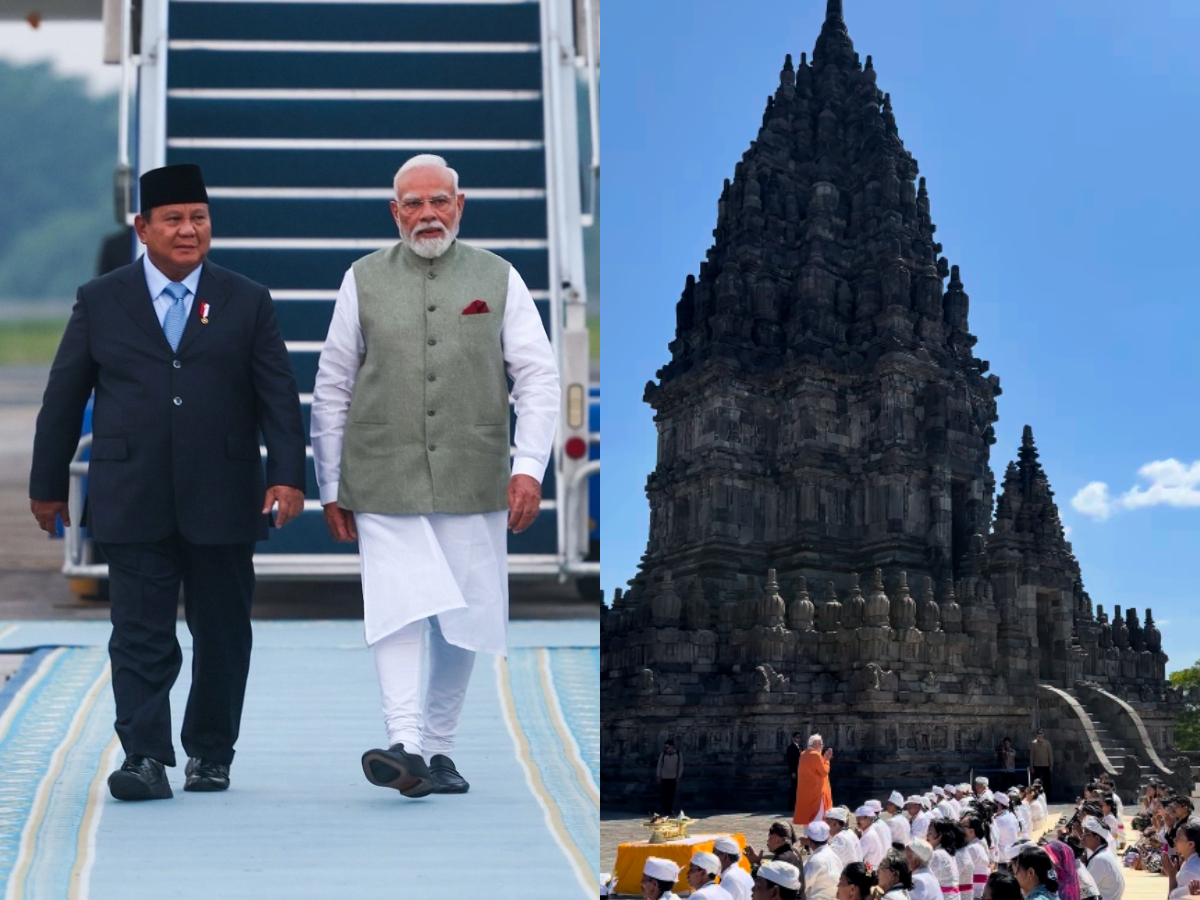
Humble Beginnings and Grand Aspirations (9th-10th Centuries): The Sanjaya dynasty, under the patronage of King Rakai Pikatan and later his son, King Lokapala, embarked on the ambitious project of constructing Prambanan. The complex was conceived as a tribute to the Trimurti – Lord Shiva, Lord Vishnu, and Lord Brahma – the principal deities of Hinduism. The central temple, dedicated to Lord Shiva, stands as the tallest and most imposing structure, symbolizing the paramount importance of the destroyer and transformer in the Hindu cosmology.
)
A Flourishing Hub of Spirituality and Art: For centuries, Prambanan served as a vital center of Hindu religious practice and cultural expression. Its intricately carved reliefs depicting scenes from the Ramayana epic not only served as visual narratives for devotees but also showcased the sophisticated artistic sensibilities of the Javanese artisans of the era. These carvings, a blend of Indian iconography and local artistic flair, provide invaluable insights into the cultural synthesis that characterized ancient Java.
Decline and Rediscovery (10th-19th Centuries): Following a shift in political power and a gradual decline in Hindu influence in Central Java, Prambanan, like many other ancient monuments, began to fall into disrepair. Natural calamities such as volcanic eruptions and earthquakes, coupled with the relentless passage of time, contributed to the decay of many of its structures. The once-resplendent complex slowly succumbed to the embrace of nature, with many of its smaller temples reduced to ruins and buried under ash and vegetation.

The Dawn of Preservation (19th Century Onwards): The 19th century marked a turning point for Prambanan with its rediscovery by Dutch colonial explorers. Recognizing its historical and architectural significance, efforts towards its excavation and restoration began. This process, however, was arduous and protracted, involving the painstaking reassembly of fallen stones and the reconstruction of damaged sections.
Enduring Challenges and Renewed Hope (21st Century): Despite significant restoration efforts, Prambanan continued to face challenges. The devastating Yogyakarta earthquake of 2006 inflicted further damage on the complex, necessitating renewed conservation initiatives. However, these setbacks have also galvanized international cooperation and a renewed commitment to preserving this invaluable heritage site.
)
A Symbol of Enduring Ties (Present Day): Prime Minister Modi’s visit in 2026 serves as a powerful contemporary chapter in this long historical narrative. It signifies a renewed focus on the cultural bridge between India and Indonesia, highlighting the shared roots that transcend geographical boundaries and modern political landscapes. The commitment to potential collaboration in heritage conservation underscores a mutual recognition of the importance of safeguarding these ancient monuments for future generations.
Supporting Data: The Architectural Grandeur and Cultural Significance of Prambanan
Prambanan is not merely a collection of ancient stones; it is a testament to human ingenuity, spiritual devotion, and a profound understanding of cosmology. Its architectural prowess and the intricate narratives etched into its walls offer a rich tapestry of information for historians, archaeologists, and cultural enthusiasts alike.
)
Architectural Marvels:
- Scale and Scope: The Prambanan Temple Compound, covering an area of approximately 40 hectares, originally comprised around 240 temples. While many of the smaller shrines have been reduced to rubble, the main temples stand as imposing testaments to the architectural vision of their creators.
- Towering Spires: The most striking feature of Prambanan is its collection of tall, slender towers, which rise majestically into the sky. These spires are intricately decorated and symbolize the spiritual ascent of humanity towards the divine.
- The Trimurti Temples: The heart of the complex consists of three large temples dedicated to the Hindu Trimurti:
- Shiva Temple: The tallest of the three, standing at approximately 47 meters, this temple houses statues of Lord Shiva, Goddess Durga (believed by some to represent Princess Roro Jonggrang), Lord Ganesha, and the sage Agastya.
- Vishnu Temple: Dedicated to Lord Vishnu, the preserver of the universe.
- Brahma Temple: Dedicated to Lord Brahma, the creator of the universe.
- Layout and Symbolism: The temples are arranged in a square pattern, reflecting the Hindu cosmological concept of the universe. The central axis is dominated by the Trimurti temples, surrounded by smaller shrines and ancillary structures.
- Materials and Construction: The temples are constructed from andesite stone, a volcanic rock, which allowed for the intricate carving of reliefs and sculptures. The construction techniques employed were sophisticated for their time, demonstrating a mastery of engineering and craftsmanship.
The Epic Narratives Carved in Stone:
)
- The Ramayana Reliefs: The outer walls of the Shiva temple are adorned with exquisite bas-reliefs that meticulously narrate the epic tale of the Ramayana. These carvings depict key episodes from the life of Lord Rama, his exile, his battle with the demon king Ravana, and his eventual return to Ayodhya.
- Artistic Synthesis: The Ramayana reliefs at Prambanan are particularly noteworthy for their unique blend of Indian narrative traditions and Javanese artistic conventions. While the iconography and themes are derived from Indian sources, the style of depiction, the facial features, and the attire of the figures exhibit distinct local characteristics, showcasing a remarkable cultural fusion.
- A Journey Through the Epic: Visitors traditionally traverse the temple enclosure in a clockwise direction, following the sequential unfolding of the Ramayana story as depicted on the walls. This immersive experience allows for a deeper understanding of the epic and its moral and spiritual teachings.
The Legend of Roro Jonggrang:
- Folklore and Symbolism: Prambanan is inextricably linked to the Javanese legend of Princess Roro Jonggrang. According to the folklore, the prince Bandung Bondowoso, smitten by the princess’s beauty, was tasked with building 1,000 temples in a single night to win her hand. He was aided by supernatural beings, but the princess, fearing the union, tricked him by feigning the dawn. Enraged by her deception, Bandung Bondowoso cursed Roro Jonggrang, transforming her into stone.
- The Durga Idol: The statue of Goddess Durga within the Shiva temple is often identified with Princess Roro Jonggrang, adding a layer of local mystique and historical conjecture to the site. While historians consider the legend to be folklore, it remains a vital part of Prambanan’s cultural identity and a popular narrative associated with the temple.
UNESCO Recognition:
)
- World Heritage Status: In recognition of its outstanding universal value, the Prambanan Temple Compound was inscribed as a UNESCO World Heritage Site in 1991. This designation acknowledges its profound historical, artistic, and architectural significance, as well as its role in showcasing the rich religious and cultural heritage of Indonesia.
Official Responses and Diplomatic Undertakings
Prime Minister Modi’s visit to Prambanan was met with enthusiastic reception from Indonesian officials and cultural stakeholders. The shared reverence for the temple complex served as a powerful catalyst for discussions on bilateral cooperation.
Strengthening Cultural Bridges: During his visit, Prime Minister Modi emphasized the enduring "civilizational connect" between India and Indonesia, highlighting how sites like Prambanan serve as tangible proof of this deep historical relationship. He expressed India’s keen interest in collaborating with Indonesia on the preservation and restoration of such invaluable heritage sites. This sentiment was echoed by Indonesian dignitaries, who underscored the importance of joint efforts in safeguarding their shared cultural legacy.
)
Focus on Heritage Conservation: The discussions between Prime Minister Modi and his Indonesian counterparts reportedly touched upon specific areas of cooperation in heritage conservation. This could include the exchange of expertise, training of local artisans in traditional restoration techniques, and the sharing of best practices in managing and presenting heritage sites to a global audience. The potential involvement of Indian heritage organizations and archaeological experts in ongoing and future conservation projects at Prambanan was a significant point of discussion.
Cultural Diplomacy in Action: The visit was a masterclass in cultural diplomacy, demonstrating how shared heritage can be leveraged to foster goodwill and strengthen diplomatic ties. By choosing to visit Prambanan, Prime Minister Modi not only acknowledged Indonesia’s rich Hindu past but also signaled India’s commitment to supporting the preservation of this important cultural landmark. This act resonated deeply with the Indonesian populace and further solidified the bond between the two nations.
)
Economic and Tourism Implications: Beyond the cultural and diplomatic spheres, the renewed focus on Prambanan also holds significant economic and tourism potential. Enhanced collaboration in heritage conservation and promotion could lead to increased tourist footfall, benefiting local economies and creating employment opportunities. A well-preserved and accessible Prambanan can become an even more compelling destination for international travelers interested in history, culture, and spirituality.
Implications for India-Indonesia Relations and Regional Cultural Heritage
Prime Minister Narendra Modi’s visit to the Prambanan Temple complex transcends a simple diplomatic gesture; it carries profound implications for the future of India-Indonesia relations and the broader landscape of cultural heritage preservation in Southeast Asia.
)
Reaffirmation of Shared Civilizational Roots: The visit served as a powerful reaffirmation of the deep-seated civilizational ties that have historically connected India and Indonesia. For centuries, trade, migration, and cultural exchange facilitated the flow of ideas, religions, and artistic traditions, shaping the unique cultural mosaic of the Indonesian archipelago. Prambanan stands as a monumental testament to this enduring legacy, and Prime Minister Modi’s engagement at the site underscored India’s recognition and appreciation of this shared heritage. This can foster a stronger sense of mutual understanding and respect between the two nations.
A Model for Cultural Diplomacy: The visit offers a compelling model for how cultural diplomacy can be effectively employed to strengthen bilateral relationships. By focusing on shared heritage, India and Indonesia can build bridges that extend beyond political and economic considerations, fostering a deeper and more enduring partnership. This approach can be emulated by other nations seeking to leverage their historical connections for mutual benefit and regional stability.
)
Elevating the Importance of Heritage Conservation: The commitment to potential collaboration in heritage conservation at Prambanan has significant implications for the broader region. It highlights the critical importance of preserving ancient monuments, not just for their historical and artistic value, but also for their role in fostering cultural identity and promoting tourism. India’s willingness to share its expertise in heritage management can empower Indonesia and other Southeast Asian nations to better protect their invaluable cultural assets.
Strengthening Soft Power: For India, the visit to Prambanan significantly bolsters its "soft power" – its ability to influence through attraction and persuasion. By demonstrating a genuine interest in and respect for the cultural heritage of other nations, India can enhance its global standing and forge stronger alliances. This visit positions India as a responsible global citizen, committed to the preservation of shared human heritage.
)
Economic and Tourism Potential: The heightened focus on Prambanan, amplified by the Prime Minister’s visit, is likely to stimulate increased interest in Indonesia as a tourist destination. Enhanced conservation efforts, coupled with improved infrastructure and promotional activities, can lead to a surge in international visitors eager to experience the historical and spiritual grandeur of the temple complex. This, in turn, can generate significant economic benefits for Indonesia, including job creation and revenue generation.
A Bridge Across Religious Diversity: The fact that this historic Hindu temple complex is located in the world’s largest Muslim-majority country, and that its preservation is a matter of national pride for Indonesia, speaks volumes about the country’s inclusive cultural ethos. Prime Minister Modi’s visit to Prambanan, therefore, also serves as a powerful symbol of interfaith understanding and the harmonious coexistence of diverse religious traditions, a message that resonates globally.
)
In conclusion, Prime Minister Narendra Modi’s visit to the Prambanan Temple was a landmark event, symbolizing the enduring strength of India-Indonesia relations and the shared commitment to preserving the rich tapestry of human history and culture. It serves as a potent reminder that ancient bonds, when nurtured and celebrated, can form the bedrock of robust contemporary partnerships and contribute to a more interconnected and culturally enriched world.
