

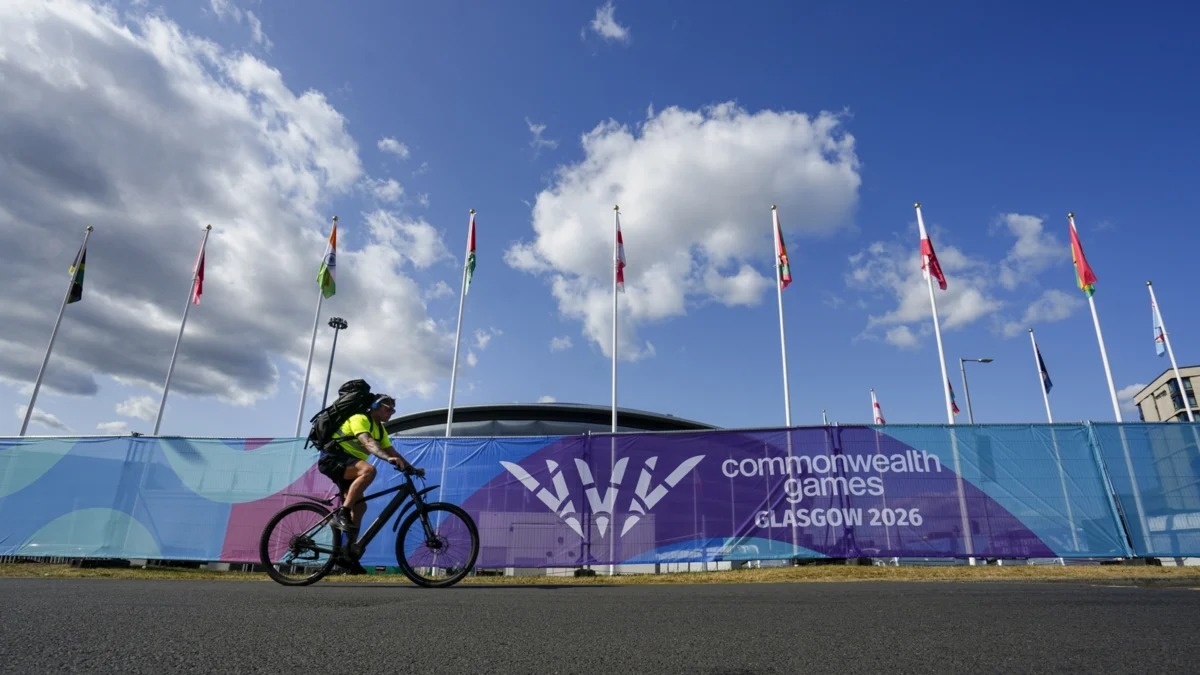
GLASGOW, SCOTLAND – July 23, 2026 – In a spectacle of modern pageantry and athletic anticipation, the 23rd Commonwealth Games officially commenced tonight in Glasgow, Scotland, marking a significant evolution for the quadrennial multi-sport event. King Charles III declared the Games open at the cutting-edge OVO Hydro arena, a momentous occasion that saw Glasgow host the event for the second time in just twelve years, yet under vastly different circumstances. The opening ceremony, a vibrant blend of tradition and innovation, underscored a period of profound adaptation for the "Friendly Games," particularly evident in its scaled-back scope and the absence of several historically medal-rich sports for nations like India.
The grand inauguration, attended by Queen Camilla, British Prime Minister Andy Burnham, and Commonwealth Sport President Donald Rukare, unfolded within the enclosed confines of the OVO Hydro – a historic first for a Commonwealth Games opening ceremony staged entirely indoors. This architectural choice offered a contained, intimate atmosphere for the thousands of spectators and participating delegations, shielding the event from the unpredictable Scottish weather and symbolizing a pragmatic shift in how such large-scale international gatherings are conceived and executed.
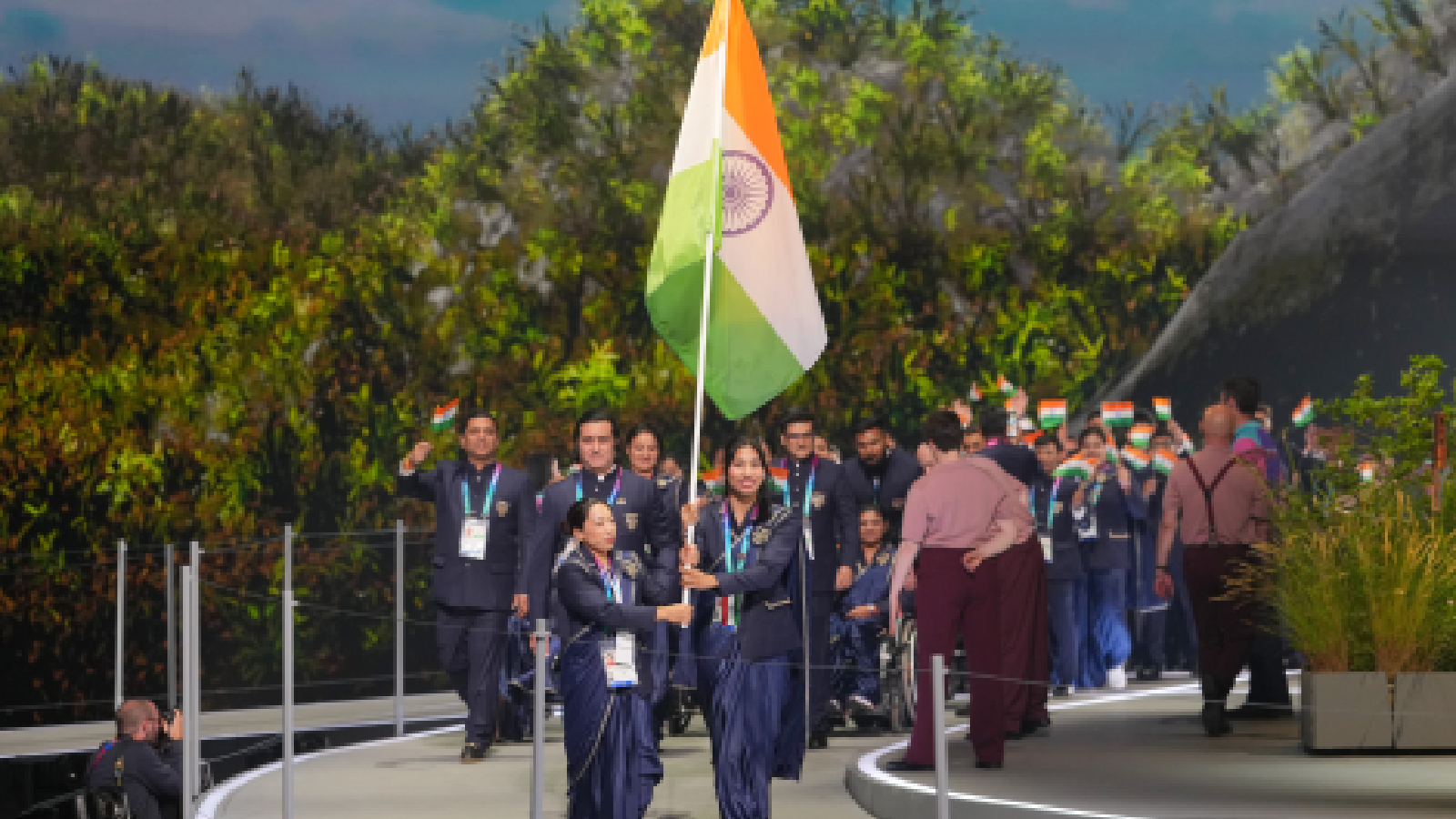
Leading the charge for the Indian contingent, a formidable force of 123 athletes poised to compete across eight able-bodied and five para sports, were Olympic medallists Mirabai Chanu and Lovlina Borgohain. Their dignified presence as flag and baton bearers garnered immense cheers from the crowd, symbolizing India’s enduring sporting prowess and its commitment to the Commonwealth spirit. The male athletes presented a picture of sartorial elegance in formal suits, while their female counterparts showcased a harmonious blend of tradition and professionalism, adorned in exquisite traditional sarees paired with tailored blazers. However, beneath the celebratory veneer, a quiet acknowledgment of the Games’ changing identity, particularly concerning the sporting disciplines on offer, resonated among the participating nations.
Main Facts – Glasgow Lights Up for Commonwealth Games 2026, India’s Presence Felt Amidst Evolving Landscape
The 23rd Commonwealth Games officially opened its doors in Glasgow, Scotland, on Thursday, July 23, 2026, with King Charles III formally inaugurating the event. This marks a notable return for Glasgow, which last hosted the Games just 12 years prior in 2014, making it one of the few cities to welcome the multi-sport spectacle in such a relatively short span. The ceremony, held inside the state-of-the-art OVO Hydro, represented a historic first as the inaugural indoor opening for a Commonwealth Games, a departure from traditional stadium-based events. Dignitaries including Queen Camilla, British Prime Minister Andy Burnham, and Commonwealth Sport President Donald Rukare were present to witness the declaration.
India, a perennial powerhouse at the Commonwealth Games, arrived with a strong contingent of 123 athletes. The delegation, led by celebrated Olympic medallists Mirabai Chanu (weightlifting) and Lovlina Borgohain (boxing), who shared the honour of carrying the national flag and the symbolic King’s Baton, received an enthusiastic welcome. Dressed in a fusion of modern and traditional attire – formal suits for the male athletes and elegant sarees complemented by blazers for the female participants – the Indian team exuded pride and determination. Their participation spans eight able-bodied sports and five para sports, reflecting India’s broad engagement in the Games.
However, the celebratory mood was tinged with an underlying awareness of the significant structural changes impacting the 2026 edition. Notably, several sports that have historically been India’s most prolific medal providers at the Commonwealth Games are absent from the Glasgow program. This strategic streamlining by the Commonwealth Games Federation (CGF) has inevitably reshaped national expectations and highlighted a broader shift in the Games’ operational model, moving towards greater sustainability and flexibility for host cities, albeit at the cost of some traditional disciplines.
Chronology – From Royal Proclamation to Athletic Pageantry
A Royal Decree Amidst Innovation
The journey to the 23rd Commonwealth Games opening ceremony formally began much earlier, on Commonwealth Day, March 10, 2025, when King Charles III placed his personal message into the King’s Baton at Buckingham Palace. This symbolic act initiated the epic relay that traversed the Commonwealth nations, embodying the spirit of unity and shared heritage. On the evening of July 23, 2026, as the Baton completed its journey and arrived at the OVO Hydro in Glasgow, King Charles III personally read out his message, officially declaring the Games open. His address emphasized the power of sport to unite people, inspire excellence, and foster understanding across diverse cultures, setting the tone for the eleven days of competition that will culminate on August 2.
The decision to host the opening ceremony within an indoor arena, the OVO Hydro, marked a pivotal moment in the history of the Commonwealth Games. Unlike the expansive outdoor stadiums that typically stage such events, the OVO Hydro offered a more intimate and technologically advanced setting. This move eliminated the perennial concern of inclement weather, ensuring a seamless production regardless of the elements. The indoor environment also allowed for sophisticated light shows, immersive digital projections, and intricate stage designs that might be challenging to execute in an open-air venue. This innovation reflects a growing trend in major sporting events to leverage existing infrastructure and embrace adaptable formats, contributing to a more sustainable and cost-effective hosting model. The presence of high-profile figures such as Prime Minister Andy Burnham and Commonwealth Sport President Donald Rukare underscored the political and sporting gravitas attached to this evolving iteration of the Games.
India’s Grand Entrance: A Blend of Tradition and Sporting Might
The entrance of the Indian contingent into the OVO Hydro was met with a surge of enthusiastic cheers, a testament to the nation’s significant presence and storied history at the Commonwealth Games. As one of the most populous and athletically ambitious nations in the Commonwealth, India’s participation is always keenly observed. The selection of Olympic medallists Mirabai Chanu, a celebrated weightlifter, and Lovlina Borgohain, an accomplished boxer, as the joint flag and baton bearers, was a powerful statement. Both athletes embody resilience, dedication, and the pinnacle of sporting achievement, serving as inspirational figures for the entire delegation and the nation back home. Their shared honour highlighted the diverse strengths within Indian sports and celebrated individual excellence on a global stage.
The meticulous attention to detail in the contingent’s attire further accentuated their proud representation. The male athletes, dressed in sharp, formal suits, projected a contemporary and professional image, symbolizing India’s modern outlook. Complementing this, the female participants graced the arena in traditional sarees, elegantly draped and paired with tailored blazers, creating a sophisticated fusion of cultural heritage and sporting professionalism. This sartorial choice not only celebrated India’s rich textile traditions but also presented a unified and dignified front, reflecting the nation’s pride and aspiration. With 123 athletes prepared to compete across a wide array of disciplines, from the raw power of weightlifting to the precision of various para-sports, India arrived in Glasgow ready to reaffirm its position as a major contender, despite the programmatic changes that have altered the competitive landscape.
Supporting Data – The Shifting Sands of the Commonwealth Games
Glasgow’s Transformation: A Tale of Two Games (2014 vs. 2026)
The return of the Commonwealth Games to Glasgow after a mere twelve years has inevitably invited comparisons, revealing a stark contrast in atmosphere and ambition. An anonymous Indian team member, who had also experienced the 2014 Games in the Scottish city, offered a poignant observation that encapsulates this shift. "In 2014," he recounted, "the central square was a lively place where everyone congregated, creating a party atmosphere. When I passed it today, all I heard was drilling sounds, the road was dug up, and it was out of bounds." This anecdotal evidence paints a vivid picture of a city undergoing significant infrastructure work, a far cry from the carnival-like environment that defined the previous Games.
The 2014 opening ceremony at Celtic Park was a jubilant affair, famously featuring rock legend Rod Stewart belting out "Can’t Stop Me Now" to a roaring crowd that brought the "proverbial roof off." The city buzzed with palpable excitement, a sense of shared celebration that extended beyond the official venues. Fast forward to 2026, and the dominant sound as the flame arrived in Glasgow for the opening was that of heavy construction machinery. This environmental contrast suggests more than just temporary roadworks; it hints at a deeper transformation in how host cities approach and integrate major sporting events. It could reflect changing economic priorities, a shift towards more targeted infrastructure development, or perhaps a more pragmatic approach to event hosting, focusing on efficiency and existing facilities rather than grand, temporary festive expansions. The subdued urban mood reflects a broader recalibration of expectations, both for the host city and for the Games themselves.
The Sporting Landscape: A Blow to India’s Medal Hopes?
Perhaps the most significant "slim-down" of the 2026 Glasgow Games, with considerable implications for nations like India, is the revised list of core sports. The Commonwealth Games Federation (CGF) has been working to make the Games more flexible and attractive for potential host cities by reducing mandatory sports and allowing greater local choice. While this aims to ensure the long-term viability of the event, it has directly impacted traditional powerhouses.
For India, this decision is particularly salient. Sports such as shooting, wrestling, and potentially archery – disciplines in which India has historically excelled and consistently secured a significant portion of its medal haul – are notably absent from the 2026 program. At the 2022 Commonwealth Games in Birmingham, for instance, shooting and wrestling alone accounted for a substantial percentage of India’s medals. Their exclusion from the Glasgow roster represents a substantial strategic challenge for the Indian contingent. Athletes who have dedicated years to these disciplines now find their premier Commonwealth platform removed, forcing a national re-evaluation of sporting priorities and talent development pathways.
The rationale behind these exclusions often revolves around host city capabilities, cost, and the CGF’s desire to innovate and refresh the Games’ appeal. However, for a nation like India, which views the Commonwealth Games as a crucial stepping stone for its athletes and a benchmark for its sporting development, the absence of these key events necessitates a recalibration of medal targets and a renewed focus on other disciplines. While India fields a strong team in the available sports, the psychological and strategic impact of not competing in historically dominant events is undeniable, forcing a shift in how success at these Games will be measured for the country.
Official Responses – Voices from the Commonwealth Community
Acknowledging the Evolution
While the original article does not provide direct official quotes specifically addressing the "slimmed-down" nature of the 2026 Games or the changed urban mood, the narrative surrounding the Commonwealth Games Federation (CGF) in recent years indicates a clear strategy of adaptation. Commonwealth Sport President Donald Rukare, along with Glasgow city officials, would likely emphasize the themes of sustainability, innovation, and legacy. Their public messaging would undoubtedly focus on the pragmatic necessity of evolving the Games to ensure their long-term viability and relevance in a rapidly changing global sporting landscape.
Officials are expected to highlight Glasgow’s commitment to hosting a high-quality event using existing infrastructure, thereby minimizing environmental impact and financial burden – key considerations for future host cities. The CGF’s narrative would likely frame the revised sports program not as a reduction, but as a dynamic optimization, allowing host cities greater flexibility to showcase sports that resonate with their local culture and facilities. They would also likely underscore the unique experience offered by the indoor opening ceremony, portraying it as a forward-thinking approach to event presentation, ensuring comfort and spectacle regardless of external conditions. The focus would be on celebrating the athletes, the spirit of friendly competition, and the enduring values of the Commonwealth, rather than dwelling on comparisons to past, larger editions.
Indian Olympic Association’s Stance
From an Indian perspective, while the absence of medal-rich sports like shooting and wrestling is a significant concern, the official stance from the Indian Olympic Association (IOA) and the Ministry of Youth Affairs and Sports would invariably be one of unwavering support for the contingent present in Glasgow. Statements from Indian sporting authorities would likely acknowledge the challenges posed by the revised program but would pivot to emphasize the resilience and determination of the 123 athletes representing the nation.
The IOA would stress the importance of the platform the Commonwealth Games still provides for Indian athletes, particularly in disciplines where they are developing or aiming for global recognition. They would highlight the invaluable experience gained by competing on an international stage, fostering camaraderie, and upholding national pride. The focus would be on encouraging the athletes to perform their best in the available sports, adapting to the new competitive environment, and celebrating every success. While internal discussions about future participation and advocacy for the reintroduction of specific sports might occur, the public message would prioritize the current contingent’s spirit, dedication, and the overarching goal of promoting sports development within India. The impressive turnout and the pride exhibited during the opening ceremony, led by Olympic stalwarts, would be showcased as proof of India’s enduring commitment to international sports.
Implications – The Future Trajectory of the Commonwealth Games
Redefining the ‘Friendly Games’
The 2026 Commonwealth Games in Glasgow stand as a pivotal moment in the ongoing redefinition of the "Friendly Games." The observable reduction in scale, the strategic pruning of sports, and the shift towards more sustainable hosting models have profound implications for the event’s future trajectory. This evolution is a direct response to the increasing financial and logistical burdens associated with hosting mega-events, a challenge that has seen several potential host cities withdraw bids in recent years. The CGF’s efforts to streamline the Games, making them more agile and adaptable, are arguably a necessary measure for survival.
However, this adaptation raises fundamental questions about the Games’ identity and global appeal. Is a smaller, more focused event still capable of generating the same level of excitement, media attention, and cultural impact as its predecessors? The concept of "legacy" – often a key justification for hosting – also takes on a new meaning in a slimmed-down format, potentially shifting from grand infrastructure projects to more community-focused, intangible benefits. The Games risk becoming less of a global spectacle and more of a regional multi-sport event, which could impact athlete motivation and broadcaster interest. The challenge for the CGF lies in striking a delicate balance: ensuring financial viability and attractiveness for host cities, while maintaining the competitive integrity, prestige, and unique spirit that has defined the Commonwealth Games for nearly a century. The Glasgow 2026 experience will serve as a critical case study in this ongoing transformation.
India’s Strategic Adjustments and Global Ambitions
For India, the changes witnessed in Glasgow 2026 necessitate a strategic reassessment of its sporting priorities and investments. The absence of consistently medal-contributing sports like shooting and wrestling from the Commonwealth Games program forces India to consider where its primary focus for international multi-sport events should lie. While the Commonwealth Games remain an important platform, particularly for developing talent and gaining international exposure, the emphasis might increasingly shift towards the Olympic Games and Asian Games, where these traditional strongholds are firmly entrenched.
This could lead to a redirection of funding, coaching resources, and athlete development programs towards disciplines that are consistently featured in the more globally recognized events. India’s continued participation in the Commonwealth Games, despite the programmatic changes, signifies a sustained commitment to the Commonwealth community and its values. It also provides an invaluable opportunity for its athletes to compete, learn, and grow, regardless of the specific medal tally. However, it will also likely prompt a more nuanced and pragmatic approach to future Games, with strategic decisions being made based on the sports offered and their alignment with India’s broader global sporting ambitions. The blend of tradition in attire and the presence of celebrated champions, set against the backdrop of a pragmatic, evolving Games, epitomizes India’s approach: rooted in heritage, yet adaptable and forward-looking in its pursuit of sporting excellence on the world stage.
