

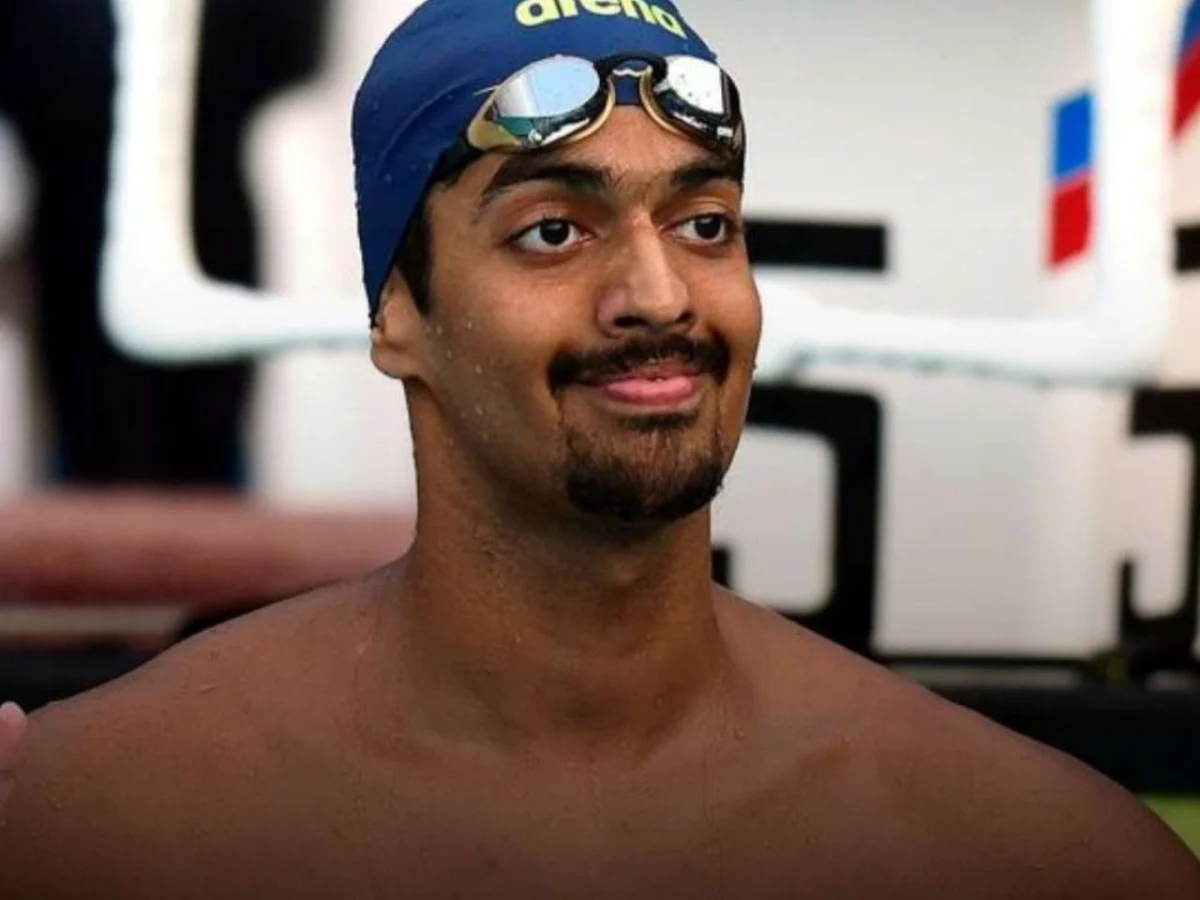
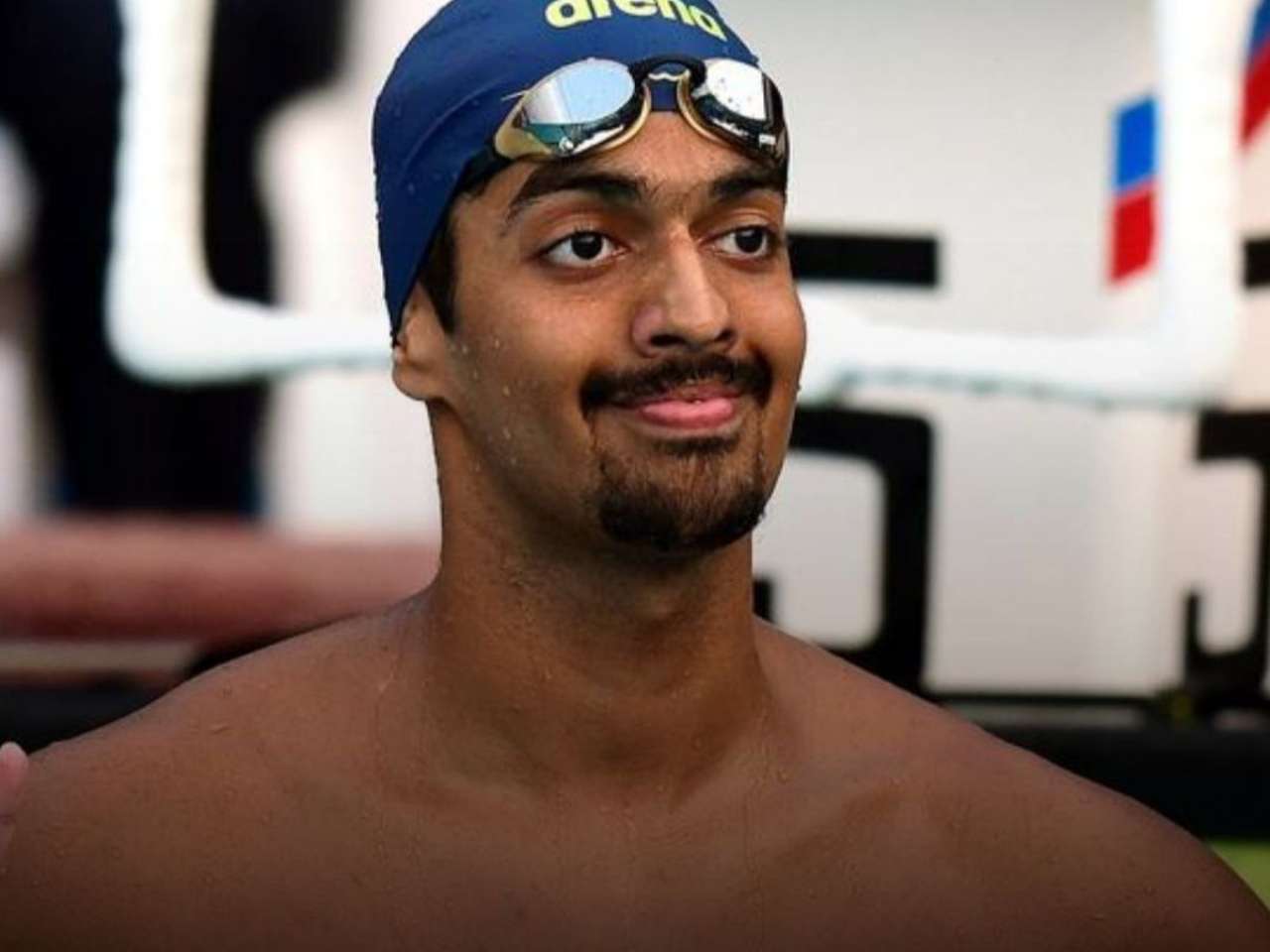
BIRMINGHAM, ENGLAND – July 26, 2026 – India’s swimming contingent has ignited the Commonwealth Games 2026 with a series of commanding performances on the opening day, signaling a burgeoning strength in aquatic sports. Olympian Srihari Nataraj carved out a decisive path to the men’s 50m backstroke semifinals, while para swimmers Budigina and Ali Imam captivated audiences, securing their berths in the men’s 100m freestyle S13 final. These standout displays have not only significantly bolstered India’s medal prospects but have also underscored the nation’s accelerating trajectory in international swimming, promising an exhilarating campaign ahead.
The initial day of competition at the Sandwell Aquatics Centre saw Indian athletes dive into action with a blend of seasoned experience and raw talent, exceeding expectations and setting a vibrant tone for the Games. The collective effort and individual brilliance witnessed across both able-bodied and para categories have injected a palpable sense of optimism into the Indian camp, echoing a broader narrative of growth and ambition within the country’s sporting landscape. As the competition intensifies, all eyes will be on these athletes to convert their preliminary successes into historic medal finishes, further cementing India’s growing reputation on the global swimming stage.
A Chronology of Triumphs: From Heats to Finals
The opening Friday of the Commonwealth Games 2026 was marked by thrilling races and strategic swims, with India’s aquatic stars making their presence felt from the very first splash. The day’s events unfolded with a series of impressive showings, each contributing to a narrative of progress and potential.
Srihari Nataraj: A Masterclass in Backstroke Precision
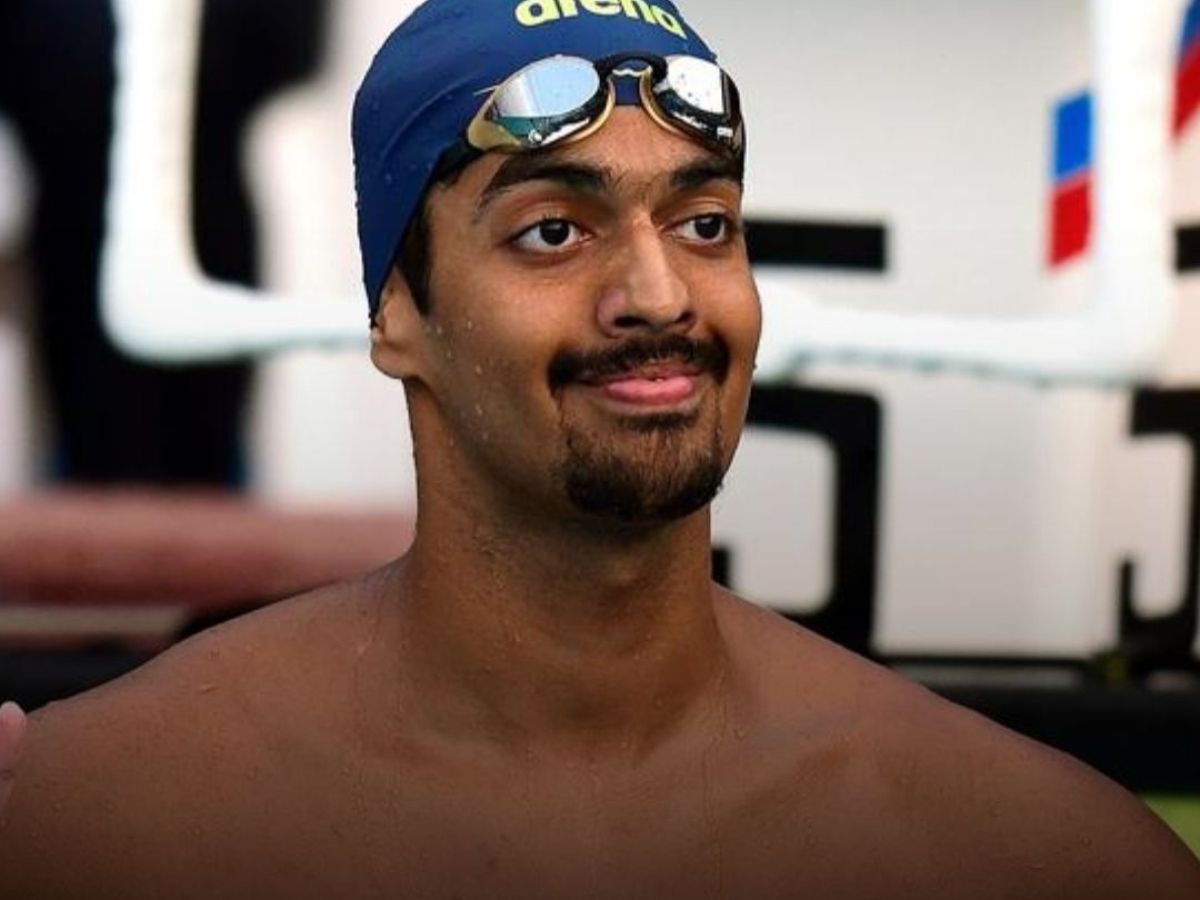
The spotlight first fell on Olympian Srihari Nataraj, a name synonymous with Indian swimming excellence. Competing in Heat 4 of the fiercely contested men’s 50m backstroke, Nataraj demonstrated his class and composure. Clocking a formidable time of 25.52 seconds, he secured the fifth position in his heat, a performance that comfortably placed him among the top 16 fastest swimmers overall. This crucial qualification earned him a coveted spot in the semifinals, scheduled for the early hours of Saturday, 12:30 AM IST.
)
The 50m backstroke is a sprint event, demanding explosive power, immaculate technique, and a seamless start-to-finish execution. Nataraj, known for his powerful starts and efficient stroke, navigated the competitive waters of Heat 4 with characteristic focus. He found himself pitted against some of the Commonwealth’s finest, including England’s Oliver Morgan, who topped the heat with an impressive 24.91 seconds. Morgan’s teammates Jack Skerry (25.08s) and Matthew Ward (25.16s), along with Benjamin Winterborn (25.37s), also advanced, highlighting the high standard of the competition. Out of a field of 40 formidable competitors across all heats, only the fastest 16 were granted passage to the next stage, a testament to Nataraj’s consistent speed and tactical prowess.
Nataraj finished 0.61 seconds adrift of Morgan’s blistering pace. This margin, while seemingly small, represents critical milliseconds in a sprint event. As he prepares for the semifinals, the focus will undoubtedly be on refining his start, tightening his turns, and ensuring every stroke is maximized for efficiency and speed. His Olympic experience, having competed at Tokyo 2020, will be invaluable in managing the pressure and strategizing for a faster swim. The semifinals offer a fresh opportunity to shave off those crucial fractions of a second, potentially propelling him into medal contention and reaffirming his status as a leading figure in Indian swimming. His journey in Birmingham is not just about personal bests, but about paving the way for a new era of Indian swimmers on the global stage.

Para Swimmers Ignite the Pool: Budigina and Ali Imam’s Inspirational Feat
Following Nataraj’s impressive showing, the focus shifted to the para swimming events, where India’s athletes delivered equally inspiring performances. In the men’s 100m freestyle S13 category, for visually impaired swimmers, Budigina and Ali Imam showcased remarkable determination and skill, both earning their places in the highly anticipated final.
Budigina’s Stellar Surge: Budigina, already touted as a rising star in Indian para swimming, lived up to his billing. In his 100m freestyle S13 heat, he touched the wall with an exceptional time of 57.10 seconds. This placed him third in his race, a mere 0.53 seconds behind Britain’s formidable Stephen Clegg, who led the heat. Budigina’s race was a masterclass in strategic pacing and powerful finishing. He commenced the latter half of the race in fourth position, displaying incredible grit and endurance to launch a late surge. In a thrilling final stretch, he overtook James Clegg to clinch a top-three spot, showcasing his mental fortitude and physical prowess. The performance was a clear statement of intent, positioning him as a strong contender for a medal. His ability to accelerate in the crucial moments of the race speaks volumes about his training and competitive spirit.
)
Ali Imam’s Resilient Qualification: Joining Budigina in the S13 final is Ali Imam, whose resilience and unwavering commitment were on full display. Imam secured his spot by finishing his heat in 1:05.32. While his time placed him further back from the heat leader, the significance of his achievement cannot be overstated. Qualifying for a Commonwealth Games final is a monumental accomplishment, reflecting years of dedication and overcoming considerable challenges inherent in para-sport. His presence in the final alongside Budigina doubles India’s chances for a medal in this category and serves as a powerful inspiration for aspiring para-athletes across the nation.
Both Budigina and Imam are now set to compete in the S13 freestyle final on Saturday. The anticipation is palpable, with high hopes that one or both of these remarkable athletes could deliver India’s first swimming medal of the Commonwealth Games 2026. Their journey exemplifies the spirit of perseverance and the pursuit of excellence against all odds, making their performances not just sporting achievements, but powerful narratives of human potential.
)
Supporting Data: Contextualizing India’s Aquatic Ambition
The impressive start by Nataraj, Budigina, and Ali Imam is not an isolated event but rather a reflection of a broader, sustained effort to elevate Indian swimming on the international stage. Understanding this context is crucial to appreciating the full significance of their performances at the Commonwealth Games 2026.
The Historical Tide of Indian Swimming at the Commonwealth Games
Historically, swimming has been a challenging domain for India at the Commonwealth Games. While India has a rich sporting heritage, swimming has traditionally lagged behind disciplines like wrestling, shooting, and badminton in terms of medal hauls at multi-sport events. Previous editions of the Commonwealth Games have seen Indian swimmers make finals and achieve personal bests, but converting these into medals has remained an elusive goal. The last significant swimming medal for India at the Commonwealth Games was a bronze by Sandeep Sejwal in the men’s 50m breaststroke at the 2010 Delhi Games. This history underscores the immense pressure and expectation on the current crop of swimmers. Every final qualification, every personal best, and every step closer to the podium represents a significant stride forward in rewriting this narrative. The current performances are not just about individual glory but about breaking barriers and setting new benchmarks for the sport in India.
)
The Rising Current: Growth and Investment in Indian Swimming
The recent surge in Indian swimming prowess is no accident. It is the culmination of increased investment, strategic planning, and a renewed focus on talent identification and development. Over the past decade, the Swimming Federation of India (SFI) and various state associations, along with private academies, have worked tirelessly to improve infrastructure, bring in international coaching expertise, and provide exposure to young swimmers. High-performance centers equipped with modern training facilities, sports science support, and dedicated physiotherapists are becoming more common. Furthermore, initiatives to identify talent at grassroots levels and nurture them through structured programs are beginning to yield results. The Commonwealth Games, often dubbed the ‘Friendly Games,’ serve as a crucial platform for these athletes to test their mettle against world-class competition, providing invaluable experience that fuels their aspirations for bigger stages like the Asian Games and the Olympic Games.
Athlete Profiles: Journeys of Dedication
Srihari Nataraj: An Olympian at a young age, Nataraj’s journey has been one of relentless pursuit of excellence. Hailing from Bengaluru, he burst onto the scene with a series of national records and has consistently represented India at major international events, including the Olympics, World Championships, and Asian Games. His training regimen is rigorous, often involving multiple daily sessions in the pool, extensive strength and conditioning work, and meticulous video analysis. His experience on the biggest stages has honed his mental toughness, enabling him to perform under pressure. For Nataraj, the Commonwealth Games 2026 is not just another competition; it’s an opportunity to translate his consistent performances into a landmark medal, further cementing his legacy as one of India’s finest swimmers. His aspiration extends beyond individual glory, aiming to inspire a new generation to take up competitive swimming.
)
Budigina: A beacon of hope in para swimming, Budigina embodies the spirit of overcoming adversity. Competing in the S13 category for visually impaired athletes, his achievements are a testament to his extraordinary dedication and the specialized coaching he receives. Para-swimming requires not only physical prowess but also incredible spatial awareness and a heightened sense of timing, especially for those with visual impairments. Budigina’s rapid ascent in the sport, highlighted by his "rising star" moniker, speaks volumes about his natural talent and unwavering commitment. His training focuses on maximizing his remaining vision, developing an acute sense of the pool environment, and perfecting his stroke mechanics to compensate for visual challenges. His presence in the final is a powerful message of inclusion and capability within Indian sports.
Ali Imam: Ali Imam’s story is one of perseverance and determination. While perhaps not as widely known as Nataraj or Budigina, his qualification for the S13 final is a monumental personal achievement. Every stroke in the pool represents countless hours of training, sacrifice, and an unyielding belief in his own potential. For para-athletes like Imam, simply competing at this level is a victory, but reaching a final at a major international event like the Commonwealth Games elevates that triumph significantly. His journey highlights the inclusive nature of modern sports and the importance of providing opportunities for all athletes, regardless of their physical challenges. His performance serves as a testament to the comprehensive development programs now being implemented for para-athletes in India.
)
Technical Aspects: The Science of Speed and Precision
The events where Indian swimmers excelled demand specific technical mastery. In the 50m backstroke, the start, which includes a powerful push-off from the wall and an efficient underwater dolphin kick, is paramount. The transition from underwater to surface swimming, the stroke rate, and the precise timing of the finish are all critical. Nataraj’s ability to maintain a high stroke rate with minimal drag is key to his speed. For the 100m freestyle S13, while visual impairment presents unique challenges, the core principles of freestyle – a strong kick, efficient arm pull, and streamlined body position – remain crucial. Para-swimmers often rely on verbal cues from coaches or tappers at the end of the lane to judge turns and finishes, adding another layer of complexity to their already demanding sport. Budigina’s late surge in his heat demonstrates not only his physical conditioning but also his exceptional race strategy and ability to ‘feel’ the race progress, adjusting his effort accordingly.
Official Responses and Anticipated Reactions
The initial performances have naturally generated a wave of excitement and pride among the Indian contingent and back home. While official statements are awaited regarding the medal rounds, the sentiment is overwhelmingly positive.
)
From the Coaching Staff: "We are incredibly proud of Srihari, Budigina, and Ali Imam," remarked a senior coach, speaking on condition of anonymity ahead of the crucial semifinals and finals. "Their performances today are a testament to their hard work, dedication, and the strategic planning we’ve undertaken. Srihari swam a very controlled race, and we’re confident he can find that extra gear for the semifinals. Budigina’s tactical swim was brilliant, and Ali’s qualification is truly inspiring. We are optimistic about the finals and believe they have what it takes to make history for India."
Athlete Perspectives: Though focused on their upcoming races, the athletes expressed a mix of relief and determination. Srihari Nataraj, ever the professional, commented, "The heat was good to get the feel of the water and the competition. Now the focus shifts entirely to the semifinals. Every hundredth of a second counts, and I’ll be looking to execute a cleaner, faster race." Budigina, visibly excited, added, "It’s an honour to reach the final. The support has been immense, and I’m ready to give my absolute best for India." Ali Imam echoed similar sentiments, "Making the final is a dream come true. I’m going to swim with all my heart and enjoy every moment."
)
From Indian Sports Officials: Representatives from the Indian Olympic Association and the Sports Authority of India have lauded the early successes. "These performances at the Commonwealth Games 2026 are a clear indicator of the progress Indian swimming is making," stated an official. "It’s inspiring to see our athletes competing at such a high level, especially our para-swimmers. We are committed to providing all the necessary support to help them achieve their dreams and bring glory to the nation."
Implications: A New Dawn for Indian Aquatics
The stellar start at the Commonwealth Games 2026 holds profound implications for the future of Indian swimming and sports in general. These performances are more than just competitive results; they are catalysts for change and inspiration.
)
Inspiring a Nation and Elevating the Sport
Success at international multi-sport events like the Commonwealth Games has a ripple effect. Srihari Nataraj’s pursuit of a backstroke medal and the historic potential of Budigina and Ali Imam in para swimming are powerful narratives that can capture the imagination of millions back home. Such achievements inspire young children to consider swimming as a viable sport, encourage parents to invest in their children’s aquatic development, and attract greater corporate sponsorship and government funding for the sport. This increased visibility and interest are crucial for creating a robust talent pipeline, ensuring a continuous supply of future champions. The sight of Indian flags on the podium in swimming events could be the turning point that transforms swimming from a niche sport into a mainstream passion in India.
Setting New Benchmarks and Global Ambitions
Beyond the immediate medal hopes, these performances set new benchmarks for Indian swimming. Consistently making semifinals and finals at a Commonwealth Games indicates that Indian swimmers are closing the gap with established swimming nations. This success provides valuable data and experience for coaches and sports scientists, allowing them to fine-tune training methodologies and strategies. The long-term vision for Indian swimming extends beyond the Commonwealth Games; it includes making a significant impact at the Asian Games, World Championships, and ultimately, the Olympic Games. The experience gained in Birmingham will be invaluable in preparing these athletes for even tougher competitions and higher aspirations.
)
A Unified Sporting Vision
The dual success of able-bodied and para-athletes highlights a unified and inclusive vision for Indian sports. It reinforces the message that talent and dedication transcend physical capabilities, and that both categories of athletes are equally valued and supported. This integrated approach not only promotes inclusivity but also maximizes the overall medal potential for the nation, presenting a stronger, more diverse sporting image on the global stage.
As the Commonwealth Games 2026 unfolds, all eyes will remain glued to the Sandwell Aquatics Centre. The performances of Srihari Nataraj, Budigina, and Ali Imam have already etched a memorable chapter, promising an exciting and potentially historic run for India in the swimming events. Their journey embodies the spirit of a nation determined to make its mark, stroke by stroke, on the international sporting landscape. The future of Indian swimming, it seems, is brighter and more dynamic than ever before.
