

Nagoya, Japan – The cricketing world is abuzz following the announcement that four of Asia’s premier cricketing nations – India, Bangladesh, Pakistan, and Sri Lanka – have secured direct entry into the knockout stage of the men’s T20 cricket tournament at the 2026 Asian Games in Nagoya, Japan. This significant development, revealed during the official draws held on Thursday, sets the stage for a highly anticipated competition that will see regional powerhouses vie for supremacy, while emerging cricket nations battle through preliminary rounds for a chance at glory.
The direct qualification for these top-ranked teams underscores their consistent performance and standing within the Asian cricketing landscape. Meanwhile, a spirited preliminary round is slated to feature Afghanistan, Hong Kong, Japan, Malaysia, Nepal, and Oman, all vying for the remaining four spots in the coveted knockout phase. The tournament, which promises thrilling T20 action, will be held entirely in Nagoya, with the men’s event running from September 24 to October 1, and the women’s competition preceding it from September 17 to 22.
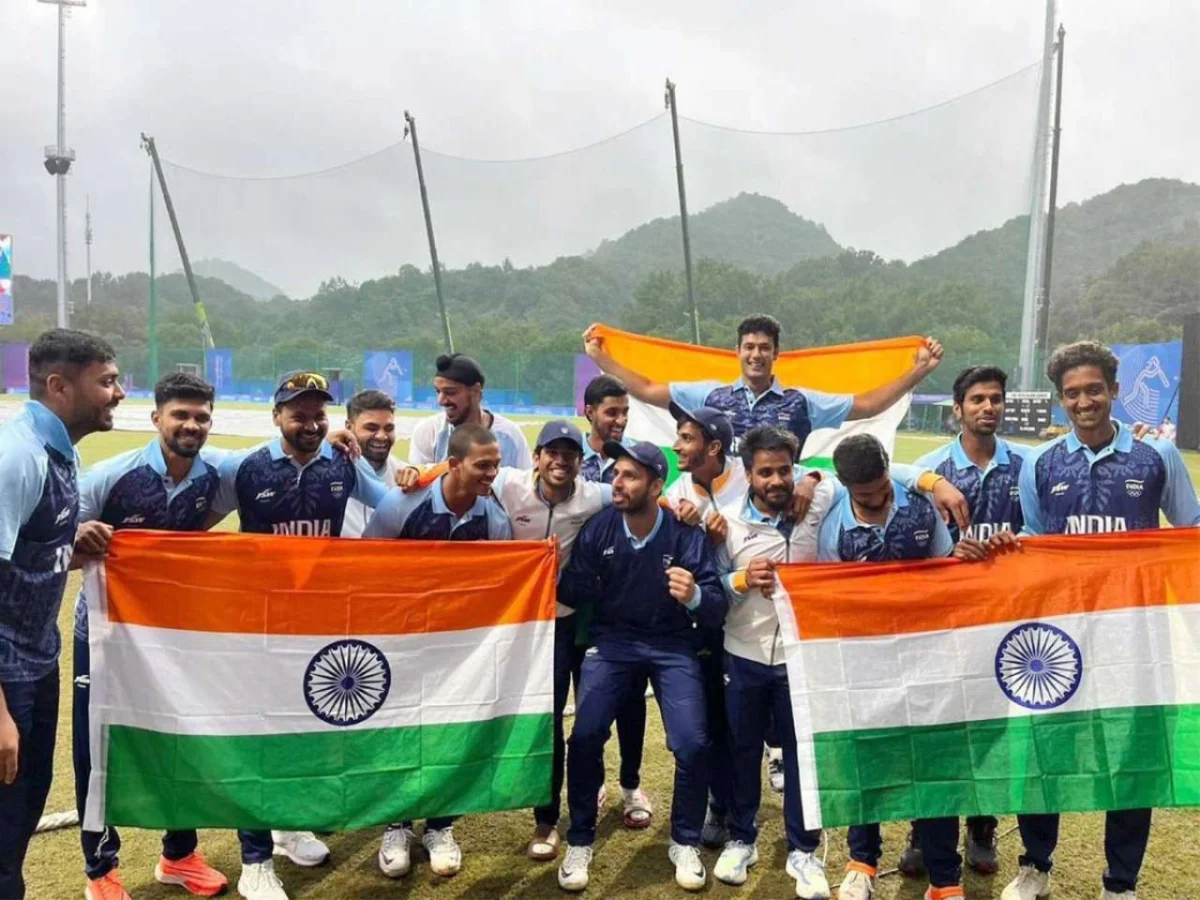
India, the defending champions in both men’s and women’s categories from the 2023 Hangzhou Asian Games, will undoubtedly enter the 2026 edition with high expectations, looking to replicate their golden double. The inclusion of cricket in multi-sport events like the Asian Games continues to elevate the sport’s profile across the continent, offering a unique platform for both established giants and burgeoning cricketing nations to showcase their talent.
Main Facts: A Glimpse into the 2026 Asian Games Cricket Tournament
The framework for the 2026 Asian Games cricket competition has been meticulously laid out, promising a dynamic and engaging spectacle in Nagoya. The core announcement confirms the direct entry of four prominent men’s teams into the knockout rounds, a decision based on their strong international T20 rankings and historical performance in the region.
Direct Entry for Men’s Knockout Stage:
- India: Reigning champions and a global cricketing powerhouse.
- Bangladesh: A formidable force known for its passionate fan base and competitive spirit.
- Pakistan: Another cricketing giant with a rich history of T20 success.
- Sri Lanka: Former T20 World Cup winners, bringing a blend of experience and youthful talent.
These four nations will bypass the initial group stages, awaiting the winners from the preliminary rounds to complete the eight-team knockout bracket. This structure ensures that the top-seeded teams are rewarded for their consistent performance, while also providing a clear pathway for developing cricketing nations to challenge for medals.
Preliminary Round Contenders (Men’s Tournament):
Six nations will participate in a fiercely contested preliminary round to secure the remaining four berths in the knockout stage. These teams have been divided into two groups:
- Group A: Afghanistan, Japan, Nepal
- Group B: Hong Kong, Malaysia, Oman
The top two teams from each of these preliminary groups will advance to the quarter-finals, where they will face the directly qualified nations. This setup guarantees intense competition from the outset, with every match holding significant implications for progression.
Tournament Overview:
- Format: All matches in both men’s and women’s tournaments will be played in the Twenty20 (T20) format, known for its fast-paced action and unpredictable outcomes.
- Venue: All games are scheduled to be played in Nagoya, Japan, centralizing the cricketing action and facilitating logistics.
- Team Participation:
- Men’s Tournament: A total of 10 teams will compete.
- Women’s Tournament: Eight teams will battle for the title.
Women’s Tournament Quarter-Final Fixtures:
The women’s competition will commence directly with the quarter-final stage, featuring an exciting line-up:
- India vs. Japan
- Bangladesh vs. China
- Sri Lanka vs. Malaysia
- Pakistan vs. Thailand
These fixtures promise immediate high-stakes encounters, with several compelling matchups right from the start. India, as the defending champions, will look to assert their dominance early on against host nation Japan.
Chronology: The Journey to Nagoya 2026
The path to the 2026 Asian Games cricket tournament has been shaped by a series of decisions, historical precedents, and the evolving landscape of international cricket. Understanding this chronology provides crucial context to the current announcements.
The Road to Nagoya: Cricket’s Expanding Footprint in Multi-Sport Events
Cricket’s journey into multi-sport events has been a gradual but increasingly significant one. While the sport has a long history, its inclusion in major continental games like the Asian Games is a relatively recent phenomenon, reflecting a strategic push by cricket’s global governing bodies to expand its reach and secure a place in broader sporting calendars. The T20 format, with its condensed match duration and dynamic appeal, has been instrumental in this expansion, making cricket a viable and attractive option for multi-sport extravaganzas.
The decision to include cricket in the 2026 Asian Games in Nagoya follows its successful re-introduction and immensely popular run at the 2023 Hangzhou Games. The positive reception and high-profile participation, particularly from India, at the previous edition undoubtedly strengthened the case for its continued presence. The Olympic Council of Asia (OCA) and the Asian Cricket Council (ACC) have worked in tandem to integrate cricket, recognizing its massive following in key Asian markets and its potential to draw significant viewership and participation. This sustained inclusion is often viewed as a stepping stone towards cricket’s ultimate ambition: a return to the Olympic Games, potentially as early as Los Angeles 2028.
Draws and Fixture Announcements: The Unveiling of the Competition Structure
The official draws and group announcements, which took place on Thursday, marked a pivotal moment in the lead-up to the Nagoya Games. These announcements provided clarity on the structure of both the men’s and women’s tournaments, outlining the initial matchups and the pathway to the medal rounds. While the exact dignitaries present at the draw ceremony were not specified in the initial reports, such events typically involve representatives from the OCA, ACC, the host nation’s Olympic committee, and the local organizing committee, underscoring the formal and official nature of the proceedings.
The direct qualification system for the men’s tournament was a key highlight, immediately setting the stage for the top-tier teams. This decision, likely based on the latest ICC T20I rankings for men’s teams, ensures that the initial phase of the tournament can focus on competitive matchups among emerging nations while building anticipation for the entry of the established powerhouses. The announcement of specific preliminary groups (Group A: Afghanistan, Japan, Nepal; Group B: Hong Kong, Malaysia, Oman) immediately ignited discussions about potential upsets and intense group-stage battles.
For the women’s tournament, the decision to commence directly with quarter-final fixtures signifies the strong concentration of talent among the participating eight teams. The matchups – India vs. Japan, Bangladesh vs. China, Sri Lanka vs. Malaysia, and Pakistan vs. Thailand – highlight both regional rivalries and intriguing contests between established sides and those looking to make a mark. The clarity provided by these draws allows teams to begin specific tactical preparations, analyzing their opponents and strategizing for their respective campaigns.
Tournament Schedule Breakdown: A Packed Itinerary in Nagoya
The detailed schedule for the cricket competition at the 2026 Asian Games reveals a compressed yet action-packed itinerary, designed to fit within the broader multi-sport event.
-
Women’s Tournament: Scheduled to run from September 17 to September 22, the women’s event will unfold over six intense days. This tight schedule means teams will need to be resilient, managing player fitness and rotation effectively to navigate the quarter-finals, semi-finals, and medal matches in quick succession. The condensed format adds an extra layer of challenge and excitement, where momentum can be crucial.
-
Men’s Tournament: Following the women’s final, the men’s competition will take center stage from September 24 to October 1. This eight-day window will encompass the preliminary group stage, the subsequent knockout rounds (quarter-finals, semi-finals), and ultimately the bronze and gold medal matches. The sequential nature of the tournaments ensures a continuous flow of high-quality cricket throughout the Asian Games.
Both tournaments, being played in the T20 format, are well-suited to this rapid-fire schedule. The short duration of individual matches allows for multiple games to be played on a single day, maximizing spectator engagement and optimizing the use of facilities. The central venue in Nagoya will play a critical role in managing the logistical demands of hosting so many matches in such a short period. The scheduling also implies that teams will likely arrive well in advance to acclimatize to local conditions and complete their final preparations.
Supporting Data: Contextualizing Cricket’s Ascent
The decisions and structure announced for the 2026 Asian Games cricket tournament are not arbitrary; they are rooted in the evolving dynamics of international cricket, the sport’s growing appeal, and historical performances at multi-sport events. Delving into this supporting data provides a deeper understanding of the significance of the upcoming competition.
The T20 Format’s Appeal: A Catalyst for Growth
The exclusive adoption of the Twenty20 (T20) format for cricket at the Asian Games is a strategic choice that underpins the sport’s viability within multi-sport events. T20 cricket, inaugurated professionally in England in 2003, revolutionized the game by condensing matches into roughly three hours, a stark contrast to the multi-day Test matches or eight-hour One Day Internationals (ODIs). This brevity makes T20 highly appealing for several reasons:
- Spectator Engagement: Its fast pace, high-scoring nature, and constant ebb and flow keep audiences engaged throughout, attracting both traditional cricket fans and new demographics.
- Broadcast Friendliness: The shorter duration makes it ideal for television broadcasting, fitting neatly into prime-time slots and offering more commercial opportunities.
- Logistical Efficiency: For multi-sport events, T20 matches can be completed within a single session, allowing for multiple games on the same day and efficient scheduling, minimizing demands on venues and athlete village accommodation.
- Global Expansion: T20 leagues have sprung up worldwide, fostering local talent and broadening cricket’s geographical footprint beyond its traditional strongholds. This format is seen as the primary vehicle for cricket’s global expansion, including its push for Olympic inclusion.
The choice of T20 for Nagoya 2026 is a clear affirmation of its status as the ideal format for introducing cricket to a wider, diverse audience within the Olympic movement.
Team Rankings and Seeding Rationale: Merit-Based Qualification
The direct qualification of India, Bangladesh, Pakistan, and Sri Lanka into the men’s knockout stage is almost certainly based on their superior standing in the ICC Men’s T20I Team Rankings. These rankings are a dynamic reflection of a team’s performance over a rolling period, factoring in wins, losses, and the strength of opposition.
- Top Asian Teams: As of recent rankings, these four nations consistently feature among the top T20I teams globally, not just in Asia. Their consistent participation in bilateral series, major ICC tournaments, and their well-established domestic T20 leagues contribute to their high rankings.
- Fairness and Competitive Balance: The seeding system, which awards direct entry to the highest-ranked teams, is a standard practice in international sports. It rewards consistent excellence and ensures that the latter stages of the tournament feature the strongest contenders. It also prevents potential ‘group of death’ scenarios in the preliminary rounds for these top teams, allowing them to focus on direct knockout preparation.
- Motivation for Preliminary Teams: For teams like Afghanistan, Nepal, Hong Kong, Malaysia, Oman, and Japan, the preliminary round offers a clear meritocratic pathway. Success in these initial stages demonstrates their growth and earns them the right to challenge the established giants, providing immense motivation and invaluable competitive experience. Afghanistan, in particular, despite being a Test-playing nation, often finds itself navigating preliminary rounds due to the strength of the top four Asian teams in the T20I rankings, showcasing the competitive depth of Asian cricket.
Historical Context: Cricket at the Asian Games
Cricket’s history at the Asian Games has been somewhat intermittent but is gaining momentum.
- Debut in Guangzhou 2010: Cricket made its debut as a medal sport at the 2010 Asian Games in Guangzhou, China, featuring both men’s and women’s tournaments.
- Continued in Incheon 2014: It was retained for the 2014 Asian Games in Incheon, South Korea.
- Omission in Jakarta-Palembang 2018: The sport was controversially dropped from the 2018 Games in Jakarta-Palembang, primarily due to logistical challenges and the perceived lack of participation from top teams, especially India.
- Return in Hangzhou 2023: Cricket made a triumphant return at the 2023 Asian Games in Hangzhou, China, marking a significant turning point. India’s decision to send strong, albeit not always full-strength, teams for both men’s and women’s events dramatically boosted the tournament’s profile and credibility.
India’s Dominance in Hangzhou 2023:
The 2023 Hangzhou Games proved to be a golden chapter for Indian cricket, as they clinched gold medals in both the men’s and women’s categories, asserting their regional dominance.
- Men’s Final (India vs. Afghanistan): The men’s final against Afghanistan was unfortunately impacted by rain. After Afghanistan batted first and managed to score 112/5 in 18.2 overs before the heavens opened, the match was eventually abandoned. Under the tournament rules for rain-affected finals, India was awarded the gold medal by virtue of being the higher-seeded team entering the final. While the circumstances of the win might have been anticlimactic, it underscored India’s consistent top seeding throughout the tournament.
- Women’s Final (India vs. Sri Lanka): In a more decisive victory, the Indian women’s team defeated Sri Lanka by 19 runs in a compelling final. Batting first, India posted a competitive total, primarily built around contributions from key batters. Their bowlers then put in a disciplined performance to restrict Sri Lanka, with fast bowler Titas Sadhu emerging as a star, delivering a remarkable spell of 3 wickets for 6 runs in her four overs, helping India secure the top honour. Smriti Mandhana and Jemimah Rodrigues were also instrumental with their batting performances. The women’s victory was a testament to the strength and depth of Indian women’s cricket.
These past performances set a high bar for India in Nagoya and serve as a powerful reminder of the competitive landscape.
Venue Insights: Nagoya and Japan’s Cricket Ambitions
Nagoya, the capital of Aichi Prefecture and Japan’s fourth-largest city, will serve as the host for the 2026 Asian Games. While Japan is not traditionally known as a cricketing nation, the Japan Cricket Association (JCA) has been working diligently for years to develop the sport within the country.
Hosting an event of this magnitude provides an unprecedented opportunity for cricket development in Japan:
- Infrastructure Development: It necessitates the development or upgrade of suitable cricket facilities, which will leave a lasting legacy for local cricket.
- Increased Visibility: The presence of top international teams and extensive media coverage will significantly raise cricket’s profile among the Japanese public, potentially attracting new players and fans.
- Knowledge Transfer: Interaction with leading cricketing nations and their support staff can provide invaluable learning experiences for Japanese coaches, players, and administrators.
- "Cricket Blast" Programs: The JCA has been active in promoting junior cricket and school programs. The Asian Games will provide a massive boost to these grassroots efforts.
The successful staging of the cricket tournament in Nagoya will not only benefit the sport locally but also demonstrate Japan’s capacity to host diverse international sporting events, further cementing its reputation as a global sports hub.
Official Responses: Anticipating Statements and Perspectives
While immediate official statements from all stakeholders were not available at the time of the initial announcement, the nature of such a significant event means that responses from various governing bodies and team managements are highly anticipated.
Statements from Governing Bodies: Affirming Commitment and Vision
Officials from the Olympic Council of Asia (OCA) and the Asian Cricket Council (ACC) are expected to release comprehensive statements acknowledging the successful completion of the draws and reiterating their commitment to the promotion of cricket within the Asian Games framework. Their remarks would likely emphasize:
- The success of cricket at the 2023 Games: Highlighting its popularity and the positive feedback received.
- Strategic Importance: Underscoring cricket’s role in engaging a vast audience across Asia and contributing to the overall success of the multi-sport event.
- Developmental Focus: Expressing hope that the tournament will inspire further cricket development in non-traditional cricketing nations, particularly the host nation Japan.
- Fair Play and Sportsmanship: Encouraging all participating nations to uphold the spirit of the Games.
National cricket boards such as the Board of Control for Cricket in India (BCCI), Pakistan Cricket Board (PCB), Bangladesh Cricket Board (BCB), and Sri Lanka Cricket (SLC) are also expected to issue statements. These would likely focus on:
- Gratitude for Direct Qualification: Acknowledging the recognition of their teams’ standing.
- Preparation Plans: Providing initial insights into their teams’ readiness and training camps leading up to the Games.
- Aspirations for Gold: Expressing confidence in their teams’ abilities to contend for medals.
The Japan Cricket Association (JCA) will undoubtedly convey its excitement and pride in hosting such a prestigious event. Their statements would likely highlight:
- Opportunity for Growth: Emphasizing the invaluable opportunity the Games present for popularizing cricket in Japan.
- Readiness to Host: Assuring participants and fans of excellent facilities and smooth organization.
- Hopes for the National Team: Expressing optimism for their own national team’s performance, particularly in the preliminary rounds against formidable opponents like Afghanistan and Nepal.
Coaches and Captains’ Outlooks: Focus on Preparation and Performance
While no specific quotes from team coaches or captains were immediately available, it is customary for them to address the media following such announcements. Their anticipated responses would likely revolve around:
- Excitement for the Challenge: Expressing enthusiasm for participating in a multi-sport event, which offers a different dynamic compared to standalone cricket tournaments.
- Strategic Planning: For the directly qualified teams, the focus would be on maintaining peak fitness and form, and perhaps observing the preliminary rounds to scout potential knockout opponents. For teams in the preliminary rounds, the emphasis would be on meticulous preparation for group-stage matches, treating every game as a final.
- Team Dynamics and Selection: Coaches will be pondering squad selections, balancing experienced players with promising youngsters, especially given the T20 format and potentially overlapping international commitments.
- High Expectations: Particularly for India, as defending champions in both categories, there will be an inherent pressure to perform and defend their titles. Captains would likely emphasize teamwork, discipline, and adapting to the conditions in Nagoya.
These forthcoming official responses will provide further layers of detail and sentiment, enriching the narrative around the 2026 Asian Games cricket tournament.
Implications: Beyond the Boundary Ropes
The announced structure and participating teams for the 2026 Asian Games cricket tournament carry significant implications, not just for the competing nations but for the broader landscape of Asian and global cricket.
Path to Gold: India’s Prospects and Challenges
As defending champions in both men’s and women’s categories, India will enter the 2026 Asian Games with a target on its back.
- Men’s Team: India’s direct entry into the knockout stage offers a slight advantage, reducing the burden of an extensive group stage. However, it also means they will face a team that has already proven its mettle through the preliminaries, potentially carrying momentum. The challenge will be to maintain focus and adapt quickly to knockout pressure. Potential clashes with Pakistan, Sri Lanka, or Bangladesh in the semi-finals or final would be high-octane affairs, testing India’s resilience. The pressure to replicate the 2023 double gold will be immense, particularly given the ever-increasing depth of T20 cricket.
- Women’s Team: The women’s team faces immediate quarter-final action against host Japan. While India will be heavily favored, no opponent can be underestimated in T20 cricket. Their path to gold will likely involve navigating tough matchups against Sri Lanka, Pakistan, and Bangladesh, all formidable opponents in the women’s game. The 2023 victory against Sri Lanka by a comfortable margin sets a precedent, but each tournament presents new dynamics and challenges.
Regional Rivalries on Display: Igniting Passion
Multi-nation tournaments, especially those featuring cricketing giants like India and Pakistan, are synonymous with intense rivalries.
- India vs. Pakistan: A potential clash between India and Pakistan in the knockout stages of the men’s tournament would undoubtedly be the most anticipated fixture, drawing massive viewership and igniting passionate debates. These encounters transcend cricket, carrying significant cultural and nationalistic weight.
- Sri Lanka vs. Bangladesh: Another compelling rivalry, particularly in the women’s tournament where they face each other in the quarter-finals. Both teams possess competitive squads and will be eager to assert regional supremacy.
- Emerging Rivalries: The preliminary rounds could also foster new rivalries, for instance, between Afghanistan and Nepal, two rapidly developing cricketing nations with a strong fan base and competitive spirit. These matches contribute significantly to the narrative and excitement of the tournament.
Impact on Emerging Cricket Nations: A Crucible for Growth
The Asian Games offer an invaluable platform for emerging cricketing nations like Japan, Nepal, Hong Kong, Malaysia, Oman, and China (women’s).
- Exposure and Experience: Competing against top-tier nations provides unparalleled exposure and learning opportunities. Players from these developing countries gain crucial experience playing under pressure on an international stage.
- Inspiration and Development: Strong performances, even in losses, can inspire local youth to take up the sport and attract further investment into national cricket programs. For instance, Nepal’s recent rise in T20I cricket makes them a significant threat in Group A, and their progression would be a major boost for the sport in the Himalayan nation.
- Pathway to Recognition: Success in the preliminary rounds and a potential upset against a major team can significantly raise a nation’s profile within the cricketing world, potentially leading to more bilateral series and funding.
- Host Nation Advantage: For Japan, the opportunity to play against India in the women’s quarter-final and potentially Afghanistan and Nepal in the men’s preliminary round is a dream scenario, providing local players with a chance to test their skills against some of the best in Asia.
Broader Significance for Cricket: Towards Global Inclusion
Cricket’s consistent inclusion in the Asian Games is a vital component of its broader strategy for global recognition and, ultimately, Olympic inclusion.
- Olympic Ambitions: The T20 format’s success at the Asian Games and the Commonwealth Games (2022) serves as a strong case study for the International Cricket Council (ICC) in its bid for cricket’s inclusion in the Olympic Games, particularly for Los Angeles 2028 and Brisbane 2032. The ability to seamlessly integrate into multi-sport events, coupled with its massive global audience, strengthens cricket’s proposition.
- Market Expansion: Asia is a colossal market for cricket. Leveraging events like the Asian Games helps to deepen the sport’s roots in existing strongholds and plant seeds in new territories, contributing to a truly global presence.
- Sporting Legitimacy: Participation in events governed by the Olympic Council of Asia adds a layer of sporting legitimacy and aligns cricket more closely with the Olympic movement’s ideals.
Economic and Cultural Impact on Host City: Nagoya’s Moment
For Nagoya, hosting the cricket tournament as part of the Asian Games brings several economic and cultural benefits:
- Tourism Boost: Influx of athletes, support staff, and fans from cricketing nations, contributing to local tourism, hospitality, and retail sectors.
- International Exposure: Showcasing Nagoya on a global stage, enhancing its reputation as a capable host of major international sporting events.
- Cultural Exchange: Facilitating cultural exchange between Japanese locals and visitors from diverse cricketing backgrounds, fostering mutual understanding and appreciation.
- Legacy Infrastructure: Potential for upgraded or new sports facilities that will serve the local community long after the Games conclude.
The 2026 Asian Games cricket tournament in Nagoya is shaping up to be a momentous occasion, a fusion of elite competition, regional rivalries, and a crucial stepping stone for cricket’s enduring global ambitions. With India poised to defend its double gold, and emerging nations eager to make their mark, the stage is set for a captivating display of T20 cricket.
