

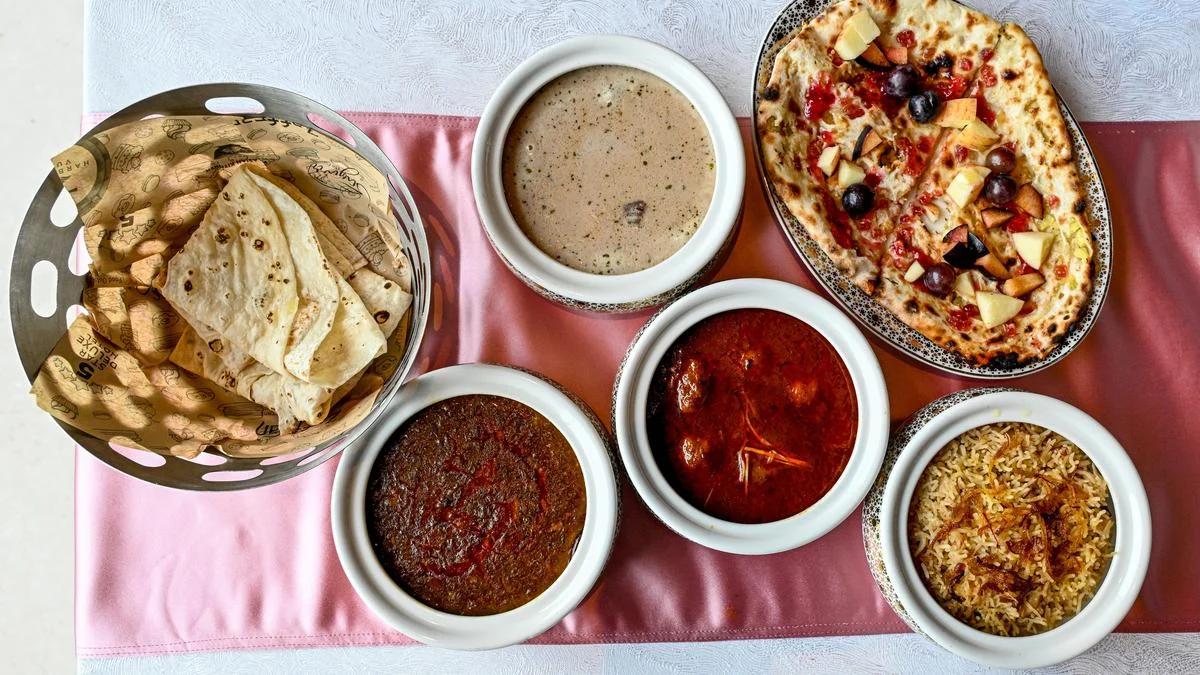
The coastal city of Visakhapatnam, traditionally known for its piquant Andhra seafood and fiery local spices, is currently playing host to a diametrically opposite culinary tradition. At the Zaffran restaurant, nestled within the luxurious confines of Novotel Visakhapatnam Varun Beach, the air is thick with the scent of dried ginger, fennel, and the world’s most expensive spice—saffron. The occasion is “Dawat-E-Wazwan,” a meticulously curated food festival that aims to transport diners from the humid shores of the Bay of Bengal to the temperate, mist-covered valleys of Kashmir.
Curated by the renowned Chef Rehman and Chef Abdul, the festival is more than just a promotional event; it is a deep dive into the 14th-century culinary heritage of the Kashmir Valley. As the city’s gourmands gather to sample these historic flavors, the festival highlights a shift in Visakhapatnam’s gastronomic landscape, favoring authentic, slow-cooked regional cuisines over generic multi-cuisine offerings.
Main Facts: The Essence of the Kashmiri Wazwan
The term "Wazwan" is derived from two words: ‘waz’ meaning cook or cooking, and ‘wan’ meaning shop. However, in the context of Kashmiri culture, it represents the ultimate multi-course meal, traditionally consisting of 36 dishes, served during weddings and royal banquets. While the festival at Zaffran does not attempt the Herculean task of serving all 36 courses, it captures the "soul" of the Wazwan through a curated selection of its most iconic elements.
The Aromatic Philosophy
Unlike the heavy, oil-laden gravies often associated with North Indian restaurant food, authentic Kashmiri cuisine—particularly the Wazwan—is defined by its aromatic subtlety. The festival emphasizes the use of four pillars of Kashmiri seasoning:
- Yogurt (Dahi): Used as a base for many gravies to provide a tangy creaminess.
- Fennel (Saunf): Providing a sweet, herbal undertone.
- Dry Ginger (Sonth): Adding a mild, warming heat without the sharpness of fresh ginger.
- Kashmiri Chillies: Famous for providing a deep, vibrant crimson hue with minimal capsaicin heat.
Festival Logistics
- Venue: Zaffran, Novotel Visakhapatnam Varun Beach.
- Curators: Chef Rehman and Chef Abdul.
- Duration: Running through June 28, 2026.
- Pricing: Estimated at ₹3,000 to ₹3,500 for two (plus taxes).
- Service: Available for both lunch and dinner.
Chronology of a Culinary Journey: From Shorba to Phirni
A meal at Dawat-E-Wazwan is designed to be a progressive experience, moving from light, warming liquids to heavy, protein-rich mains, and concluding with cooling desserts.
The Prelude: Soups and Starters
The journey begins with the Kashish Paya Shorba. In many parts of India, paya (trotter soup) is a heavy, greasy affair consumed for breakfast. However, the Kashmiri rendition presented here is a revelation of clarity. It is a light, translucent broth that prioritizes the gelatinous richness of the lamb trotters while remaining comforting and easy on the palate.
Following the soup, the Maaz Seekh Kebab takes center stage. In a world of over-marinated meats, these kebabs stand out for their restraint. The lamb is finely minced, seasoned with a delicate touch of spice, and grilled to a point where the natural flavors of the meat are enhanced rather than masked.
The Badami Kukar Tikka (almond-infused chicken) offers a soft, velvety texture, though seasoned critics might find the almond notes a bit too subtle. On the vegetarian side, the Paneer Kebab provides a substantial alternative, though the festival’s strength clearly leans toward the traditional meat-heavy preparations of the Valley.

The Heart of the Meal: The Mains
The centerpiece of any Wazwan is the Rista. These are hand-pounded mutton meatballs simmered in a saffron-red gravy. The process of making Rista is an art form; the meat must be pounded on a stone slab with wooden mallets until it reaches a paste-like consistency, ensuring the meatballs are incredibly soft and springy. At Zaffran, the Rista lives up to its reputation, offering a "melt-in-the-mouth" experience that is rare to find outside of Srinagar.
Another standout is the Nadur Yakhni. Lotus stem (Nadur) is a staple of Kashmiri cuisine, harvested from the depths of the Dal Lake. In this dish, the porous stems soak up a delicate, yogurt-based gravy flavored with mint and cardamom. It provides a refreshing, crunchy contrast to the richer meat dishes. These are best enjoyed with Kokur Pulao, a fragrant rice preparation, or paper-thin Rumali Rotis.
The Sweet Conclusion
No Kashmiri feast is complete without a touch of sugar to balance the spices. The Kong Phirni (saffron ground-rice pudding) is served in traditional earthenware, which helps absorb excess moisture and lends an earthy aroma to the dessert. While the sweetness levels are high, the creaminess is undeniable. The Malai Gilori, a sophisticated milk-based sweet with a rich nut filling, serves as the final, indulgent flourish to the meal.
Supporting Data: The Science of Slow Cooking
The success of the Dawat-E-Wazwan lies in its adherence to traditional techniques that defy the fast-paced nature of modern commercial kitchens.
| Technique | Kashmiri Application | Result |
|---|---|---|
| Hand Pounding | Used for Rista and Gushtaba | Breaks down muscle fiber without heat, preserving fat and texture. |
| Dum Cooking | Slow simmering in sealed pots | Allows spices to infuse deeply into the bone marrow and fibers. |
| Tempering | Infusing oil with whole spices like cloves and cinnamon | Creates an aromatic "top note" that hits the senses before the first bite. |
According to culinary historians, the Wazwan is a "technique-heavy" cuisine. The use of onions is often replaced by Pran (a local Kashmiri shallot) and the use of garlic is frequently omitted in certain Pandit-style preparations, though the Wazwan (Muslim style) utilizes it judiciously. The festival at Novotel mirrors this complexity by sourcing specific ingredients—like the dried cockscomb flower (Mawal) for coloring—to ensure authenticity.
Official Responses: Insights from the Master Chefs
Chef Rehman, the lead curator of the festival, emphasizes that the primary challenge of bringing Kashmiri food to South India is managing expectations regarding "spice."
"Wazwan is about patience and balance," Chef Rehman explains. "In many parts of India, people equate ‘flavorful’ with ‘spicy’ or ‘hot.’ But in the Valley, we don’t rely on heavy chili powder or garam masala. Instead, the flavors come from the slow-release of oils from fennel and dry ginger. We use yogurt to provide body to the gravy rather than tomatoes or heavy cream. It is a healthier, more nuanced way of eating."
The management at Novotel Visakhapatnam Varun Beach noted that the decision to host a Kashmiri festival was driven by a growing demand among the local elite and tourists for "destination dining." By bringing in specialists like Chef Rehman and Chef Abdul, the hotel aims to position Zaffran as a hub for authentic regional Indian cuisines, moving beyond the standard buffet fare.

Implications: The Growing Palate of Visakhapatnam
The Dawat-E-Wazwan festival signifies a broader trend in the Indian hospitality industry: the "hyper-localization" of menus.
1. Cultural Exchange through Gastronomy
For the residents of Visakhapatnam, this festival serves as a cultural bridge. Kashmir and Andhra Pradesh sit at opposite ends of the Indian subcontinent, yet the appreciation for a well-cooked meal is a universal language. Such events allow for a "sensory tourism" experience, where diners can explore the history of the Silk Road and Persian influences on Indian food without leaving their city.
2. Elevating the Culinary Standard
By introducing dishes like Nadur Yakhni and Rista, Novotel is challenging the local palate to appreciate subtlety. In a region where the "Guntur Chilli" reigns supreme, the introduction of the "Kashmiri Chilli"—which offers color without the burn—is an educational experience for the taste buds.
3. The Economic Viability of Niche Festivals
At a price point of ₹3,000-₹3,500 for two, the festival targets a specific demographic. The success of such events indicates that there is a significant market in Tier-II cities like Visakhapatnam for premium, authentic culinary experiences. It suggests that diners are willing to pay a premium for authenticity and the expertise of visiting "Ustas" (Master Craftsmen).
Conclusion
The Dawat-E-Wazwan at Zaffran is more than a mere food festival; it is a celebration of a vanishing art form. In an era of molecular gastronomy and fusion food, the commitment of Chefs Rehman and Abdul to the slow-cooked, aromatic traditions of the Kashmir Valley is commendable. For the people of Visakhapatnam, the festival offers a rare window into the "Paradise on Earth," proving that while the mountains may be far away, their flavors are only a plate away.
As the festival concludes on June 28, it leaves behind a lingering scent of saffron and a heightened expectation for what the city’s culinary future holds. For those who haven’t yet sampled the Rista or the Paya, the clock is ticking on this Kashmiri encounter by the sea.
