

BOSTON — As the city of Boston prepares to take center stage on the global athletic map as a host for the FIFA World Cup 2026, a parallel narrative is unfolding within its historic cobblestone streets. Long celebrated as the "Cradle of Liberty" and a bastion of academic excellence, Boston is currently undergoing a gastronomic renaissance that bridges the gap between its 19th-century oyster cellars and 21st-century rooftop trattorias.
While the city recently hosted seven high-profile matches at the Boston Stadium (historically known as Gillette Stadium), including a pivotal quarter-final, the true pulse of the city is found not in the roar of the bleachers, but in the clink of oyster forks and the rich, buttery aroma of its most iconic export: the lobster roll.
Main Facts: A City Defined by Land and Sea
Boston’s identity is inextricably linked to its waterfront. For centuries, the city’s economy and culture have been dictated by the Atlantic. Today, that relationship is expressed through a sophisticated seafood culture that remains the primary draw for international travelers.

The culinary landscape is currently defined by three distinct pillars:
- Historical Institutions: Establishments like the Union Oyster House, which provide a literal taste of American history.
- Seafood Modernism: Flagship operations like Legal Sea Foods that have scaled the "pier-to-plate" philosophy.
- Global Fusion: A burgeoning scene of international flavors—from Salvadorian pupusas to Trinidadian roti—that reflects the city’s shifting demographics.
As the city anticipates the influx of international visitors for the World Cup, the hospitality sector is pivoting to showcase Boston as a premier food destination, moving beyond the stereotypical "baked beans" narrative toward a more nuanced, ingredient-driven identity.
Chronology: From Harvard Square to the Seaport
The journey into Boston’s culinary heart often begins in Cambridge, across the Charles River. In the shadow of Harvard University, the atmosphere is "chilly and perfect," according to local residents—the ideal climate for the city’s other favorite food icon: New England clam chowder.

At Harvest, a fixture in Harvard Square, the approach to New England cuisine is one of quiet reverence. The restaurant celebrates regional farmers and purveyors, serving a version of clam chowder that avoids the gluey thickness of lesser iterations. Instead, it offers a refined balance of potatoes, smoky bacon, and heavy cream, brightened by the inclusion of fresh leeks and celery. It is a "comforting" introduction to the region’s palate, setting the stage for the more rugged seafood experiences found closer to the harbor.
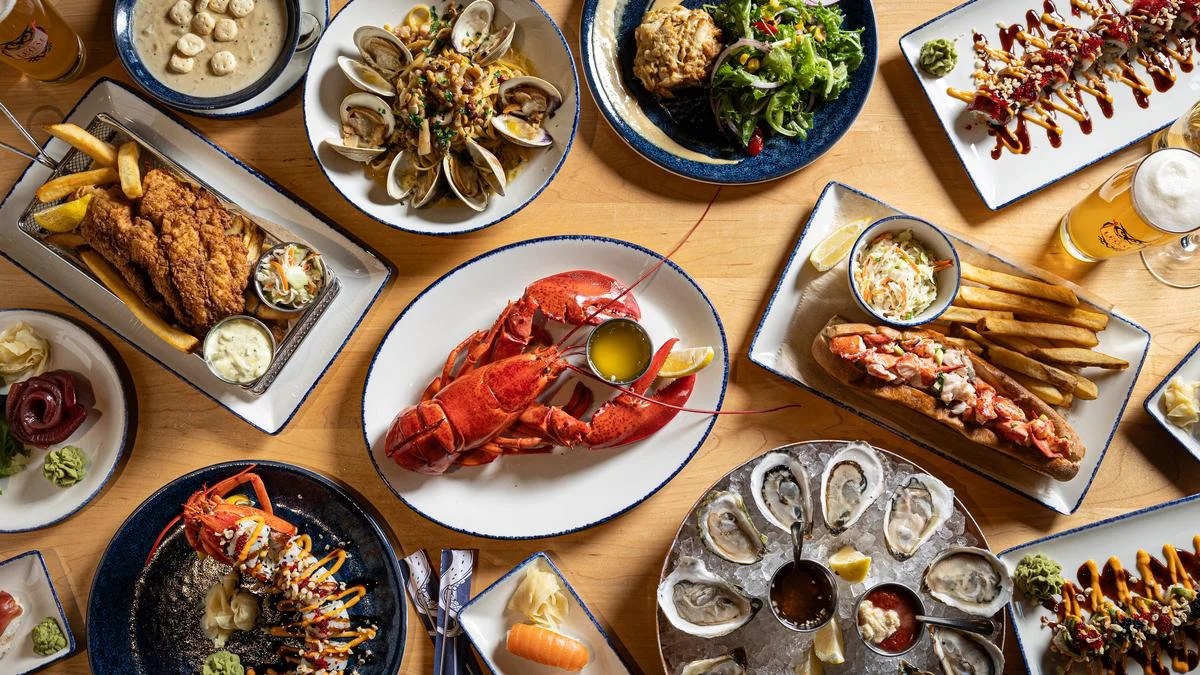
From the academic corridors of Cambridge, the narrative shifts to the Boston waterfront. At Legal Sea Foods’ Harborside flagship, the scale of the operation becomes apparent. Overlooking the scenic waterfront through expansive French windows, the restaurant serves as a temple to the Atlantic. Here, the focus shifts to the raw bar—specifically, briny, ice-chilled oysters served with a simple lemon wedge—and the quintessential New England debate: the preparation of the lobster roll.
Supporting Data: The Great Lobster Roll Debate
To understand Boston’s food scene is to understand the regional nuances of the lobster roll. The city traditionally offers this delicacy in two distinct styles, each with its own loyal following and cultural significance.

Maine Style vs. Connecticut Style
- Maine Style: The lobster meat is chilled, lightly tossed in mayonnaise, and often seasoned with chives or celery. It is served in a cold, split-top bun.
- Connecticut Style: The meat is served warm, poached in a generous amount of clarified butter, and nestled into a freshly toasted, buttery roll.
At Legal Sea Foods, the Connecticut version is a masterclass in simplicity. By using locally sourced lobster and high-quality butter, the dish allows the natural sweetness of the crustacean to remain the protagonist. This "intelligently built" dish represents the backbone of the city’s seafood economy, where the quality of the raw ingredient is paramount.
Further into the city’s historic center lies the Union Oyster House. Designated as a National Historic Landmark, it holds the distinction of being the oldest continually operating restaurant and oyster bar in the United States. Housed in a pre-revolutionary building, it began its culinary journey in 1826. Its semi-circular Oyster Bar, launched in 1897, pioneered the "bench-opened" technique, where oysters are shucked fresh in front of the diner.
The historical data of the Union Oyster House is staggering:

- Capacity: 500 diners at a time.
- Presidential History: A favorite of Franklin D. Roosevelt, Bill Clinton, and most notably, John F. Kennedy.
- The JFK Booth: Booth number 18 was Kennedy’s regular seat every Sunday at noon.
- Signature Output: The kitchen processes hundreds of pounds of fresh cornbread daily to accompany its award-winning clam chowder.
Official Responses: Insights from the Culinary Frontline
The evolution of the city’s palate is best articulated by those helming its kitchens. John Paul, manager at the Union Oyster House, describes the institution as a "living museum." Having risen from a busboy to manager over 11 years, Paul emphasizes the consistency required to maintain a landmark. "We are always packed," he notes, attributing the success to staples like their fresh, fragrant cornbread and the Sam Adams Colonial Ale, a brew specially curated for the restaurant to evoke the flavors of the 18th century.
On the more contemporary end of the spectrum is Chef Carl Dooley of Mooncusser, a Michelin-honored establishment. Dooley, a James Beard nominee and Top Chef finalist, argues that visitors often overlook the city’s diversity.
"Maybe visitors come here for history, but then hopefully they realize the innovation, the arts, and definitely the food scene," Dooley says. He points to neighborhoods like East Boston and Dorchester as the true frontiers of Boston flavor. Dooley recommends La Reina for authentic Salvadorian pupusas and Singh’s Roti Shop for Trinidadian goat curry, highlighting the Caribbean and Central American influences that are reshaping the city’s "comfort food" definitions.

Dooley also suggests that the best way to experience the city’s geography is not via taxi, but by "renting a Blue Bike and riding along the Charles River," moving from the Esplanade into the "Brooklyn-vibe" of Allston, a neighborhood known for dive bars and Korean BBQ.
Implications: A Global Stage for Local Flavor
The modern Boston experience culminates at Contessa, the rooftop trattoria atop the Newbury Hotel. With an aesthetic reminiscent of a Wes Anderson film—pink banquettes, fresh roses, and mid-century modern detailing—it represents the "New Boston."
Contessa is currently one of the city’s most difficult reservations to secure. Its signature dish, the Spicy Lobster Capellini, bridges the gap between traditional New England ingredients and Italian technique. By tangling Maine lobster in delicate angel hair pasta with Calabrian chili and tomato cream, the restaurant signals Boston’s move toward a more cosmopolitan, "global lens" of dining.

The implications of this culinary shift are significant:
- Tourism Diversification: Boston is successfully moving away from being a "one-day stop" on a historical tour. The depth of the dining scene encourages longer stays and exploration of outlying neighborhoods.
- Economic Resilience: By leaning into high-end experiences like Contessa and historical anchors like the Union Oyster House, the city’s hospitality sector is robust enough to handle the massive surges in demand expected during the 2026 World Cup.
- Global Brand Positioning: Through partnerships with organizations like Brand USA, Boston is being marketed not just as a sports hub, but as a sophisticated lifestyle destination.
As the crowds from the FIFA World Cup matches eventually dissipate, the infrastructure of Boston’s food scene remains. The "Boston Stadium" will continue to be a draw for sports fans, but the city’s enduring legacy will likely be found in the stories told over a bowl of chowder or a 44-pound stuffed lobster.
For the international traveler, the message is clear: Come for the history and the sports, but stay for the buttered rolls, the freshly shucked oysters, and the evolving flavors of America’s oldest waterfront. Boston is no longer just the Cradle of Liberty; it is increasingly the kitchen of the New North Atlantic.

The writer traveled to Boston on invitation from Brand USA.
