

MADURAI — In the heart of a city historically celebrated for its temple architecture and its fiercely traditional culinary identity—defined by the pungent aroma of Kari Dosa, the flaky layers of Bun Parotta, and the cooling draughts of Jigarthanda—a new aromatic profile is taking root. At Phil’s Bistro, located in the bustling neighborhood of KK Nagar, the air is no longer just filled with the scent of tempering mustard seeds and curry leaves; instead, it is being infused with the sharp, citrusy notes of lemongrass, the earthy pungency of galangal, and the creeping heat of bird’s eye chilies.
The ongoing Thai Food Festival at Phil’s Bistro represents more than just a seasonal menu change; it signifies a pivotal moment in the gastronomic evolution of Madurai. As the city transitions from a traditional pilgrimage hub to a modernizing urban center, its residents are showing an increasing appetite for global flavors that challenge the long-standing hegemony of South Indian staples.
The Evolution of Madurai’s Gastronomy: Beyond the Parotta
For decades, the food scene in Madurai was seen as an immutable fortress of tradition. To eat in Madurai was to engage with recipes that had remained unchanged for generations. However, the last five years have seen a subtle but definitive shift. The arrival of Phil’s Bistro in the Managiri area signaled a change in the wind, offering a space that prioritized international techniques and wholesome ingredients.
The current Thai festival is the culmination of this mission. By introducing staples such as Tom Yum and Pad Thai, the bistro is testing the waters of a palate that is famously loyal to local spices. The challenge, according to the bistro’s management, is not just to serve Thai food, but to serve it with an authenticity that respects the complexity of the cuisine while remaining accessible to a first-time taster in Tamil Nadu.
The Vision Behind the Festival: A Conversation with Philip Abraham
At the helm of this culinary venture is Philip Abraham, the founder of Phil’s Bistro. For Abraham, the festival is an educational endeavor as much as a commercial one.
"We introduced this idea because Madurai is still relatively new to the nuances of Thai cuisine," Abraham explains. "While the city has always embraced spice, the ‘type’ of heat in Thai food—driven by fresh chilies and aromatics rather than dried powders and heavy oils—is a revelation for many of our guests."
Abraham emphasizes that the key to the festival’s success lies in the uncompromising nature of the ingredients. "To achieve the balance that Thai food is famous for—salty, sweet, sour, and spicy—you cannot take shortcuts. Most of the ingredients needed for authentic Thai flavors, including specific fish sauces, shrimp pastes, and curry bases, are imported directly. We wanted to ensure that when a patron tries a Massaman curry here, it tastes exactly as it would in a bistro in Bangkok."
Deconstructing the Menu: A Symphony of Four Flavors
The festival menu at Phil’s Bistro is a curated journey through the geography of Thailand. The selection is intentionally compact, focusing on execution rather than overwhelming variety.
The Soups: A Study in Contrast
The meal typically begins with a choice between two foundational Thai soups. The Tom Yum, available with chicken or prawn, serves as a masterclass in the ‘sour and spicy’ pillar of the cuisine. It is clear, light, yet packed with the medicinal punch of kaffir lime leaves and crushed stalks of lemongrass. In contrast, the Tom Kha offers a gentler introduction. Rich with coconut milk, it provides a creamy, silken mouthfeel that resonates well with the local preference for coconut-based gravies, yet it is distinguished by the woody undertones of galangal.
Starters: Texture and Technique
The appetizers highlight the Thai mastery of deep-frying. The ‘Shrimp in a Blanket’ has quickly become a festival favorite. Here, succulent prawns are seasoned, wrapped in a delicate pastry skin, and flash-fried. The result is a dish that maintains a structural crunch on the outside while preserving the natural juices of the seafood within. For vegetarians, the Thai-style tofu offers a similar play on textures, proving that plant-based options need not be an afterthought.
Mains: The Heart of Southeast Asia
The centerpiece of the main course is the Massaman curry. Historically influenced by Persian flavors, this curry is milder and heartier than its green or red counterparts. At Phil’s Bistro, it is served with a depth of flavor that suggests hours of slow simmering. Accompanying the curries is a Shiitake mushroom and tofu stir-fry, which provides an earthy, umami-rich balance to the meal.
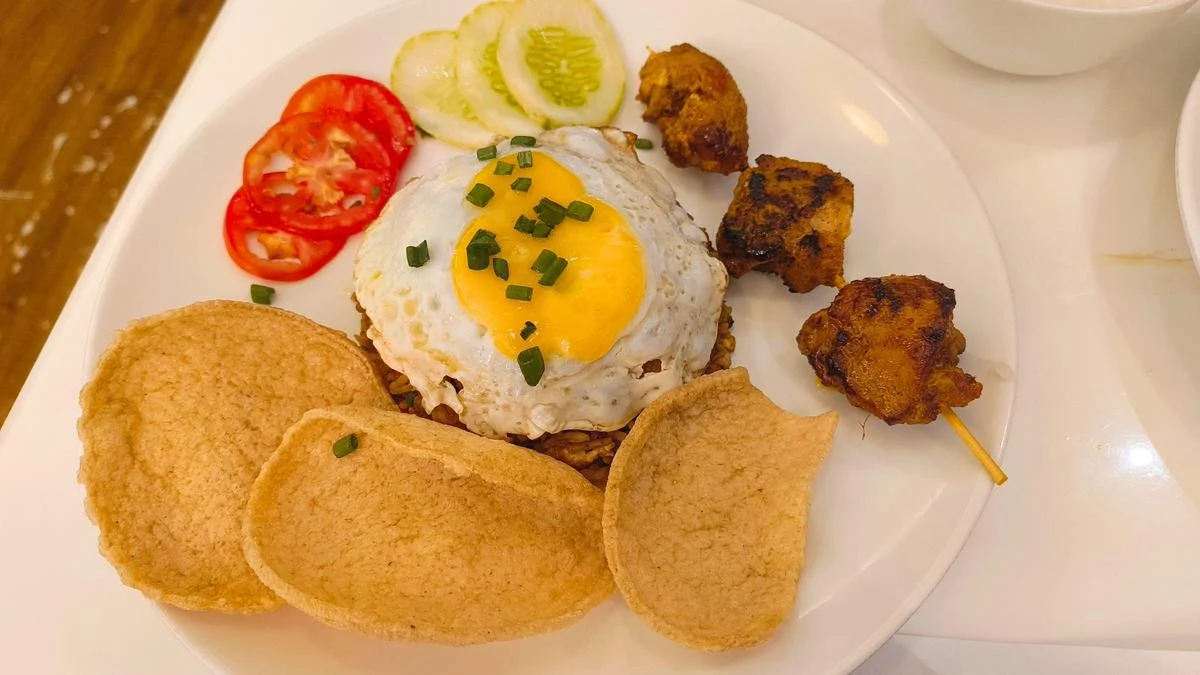
A notable inclusion in the festival is the Nasi Goreng. While traditionally an Indonesian and Malay staple, its presence on the Thai festival menu reflects the interconnected maritime spice routes of Southeast Asia. The bistro’s version is a visual and culinary feast: seafood-rich fried rice topped with a perfectly timed half-boiled egg, served with Keropok (Thai crackers), and garnished with fresh cucumber and carrots to provide a cooling crunch.
Supporting Data: Sourcing and Logistics
The logistical backbone of such a festival in a Tier-2 city like Madurai is significant. According to industry data, the demand for international ingredients in non-metropolitan India has grown by nearly 30% annually. Phil’s Bistro’s decision to import sauces and pastes reflects a broader trend where diners are no longer satisfied with "Indianized" versions of global dishes.

- Average Cost: A meal for two is priced at approximately ₹1500. In the context of Madurai’s economy, this places Phil’s Bistro in the "premium casual" segment, targeting the growing middle class and the city’s burgeoning professional population.
- Ingredient Sourcing: Approximately 60% of the dry pantry items for the festival are sourced from specialty importers in Chennai and Bengaluru, while fresh aromatics like Thai basil and galangal are brought in via cold-chain logistics to maintain potency.
Official Responses and Patron Feedback
The local response to the festival has been a mix of curiosity and acclaim. Food critics in the region have noted that Phil’s Bistro is successfully filling a vacuum in the city’s dining landscape.
"Madurai has a very high ‘food IQ’ when it comes to local cuisine," says a local food blogger who attended the festival’s opening week. "But for a long time, if you wanted real Thai food, you had to travel to Chennai. Seeing Tub Tim Krob (Red Ruby) served with authentic water chestnuts in KK Nagar is a sign that the city’s culinary borders are finally opening up."
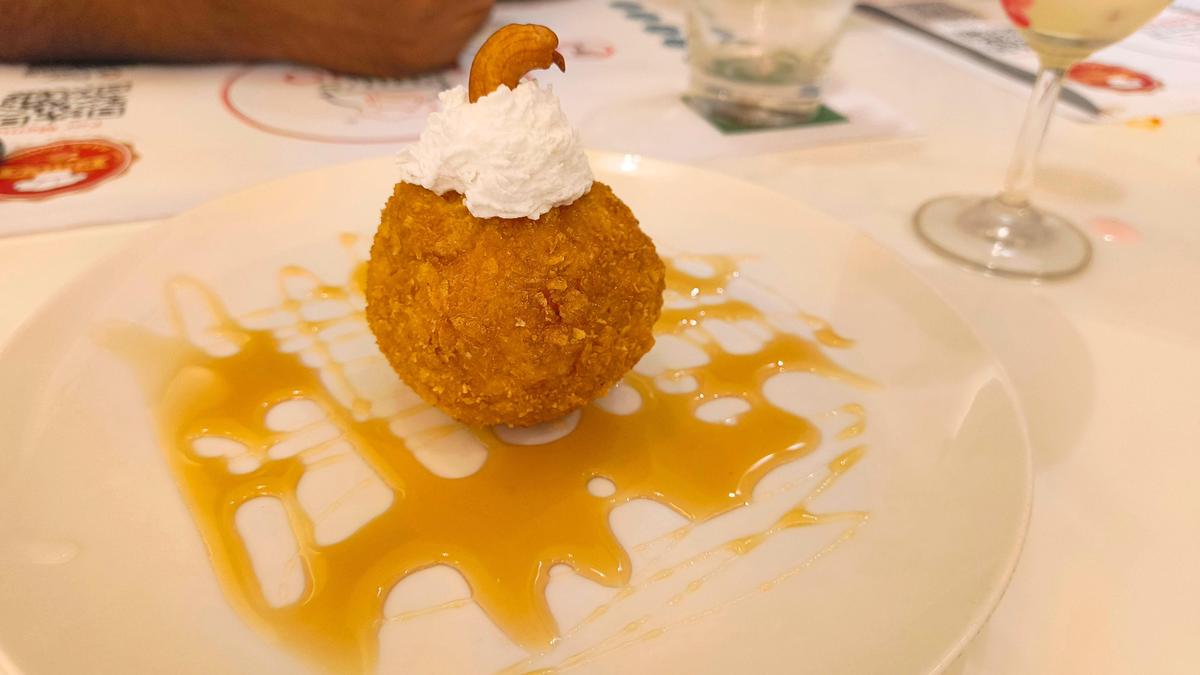
Customer feedback has particularly highlighted the desserts. The Tub Tim Krob, featuring crunchy water chestnuts stained a vivid ruby red and served in chilled coconut milk, has been praised for its refreshing qualities—a perfect antidote to Madurai’s perennial heat. Meanwhile, the ‘Fried Ice Cream’—a nostalgic nod to 90s Asian-fusion dining—continues to be a crowd-pleaser for its dramatic contrast between the hot, crispy shell and the frozen core.
Implications: The "Glocalization" of the Temple City
The success of the Thai Food Festival at Phil’s Bistro carries broader implications for the hospitality industry in South India. It demonstrates that the "Glocalization" (globalization + localization) of food is moving beyond the Tier-1 metros.
- Demographic Shifts: The festival caters to a "Global Maduraiite"—young professionals who have worked in tech hubs like Hyderabad or Bengaluru and returned home, bringing with them a taste for international cuisines.
- Market Readiness: The willingness of patrons to spend ₹1500 on a Thai meal suggests that Madurai’s economy is diversifying, and there is a sustainable market for high-quality, niche dining experiences.
- Culinary Education: By maintaining a simple menu and focusing on staples, Phil’s Bistro is acting as a gateway, educating the local palate and paving the way for more specialized international cuisines in the future.
Conclusion: A Sweet and Spicy Future
As the festival continues, Phil’s Bistro stands as a testament to the changing face of Madurai. While the city will always be the home of the Kari Dosa, there is now clearly a seat at the table for the Pad Thai. By focusing on authenticity, imported ingredients, and a simple yet flavorful menu, Philip Abraham has managed to bridge the gap between the Gulf of Thailand and the banks of the Vaigai River.
For those looking to explore this culinary bridge, Phil’s Bistro is located at 444, 9th Main Rd, Managiri, Madurai. The festival serves as a reminder that even in a city steeped in thousands of years of history, there is always room for a new flavor, a new spice, and a new way to experience a meal.
