

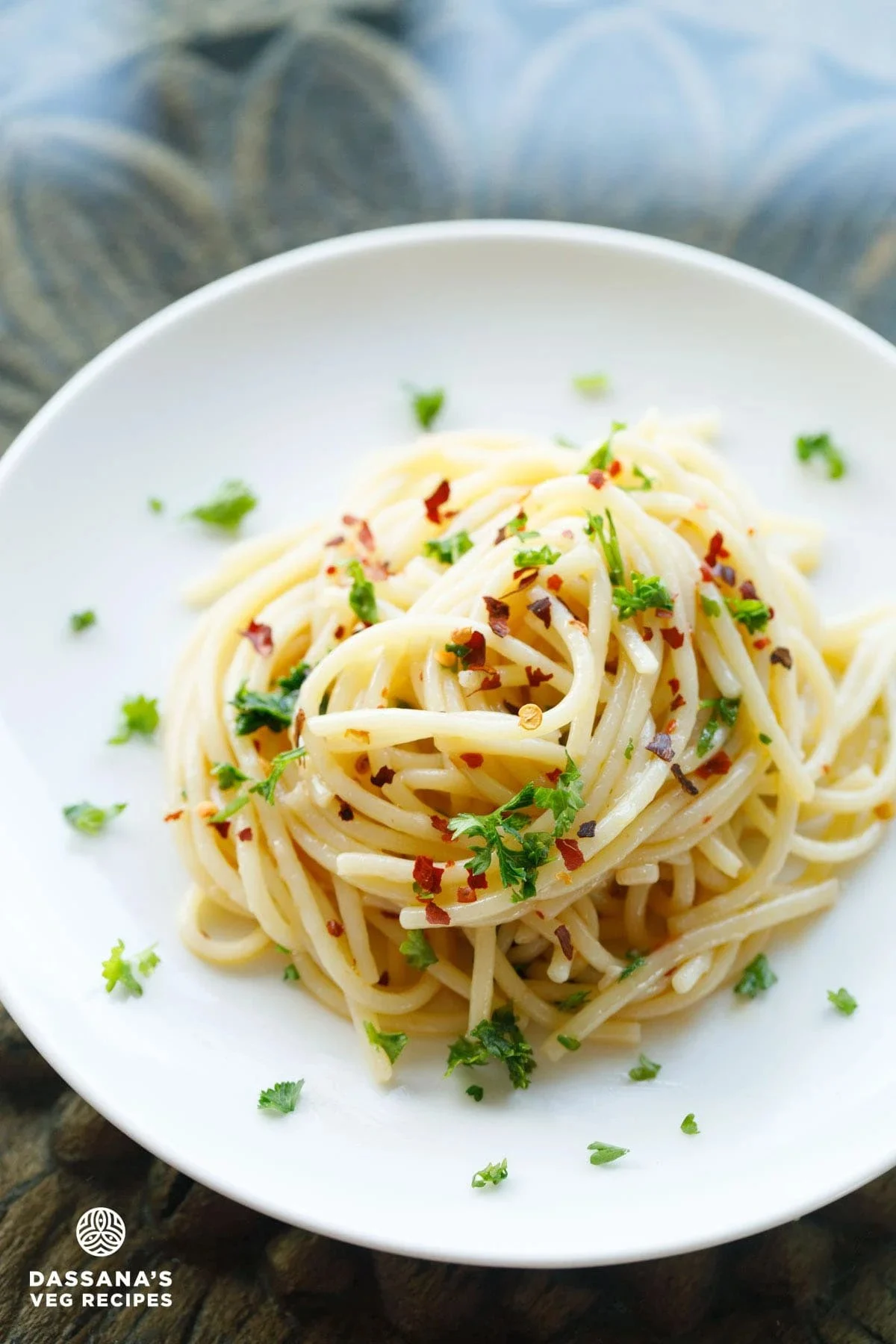
NAPLES, ITALY – In the pantheon of global gastronomy, few dishes represent the paradox of simplicity and sophistication as poignantly as Spaghetti Aglio e Olio. A cornerstone of Neapolitan cuisine, this "peasant dish" has transcended its humble origins to become a global benchmark for culinary skill. While it requires only five primary ingredients—spaghetti, garlic, extra virgin olive oil, red chili flakes, and parsley—the dish serves as a rigorous litmus test for a chef’s understanding of heat management, emulsification, and ingredient quality.
As modern culinary trends pivot back toward "minimalism" and "transparent sourcing," Spaghetti Aglio e Olio is experiencing a renaissance. What was once a quick midnight snack in Southern Italy is now a subject of intense study for food scientists and professional chefs alike, proving that in the world of high-end cooking, there is truly nowhere to hide when a recipe is stripped to its bare essentials.

I. Main Facts: The Anatomy of a Classic
Spaghetti Aglio e Olio is defined by its name, which literally translates to "spaghetti [with] garlic and oil." Originating from the Campania region of Italy, specifically Naples, it is the quintessential example of cucina povera (the kitchen of the poor). The objective of the dish is to create a luxurious, silky sauce without the use of cream, butter, or expensive proteins.
The Essential Components
To achieve the dish’s signature profile, each ingredient must perform a specific chemical and sensory role:

- The Pasta: Traditional durum wheat spaghetti provides the structural foundation. Its starch content is critical for the final sauce consistency.
- The Fat: Extra virgin olive oil (EVOO) acts as both the cooking medium and the primary flavor carrier.
- The Aromatics: Sliced or minced garlic (aglio) provides the pungent base, which transforms into a mellow sweetness when toasted correctly.
- The Heat: Dried red chili flakes (peperoncino) introduce a controlled capsaicin kick that cuts through the richness of the oil.
- The Freshness: Italian flat-leaf parsley adds an herbaceous brightness and visual contrast.
The dish is historically significant because it relies on shelf-stable pantry staples, making it accessible across socio-economic divides. Today, it remains a favorite for its 20-minute preparation time and its surprisingly complex flavor profile.
II. Chronology: From Neapolitan Streets to Global Tables
The history of Spaghetti Aglio e Olio is a timeline of Italian migration and the evolution of the Mediterranean diet.

18th and 19th Centuries: The Roots in Naples
The dish evolved as a variation of Vermicelli alla Borbonica. During this era, garlic and oil were the most affordable seasonings for the working class in Naples. While the wealthy enjoyed elaborate meat ragùs, the common folk relied on the "holy trinity" of garlic, oil, and chili.
The Late 20th Century: The Midnight Tradition
By the 1970s and 80s, the dish had cemented its place in Italian pop culture as the spaghettata di mezzanotte (midnight spaghetti). It became the go-to meal for friends returning home after a night out—quick to cook, satisfying, and requiring no prior grocery planning.

The 21st Century: The "Chef’s Choice"
In the last two decades, the dish has seen a shift in status. Famed chefs like Anthony Bourdain and Jon Favreau (in the film Chef) highlighted the dish as a sign of culinary maturity. It transitioned from a "last resort" meal to a gourmet staple found on the menus of Michelin-starred Italian restaurants, where the focus shifted from mere sustenance to the perfection of technique.
III. Supporting Data: The Science of the Perfect Emulsion
The primary challenge in Spaghetti Aglio e Olio is avoiding the "oily plate" syndrome. Journalistic investigations into culinary chemistry reveal that the secret to the dish lies in a process known as starch-based emulsification.

The Role of Pasta Water
Scientific analysis of the cooking process shows that "liquid gold"—the starchy water left behind after boiling pasta—is the most crucial additive. When extra virgin olive oil is combined with highly concentrated starch water and agitated over heat, it forms a temporary emulsion. This creates a light, creamy coating that clings to the spaghetti rather than pooling at the bottom of the bowl.
Temperature Control and the Maillard Reaction
Data suggests that garlic begins to lose its beneficial compounds and flavor integrity when heated above 175°C (350°F). Professional execution requires "cold-starting" the garlic in oil or using very low heat to slowly extract the essential oils. If the garlic reaches a dark brown or black state, it undergoes a chemical change that introduces a permanent bitter alkaloid, ruining the dish’s balance.

Nutritional Profile
Based on standard servings, the nutritional data for a traditional preparation (using approximately 6 tablespoons of olive oil for 250g of pasta) is as follows:
- Calories: 844 kcal per serving
- Total Fat: 44g (predominantly Monounsaturated Fats)
- Carbohydrates: 95g
- Protein: 17g
- Sodium: 2390mg (largely dependent on pasta water salinity)
While high in calories, the dish is rich in Vitamin K (125 µg) and heart-healthy monounsaturated fats, aligning with the core principles of the Mediterranean Diet, which has been linked to increased longevity and reduced cardiovascular risk.

IV. Official Responses: Expert Perspectives on Technique
Culinary experts and Italian gastronomes emphasize that while the recipe is simple, the margin for error is razor-thin.
The "Al Dente" Mandate
"The most common mistake home cooks make is overboiling the pasta in the initial stage," says Chef Dassana, a specialist in vegetarian Italian cuisine. "The spaghetti must be removed from the water 2 to 3 minutes before it reaches the al dente stage. It is designed to finish its cooking process in the pan, absorbing the garlic-infused oil and pasta water into its core. This is what gives the dish its deep flavor."

The Garlic Controversy
There is an ongoing debate among Italian traditionalists regarding the preparation of the garlic. Some argue for whole cloves that are removed after infusion (to provide a subtle aroma), while others insist on finely minced garlic for a robust, spicy punch. The consensus among modern professionals is that mincing provides a better surface-area-to-volume ratio for flavor extraction, provided the heat is kept strictly low.
The Quality of the Fat
The International Olive Council (IOC) notes that the flavor of an Aglio e Olio is entirely dependent on the polyphenols found in high-quality Extra Virgin Olive Oil. Using a refined "light" olive oil is discouraged by experts, as it lacks the peppery finish and fruity notes required to balance the pungent garlic.

V. Implications: Cultural Impact and Modern Trends
The enduring popularity of Spaghetti Aglio e Olio has significant implications for the future of the food industry and home cooking.
The Rise of "Pantry Cooking"
As global inflation impacts food prices, there has been a documented surge in "pantry-led" recipes. Spaghetti Aglio e Olio represents the gold standard of this movement. It empowers consumers to create restaurant-quality meals with a low financial barrier to entry, promoting a more sustainable and less wasteful approach to home dining.

Health and the Mediterranean Identity
The dish serves as a rebuttal to the "low-carb" trends of the early 2000s. By focusing on high-quality fats and complex carbohydrates, it reinforces the health benefits of the traditional Italian diet. The use of garlic and chili flakes also provides anti-inflammatory and metabolism-boosting properties, making the dish a functional food as much as a comfort food.
The Educational Value
For culinary students, mastering this dish is often a prerequisite for moving on to more complex sauces. It teaches:

- Patience: Waiting for the garlic to reach a pale gold.
- Observation: Watching the bubbles in the pan to judge the emulsion.
- Timing: Coordinating the pasta drainage with the oil’s temperature.
VI. Technical Execution: A Professional Protocol
For those seeking to replicate this Neapolitan icon, the following protocol is recommended by culinary authorities:
- Hydration and Salinity: Use 6 cups of water per 250g of pasta. The water should be seasoned with 1.5 teaspoons of salt to ensure the pasta is flavored from within.
- The "Under-Cook" Method: Boil the spaghetti but stop several minutes early. Do not rinse the pasta; the surface starch is vital for the sauce.
- Low-Temperature Infusion: Warm 6 tablespoons of EVOO in a pan. Add minced garlic. The goal is a gentle sizzle, never a hard fry.
- Residual Heat Management: Add red chili flakes only after the heat is turned off or lowered to the minimum. This prevents the delicate flakes from burning and turning acrid.
- The Emulsion Phase: Reintroduce the pan to low heat. Add 1/2 cup of reserved starchy water. Whisk or stir vigorously until the oil and water no longer appear separate.
- The Finish: Toss the spaghetti in the pan. Continue cooking until the liquid has reduced into a silky glaze. Finish with fresh parsley and a final toss.
Storage and Sustainability
While the dish is best served immediately to enjoy the peak of the emulsion, leftovers can be refrigerated for up to 24 hours. Reheating requires the addition of a splash of water to "reactivate" the starch and oil bond, preventing the pasta from becoming dry or brittle.

Conclusion
Spaghetti Aglio e Olio is more than a recipe; it is a culinary philosophy. It proves that the quality of one’s cooking is not defined by the number of ingredients used, but by the respect shown to each one. In an era of over-complicated flavors and processed shortcuts, the simple harmony of garlic, oil, and pasta remains a powerful reminder of the elegance of Italian tradition. Whether served as a quick weeknight dinner or a late-night feast among friends, it remains the ultimate testament to the mastery of minimalism.
