

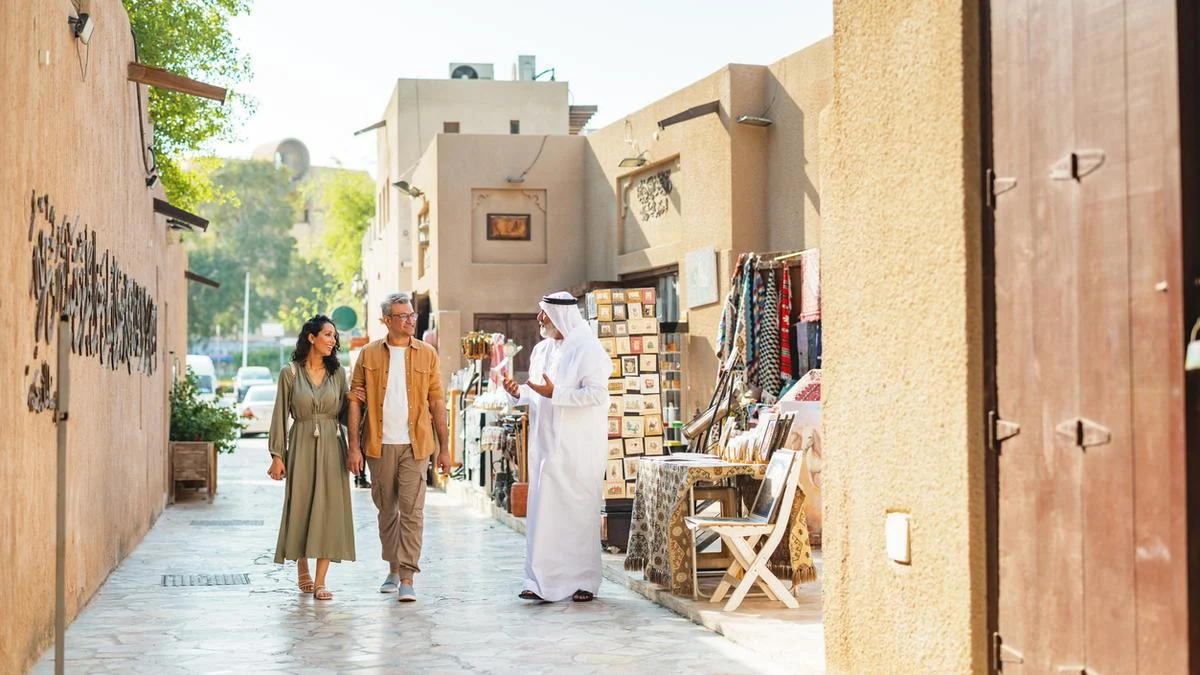
The geopolitical landscape of West Asia has long been a complex tapestry of rapid growth and sudden challenges. Recently, as regional conflicts sent ripples through the global aviation sector, Dubai—the world’s preeminent international transit hub—found itself at a critical juncture. While temporary closures at Dubai International Airport (DXB) caused logistical tremors felt as far as the Indian subcontinent, the emirate’s response has been characterized by a blend of tactical agility and long-term economic vision.
In an exclusive dialogue, Issam Kazim, CEO of the Dubai Corporation for Tourism and Commerce Marketing (DCTCM), outlined a strategy that transcends mere crisis management. By leveraging deep-rooted ties with primary markets like India and doubling down on the ambitious D33 Economic Agenda, Dubai is not just recovering; it is evolving.
Main Facts: A Fortress of Stability in a Volatile Region
Despite the headlines concerning regional instability, Dubai’s tourism and economic fundamentals remain robust. The city has successfully decoupled its "safety perception" from the broader regional narrative through transparent communication and a commitment to operational excellence.
Key highlights of Dubai’s current standing include:

- Record-Breaking Visitation: In 2025, Dubai welcomed a staggering 19.59 million international overnight visitors, setting a new historical record for the third consecutive year.
- Economic Momentum: The city’s GDP grew by 6.4% in the final quarter of 2025, reaching a total of AED 937 billion.
- The Indian Connection: India remains the cornerstone of Dubai’s tourism strategy. The relationship is bolstered by a massive diaspora, high-frequency flight connectivity from dozens of Indian cities, and a growing preference among Indian travelers for "VFR" (Visiting Friends and Relatives) and short-haul luxury getaways.
- Strategic Incentives: The Dubai government has injected AED 2.5 billion into the economy through targeted stimulus packages designed to protect the liquidity of the hospitality and tourism sectors.
According to Kazim, the shift in travel behavior is not a structural decline but a tactical adjustment. Travelers are opting for shorter booking lead times and demanding higher flexibility, a trend Dubai has met by diversifying its offerings and ensuring that public services, from the Metro to hospitality venues, remain unaffected by regional tensions.
Chronology: From Disruption to Strategic Recovery
The timeline of Dubai’s recent navigation through regional challenges reflects a proactive rather than reactive governance model.
Late 2025: The Peak of Performance
Dubai entered the period of regional tension from a position of unprecedented strength. The year 2025 was defined by the Dubai World Trade Centre (DWTC) hosting 401 major events, attracting nearly 3 million attendees. This period established the "Dubai model" as a global benchmark for MICE (Meetings, Incentives, Conferences, and Exhibitions) tourism.
Early 2026: Navigating the Ripple Effects
As conflict in West Asia intensified, aviation disruptions became unavoidable. Temporary closures at DXB impacted the high-volume corridor between the UAE and India. During this phase, the primary challenge was managing the "headline effect"—the gap between regional perceptions and the reality of safety on the ground in Dubai.

March 2026: The First Economic Intervention
Recognizing the potential strain on the private sector, the Dubai government approved a AED 1 billion incentive package. This package focused on immediate relief, including the full deferral of hotel sales fees and the suspension of the "Tourism Dirham" fee for three months, ensuring that hotel operators could maintain staffing levels and service quality.
May 2026: Expanding the Safety Net
A second, larger package of AED 1.5 billion was introduced. This expanded the scope of relief to 33 distinct initiatives, including fee exemptions for event organizers and tour operators through the end of 2026.
June 2026 and Beyond: Full Restoration
By early June, Emirates Airline had restored its network to over 135 destinations. The focus shifted toward the second half of the year, anchored by major events like Dubai Summer Surprises and the 10th anniversary of the Dubai Fitness Challenge.
Supporting Data: The Pillars of Economic Resilience
The resilience of Dubai’s tourism sector is supported by hard data that suggests the city is well on its way to achieving its D33 goals—a plan to double the size of Dubai’s economy by 2033.

1. Diversified Market Strategy
Dubai does not rely on a single region for its visitors. By drawing from over 80 source markets, the city mitigates the risk of a downturn in any one area. While India remains the top contributor, significant growth has been observed in Western Europe, the GCC, and South Asian markets.
2. MICE and Business Travel
The Dubai World Trade Centre remains a powerhouse. The 2.97 million attendees in 2025 represented a diverse mix of industries, from technology to healthcare. This "business-first" approach ensures that hotels maintain high occupancy rates even outside traditional holiday seasons.
3. Hospitality Liquidity
The AED 2.5 billion in stimulus packages were not just handouts; they were strategic maneuvers to protect "business liquidity." By exempting desert safari operators, tour guides, and event planners from licensing fees, Dubai ensured that the "on-the-ground" experience for tourists remained uncompromised by the financial pressures facing operators.
4. Infrastructure Investment
The scale of investment in Dubai’s future remains unmatched:

- Al Maktoum International Airport: A $35 billion expansion project aimed at making it the world’s largest aviation hub.
- Metro Expansion: The 42km Gold Line extension and the upcoming Blue Line (2029) are designed to link 15 new districts, further enhancing the "accessibility" factor that Kazim identifies as a key driver for tourism.
Official Responses: Insights from Issam Kazim
In his assessment of the current climate, Issam Kazim emphasizes that the "fundamentals" of the Dubai-India relationship are unshakable.
"Perception is often influenced by headlines," Kazim noted during his interview with The Hindu. "But what ultimately drives travel decisions is confidence in safety, accessibility, and value." He pointed out that while travelers are booking closer to their departure dates—a sign of caution—the intent to travel to Dubai remains high.
Kazim also highlighted the "integrated public-private ecosystem" as Dubai’s secret weapon. Unlike other global cities where government and industry may operate in silos, Dubai’s aviation, retail, and tourism sectors function in lockstep. This allowed for the rapid rollout of the "Dubai Info Hub" on WhatsApp, a tool used to provide real-time, fact-based information to travelers, effectively neutralizing misinformation during the height of the regional conflict.
"Our response is not reactive but deliberate," Kazim stated. "We are using data-driven insights to track shifts in demand and adjusting our outreach accordingly. We want Dubai to feel like a second home, particularly for our Indian visitors who share such deep cultural resonance with the city."

Implications: The Future of the Dubai Tourism Model
The implications of Dubai’s current strategy suggest a permanent shift in how global tourism hubs manage regional instability.
A New Standard for Digital Integration
Under the D33 Agenda, Dubai is moving toward a "digitally enabled" tourism sector. This involves using AI to personalize visitor experiences and blockchain to streamline travel logistics. The goal is to make the journey from an Indian city to a Dubai hotel as frictionless as possible.
Sustainability and Lifestyle
The 10th edition of the Dubai Fitness Challenge (October–November 2026) signifies a shift toward "wellness tourism." Dubai is no longer just a destination for shopping and skyscrapers; it is positioning itself as a global leader in active-lifestyle tourism. This appeals to a younger, more health-conscious demographic of Indian travelers.
Real Estate and Long-term Residency
The synergy between tourism and real estate is becoming more pronounced. Strong real estate transactions and the continued issuance of business licenses indicate that many "tourists" are transitioning into "residents" or "investors." The "VFR" (Visiting Friends and Relatives) segment is expected to grow as more Indian professionals take up residency in the emirate, creating a self-sustaining cycle of travel.

Conclusion
As Dubai looks toward the remainder of 2026 and the 2029 debut of the Metro Blue Line, the message from the emirate is clear: resilience is built through preparation, not just reaction. By maintaining a transparent dialogue with its largest markets and investing billions into infrastructure during times of uncertainty, Dubai is cementing its status as an indispensable node in the global travel network. For the Indian traveler, Dubai remains not just a destination, but a stable, accessible, and ever-evolving extension of home.
