

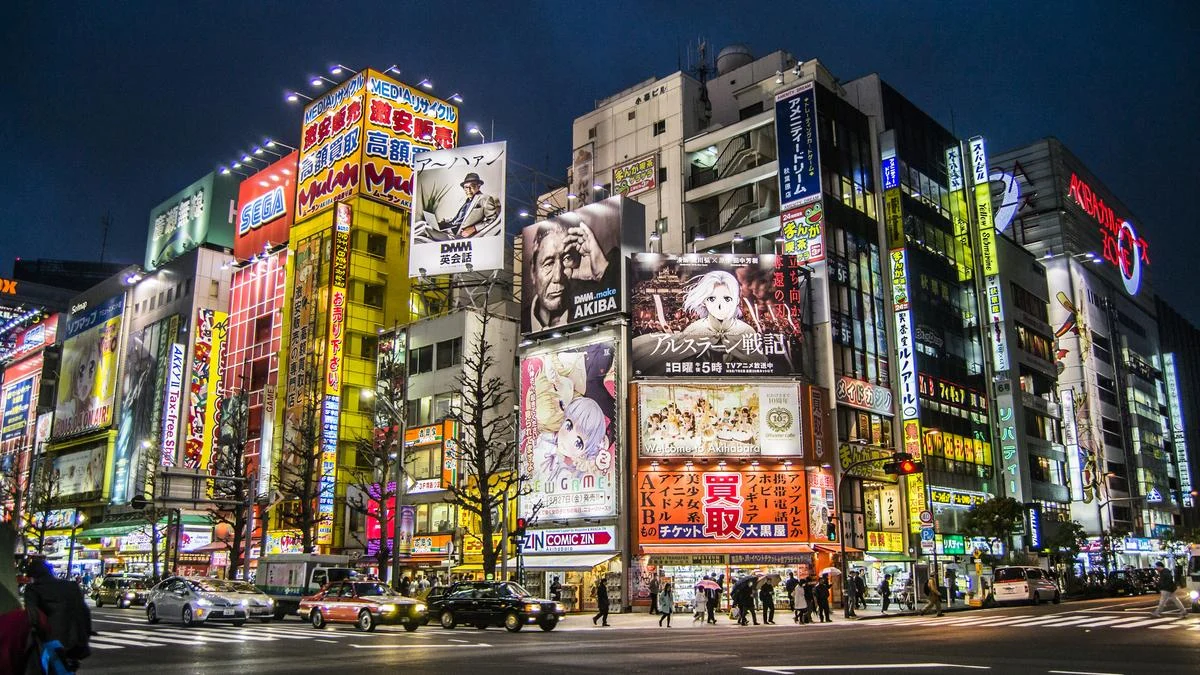
TOKYO – In the global hierarchy of metropolises, Tokyo remains a singular entity—a city that functions with the precision of a Swiss watch while vibrating with the raw energy of a high-intensity workout. For the modern traveler, Tokyo is often described as a "heartbeat after 40 minutes of cardio": elevated, charged, and undeniably alive. Yet, beneath the neon-lit frenzy of the world’s most populous metropolitan area lies a sophisticated tapestry of "laidback bliss" and quietude.
As Japan continues to see a record-breaking surge in international tourism—reaching 3.1 million visitors in March 2024 alone—the challenge for the time-constrained traveler is how to distill this sprawling megalopolis into a coherent 48-hour narrative. This report explores the intersection of luxury hospitality, traditional heritage, and the avant-garde culinary scene that defines the Tokyo experience.
I. Main Facts: The 48-Hour Strategic Itinerary
The concept of "Micro-Tourism" has gained traction in Tokyo, where efficient infrastructure allows visitors to pivot between centuries-old temples and Michelin-starred dining within minutes. This itinerary centers on the Otemachi financial district as a strategic hub, leveraging the elevated perspective of the Four Seasons Hotel Tokyo at Otemachi to provide a literal and metaphorical overview of the city.

The journey is structured around four pillars of Japanese appeal:
- Cultural Heritage: Exploring the Edo-period roots of Asakusa.
- Gastronomic Precision: From "vending machine" ramen to Michelin-starred French-Japanese fusion.
- Digital Innovation: Immersive art installations that redefine the museum experience.
- Retail Sophistication: The evolution of Ginza from a traditional district to a global fashion powerhouse.
II. Chronology: A Time-Stamped Deep Dive
Day 1: From Spiritual Roots to Digital Horizons
09:00 – The Otemachi Perspective
The day begins 39 floors above the financial district. The Four Seasons Otemachi serves as a vantage point where the "Prima Donna" of the Japanese landscape, Mount Fuji, often makes an appearance through floor-to-ceiling windows. The breakfast at Pigneto reflects Tokyo’s internationalism, offering a spread that ranges from traditional Japanese breakfast sets to Italian-inspired charcuterie and Thai delicacies.
11:00 – The Asakusa District: A Sensory Gateway
Stepping into Asakusa is a transition into Tokyo’s "Shitamachi" (old town). The 250-meter Nakamise Street serves as a commercial artery leading to the Senso-ji Temple. Here, the economy of "street eats" is on full display: yokan (sweet bean paste), ningyo-yaki (doll-shaped cakes), and eel buns. This district represents the survival of traditional craft in a digital age, where tourists and locals alike don kimonos and obis to navigate the crowded stalls.

12:00 – Senso-ji: The Ritual of Purification
Beyond the iconic Kaminarimon (Thunder Gate), which houses a 700-kilogram red lantern replaced every decade, lies Tokyo’s oldest temple. The ritualistic core of the visit involves the o-mikuji (fortune-telling) stalls and the central incense urn. The act of "washing" oneself in the smoke is a purification rite that has remained unchanged for centuries, offering a moment of spiritual grounding amidst the city’s secular rush.
14:00 – Tokyo Ramen Street: Underground Excellence
Beneath the thundering Shinkansen tracks at Tokyo Station lies "Tokyo Ramen Street," a curated collection of the city’s top noodle shops. At Hirugao, the process is a study in Japanese efficiency: patrons select their meal from a vending machine, receive a token, and wait. The signature chicken shio ramen—featuring eggs cured in premium tare sauce—exemplifies the "fast-casual" perfection that defines the local lunch hour.
16:00 – Kiyosumi Garden: The Landscape Aesthetic
To counter the "frenetic energy," the Kiyosumi Garden provides a masterclass in the Meiji-period strolling garden style. Centered around a massive pond with "iso-watari" (stepping stones), the garden features gnarly pines and ancient turtles. It represents the "pockets of peace" essential for urban survival in Tokyo.

19:00 – teamLab Planets: The Immersive Revolution
The evening transitions into the futuristic. teamLab Planets in Toyosu is an international art collective that blends science, technology, and nature. Visitors navigate the space barefoot, wading through knee-deep water filled with virtual koi fish and interacting with color-changing spheres. It is a sensory-overdrive experience that has become a global benchmark for digital art.
21:00 – Virtu: The Mixology of Terroir
The night concludes at Virtu, currently ranked among the top 50 bars in the world. Located on the 39th floor, the bar specializes in a fusion of French spirits and Japanese seasonal produce. A signature cocktail—incorporating fig, cognac, clarified milk, and Japanese black tea—serves as a liquid representation of Tokyo’s ability to blend Western technique with Eastern ingredients.
Day 2: The Architecture of Luxury and Locality
09:00 – The "Konbini" Culture
In a shift from luxury to the hyper-local, Day 2 explores the konbini (convenience store) phenomenon. Stores like FamilyMart are more than retail outlets; they are culinary institutions. The "Famichiki" (fried chicken) and creamy egg sandwiches have achieved cult status globally. For the traveler, the konbini offers a window into the daily high-speed life of the Tokyoite.

11:00 – The Imperial Palace: Modernist Grandeur
The residence of the Emperor of Japan, the Imperial Palace, is a bastion of Japanese Modernist architecture surrounded by Edo-period moats. While the inner grounds require guided tours, the 5-kilometer perimeter serves as the city’s premier jogging track, illustrating how historic spaces are integrated into modern health and lifestyle trends.
13:30 – The Afternoon Tea: Art on a Plate
At The Lounge (Four Seasons), the traditional British afternoon tea is reimagined through the lens of French Impressionism. The "Orsay Impressionist Exhibition" menu, crafted by Pastry Chef Michele Abbatemarco, features pastries inspired by Claude Monet and Pierre-Auguste Renoir. This segment highlights Tokyo’s obsession with "seasonal themes" and the aesthetic presentation of food.
17:00 – Ginza: The Retail Powerhouse
Ginza remains the pinnacle of Japanese shopping. From the "Nippon Made" collection at Onitsuka Tiger to the 12-story Uniqlo flagship (which includes a florist and a café), the district is a laboratory for retail innovation. Iconic department stores like Mitsukoshi and Matsuya continue to bridge the gap between vintage elegance and contemporary fashion-forward collections.

19:00 – Est: Michelin-Starred Emotion
Dinner at Est, a one-Michelin-star restaurant, showcases the philosophy of Chef Guillaume Bracaval. The name—standing for Emotion, Season, Terroir—reflects a commitment to 95% Japanese-sourced ingredients (Wagyu from Miyazaki, cheese from Hokkaido) prepared with French precision. The nine-course omakase is a testament to the "Artist-Chef" archetype prevalent in Tokyo’s high-end dining scene.
21:00 – Yurakucho Yokocho: The Liminal Space
The journey ends at Yurakucho Yokocho, a series of neon-lit alleys nestled under train tracks. These izakayas (informal bars) specialize in umeshu (plum liqueur) and short eats. It is here, amidst the rumble of overhead trains and the tart sweetness of fruit wine, that the "heartbeat" of Tokyo is most palpable.
III. Supporting Data: The Economics of Tokyo Tourism
The viability of a 48-hour Tokyo itinerary is supported by several key metrics:

- Transportation Efficiency: The Tokyo subway system and JR lines maintain a 99% on-time rate, allowing for precise scheduling of multi-district visits.
- Dining Density: Tokyo holds more Michelin stars than any other city in the world (over 180 in the 2024 guide), making high-quality dining accessible in nearly every ward.
- Tourism Recovery: According to the Japan National Tourism Organization (JNTO), spending by international visitors reached a record 5.3 trillion yen in 2023, with a significant portion allocated to "experience-based" tourism like teamLab and traditional tea ceremonies.
IV. Industry Perspectives: The Philosophy of the "Host"
In an interview regarding the city’s hospitality evolution, Chef Guillaume Bracaval of Est noted that the modern Tokyo culinary scene is no longer just about replicating French or Italian classics. "A good chef has to think like an artist and a bridge," Bracaval stated. "We take the terroir of Japan—the specific soil of Shizuoka or the waters of Hokkaido—and apply a global technique to create something entirely new."
Management at the Four Seasons Otemachi emphasized that luxury in Tokyo is increasingly defined by "vantage and access." The ability to provide a guest with a view of both the Imperial Palace (tradition) and the Otemachi skyscrapers (future) is the core value proposition of the city’s high-end hotel sector.
V. Implications: The Future of the Urban Micro-Trip
The 48-hour Tokyo model suggests a shift in how global cities are consumed. As remote work and "bleisure" (business + leisure) travel increase, the demand for high-density, sensory-rich itineraries is rising.

Tokyo’s success in this sector provides a blueprint for other metropolises:
- Integration of Infrastructure: Utilizing transit hubs (like Tokyo Station) as culinary and retail destinations.
- Digital Integration: Using immersive technology (teamLab) to revitalize industrial or waterfront spaces.
- Cultural Preservation: Maintaining the "Shitamachi" identity to provide a necessary contrast to modern glass-and-steel architecture.
For the traveler, Tokyo remains a city that must be "devoured sensorially." Whether through a 40-minute cardio-like rush or a quiet moment in a Meiji-era garden, the city proves that 48 hours is not just a duration, but a profound immersion into the possibilities of modern urban life.
