

Main Facts: A City Defined by Sea and Soil
Boston, Massachusetts, often referred to as the "Cradle of Liberty," is currently undergoing a significant cultural and culinary renaissance. While historically celebrated for its pivotal role in the American Revolution, the city has recently stepped onto the global stage as a host for seven matches of the FIFA World Cup 2026, including a high-stakes quarter-final. This international spotlight has illuminated a food scene that is both deeply rooted in New England tradition and increasingly influenced by a sophisticated, global palate.
The quintessential Bostonian culinary experience remains anchored by two iconic dishes: the New England clam chowder and the lobster roll. However, as the city prepares for an influx of international visitors, the narrative of its food scene is expanding. From the historic cobblestones of the Union Oyster House—the oldest continually operating restaurant in the United States—to the chic, Art Deco heights of Contessa in Back Bay, Boston offers a spectrum of flavors that mirror its journey from a colonial outpost to a modern metropolitan hub.
Guided by local experts and Michelin-honored chefs, this exploration of Boston’s gastronomy reveals a city that is as much about its "bench-opened" oysters and buttery Connecticut-style lobster rolls as it is about its vibrant immigrant communities and innovative fine dining.

Chronology: From Harvard Square to the Harborside
The journey into the heart of Boston’s food culture typically begins where the city’s intellectual and historical threads intertwine.
The Traditional Warm-up at Harvard Square
In the crisp, chilly air of a Boston autumn, the first stop for many is Cambridge. At Harvard University, the ritual of rubbing the boot of the John Harvard statue for good luck precedes a visit to Harvest. Located in the heart of Harvard Square, Harvest serves as a sanctuary for New England’s agricultural bounty. The restaurant’s philosophy centers on the celebration of local farmers and purveyors.
The chronology of a Boston meal often starts with the New England Clam Chowder. At Harvest, this dish is elevated beyond its "comfort food" status. The kitchen produces a rich, velvety base of cream and potatoes, punctuated by the saltiness of bacon and the aromatic freshness of leeks and celery. It is a dish designed for the city’s temperamental weather—a warm, savory embrace that sets the stage for the seafood-heavy explorations to follow.

The Waterfront Experience: Legal Sea Foods
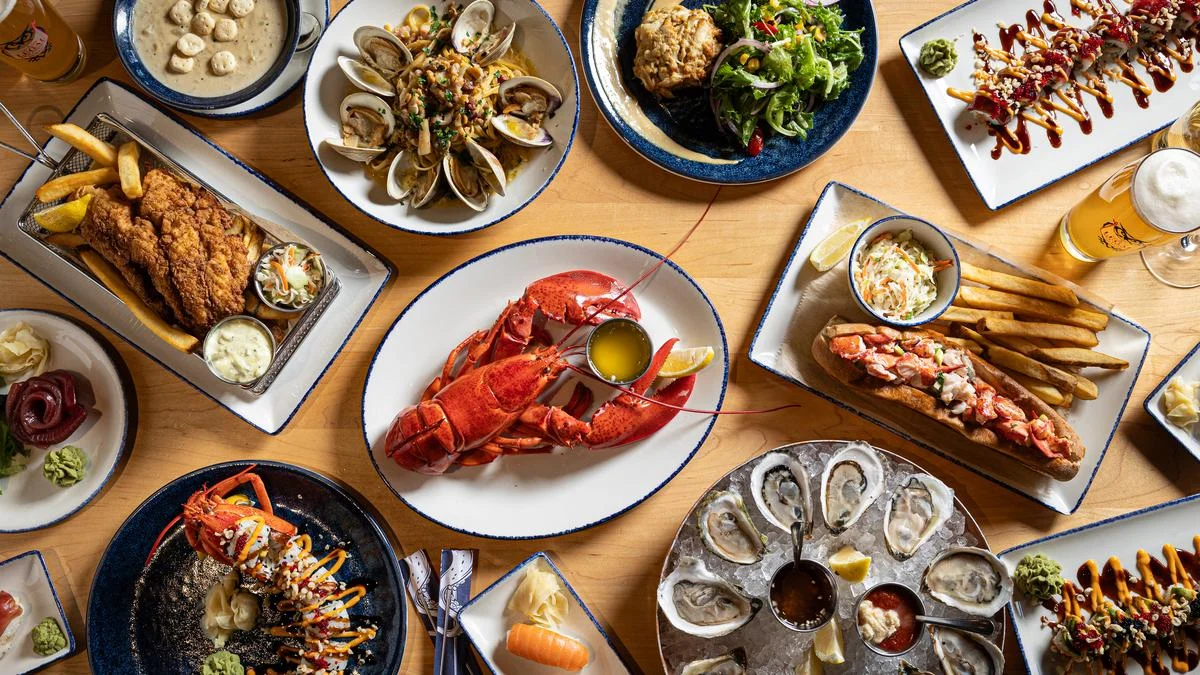
Moving from the academic enclave of Cambridge to the city’s bustling waterfront, the narrative shifts to the Atlantic itself. Legal Sea Foods, specifically its flagship Harborside location, offers a panoramic view of the Boston skyline through expansive French windows. Here, the focus is on the raw bar and the technical nuances of the lobster roll.
The restaurant serves as a classroom for the two competing philosophies of the lobster roll:
- Maine Style: Chilled lobster meat tossed lightly in mayonnaise, served in a cold roll.
- Connecticut Style: Warm, succulent chunks of lobster glistening with clarified butter, served in a toasted, split-top bun.
For the modern traveler, the Connecticut version often wins out for its sheer decadence. At Legal Sea Foods, the locally sourced lobster is treated with a minimalist reverence, ensuring the sweetness of the meat is the protagonist, supported by the crunch of a perfectly toasted roll.

The Historic Landmark: Union Oyster House
As the day progresses, the journey leads into the historic center of the city to the Union Oyster House. Designated as a National Historic Landmark, this establishment has been serving diners since 1826. It represents the "living museum" aspect of Boston’s culinary identity.
Diners here sit in the same booths once occupied by American presidents. The most famous of these is Booth 18, the preferred Sunday noon spot of John F. Kennedy. The chronology of a meal here is a step back in time: freshly shucked oysters from the semi-circular bar (launched in 1897), followed by oversized prawn cocktails and the restaurant’s legendary, crumbly cornbread.
The Modern Apex: Contessa
The final leg of the journey ascends to the rooftop of The Newbury hotel. Contessa, a grand trattoria designed by Ken Fulk, represents the pinnacle of Boston’s contemporary dining scene. With its pink banquettes and fresh roses, the atmosphere evokes a Wes Anderson-esque aesthetic. The menu here bridges the gap between New England ingredients and Italian technique, exemplified by the spicy lobster Capellini—a dish that has become one of the most sought-after orders in the city.

Supporting Data: The Economics and Art of the New England Kitchen
The vitality of Boston’s food scene is backed by impressive logistical and culinary data.
The Cornbread Phenomenon: At the Union Oyster House, manager John Paul notes the staggering volume of their daily operations. The restaurant, which can seat 500 diners at a time, remains consistently at capacity. To satisfy the demand for their signature cornbread, the kitchen processes hundreds of pounds of cornmeal daily. This high-volume output is a testament to the enduring appeal of traditional American staples in a city that is rapidly modernizing.
The Lobster Market: Boston’s reliance on locally sourced lobster is not merely a matter of taste but a significant economic driver. The "Connecticut style" roll, which requires high-quality butter and precise temperature control, showcases the premium placed on Atlantic catches. At places like Contessa, the integration of Maine lobster into Italian pasta dishes (like the Capellini with Calabrian chili and tomato cream) demonstrates how a local commodity is being repositioned for a luxury market.

The FIFA Impact: The selection of Boston (and specifically the Boston Stadium/Gillette Stadium in Foxborough) as a 2026 World Cup venue has necessitated a massive scaling up of the hospitality sector. This includes not just the high-end trattorias of Back Bay but also the diverse, independent eateries that define the city’s neighborhoods.
Official Responses: Insider Perspectives on the "Real" Boston
To understand the city beyond the tourist brochures, one must look to its culinary leaders. Chef Carl Dooley, the creative force behind the Michelin-recommended Mooncusser, provides a professional lens on the city’s evolving identity.
According to Dooley, visitors often make the mistake of focusing solely on the city’s colonial history while overlooking its modern innovation and diverse immigrant-led food scenes.

"Visitors come here for history, but then hopefully they realize the innovation, the arts, and definitely the food scene while here," Dooley states. He points toward East Boston as a neglected gem, specifically recommending La Reina for its authentic Salvadoran pupusas. "It’s amazing what is going on in East Boston with the community and the food scene—and those views are unbelievable."
Dooley also highlights the importance of the Caribbean influence in the city, pointing to Singh’s Roti Shop in Dorchester as the gold standard for Trinidadian carry-out, specifically their goat curry and Doubles.
For an underrated experience, Dooley suggests a "Blue Bike" ride along the Charles River, traveling from the Esplanade to Cambridge for lunch in Central Square. This perspective shifts the narrative of Boston from a static "museum city" to a dynamic, breathable urban environment.

Furthermore, he identifies Allston as the neighborhood tourists most frequently overlook. With its "Brooklyn vibe," dive bars, and exceptional Korean BBQ, Allston represents the youthful, independent spirit of the city that exists away from the polished marble of the historic districts.
Implications: The Future of the "Cradle of Liberty"
The evolution of Boston’s culinary scene has profound implications for its future as a global destination.
First, there is the balancing act between preservation and progress. The success of the Union Oyster House proves that there is a permanent market for "living history." However, the difficulty in securing a reservation at Contessa suggests that the future of Boston tourism lies in "experiential luxury"—dining that offers a sense of place through views and aesthetics as much as through the menu.

Second, the diversification of the "Boston Brand." For decades, the city was marketed almost exclusively through its Revolutionary War ties. The 2026 World Cup serves as a pivot point. By showcasing neighborhoods like Allston and East Boston, the city is signaling that it is ready to be viewed as a multicultural hub. The inclusion of Salvadoran, Trinidadian, and Korean influences in the local "comfort food" lexicon suggests a city that is finally embracing its contemporary demographics.
Finally, the resilience of the seafood industry. Despite global supply chain fluctuations, Boston’s commitment to "pier-to-plate" dining remains its strongest selling point. Whether it is a 44-pound stuffed lobster on display at a historic bar or a delicate plate of briny oysters on the waterfront, the sea remains the city’s greatest resource.
As visitors continue to flock to the Boston Stadium and the Freedom Trail, they will find a city that is no longer content to just tell stories of the past. Through its buttered rolls, spicy pastas, and neighborhood roti shops, Boston is writing a new, delicious chapter in the American story. The "Cradle of Liberty" has become a cradle of culinary innovation, proving that even the most historic cities can find fresh ways to satisfy the modern appetite.
