

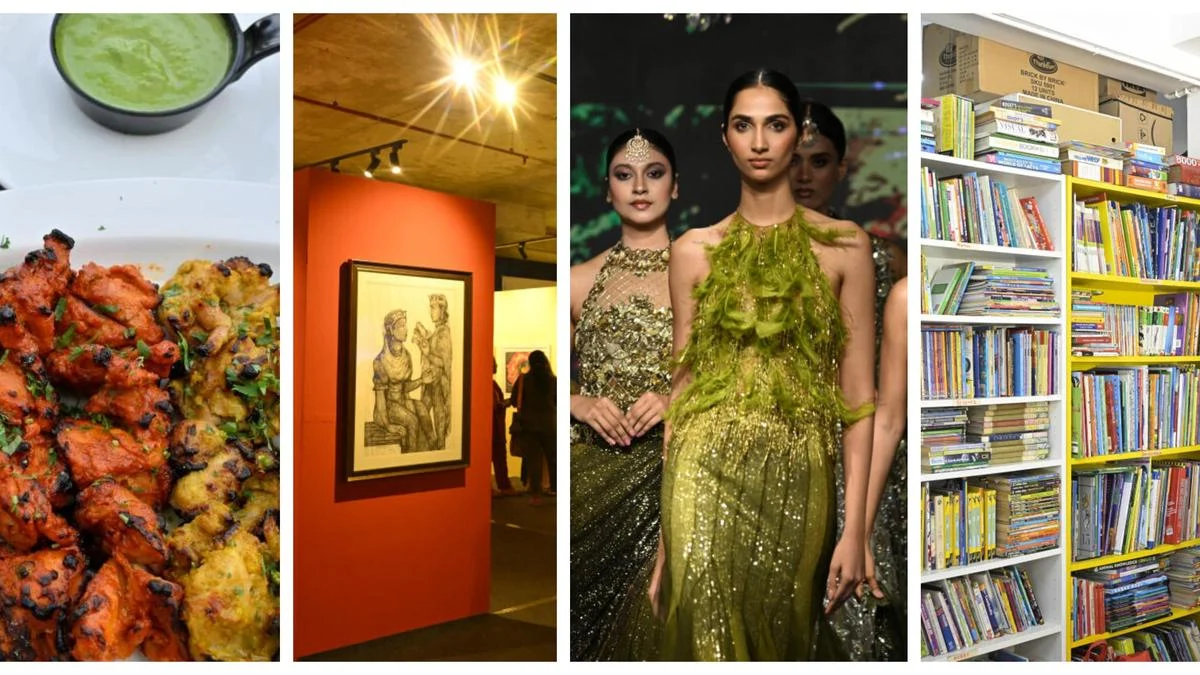
New Delhi, December 27, 2025 – As the curtain draws on 2025, India’s vibrant and ever-evolving landscape of art and design stands at a fascinating juncture. This year has been a testament to innovation, a celebration of heritage, and a bold step towards a more sustainable and conscious future. From the intricate weaves of fashion to the nuanced flavors on our plates, from the hum of evolving automotive trends to the quiet sanctuary of our homes, 2025 has offered a rich tapestry of creative expression. This comprehensive retrospective delves into the dominant forces that shaped India’s creative ecosystem, identifying key trends, soliciting insights from leading experts, and forecasting the shifts that will define the year ahead.
Dominant Threads: Weaving Sustainability and Heritage into India’s Creative Fabric
The year 2025 has undeniably been a watershed moment for craft-focused fashion that champions native design principles and embraces sustainability as a core tenet. The fashion scene, in particular, has witnessed a powerful resurgence of traditional Indian artistry, reinterpreted through a modern, conscious lens. Designers have moved beyond mere aesthetic appeal, delving deeper into the stories embedded within textiles, the ancestral knowledge of weaving techniques, and the ethical sourcing of materials.
H3: The Rise of Conscious Couture: A Deep Dive into Sustainable Fashion
This year, sustainability in fashion has transcended a mere buzzword to become a fundamental philosophy. We’ve seen a significant shift from fast fashion towards mindful consumption, with consumers increasingly seeking garments that are not only beautiful but also ethically produced and environmentally responsible. This movement has been spearheaded by designers who are actively collaborating with artisan communities, empowering them and preserving traditional crafts.
- Craftsmanship as Currency: The intricate hand-embroidery of Gujarat, the rich silks of Banaras, the natural dyes of Rajasthan – these have all experienced a renaissance. Designers have recognized that the true value of Indian fashion lies in its unparalleled craftsmanship. Collections showcased at major fashion weeks have prominently featured handwoven textiles, block prints, and artisanal embellishments, often accompanied by detailed narratives about the provenance of the materials and the artisans involved.
- The Eco-Chic Revolution: Natural fibers like organic cotton, linen, and hemp have seen a surge in popularity. Furthermore, innovative techniques involving recycled materials and upcycled fabrics are gaining traction. Brands are investing in research and development to minimize their environmental footprint, from water conservation in dyeing processes to reducing waste in production. Transparency in the supply chain has become paramount, with consumers demanding to know the journey of their garments from farm to closet.
- Cultural Preservation Through Design: Beyond sustainability, 2025 has been a year of celebrating India’s diverse cultural heritage. Designers have drawn inspiration from regional motifs, historical aesthetics, and traditional silhouettes, infusing them with contemporary relevance. This has not only created unique and compelling fashion statements but has also played a crucial role in preserving and promoting indigenous art forms that were at risk of fading away.
H3: Expert Voices: Navigating the Shift in Habits
To understand the deeper implications of these trends, we sought insights from leading figures across various creative disciplines. Their perspectives offer a roadmap for both individuals and the industry as they prepare for the future.
- Fashion Designer Anya Sharma: "In 2025, we saw a growing awareness of the environmental and social impact of our fashion choices. I believe the habit to let go of in 2026 is the ‘buy now, discard later’ mentality. We need to cultivate a more intentional approach to our wardrobes, investing in pieces that are timeless, versatile, and ethically made. The habit to adopt is a deeper appreciation for the craftsmanship and the stories behind our clothes."
- Culinary Innovator Chef Vikram Rao: "The culinary world in 2025 was about rediscovering authentic flavors and embracing local produce. We need to let go of the over-reliance on imported ingredients and embrace the incredible diversity of Indian agriculture. The habit to adopt in 2026 is a greater emphasis on plant-based cuisines and a conscious effort to reduce food waste in our kitchens. It’s about cooking with intention and respect for the ingredients."
- Interior Designer Priya Kapoor: "Home design in 2025 moved towards creating spaces that are both functional and soul-soothing. The habit to shed in 2026 is the clutter and the impulse to fill every space with more ‘things.’ We need to embrace minimalism and curate our homes with pieces that have meaning and purpose. The habit to cultivate is creating sanctuaries that promote well-being and connect us with nature, perhaps through the integration of natural materials and biophilic design principles."
Culinary Chronicles: A Year of Delectable Discoveries and Evolving Palates
The food space in 2025 has been a vibrant exploration of taste, tradition, and innovation. Chefs across India have been pushing boundaries, revisiting heritage recipes, and embracing global influences while staying rooted in local flavors.
H3: The Best Bites of 2025: A Chef’s Culinary Compendium
We asked some of India’s most acclaimed chefs to share their most memorable culinary experiences of the year, offering a glimpse into the evolving gastronomic landscape.
- Chef Meena Iyer (Mumbai): "For me, the standout meal of 2025 was a humble thali in a small village in Kerala. The simplicity of the flavors, the freshness of the ingredients – it was a profound reminder of the essence of Indian cuisine. The coconut-based curries, the perfectly cooked rice, the tangy pickles – each element was a testament to generations of culinary wisdom."
- Chef Rohan Gupta (Delhi): "I had an unforgettable experience with a modern interpretation of Awadhi biryani in Lucknow. The chef had managed to elevate a classic dish with subtle, innovative twists while retaining its soul. The slow-cooked lamb, the aromatic spices, the perfectly separated grains of rice – it was a symphony of textures and flavors."
- Chef Anjali Singh (Bengaluru): "My most cherished meal was a meticulously crafted tasting menu that showcased the best of South Indian vegetarian cuisine. It was a celebration of local vegetables, fermented grains, and unique spice blends. The chef’s creativity in transforming simple ingredients into extraordinary dishes was truly inspiring."
H3: The Ascendancy of Cafe Culture and Culinary Trends
Beyond fine dining, 2025 has witnessed the continued flourishing of India’s cafe culture. Cafes have evolved from mere coffee shops to vibrant community hubs, offering artisanal brews, innovative snacks, and a relaxed ambiance for work and social gatherings.
- Specialty Coffee Takes Root: The demand for ethically sourced, single-origin coffee beans and expertly brewed beverages has soared. Cafes are now focusing on the provenance of their coffee, with baristas acting as knowledgeable guides to the nuances of different beans and brewing methods.
- The Rise of Plant-Based Delights: Mirroring the global trend, plant-based options have become a staple in cafe menus, moving beyond simple salads to include creative vegan pastries, dairy-free milk alternatives, and hearty vegan main courses.
- Fusion Flavors and Experimental Bites: Chefs and cafe owners are increasingly experimenting with fusion cuisines, blending Indian flavors with international culinary techniques. This has led to exciting innovations in snacks, small plates, and even desserts, catering to the adventurous palate of the modern Indian consumer.
Beyond the Plate: Automotive, Home, and Literary Landscapes
The creative currents of 2025 extend far beyond fashion and food, influencing how we move, where we live, and what we consume intellectually.
H3: Automotive Trends: The Road Ahead is Electric and Connected
The automotive sector in 2025 has been characterized by a decisive shift towards electric vehicles (EVs) and the increasing integration of smart technology.
- EV Adoption Accelerates: Government incentives, a growing charging infrastructure, and a wider range of affordable EV models have significantly boosted adoption rates. Consumers are increasingly recognizing the environmental and economic benefits of electric mobility.
- The Connected Car Experience: In-car infotainment systems have become more sophisticated, offering seamless integration with smartphones, advanced navigation, and over-the-air software updates. The focus is on creating a connected and personalized driving experience.
- Sustainability in Manufacturing: Automakers are also paying greater attention to sustainable manufacturing practices, exploring the use of recycled materials in vehicle production and reducing the carbon footprint of their factories.
H3: Home Interiors: Comfort, Conscience, and Connection
The way we design our living spaces in 2025 has been deeply influenced by a desire for comfort, a growing consciousness about sustainability, and the need for spaces that foster connection.
- Biophilic Design Takes Center Stage: Bringing the outdoors in has become a key trend, with an emphasis on natural light, indoor plants, and the use of natural materials like wood, stone, and bamboo. This creates calming and rejuvenating living environments.
- Minimalism with a Soul: While minimalist aesthetics remain popular, there’s a growing appreciation for curated spaces that tell a story. Instead of mass-produced items, consumers are opting for unique, handcrafted pieces that add character and personality to their homes.
- Smart Home Integration for Well-being: Smart home technology is being increasingly adopted not just for convenience but also for enhancing well-being. Features like smart lighting that mimics natural circadian rhythms and smart thermostats that optimize energy efficiency are becoming more common.
H3: Literary Currents: Books That Illuminate and Inspire
The literary world in 2025 has offered a diverse range of narratives, reflecting a growing appetite for stories that explore complex themes and diverse perspectives. We asked influential figures about the books that resonated with them this year.
- Historian Dr. Anjali Verma: "I found myself deeply engrossed in ‘The Silk Road Chronicles’ by a new author. It offered a fresh perspective on ancient trade routes and the cultural exchange they facilitated, reminding us of the interconnectedness of our past. It’s a testament to how historical narratives can be revitalized."
- Social Activist Rohan Mehra: "The book that profoundly impacted me in 2025 was ‘Voices from the Margins,’ a collection of personal essays by individuals from marginalized communities. It was a powerful and necessary read, highlighting issues of social justice and the importance of empathy. It truly underscored the need to amplify unheard voices."
- Tech Entrepreneur Priya Sharma: "I was captivated by ‘The Algorithmic Soul,’ a speculative fiction novel that explores the ethical implications of artificial intelligence. It made me think critically about the future of technology and its impact on humanity, prompting vital conversations about our relationship with machines."
H3: Books Exploring Diverse Themes and Narratives
Beyond individual recommendations, 2025 saw a significant publishing trend towards books that delve into diverse themes and narratives, reflecting a more inclusive and multifaceted society.
- Representation Matters: There was a notable increase in books by authors from underrepresented communities, exploring themes of identity, belonging, and cultural heritage. This has enriched the literary landscape and provided a platform for voices that were previously unheard.
- Climate Change and Environmentalism: With growing global concern, books that address environmental issues, climate change, and sustainable living have gained prominence, inspiring readers to consider their role in protecting the planet.
- Mental Health and Well-being: The conversation around mental health has continued to flourish, with a rise in literature that explores psychological well-being, mindfulness, and self-care, destigmatizing these crucial aspects of human experience.
Looking Ahead: Habits to Cultivate for a Thriving 2026
As we transition into 2026, the insights gleaned from 2025 offer a clear direction for growth and positive change. The dominant themes of sustainability, conscious consumption, cultural appreciation, and technological integration are set to intensify.
H2: Embracing a Future of Intentionality and Innovation
The year 2025 has served as a powerful reminder that creativity thrives when it is grounded in purpose and responsibility. The habits we choose to adopt and shed in the coming year will undoubtedly shape the trajectory of India’s creative landscape.
H3: Cultivating Conscious Choices: The trend towards mindful consumption will only deepen. In fashion, this means investing in quality over quantity, embracing second-hand and vintage, and supporting brands with ethical and sustainable practices. In food, it translates to prioritizing local, seasonal produce, minimizing waste, and exploring plant-based alternatives. In our homes, it means curating spaces with intention, choosing durable and sustainable furnishings, and embracing a less-is-more philosophy.
H3: Fostering Cultural Dialogue: The appreciation for India’s rich heritage will continue to be a driving force. This involves actively supporting artisans, engaging with traditional art forms, and celebrating the diverse cultural narratives that make India unique. In literature, it means seeking out stories that challenge our perspectives and broaden our understanding of the world.
H3: Embracing Technological Evolution Responsibly: The integration of technology in our lives will accelerate. In the automotive sector, the transition to electric and connected vehicles will become mainstream. In our homes, smart technology will offer enhanced convenience and well-being. The key will be to embrace these advancements with a critical eye, ensuring they serve to improve our lives without compromising our values or the environment.
H3: Prioritizing Well-being and Connection: As the pace of life continues to quicken, creating spaces and routines that foster mental and emotional well-being will be paramount. This includes designing homes that are sanctuaries of peace, nurturing relationships, and engaging with activities that bring joy and fulfillment.
In conclusion, 2025 has been a year of significant creative momentum in India. By reflecting on the dominant trends and embracing the forward-looking habits, we can ensure that 2026 continues this trajectory of innovation, sustainability, and a profound appreciation for the richness of Indian culture and design. The future of India’s creative crucible is not just about what we make, but how we make it, and the impact it has on our world.
