


The echoes of India’s Women’s World Cup triumph on November 2nd reverberate far beyond the celebratory roar of the crowd at DY Patil Stadium. Captain Harmanpreet Kaur and her determined squad have not merely lifted a coveted trophy; they have fundamentally reshaped the landscape of women’s cricket in India, igniting a fervor and establishing a tangible trajectory for the sport’s future. The sheer scale of engagement, from packed stadiums to unprecedented digital viewership, signals a profound and permanent alteration in the nation’s sporting consciousness.
The Unignorable Tide: Numbers Don’t Lie
The assertion that "something fundamentally changed in this country forever" might initially be dismissed as hyperbole. However, the accompanying statistics paint an undeniable picture of a paradigm shift. The final match, witnessed by an estimated 40,000 fervent fans at the DY Patil Stadium in Navi Mumbai, also captivated an astounding 185 million viewers on JioHotstar. This surge in viewership is not an isolated phenomenon but a testament to the growing, and now undeniable, interest in women’s cricket.
Sharadha Sridharan, a BCCI-accredited cricket coach based in Chennai, attests to this burgeoning enthusiasm. "Through the breadth of the tournament, several fans, including men who coach, asked me who would make for the best 11 players on the day of the final," she shared. "An interest like this has never been shown before." This sentiment is echoed by Prithi Ashwin, who spearheads the Gen-Next Cricket Institute in Chennai. "I have been inundated with calls throughout the duration of the World Cup," she reported, noting, "At least six to seven calls since the win this morning." This deluge of inquiries and engagement underscores a dramatic increase in public consciousness and a desire to be part of the narrative.
A Legacy of Support: From Grassroots to the Global Stage
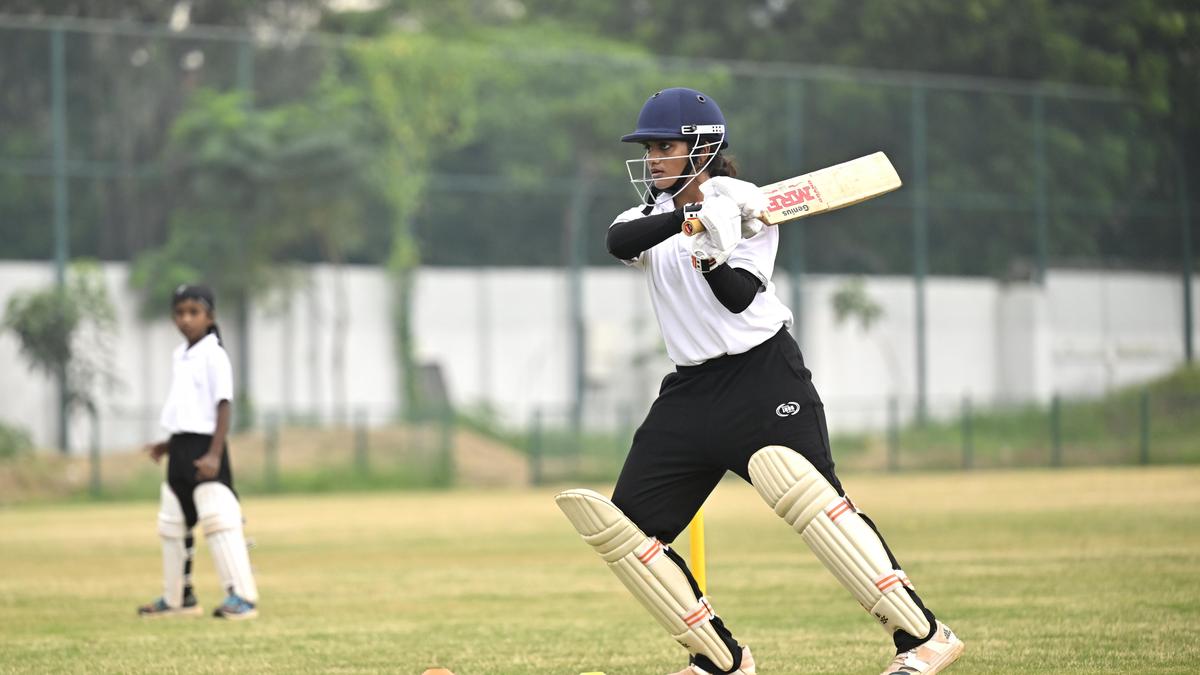
The burgeoning success of women’s cricket in India is not an overnight miracle. Stakeholders across the cricketing fraternity point to a significant and sustained rise in the number of women participating in the sport, particularly since 2017. This growth has been significantly bolstered by the proactive initiatives of the Board of Control for Cricket in India (BCCI) and the Tamil Nadu Cricket Association (TNCA). The establishment of academies and the sponsorship of players and their coaching have transformed cricket from a distant dream into a viable and aspirational career path for countless young women aspiring to wear the coveted Indian jersey.
Overcoming Resource Constraints: A New Era of Opportunity
The notion of a "resource crunch" for women’s cricket is rapidly becoming a relic of the past. Data from the TNCA reveals a remarkable 38% increase in the number of women appearing for selections, from 472 across districts in the 2022-2023 season to a robust 770 in the latest 2025-2026 season. While there was a slight dip in numbers in the 2024-2025 season, from 725 to 700, the upward trend has demonstrably resumed. This statistical growth is a clear indicator of increased participation and a more structured pathway for aspiring cricketers.
The Turning Point: 2017 and the Spark of Inspiration
The year 2017 is widely recognized as a pivotal moment that sowed the seeds for this nationwide resurgence. The Indian women’s team’s journey to the World Cup final against England at Lord’s, despite a heartbreaking nine-run loss, captured the imagination of millions. For the first time, a significant segment of the Indian populace truly acknowledged and celebrated women playing professional cricket.
"The following summer, in 2018, we noticed a clear uptick," recalls Prithi Ashwin. "Our summer camp that year had more girls registering than ever before. It felt like a movement was quietly taking shape. The pandemic paused things for a while, but from 2021 onwards, we’ve seen steady momentum again. What’s beautiful now is that the interest isn’t just from older teenagers chasing State caps. We’re seeing younger age groups, even eight-year-old girls walking in with their parents. That’s where the future of women’s cricket truly lies." This generational shift in aspiration is a testament to the power of visible role models and a growing acceptance of cricket as a legitimate pursuit for girls.
The subsequent establishment of the Women’s Premier League (WPL) in 2023 further solidified this burgeoning movement. Despite facing initial trolling in its inaugural edition, the WPL has become a crucial platform for showcasing talent, generating revenue, and providing a professional ecosystem for women cricketers.

Widening the Talent Pool: From Districts to National Recognition
The impact of this newfound attention and support is palpable at the selection level. Former Indian captain Sudha Shah, now a selector, notes a stark contrast to earlier times. "There was once a time when people had no idea about the team having reached the finals in 2005 in South Africa," she states. "Now though, times have changed and the selection pool of players has increased. Earlier, elimination was the name of the game. Now however, quality players from across Tamil Nadu are being scouted for. The competition is tough. It is no longer a simple team to put together."
Aarti Sankaran, who has coached teams across various age categories, including U15, U19, and U23, expresses particular excitement about the proliferation of the sport in the districts. "That is where much of the talent is from," she asserts. Teams from regions like Coimbatore, Tiruppur, Madurai, and Salem have consistently showcased extraordinary talent in TNCA inter-district tournaments, which serve as crucial talent scouting grounds. The current state girls’ team is largely comprised of young women from these districts, highlighting the success of decentralized development.
Investing in the Future: Infrastructure and Support Systems
The TNCA, under the leadership of newly appointed secretary Bhagwandas Rao, is actively investing in developing quality infrastructure and support systems across the state. The association is in the process of establishing well-functioning and high-quality facilities at its satellite campuses in Tiruppur, Madurai, Theni, and Tiruchi, alongside residential facilities in Natham and Salem. This expansion complements the existing infrastructure in Chennai, including a top-notch gymnasium.
"The aim is to also amp up the experts, including physiotherapists, so that more people are available both during and off-season," Bhagwandas Rao explains. "We’ve been hosting special camps for women across age categories where they are given a daily dearness allowance for taking part. Before selection to the camp, they can train at all the grounds and the nets at the above locations." This comprehensive approach ensures that aspiring cricketers have access to not only playing facilities but also essential medical and developmental support.

The intention, as articulated by Bhagwandas Rao, is to align with the National Cricket Association to ensure the delivery of high-quality training and opportunities to players across all socio-economic strata, with safety remaining a paramount concern.
The Grit of the Districts: Unearthing Raw Talent
While some remote and newly formed districts might occasionally face challenges in assembling complete teams, Aarti Sankaran emphasizes that this is merely the beginning. "There is pure grit and a need to prove themselves in a place where conveniences are not easily handed out. That is unique about the players from the district," she remarks. This inherent resilience and determination, nurtured in less privileged environments, represent a significant untapped reservoir of talent.
Niranjana Nagarajan, a former Indian cricketer and current mentor to young cricketers, points to another crucial factor driving young women towards the sport: "It is finally a viable profession," she states. The financial opportunities presented by the WPL and potential absorption by Central and State governments for those who excel have made cricket a realistic career choice. This professionalization is a game-changer, moving women’s cricket from an amateur pursuit to a sustainable livelihood.
Charting the Course Ahead: Nurturing Tomorrow’s Stars
The current roster of promising young talents, including G Kamalini, S Anusha, and Akshara Srinivasan, exemplifies the bright future of women’s cricket in India. Bhagwandas Rao’s immediate goal is to further increase momentum and ensure greater representation of Tamil Nadu players in Zonal and National teams. His call to action is clear: "But before that, ensure that your children join your neighbourhood cricket academies so they start young."

Both Sudha Shah and Aarti Sankaran advocate for a multi-pronged approach to foster this growth. They suggest initiating coaching at the school level and providing special concessions for children, particularly girls, who aspire to pursue cricket as a career. This early intervention and support are crucial for identifying and nurturing talent from a young age.
Furthermore, it is imperative to support promising players from diverse socio-economic backgrounds, ensuring that the sport, often perceived as expensive, remains accessible to all with talent. Prithi Ashwin highlights the need for structural changes, including more tournaments and playing opportunities for women, to aid not only their game but also their financial stability.
"The ecosystem for men’s cricket is also far more financially structured," she observes. "A boy playing even fourth or fifth division cricket can earn a match fee. A man playing first division cricket can get full-time employment. For girls, that pathway barely exists right now. That is why this World Cup win feels so crucial. It is not just about inspiring players, but also parents, academies and administrators to build a pipeline and create equal opportunities."
The recent triumph of India’s women’s cricket team has transcended mere sporting victory. It represents a cultural inflection point, a powerful catalyst for change that is dismantling traditional barriers and paving the way for a future where women in cricket are not just participants, but celebrated athletes with a clear and promising professional trajectory. The seeds of this revolution have been sown, and with continued investment, support, and a collective belief in their potential, the women’s game in India is poised to reach unprecedented heights.
