

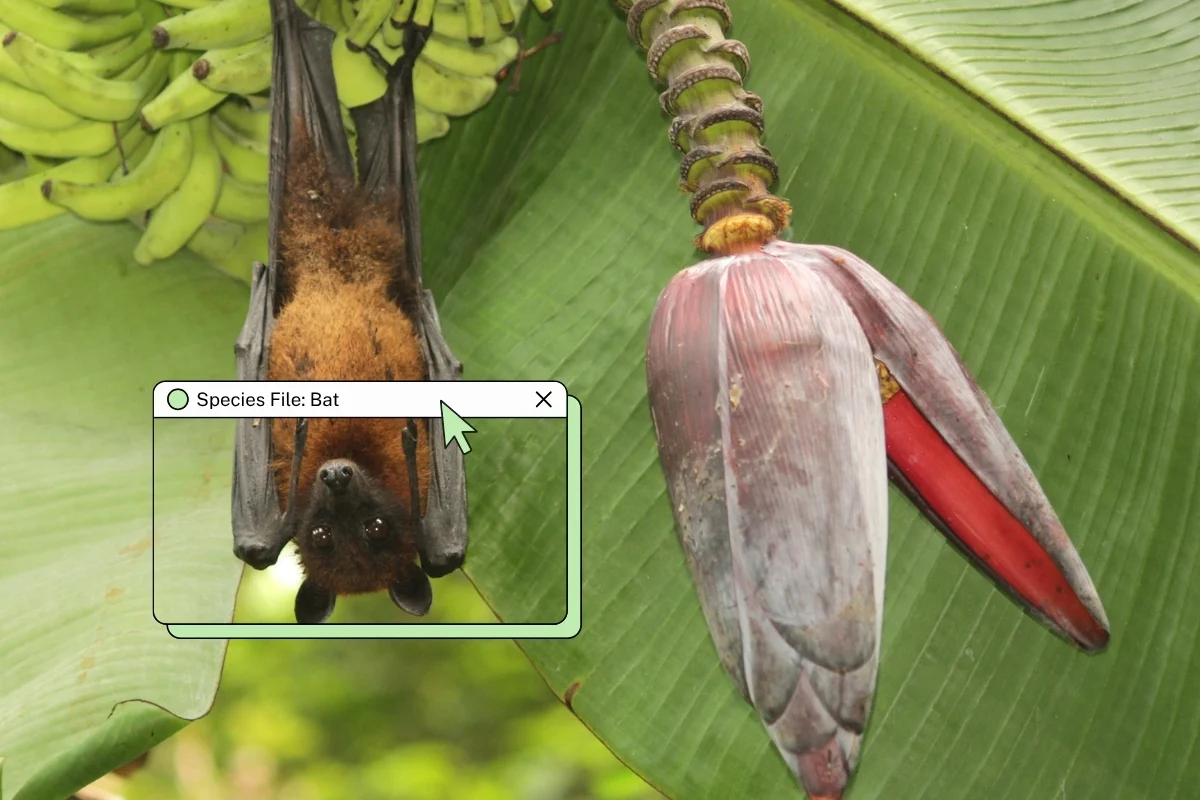
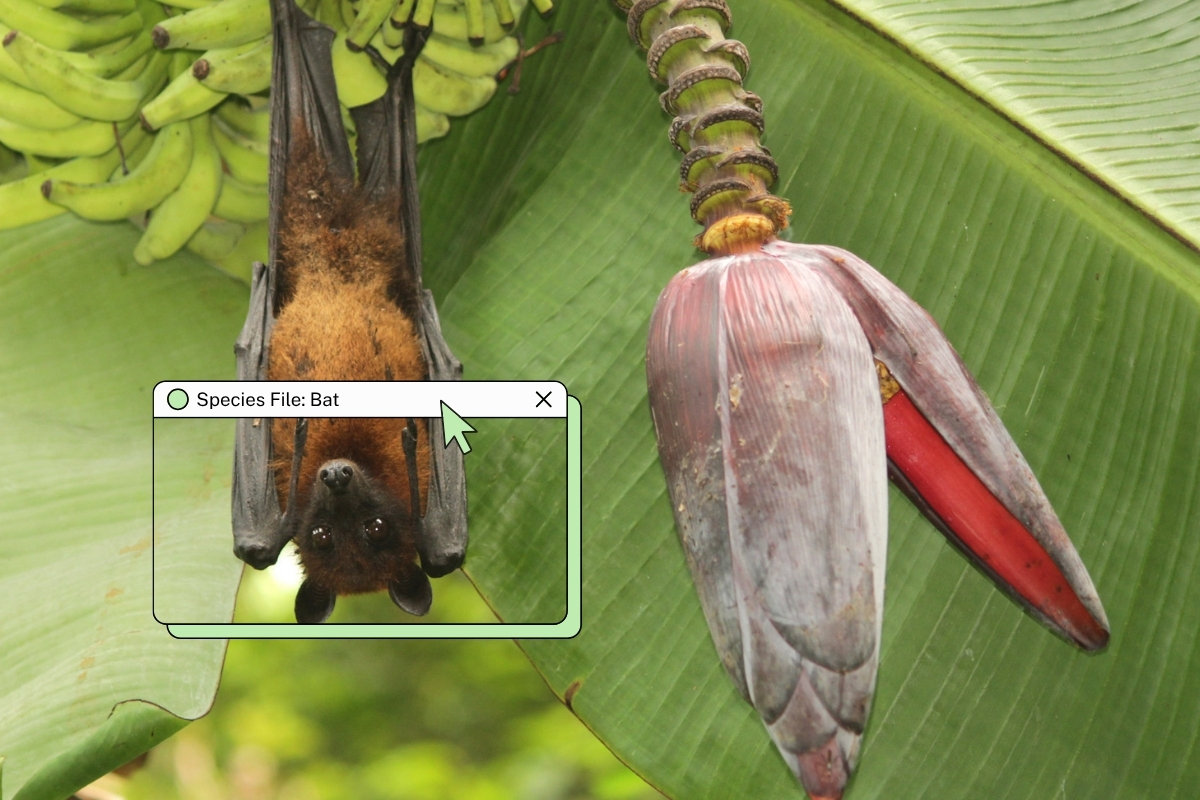
New Delhi – In the twilight hours across the Indian subcontinent, a silent army takes to the skies. They are the only mammals capable of true, sustained flight, navigating the complex architecture of forests and the concrete jungles of megacities with a precision that defies human technology. Yet, despite their role as critical keystones of the ecosystem, India’s bats are navigating a landscape of increasing peril, caught between legal neglect, habitat destruction, and a persistent cultural stigma.
As part of an ongoing exploration into India’s biodiversity, recent data highlights a startling reality: while India hosts approximately 10% of the world’s bat diversity, the majority of these species are witnessing a silent decline. From the high-altitude reaches of the Himalayas to the tropical evergreen forests of the Western Ghats, the "Species File" of India’s chiropterans reveals a narrative of biological wonder under siege.
Main Facts: A Continental Hub of Chiropteran Diversity
India is home to roughly 135 species of bats, representing a significant portion of global diversity. Of these, 16 species are endemic, found nowhere else on Earth. These winged mammals are divided primarily into two ecological groups: the large, fruit-eating "megabats" (Pteropodidae) and the smaller, mostly insectivorous "microbats."
The geographic distribution of these species underscores the importance of India’s varied topography:
- The Western Ghats: A global biodiversity hotspot, this region hosts at least 63 species, including the elusive Wroughton’s free-tailed bat (Otomops wroughtoni).
- The Western Himalayas: This region supports 53 species. Recent surveys have even uncovered new records, such as the East Asian free-tailed bat (Tadarida insignis), a species previously unrecorded in Indian territory.
- Urban Landscapes: Bats have shown remarkable adaptability, utilizing old-growth city trees, temple groves, heritage buildings, and even the undersides of modern bridges as roosting sites.
The biological diversity is matched by extreme variations in morphology and behavior. The Indian Flying Fox (Pteropus giganteus), India’s largest bat, boasts a wingspan of up to 1.5 meters. Unlike many of its smaller cousins, it navigates using keen eyesight and a highly developed sense of smell rather than echolocation. Conversely, the Painted Bat (Kerivoula picta), no larger than a human palm, is distinguished by its vibrant orange fur and black-patterned wings—a beauty that has unfortunately made it a target for the illegal wildlife trade.
Chronology: From Evolutionary Pioneers to Modern "Vermin"
The evolutionary history of bats is a success story spanning over 50 million years. They have survived mass extinctions and adapted to every continent except Antarctica. However, their history in the Indian legal and social consciousness has been far more turbulent.
For decades, bats in India were largely ignored by conservationists, who focused on "charismatic megafauna" like tigers and elephants. Under the original framework of the Wildlife (Protection) Act (WPA) of 1972, many bat species were relegated to "Schedule V," a category designated for "vermin." This classification allowed for the culling of bats without a permit, based on the outdated belief that they were mere pests or harbingers of disease.
The tide began to turn slowly in the 21st century as researchers started quantifying the immense economic and ecological benefits bats provide. In 2022, significant amendments to the WPA were passed, removing the "vermin" category and providing higher protection to several species. Yet, the transition remains incomplete. Today, while some progress has been made, only six bat species in India enjoy the highest level of legal protection under Schedule I, leaving the vast majority in a legal gray area where their habitats remain vulnerable to "developmental" projects.
Supporting Data: The Economic and Ecological Ledger
The argument for bat conservation is increasingly being framed through the lens of "ecosystem services"—the tangible benefits nature provides to humans. Bats are not merely biological curiosities; they are essential to India’s food security and public health.
1. Natural Pest Control
The Kolar Roundleaf Bat (Hipposideros hypophyllus) serves as a primary case study. Critically endangered and restricted to a single cave in Karnataka, this species is an insect-eating powerhouse. Research indicates that these bats consume up to 4,100 species of insects, including significant quantities of mosquitoes that transmit malaria and dengue.
In agricultural landscapes, insectivorous bats act as a "natural pesticide." Agroecologist Iqbal Bhalla, in a 2023 study focusing on Assam’s paddy fields, emphasized the economic value of this service. "There is no doubt that bats are incredibly important to agricultural landscapes," Bhalla noted. By preying on beetles, moths, and plant-hoppers, bats reduce the need for chemical interventions, saving farmers billions of rupees annually and reducing the toxic load on the soil.
2. Pollination and Reforestation
Fruit and nectar-feeding bats are the primary pollinators for several ecologically and economically important plants, including wild bananas and the iconic Mahua tree. Furthermore, bats are "farmers of the forest." As they fly, they disperse seeds through their droppings (guano), which is also one of the world’s most potent natural fertilizers, rich in nitrogen and phosphorus.
3. Population Trends
The data from Bat Conservation International and the IUCN presents a sobering picture. Out of 122 Indian bat species assessed:
- 23% have stable populations.
- 77% are either declining or have data-deficient statuses that likely mask a downward trend.
Official Responses and the Challenge of Public Perception
The Indian government’s response to bat conservation has been a mix of legislative progress and implementation gaps. While the 2022 WPA amendment was a step forward, conservationists argue that the "Schedule" system still fails to account for the specific needs of bats, such as the protection of subterranean caves and old-growth foraging corridors.
A significant hurdle remains the "Nipah" and "COVID-19" effect. Following recent viral outbreaks, bats have faced increased persecution. In many parts of India, myths regarding bats as "evil" or "disease-spreaders" have led to the sealing of caves and the smoking out of roosts in heritage buildings.
Official responses from forest departments have often been reactive rather than proactive. In Tamil Nadu, for instance, rapid urbanization is erasing traditional roosting sites. While local NGOs have called for "bat-friendly" urban planning, official policy has yet to integrate chiropteran conservation into city building codes or Environmental Impact Assessments (EIAs).
Furthermore, the rise of "Green Energy" has introduced a new, unintended threat. Wind turbines, particularly in states like Maharashtra and Gujarat, have become death traps. Bats suffer from "barotrauma"—internal hemorrhaging caused by sudden air pressure changes near spinning blades—and direct collisions. Despite mounting evidence, there are currently no federal mandates requiring wind farms to implement "cut-in speed" regulations (slowing turbines during low-wind periods when bats are most active) to mitigate these deaths.
Implications: A Future Without the Night Watchmen
The continued decline of India’s bat populations carries profound implications for the nation’s ecological and economic health. If current trends persist, the "ripple effect" could manifest in several ways:
1. Agricultural Vulnerability:
Without bats to keep insect populations in check, India may see a resurgence in crop pests. This would force a heavier reliance on chemical pesticides, leading to increased production costs for farmers and higher levels of chemical runoff into the water table.
2. Public Health Risks:
The loss of insectivorous bats like the Kolar roundleaf bat could lead to an explosion in mosquito populations. Ironically, while humans fear bats for their perceived role in disease transmission, the loss of bats actually increases the risk of vector-borne diseases like malaria, Zika, and West Nile virus.
3. Forest Stagnation:
In the Western Ghats and the Northeast, many tree species depend almost exclusively on bats for seed dispersal. A decline in bat numbers could lead to "silent forests," where old trees remain but no new saplings take their place, eventually leading to a collapse of forest density and carbon sequestration capacity.
4. The "One Health" Connection:
Global health experts advocate for a "One Health" approach, recognizing that human health is inextricably linked to animal and environmental health. Persecuting bats and destroying their habitats actually increases the risk of zoonotic spillover. When bats are stressed by habitat loss or human encroachment, their immune systems weaken, making them more likely to shed viruses. Protecting their natural habitats is, therefore, a primary form of pandemic prevention.
The Path Forward
To reverse the decline, India must move beyond mere legal listing. Conservationists are calling for:
- Habitat Protection: Designating specific caves and heritage sites as "Chiropteran Conservation Reserves."
- Mitigation in Infrastructure: Implementing mandatory acoustic sensors and deterrents on wind turbines.
- Community Engagement: Education programs to dispel myths and highlight the bat’s role as a friend to the farmer.
As the sun sets over the Indian landscape, the survival of these remarkable mammals remains uncertain. The "Species File" on bats is far from closed, but without immediate and concerted action, many of its pages may soon be empty. In the words of the scientific community, we are not just saving a species; we are protecting the very air, food, and forests that sustain us all.
