

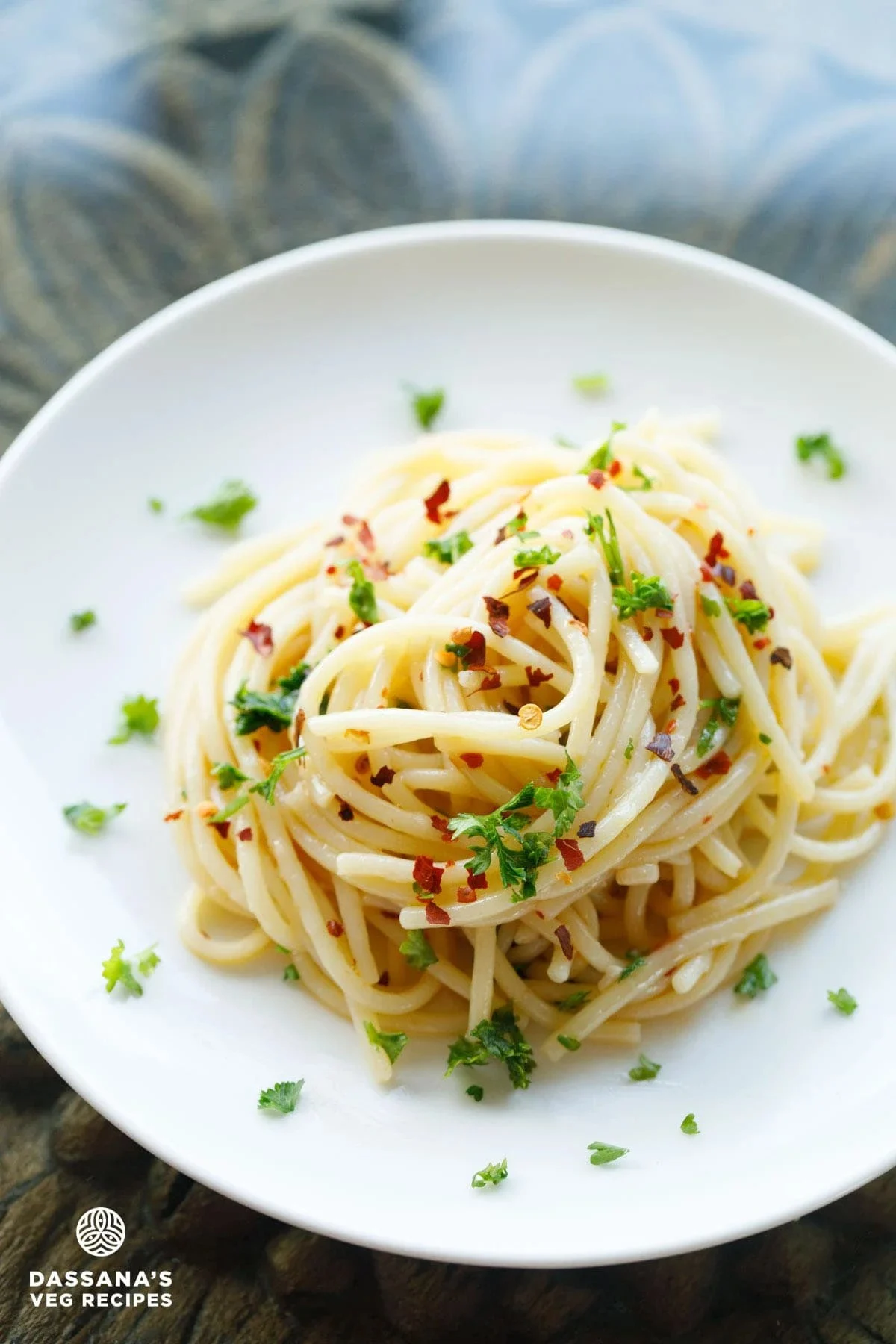
NAPLES, ITALY – In the pantheon of global gastronomy, few regions command as much reverence for the "Cucina Povera"—the cooking of the poor—as Southern Italy. At the heart of this tradition lies Spaghetti Aglio e Olio, a dish that serves as a masterclass in culinary restraint. While modern fusion and complex molecular gastronomy often dominate headlines, the enduring legacy of this Neapolitan staple underscores a fundamental truth in the culinary arts: when ingredients are few, the technique must be flawless.
Translating literally to "spaghetti with garlic and oil," the dish represents the soul of Campania. It is a meal that bridges the gap between a quick midnight snack and a sophisticated restaurant offering, requiring only 20 minutes of preparation but a lifetime to truly master.

Main Facts: The Essence of Gastronomic Simplicity
Spaghetti Aglio e Olio is defined by its reliance on high-quality pantry staples. The traditional recipe calls for just four primary elements: long-strand pasta (spaghetti), fresh garlic, extra virgin olive oil, and red chili flakes (peperoncino). Despite its humble appearance, the dish is a nutritional powerhouse of healthy fats and complex carbohydrates, providing approximately 844 calories per serving in a standard restaurant-style preparation.
The dish’s popularity stems from its accessibility. In an era of rising food costs and complex supply chains, Aglio e Olio remains an economically viable yet luxurious meal. However, culinary experts warn that the dish’s simplicity is deceptive. Because there is no heavy cream, thick tomato base, or mountain of cheese to mask errors, the quality of the olive oil and the precision of the garlic sauté become the sole arbiters of success.

Key Components of the Dish
- The Base: Extra virgin olive oil (EVOO) acts as both the cooking medium and the sauce.
- The Aromatics: Sliced or minced garlic, cooked until golden but never bitter.
- The Heat: Dried red chili flakes provide a back-of-the-throat warmth that balances the richness of the oil.
- The Emulsifier: Starchy pasta water, the "liquid gold" that transforms oil into a silky glaze.
- The Garnish: Fresh Italian parsley, providing a verdant finish and a necessary hit of chlorophyll to cut through the fat.
Chronology: The 20-Minute Path to Perfection
The execution of a perfect Spaghetti Aglio e Olio follows a strict chronological order where timing is the most critical variable.
Phase I: The Hydration and Starch Extraction
The process begins with the boiling of six cups of water, seasoned heavily with 1.5 teaspoons of salt. Journalistic observation of traditional Italian kitchens suggests that the water should "taste like the sea." Once a rolling boil is achieved, 250 grams (9 ounces) of spaghetti are added whole.

A critical step in this chronology is the rejection of the common practice of breaking the pasta. Long strands are essential for the final texture, allowing the sauce to cling to the surface through surface tension. As the lower portions soften, the cook must gently submerge the remainder using tongs or a pasta fork. The pasta is cooked until just before the "al dente" stage—roughly 2 to 3 minutes shorter than the package instructions—as it will undergo a secondary cooking phase in the pan.
Phase II: The Infusion of Flavors
Simultaneously, in a separate large frying pan, six tablespoons of extra virgin olive oil are warmed over low heat. The chronology of the garlic is the most dangerous stage; the garlic (approximately two teaspoons, finely minced) must be sautéed gently. The goal is a light golden hue. If the heat is too high and the garlic turns dark brown, it develops a bitter, acrid flavor that ruins the dish.

Once the garlic reaches the desired color, the heat is extinguished. Red chili flakes are then introduced, allowing their capsaicin to bloom in the residual heat. This prevents the spices from scorching, which would otherwise lead to a "burnt" aroma.
Phase III: The Emulsification (The Secret Step)
Before draining the pasta, the cook must reserve at least one cup of the starchy cooking water. This is the pivotal moment where the dish transitions from "oily noodles" to a cohesive pasta dish. The drained spaghetti is added to the pan with the garlic-infused oil, followed by half a cup of the reserved water. The heat is returned to medium-low, and the pasta is vigorously tossed. This mechanical action, combined with the starch in the water and the lipids in the oil, creates a light, silky emulsion that coats every strand.

Supporting Data: Nutritional and Chemical Analysis
To understand why Spaghetti Aglio e Olio is so satisfying, one must look at the data. A standard two-serving preparation yields a significant nutritional profile:
- Total Fat: 44g (primarily monounsaturated fats from olive oil).
- Carbohydrates: 95g (providing sustained energy release).
- Sodium: 2390mg (largely from the salted pasta water).
- Vitamins: High concentrations of Vitamin K (125µg) and Vitamin A (802IU) due to the addition of fresh parsley.
From a chemical perspective, the dish relies on the "Maillard reaction" of the garlic and the "emulsification" of the sauce. Garlic contains allicin, which is released upon mincing. When heated gently in oil, these compounds transform into sweeter, nuttier molecules. Furthermore, the use of extra virgin olive oil ensures a high level of polyphenols, which are antioxidants that contribute to heart health.

The data also suggests that the "al dente" preparation has a lower glycemic index than overcooked pasta, making it a more favorable option for blood sugar management.
Official Responses: Insights from the Kitchen
Culinary experts and home chefs alike emphasize that the "small details" are what elevate the dish. Dassana, a prominent culinary figure from Veg Recipes of India, has documented the importance of these nuances in her extensive archives.

"This is one of those recipes that taught me how much the little details matter," Dassana states. "With just a handful of ingredients, there is nothing to hide behind, so the way you cook each ingredient makes all the difference."
Her "official" recommendation for the modern kitchen includes increasing the garlic ratio beyond traditional Italian standards to cater to more robust contemporary palates and ensuring that chili flakes are never added to a pan over active high heat. Furthermore, she advocates for a "no-rinse" policy for the pasta. Rinsing cooked spaghetti removes the surface starch necessary for the oil to adhere, resulting in a dish where the oil simply pools at the bottom of the plate rather than coating the food.

Implications: The Future of Culinary Minimalism
The continued dominance of Spaghetti Aglio e Olio in the 21st century has several broader implications for the food industry and domestic life.
1. The Economic Shift
As global inflation impacts meat and dairy prices, plant-forward, oil-based pastas are becoming the strategic choice for both restaurateurs and families. The "cost-per-plate" of Aglio e Olio remains among the lowest in the industry, despite its high perceived value.

2. Health and the Mediterranean Diet
The dish is a cornerstone of the Mediterranean Diet, which is consistently ranked as the healthiest eating pattern by global health organizations. The reliance on olive oil over saturated fats (like butter or cream) aligns with modern cardiovascular health recommendations.
3. Gastronomic Education
The dish serves as the ultimate training ground for novice cooks. Mastery of Aglio e Olio implies a mastery of heat control, timing, and seasoning. It forces the cook to respect the ingredient, a philosophy that is increasingly seen as the antidote to the "ultra-processed" food crisis.

4. Cultural Globalization
While rooted in Naples, the dish has become a global "comfort food." Its ability to be refrigerated and reheated (though best fresh) makes it a staple of the modern, fast-paced lifestyle. The integration of local variations—such as adding a squeeze of lemon or vegetarian Parmesan—shows how regional classics can evolve without losing their structural integrity.
Conclusion
Spaghetti Aglio e Olio is more than just a 20-minute meal; it is a testament to the power of simplicity. By focusing on the quality of the oil, the timing of the garlic, and the science of starchy water, a cook can transform four humble ingredients into a dish that rivals the most complex creations in the world. As we move toward a future that values sustainability and essentialism, the lessons of the Neapolitan kitchen remain more relevant than ever. Serve it hot, straight from the pan, and remember: in the world of Aglio e Olio, less is not just more—less is everything.
