

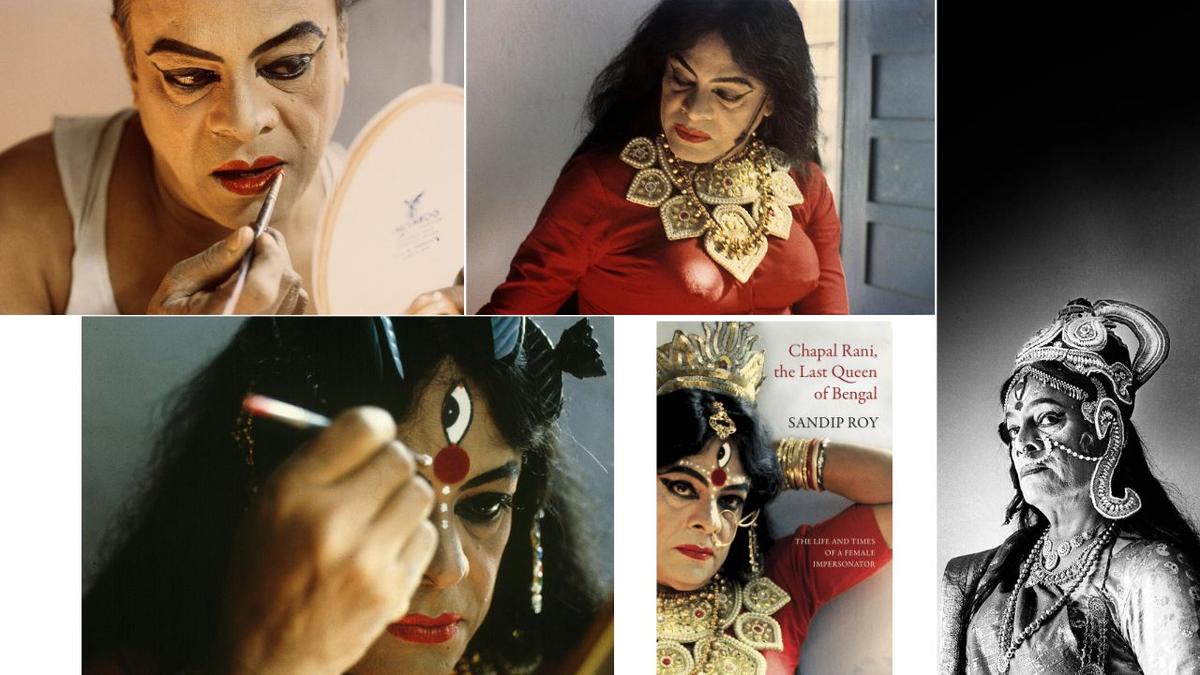
The intersection of identity, performance, and the culinary arts has long been a subtle, often silent, thread in the tapestry of Indian culture. However, with the release of Chapal Rani: The Last Queen of Bengal (Seagull Books) by Sandip Roy, this intersection has moved from the shadows of the domestic kitchen to the forefront of literary and social discourse. The biography of Chapal Bhaduri, the legendary female impersonator of Bengali jatra folk theatre, serves as a poignant entry point into a broader exploration of "queer food"—a concept that is less about a specific set of ingredients and more about a lived experience defined by identity, longing, and the reclamation of domestic spaces.
Main Facts: Food as an Archive of Identity
The story of Chapal Bhaduri, known to his audience as Chapal Rani, begins not on the grand stages of Bengal’s rural theatre, but in the intimate confines of his mother’s kitchen. While other boys in the para (neighborhood) engaged in rough-and-tumble play, Chapal was drawn to the "quiet choreography of care." For him, food was not merely sustenance; it was an inheritance of femininity and a survival mechanism for an identity that lacked a formal vocabulary in the mid-20th century.
Author Sandip Roy posits that Chapal is the "last custodian" of a specific culinary archive—recipes passed down from a mother who represented the emotional anchor of his life. In the biography, Roy illustrates how Chapal’s performance of womanhood on the jatra stage was mirrored by his domestic roles in private life. In the homes of his lovers, Chapal instinctively took on the role of the caregiver, the cook, and the nurturer. The kitchen became a secondary stage where he could perform the femininity he felt internally, long before terms like "queer" or "gay" were part of the Indian social lexicon.
This narrative underscores a fundamental truth about queer food: it is a way of understanding history through the stomach and the heart. It encompasses dishes that carry stories of secrecy, pleasure, and belonging. From homespun Bengali staples like macchhi mulo (fish with radish) to theatrical creations like savoury papaya halwa, the act of cooking for Chapal was an "organic way to tell his life."
Chronology: From Performance to Publication
The Era of Jatra and Domestic Mimicry (1950s–1980s)
During the peak of Chapal Bhaduri’s career, the concept of "queer food" was non-existent in the public eye. Performance and domesticity were separate yet intertwined. Chapal’s sister would often tease him that his cooking was "over the top," much like his theatrical performances. This era was defined by an "absence of vocabulary." Queer individuals lived their identities through the roles they played in the kitchen, mirroring traditional gender roles as a way to find a place within a heteronormative structure.
The Diaspora and the Potluck Politics (1990s–2000s)
As the Indian diaspora expanded, particularly in the United States, food became a vital tool for identity integration. Sandip Roy recalls his time as a student in the late 90s, where queer Indian gatherings revolved around potluck dinners. In a gay bar, one was simply queer; at a Diwali celebration, one was simply Indian. However, around a table featuring home-cooked desi food, these two identities could finally coexist. The potluck served as a safe space where the "modern grammar" of being both queer and Indian was first articulated.
The Landmark Shift: James Beard and the 2020s
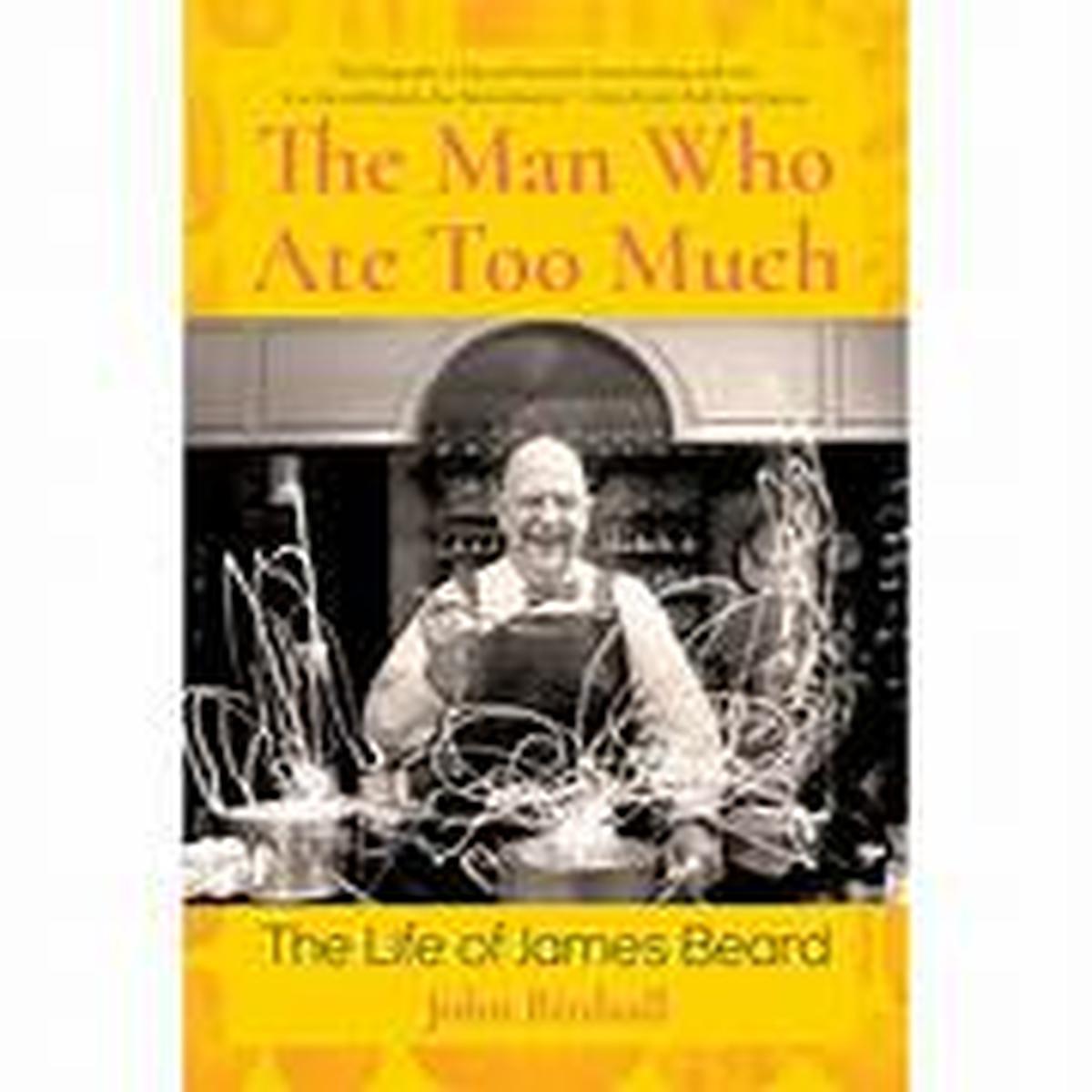
The global landscape of queer food writing underwent a seismic shift with the 2020 publication of The Man Who Ate Too Much by John Birdsall. This biography of James Beard—the "dean of American cookery"—placed queerness at the center of culinary history. Birdsall argued that Beard’s appetite, ambition, and the secrecy of his personal life were inseparable from his culinary legacy. This book "cracked open" the genre, moving away from "rainbow garnishes" toward a deeper excavation of selfhood and sexuality through food.
The Contemporary Era (2023–Present)
Today, a new generation of writers and chefs are bringing queer perspectives into the mainstream. Books like Dragtails (2023) and the upcoming Tell My Mother I Like Boys (2025) by Suvir Saran signal a move from private kitchens to public platforms. In India, this is manifesting in queer-led pop-ups, supper clubs, and a growing body of literature that reclaims the kitchen as a space of "radical joy."
Supporting Data: The Literature of Queer Gastronomy
The evolution of this genre is evidenced by a diverse array of publications that blend recipes with memoir. These works suggest that queer food is not a monolith but a spectrum of expression:
- The Traditionalists: Sandip Roy’s inclusion of Chapal Bhaduri’s recipes—such as mixed achaar—serves as a "living archive," preserving the culinary traditions of a marginalized subculture within Bengal.
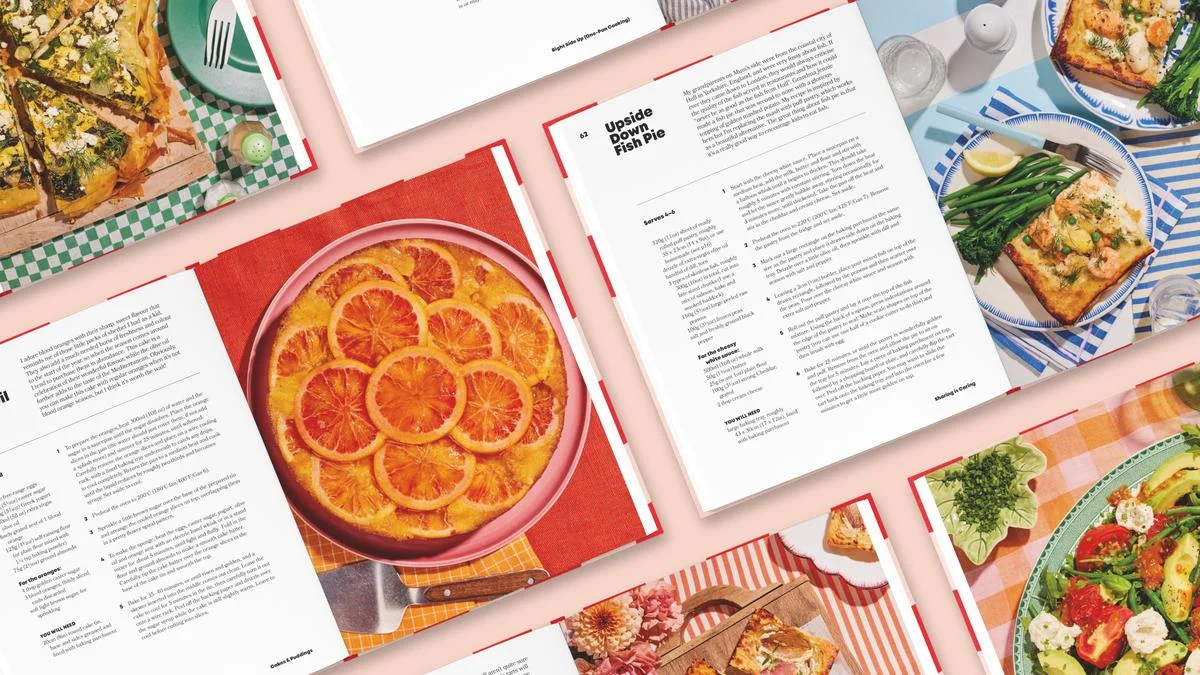
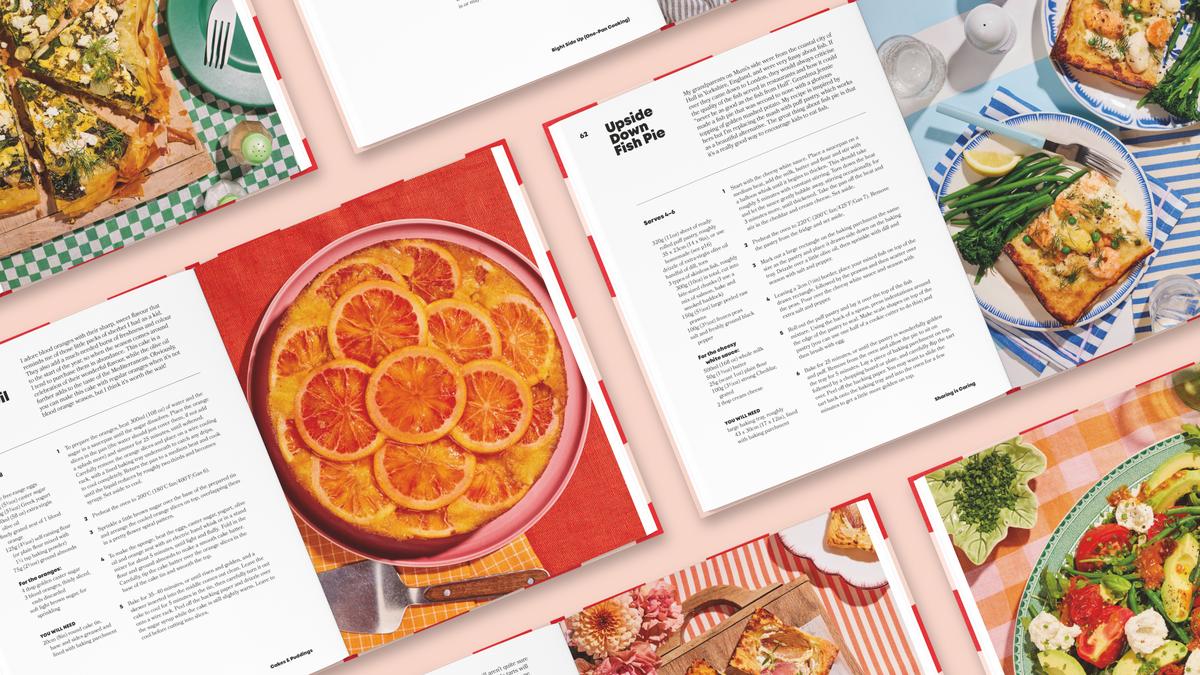
- The Modernists: Gurdeep Loyal, a prominent food writer, describes his recipes as "liberated from narratives of shame." His work, featuring dishes like Miso Masala Fried Chicken and Saffron Custard Tart with Candied Fennel Seeds, represents a "bravely indulgent" fusion where Indian and British identities coexist without conflict.
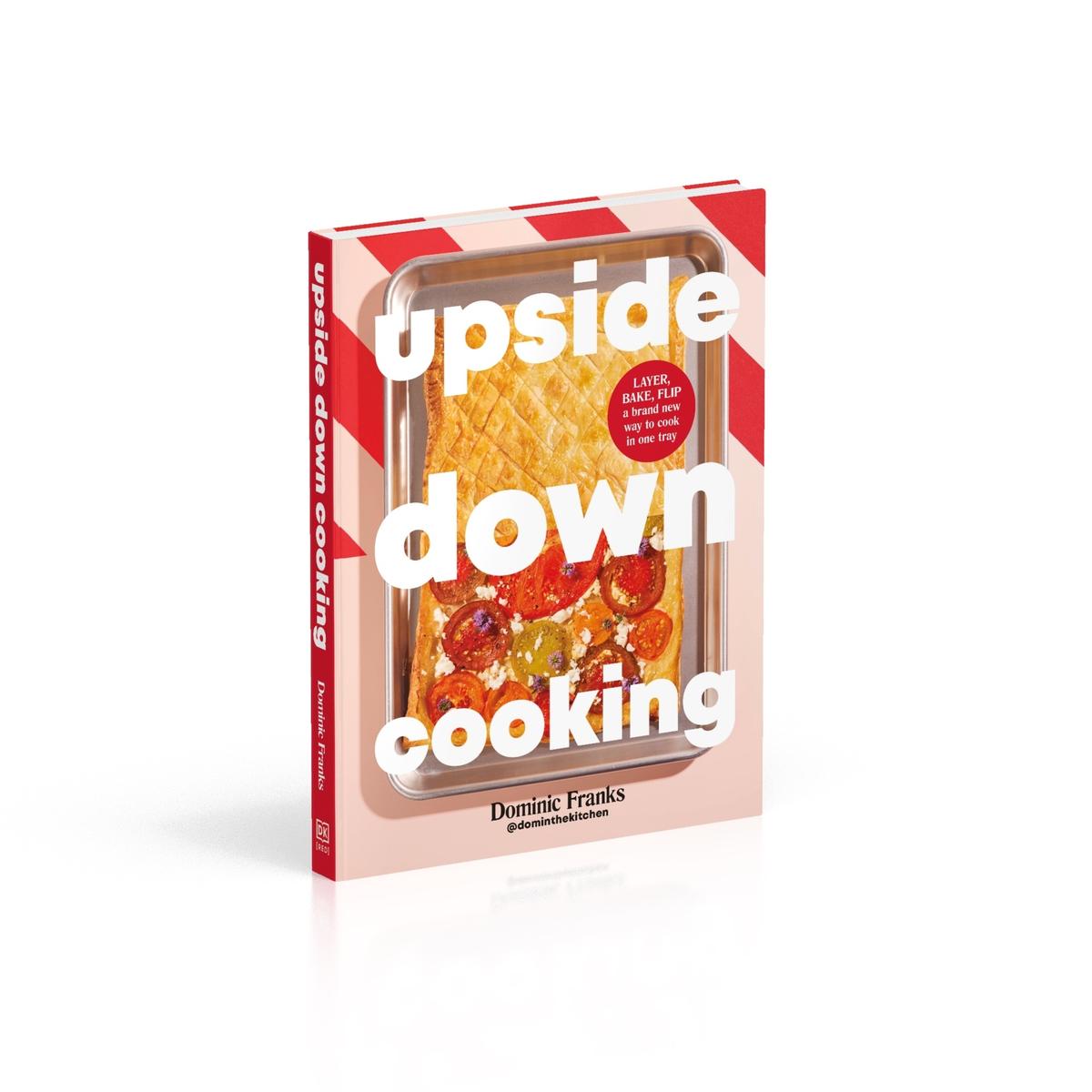
- The Theatricalists: Dominic Franks’ Upside Down Cooking (2025) and Alice Wood’s Dragtails treat the kitchen and the bar as stages for performance. The "Grand Maha-Raja" cocktail—a mix of sambuca, brandy, and lemonade—is cited as a tool to take a performance to a level of "elegance" and "extravagance."
- The Academics: Anil Pradhan and Andronicus Aden, in their contribution to Queering Nutrition and Dietetics (2023), explore how food is "queered" through memory and camaraderie. They highlight playful dishes like "Paneer Rituparno," named after the late queer filmmaker Rituparno Ghosh, which challenges culinary orthodoxy.
Official Responses and Expert Perspectives
The shift toward acknowledging queer food as a legitimate field of study and expression has drawn praise from industry veterans.

Vikram Doctor, a veteran food writer, emphasizes the communal aspect: "Food has always been a binding force for the queer community, in India and elsewhere. Queer food books would be a valuable addition in reflecting that." He notes that while the community has always gathered around food, the formalization of these stories in print is a necessary step for cultural recognition.
Chef Suvir Saran, author and culinary icon, reflects on the organic nature of this movement. "The Indian queer community weren’t thinking about queerness and food; we were living, breathing and bound by food," he says. Saran recalls his youth in South Delhi, where he would arrange flowers and set tables with "inventive napkin rings," borrowing his mother’s ikebana skills. For him, these were the early signs of a "queer aesthetic" that would eventually define his professional career.
Vicky Narula, co-founder of Depot 48 in Delhi, views the movement as a form of reclamation. Depot 48 is known for hosting drag nights alongside classical music performances, creating a hybrid space for expression. "We are reclaiming the kitchen as a space of radical joy," Narula states, suggesting that the kitchen—once a place of hidden domesticity—is now a site of public empowerment.
Implications: Reimagining the Indian Kitchen
The emergence of queer food narratives in India has profound implications for both the culinary industry and LGBTQ+ rights.
1. Challenging Culinary Orthodoxy
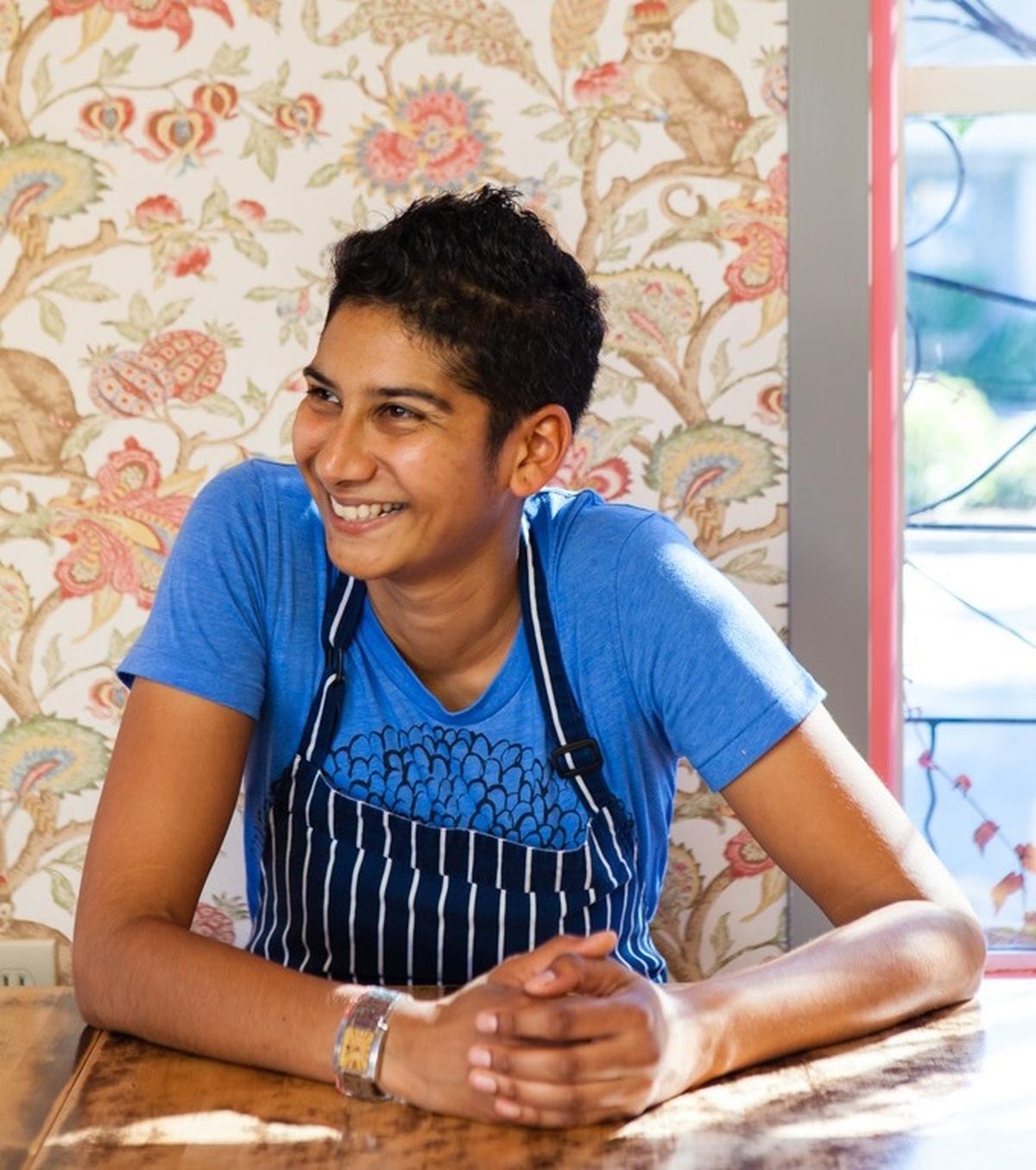
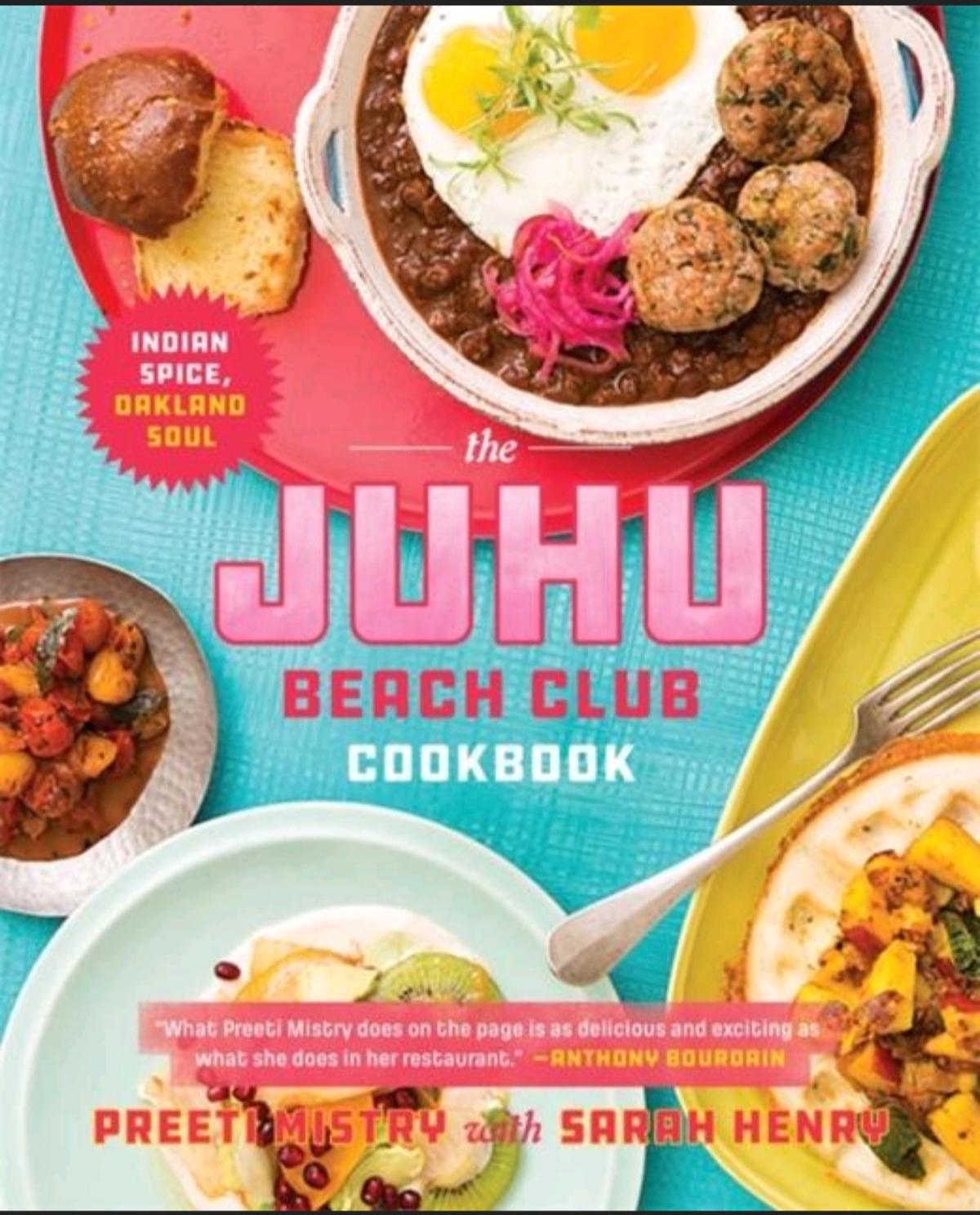
By introducing "queer perspectives," chefs like Preeti Mistry (author of The Juhu Beach Club Cookbook) are challenging the patriarchal and heteronormative structures of professional kitchens. They are redefining who gets to lead, who gets to cook, and what "authentic" food looks like. This "reimagining" allows for a more inclusive definition of Indian cuisine that accounts for regional, personal, and sexual identities.
2. Visibility and Assertion
In India, queer-led dining experiences are often "folded into" the existing food culture rather than being explicitly marketed as "gay restaurants," as seen in Western cities. While this subtlety is partly a response to social pressures, it also allows queer culture to permeate the mainstream in a way that is "embedded within the chaos" of cities like Mumbai and Kolkata. The publication of books like Roy’s biography of Chapal Rani provides a permanent record of these lives, ensuring they are not forgotten.
3. The Kitchen as a Safe Space
For many in the LGBTQ+ community, the kitchen remains a sanctuary. Whether it is two people sharing cha and biskoot in a quiet room in North Kolkata or a flamboyant drag queen mixing a cocktail, the act of preparing food is a gesture of care. As the vocabulary of queer food continues to take shape, it reinforces the idea that the kitchen is not just a place of labor, but a place of "belonging and secrecy, pleasure and identity."
4. Cultural Preservation
As legendary figures like Chapal Bhaduri age, the recording of their culinary habits becomes a matter of historical urgency. These recipes are the "last custodians" of a lifestyle that existed before the internet and before modern LGBTQ+ activism. Preserving these stories ensures that the evolution of the Indian queer identity is understood as a long-standing, lived experience rather than a modern "Western import."
In conclusion, "queer food" in the Indian context is a vibrant, evolving dialogue. It is a tasting menu of the soul—ranging from a simple roshogolla with extra syrup to a sophisticated dosa waffle. As Sandip Roy’s portrait of Chapal Rani demonstrates, the most profound stories are often found in the most humble places: a stirring pot, a clink of bangles, and the quiet choreography of a kitchen that has, for decades, served as a stage for those who had no other place to play.
