

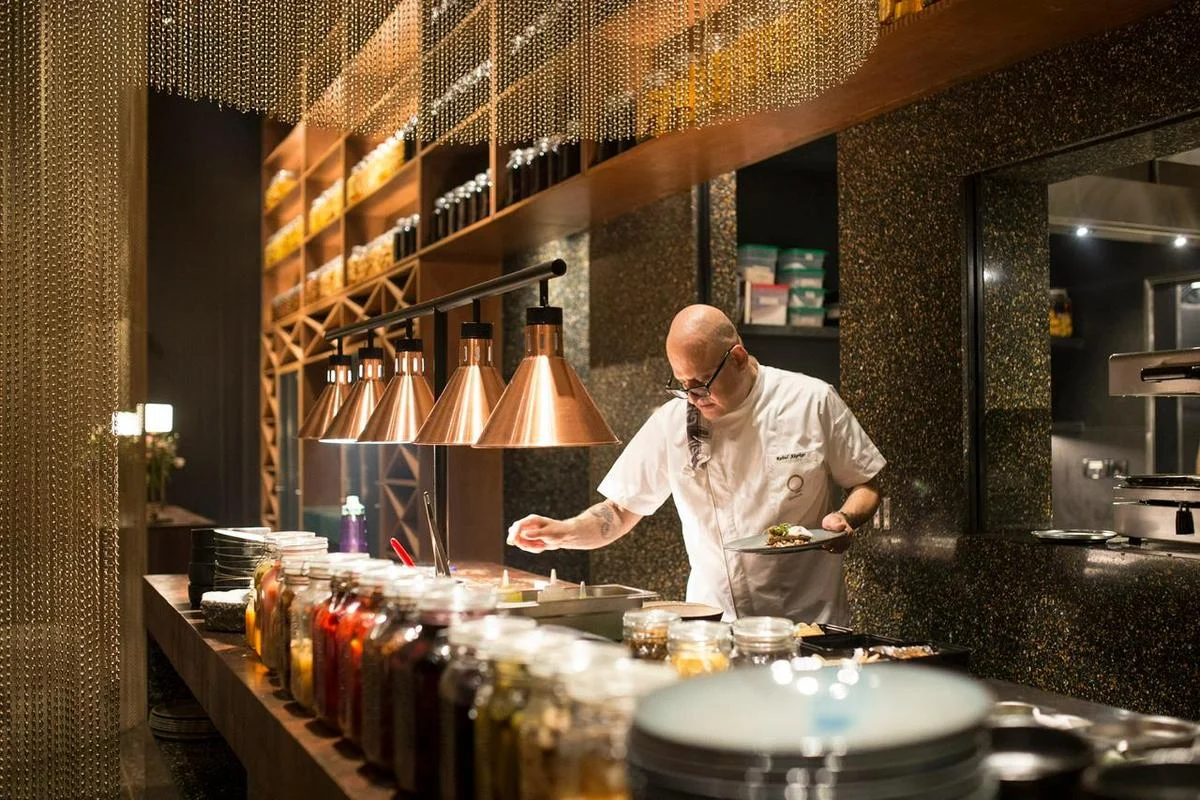
MUMBAI — In the landscape of Indian gastronomy, few names resonate with the same weight as Rahul Akerkar. As the visionary behind Indigo, the restaurant that arguably birthed the concept of standalone fine dining in India, Akerkar’s career has been a masterclass in risk, refinement, and resilience. With the release of his unapologetically candid memoir, Biting Off More Than I Can Chew (published by HarperCollins), Akerkar offers a retrospective look at a journey that began in a smoke-filled kitchen in Nashik and culminated in the prestigious "World’s 50 Best Restaurants" list.
Main Facts: A Literary and Culinary Milestone
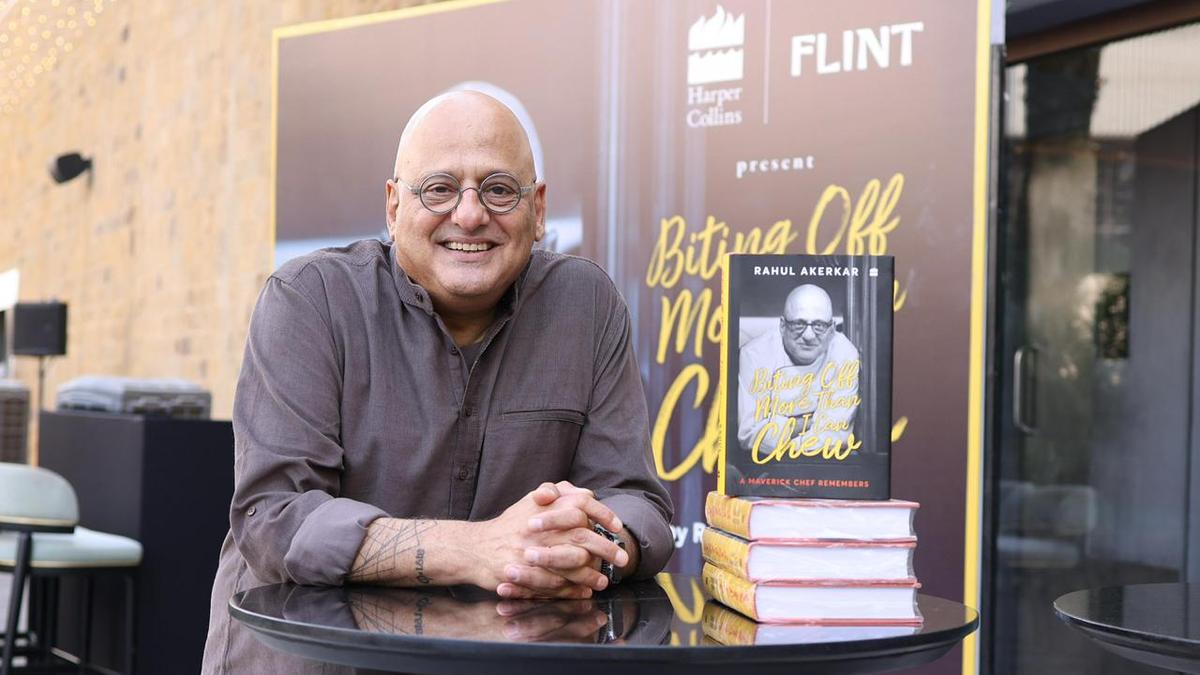
The release of Biting Off More Than I Can Chew marks a significant moment in Indian culinary literature. Unlike standard cookbooks, Akerkar’s memoir serves as a blueprint for the evolution of the Indian palate over the last three decades. The book chronicles his transition from a biochemical engineering student in the United States to a culinary pioneer who dared to challenge the hegemony of five-star hotel dining rooms in late-90s Mumbai.
Key highlights of the memoir include:
- The foundational influence of his grandmother (aji) and the sensory memories of Maharashtrian home cooking.
- The "work-for-free" gambit in New York’s high-pressure kitchens that served as his informal apprenticeship.
- The rise and eventual departure from Indigo, a brand that defined a generation of diners.
- The philosophy of "struggle as a creative catalyst," drawing parallels between culinary excellence and the improvisational depth of jazz.
Chronology: The Making of a Revolutionary
The Formative Years (1970s – Early 1980s)
Before the white chef’s coat, there was the laboratory. Akerkar moved to the United States to pursue a degree in Biochemical Engineering. However, the pull of the kitchen proved stronger than the lure of the lab. Lacking formal culinary school credentials, Akerkar adopted a grassroots approach. In New York, he frequented professional kitchens with a bold proposition: "I’ll work for free for a month. If I’m good, pay me. If not, ask me to leave." This period was instrumental in honing his technical skills and understanding the "Western" kitchen’s rigorous discipline.
The Return and "Under The Over" (Early 1990s)
Returning to an India that was just beginning to experience the effects of economic liberalization, Akerkar found a dining scene that was largely binary: high-end luxury within five-star hotels or localized "curry houses." He launched his first catering company from his mother’s kitchen, followed by "Under The Over" at Kemps Corner. This multi-cuisine establishment served as a testing ground for his ideas on balance, flavor, and the viability of standalone restaurants.
The Indigo Era (1999 – 2015)
In 1999, Akerkar opened Indigo in a restored colonial bungalow in Colaba. It was a gamble that redefined the industry. Indigo did not just serve food; it served an ethos of "Modern European" cuisine that respected Indian sensibilities without being "fusion." The restaurant’s success was meteoric, culminating in its inclusion in the World’s 50 Best Restaurants in 2007. This era also saw the birth of the Indigo Delicatessen, which pioneered the "gourmet casual" segment in India.
Post-Indigo and Recent Ventures (2015 – Present)
Following a well-documented and public departure from the brand he built, Akerkar did not retreat. Instead, he launched a series of ambitious projects including Neel (specializing in Nawabi cuisine), Qualia, Ode, Waarsa, and his most recent venture, Flint. Each project reflects a more mature, perhaps more reflective, version of the chef.
Supporting Data: Changing the Industry Metric
The impact of Akerkar’s work can be measured through several industry shifts:
- The Standalone Surge: Prior to 1999, over 80% of fine-dining revenue in Mumbai was generated within hotels. Following Indigo’s success, the city saw a 300% increase in high-end standalone restaurant permits over the following decade.
- Global Recognition: Indigo was one of the first Indian standalone restaurants to receive international acclaim from the San Pellegrino "World’s 50 Best" list, paving the way for future icons like Indian Accent and Masque.
- Culinary Autodidactism: Akerkar’s success as a chef without a formal culinary degree proved that the "science" of cooking (rooted in his engineering background) and hands-on experience were viable alternatives to traditional schooling.
Official Responses: In the Chef’s Own Words
In reflecting on his career for the memoir, Akerkar remains characteristically blunt about the realities of the trade.
On the intersection of cultures, Akerkar notes: "I didn’t overthink it… I say that I don’t know if I westernised Indian or Indianised western, because my cooking techniques were pretty much western… I stumbled upon the midpoint where the two culinary traditions merged."
Addressing the psychological traits that drive his perfectionism, he admits to self-professed ADHD and OCD, stating that his "North Star" continues to be a deep respect for the palate of his patrons. "You’re only as good as your last meal," he maintains, a mantra that guards against the complacency of reputation.
On the inevitable hardships of the business, Akerkar offers a philosophical take: "When you are enjoying success, you can get a little complacent. It is when you are struggling that you are constantly sweating the small things. You are more mindful and focussed." This "struggle," he argues, is what forges a true leader, much like the blues are born from pain.
When asked if he would repeat the journey—including the risks that led to the title Biting Off More Than I Can Chew—Akerkar’s response is a resounding yes, albeit with one caveat: "I would like to be a little more mindful about the business side of running restaurants."

Implications: The Legacy of a Rule-Breaker
The publication of Akerkar’s memoir arrives at a time when the Indian F&B (Food and Beverage) industry is undergoing another transformation. The rise of "Regional Indian" fine dining and the influx of venture capital into restaurant groups are trends that can trace their lineage back to the doors of Indigo.
For the Aspiring Restaurateur:
Akerkar’s journey underscores the importance of the "Chef-Restaurateur" model. His memoir serves as a cautionary yet inspiring tale that culinary passion must be balanced with business acumen. His admission regarding the "business side" of the industry is a vital lesson for the next generation of chefs who seek to own their brands.
For the Indian Palate:
Akerkar’s legacy is the "democratization of sophistication." He proved that Indian diners were ready for nuance, for sourdough, for reduction sauces, and for a dining experience that didn’t require a hotel room key. He shifted the focus from "what is being served" to "how it is being sourced and prepared."
For Culinary Identity:
By finding the "midpoint" between his Maharashtrian roots and his Western training, Akerkar helped move the conversation away from "Fusion"—often a derogatory term in the 90s—toward "Modernity." He demonstrated that an Indian chef could cook European food with such authority that it became a global standard.
As Rahul Akerkar reflects at age 67, he acknowledges that the "hunger" of his youth has evolved into a more measured, though no less intense, dedication to his craft. Biting Off More Than I Can Chew is more than just a memoir; it is a historical record of a man who refused to play it safe, and in doing so, changed the way an entire nation eats. His story remains a testament to the idea that in the world of gastronomy, the greatest risk is often not taking one at all.
