

NEW DELHI, INDIA – In a significant development underscoring the escalating tensions between global tech giants and national regulators, the Indian government has summoned senior representatives from Meta Platforms Inc., the parent company of Facebook and WhatsApp, to provide a comprehensive explanation regarding the brief removal of a video posted by Prime Minister Narendra Modi. The Ministry of Electronics and Information Technology (MeitY) has demanded clarity on both policy and technical fronts, stressing the need for Meta to adapt its practices to address India’s specific concerns.
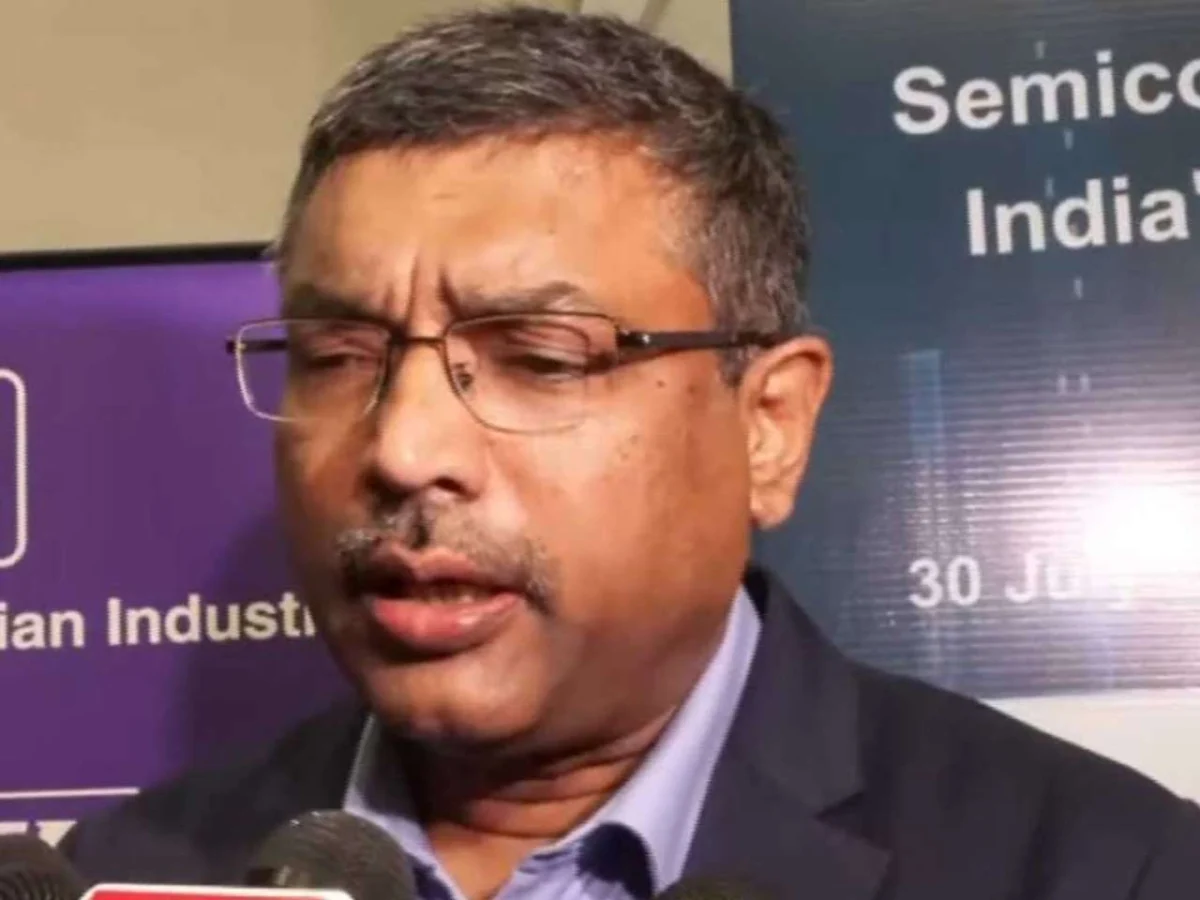
S. Krishnan, Secretary of MeitY, confirmed on Thursday that Meta has agreed to appear before the government. Speaking to ANI, Krishnan stated, "Meta, we have asked them to come in at the highest level and explain what is happening and why the kind of issues that we see…" He emphasized that the government seeks to understand the circumstances surrounding the incident from both a policy standpoint, concerning content moderation guidelines for prominent public figures, and a technical perspective, to ascertain the root cause of the "technical error" cited by Meta. The summons signals a resolute stance from New Delhi, demanding greater accountability and transparency from social media platforms operating within its jurisdiction.
The incident in question involved a Facebook video featuring Prime Minister Modi addressing the nation on actions against examination paper leaks. The video, initially posted on July 23, was briefly restricted from public view in the early hours of July 28 before being swiftly restored. Meta subsequently issued a statement attributing the removal to a "technical error." However, the government’s swift and firm response indicates that a mere technical explanation may not suffice, necessitating a deeper dive into the company’s internal protocols and operational mechanisms. This episode adds another layer to the complex and often fraught relationship between the Indian government, which is increasingly focused on digital sovereignty and platform accountability, and the powerful global technology firms that dominate its digital landscape.
Chronology of Events: From Public Address to Government Summons
The chain of events leading to the government’s stern summons to Meta began with a crucial public address by Prime Minister Narendra Modi, designed to connect directly with India’s youth amidst a burgeoning national controversy.
)
July 23, 2026: Prime Minister Modi Addresses NEET-UG Scandal
On this date, Prime Minister Narendra Modi released a significant video address on his official Facebook page. The content of the video centered on the government’s decisive actions against examination paper leaks, a topic of immense sensitivity and national importance. Specifically, the Prime Minister’s message was a direct response to widespread allegations of irregularities surrounding the NEET-UG 2026 examination, a critical entrance test for medical courses in India. This examination had become the focal point of a 36-day-long student agitation, spearheaded by a group identified as the "Cockroach Janta Party" (CJP). The Prime Minister’s direct address to "Gen Z" was a strategic move to reassure a disillusioned youth demographic, articulate his administration’s commitment to fairness, and mitigate the political fallout from the scandal. The video quickly gained traction, becoming a key communication tool in the government’s efforts to manage public perception and restore confidence in the examination system.
Early Hours of July 28, 2026: PM Modi’s Video Briefly Restricted
In a move that sent ripples through India’s political and digital circles, Prime Minister Modi’s Facebook video became inaccessible to users. For a brief period, the content was either removed or its access severely restricted, prompting immediate concern and speculation. The disappearance of such a high-profile political communication, particularly one addressing a sensitive national issue, raised questions about the platform’s content moderation policies, potential censorship, or technical vulnerabilities. The timing, just days after its initial release and while the NEET-UG controversy remained a heated topic, amplified the perceived significance of the incident.

Later on July 28, 2026: Video Restored; Meta Cites "Technical Error"
Following the brief but impactful period of unavailability, Meta swiftly restored the Prime Minister’s video to Facebook. Concurrently, a Meta spokesperson issued a statement acknowledging the incident and attributing the removal to a "technical error." The statement, concise and direct, aimed to de-escalate the situation by framing the event as an unintentional system glitch rather than a deliberate act of content moderation or censorship. While the restoration brought an immediate end to the video’s unavailability, the explanation of a "technical error" did not fully allay concerns, particularly within government circles, about the potential for such errors to affect critical public communications.
July 28, 2026: Meta Informs Government of New Protocols
Significantly, on the very same day the incident occurred and the video was restored, Meta proactively informed the Indian government about the establishment of new internal protocols. According to MeitY Secretary S. Krishnan, Meta conveyed that "as of 28th of July, they have established new protocols relating to accounts of prominent persons to avoid such a situation from recurring." This move indicated Meta’s recognition of the gravity of the situation and an immediate effort to prevent future recurrences involving high-profile individuals, suggesting an implicit acknowledgment that existing protocols might have been insufficient.
)
Thursday (Unspecified Date): MeitY Secretary S. Krishnan Announces Summoning
Following a period of internal review and assessment, MeitY Secretary S. Krishnan publicly announced the government’s decision to summon Meta’s senior-most representatives. Krishnan emphasized that the government was not content with merely the "technical error" explanation and sought a deeper understanding of the "circumstances surrounding the issues flagged by authorities." This announcement signaled the government’s intent to engage directly with Meta at the highest level to ensure accountability and to seek commitments for enhanced operational transparency and responsiveness.
Within the Next Week to Ten Days: Meta Representatives to Meet MeitY
Krishnan indicated a clear timeline for the upcoming engagement, stating that Meta representatives are expected to appear before the government "within the next week, ten days." This sets the stage for a crucial dialogue that will likely delve into Meta’s content moderation algorithms, human oversight processes, and its commitment to aligning its operational practices with India’s regulatory expectations and national interests. The outcome of this meeting is anticipated to have significant implications for the future of government-tech relations in India.
)
Supporting Data and Broader Context: India’s Digital Sovereignty Push
The brief removal of Prime Minister Modi’s Facebook post, while seemingly an isolated "technical error," occurs within a much larger and increasingly assertive regulatory landscape in India. This incident is not merely a one-off glitch but rather a symptom of the ongoing struggle for digital sovereignty and accountability that defines India’s relationship with global technology platforms.
India’s Evolving Digital Regulatory Framework (H3)
India has been at the forefront of countries pushing for greater control over digital platforms. The Information Technology (Intermediary Guidelines and Digital Media Ethics Code) Rules, 2021 (IT Rules 2021) represent a landmark attempt to regulate social media companies, streaming services, and digital news publishers. These rules mandate platforms to appoint India-based compliance officers, establish grievance redressal mechanisms, and remove content flagged by authorities within specific timelines. The government’s consistent stance has been that these platforms, despite their global reach, must adhere to Indian laws and cultural sensitivities.
)
Furthermore, the Indian government is actively working on the Digital India Act (DIA), which aims to replace the two-decade-old IT Act, 2000. The DIA is envisioned as a comprehensive framework addressing contemporary digital challenges, including user safety, data protection, content moderation, competition in the digital space, and emerging technologies. Incidents like the Meta content removal serve as crucial inputs, highlighting the need for robust provisions within the upcoming legislation that can enforce platform accountability and prevent misuse or accidental disruption of critical public communication. The government’s summoning of Meta’s top brass can be seen as a precursor to, and a demonstration of, the enhanced regulatory powers it seeks to codify through the DIA.
The Significance of Social Media for Political Communication (H3)
For political leaders worldwide, and particularly in India, social media platforms like Facebook have become indispensable tools for direct communication with the electorate. Prime Minister Narendra Modi himself is one of the most followed political figures globally on these platforms. His Facebook page serves as a primary conduit for disseminating policy announcements, sharing updates, and engaging with citizens, especially the vast youth demographic often referred to as "Gen Z." The video on examination paper leaks was a prime example of this direct engagement, designed to reassure students and parents amidst a national crisis.
)
The temporary restriction of such a significant post, even if accidental, can have immediate and far-reaching implications. It can disrupt critical information flow, create perception issues regarding censorship or platform bias, and potentially undermine the government’s efforts to communicate its stance on pressing issues. In a politically charged environment, even a brief interruption can fuel misinformation or create an impression of deliberate obstruction, thereby impacting public discourse and trust. The government’s concern is therefore not just about a single post, but about the integrity of its communication channels and the potential for platforms to inadvertently or otherwise impede democratic processes.
Technical Glitches vs. Intentional Actions: A Fine Line (H3)
Meta’s explanation of a "technical error" immediately invites scrutiny. While large-scale digital platforms undoubtedly face immense challenges in content moderation, dealing with billions of posts daily across diverse languages and cultural contexts, the repeated occurrence of such "errors" affecting high-profile political content raises legitimate questions. Is it a flaw in their algorithms, an oversight in human moderation, or a systemic issue related to the scale and complexity of their operations? The government’s demand for clarity at both "policy and technical levels" indicates a desire to understand the exact nature of this "error."
)
The distinction between a genuine technical glitch and a potentially flawed content moderation policy or even an intentional act (though not alleged in this case) is crucial. Platforms are expected to have robust systems in place to prevent such disruptions, especially for accounts of "prominent persons." The establishment of "new protocols" by Meta on the very day of the incident suggests that their existing systems for handling high-profile content might have been inadequate. This incident highlights the inherent tension between platform autonomy in content moderation and national governments’ demands for control and transparency, particularly when it comes to speech deemed vital for public interest or national security.
Global Precedents and the "Prominent Persons" Debate (H3)
This incident is not unique to India. Globally, there have been numerous instances of social media platforms clashing with governments or being criticized for their content moderation decisions, particularly concerning political leaders. Former U.S. President Donald Trump’s permanent ban from platforms like Twitter and Facebook following the Capitol riot in 2021 sparked a global debate on platform power, freedom of speech, and the moderation of political discourse. Similarly, leaders in Europe, Africa, and Asia have often voiced concerns over platform content policies, algorithmic biases, and the removal of content they deem legitimate.
)
The concept of "prominent persons" protocols, which Meta reportedly implemented, reflects an industry-wide recognition that content from heads of state, government officials, or other highly influential public figures requires a different level of scrutiny and handling compared to average user content. The potential for such content to impact national discourse, international relations, or public order is significantly higher. However, defining "prominent persons" and establishing consistent, transparent protocols remains a challenge for platforms, often leading to accusations of bias or inconsistent application. India’s latest demand from Meta pushes for greater clarity and perhaps even co-creation of such protocols, tailored to its specific context.
Official Responses and Expectations: A Demand for Accountability
The responses and expectations from both the Indian government and Meta highlight the high stakes involved in this latest digital dispute. The government, through MeitY, is not merely seeking an apology but a fundamental reassessment and adaptation of Meta’s operational practices in India.
)
MeitY’s Stance: Unwavering Demand for Clarity and Adaptation (H3)
MeitY Secretary S. Krishnan’s statements leave no room for ambiguity regarding the government’s expectations. The demand for Meta’s "senior-most representatives" to appear before the ministry underscores the gravity with which the incident is being viewed. This isn’t a matter for technical support or mid-level policy advisors; New Delhi expects direct engagement from those with the authority to enact systemic changes within the company.
Krishnan explicitly stated the government’s dual focus: understanding the issues from both "policy and technical perspectives." On the policy front, the government wants to examine Meta’s internal guidelines for content moderation, particularly concerning high-profile political speech and official government communications. It seeks to ascertain if these policies are sufficiently robust, transparent, and aligned with India’s legal framework and national interests. Technically, MeitY intends to delve into the actual mechanisms that led to the "technical error," including algorithmic processes, human oversight, escalation procedures, and safeguards against accidental or erroneous content removal.
)
Crucially, Krishnan emphasized the government’s intent to "assess how the company can adapt its practices to address India’s concerns." This statement is a powerful signal that the government expects concrete, actionable commitments from Meta to modify its operations, rather than just provide explanations. This could range from revising content moderation workflows for prominent Indian accounts, enhancing communication channels with government authorities, or even implementing country-specific content review teams. The government’s broader examination, encompassing "views of a number of the platforms, messaging platforms" (a point Krishnan reiterated in the context of the WhatsApp username issue), suggests a comprehensive review of the digital ecosystem, indicating that this incident with Meta is part of a larger push for platform accountability across the board.
Meta’s Position: Regret and Proactive Measures Under Pressure (H3)
Meta’s immediate response to the incident, as conveyed by S. Krishnan, involved expressing "regret over the incident" and sharing "its understanding of the reasons behind it." This swift apology and explanation indicate Meta’s recognition of the seriousness of affecting a Prime Minister’s official communication in a key market like India. While the public statement attributed the removal to a "technical error," the private communication with the government likely involved more detailed technical explanations.
)
More significantly, Meta also informed the government about the establishment of "new protocols on July 28 concerning accounts of prominent persons to prevent a recurrence of such incidents." This proactive measure, taken on the very day of the incident, demonstrates Meta’s understanding of the heightened scrutiny it faces in India. It suggests an internal admission that existing safeguards for high-profile political content may have been insufficient. The implementation of these new protocols, however, will be subject to government review and assessment. The effectiveness and transparency of these new measures will be critical in rebuilding trust and addressing the government’s concerns.
Meta operates under immense pressure in India, which is its largest market by user base for both Facebook and WhatsApp. The company has previously faced regulatory challenges, including a significant legal battle over WhatsApp’s privacy policy and ongoing scrutiny over content moderation, misinformation, and user safety. The summoning of its top officials highlights the delicate balance Meta must strike between its global operating principles and the specific demands and legal frameworks of sovereign nations. Its willingness to appear and implement new protocols reflects a pragmatic approach to maintaining its operational license and fostering a constructive relationship with a powerful regulator.
)
Implications and Future Outlook: Redefining Digital Governance
The incident involving the brief removal of Prime Minister Modi’s Facebook post and the subsequent government summons to Meta carries profound implications, not just for the immediate parties but for the broader landscape of digital governance in India and potentially globally.
Impact on Government-Tech Relations: A Strained but Evolving Partnership (H3)
This event is likely to further strain the already complex relationship between the Indian government and global tech giants. While both parties rely on each other – the government for digital outreach and citizen engagement, and tech companies for access to a massive user base – underlying tensions regarding data sovereignty, content control, and platform accountability persist. The summoning of Meta’s top brass signals that the government is prepared to exert its regulatory authority more forcefully. This could lead to a more prescriptive regulatory environment, where platforms are required to adhere to stricter guidelines on content moderation, transparency, and data handling. The outcome of the upcoming meeting will set a precedent for how such high-stakes disputes are resolved and could shape the tenor of government-tech interactions for years to come, potentially moving towards a model of co-regulation or more direct governmental oversight.
)
Precedent for Content Moderation: A Push for Contextual Rules (H3)
The incident will undoubtedly influence future content moderation policies, especially concerning political speech and high-profile figures. While platforms generally strive for universal content policies, the Indian government’s demand for adaptation to "India’s concerns" suggests a push for more culturally and politically contextualized content moderation. This could involve greater consideration for national security, public order, and the unique sensitivities of India’s democratic processes. The new protocols established by Meta for "prominent persons" will be critically examined, and there might be a demand for greater transparency regarding how these protocols are defined, applied, and overseen, particularly for Indian political leaders and government entities. This could lead to a more formalized and perhaps even legally mandated framework for handling official communications on social media platforms.
User Trust and Platform Accountability: The Demand for Transparency (H3)
Such incidents erode user trust in social media platforms. When a Prime Minister’s post can be inadvertently removed, it raises questions about the security and reliability of these platforms for all users. The incident underscores the growing demand for greater transparency and accountability from tech companies. Users, and governments on their behalf, want to understand how content decisions are made, what recourse is available when errors occur, and how platforms protect against both technical glitches and potential biases. The government’s strong stance reflects a broader public sentiment that platforms must be more responsible stewards of digital public spaces, operating with integrity and responsiveness to the nations they serve. This could drive calls for independent audits of content moderation systems and greater public disclosure of incident reports.
)
The Broader Digital India Vision: A Secure and Accountable Internet (H3)
This incident directly ties into India’s ambitious "Digital India" vision, which aims to transform the country into a digitally empowered society and knowledge economy. A core tenet of this vision is the creation of a safe, open, and accountable internet ecosystem. The ongoing work on the Digital India Act (DIA) is a testament to this commitment. Events like the Meta content removal serve as real-world case studies that will likely inform the provisions of the DIA, particularly those related to platform responsibilities, intermediary liability, and government oversight. The government’s robust response is a clear signal that it will not compromise on its vision for a digital space that aligns with national interests and ensures user protection. This could mean tighter regulations on platform operations, data localization requirements, and enhanced enforcement powers for MeitY.
The WhatsApp Username Issue: Broader Data Privacy and Traceability Concerns (H3)
Although briefly mentioned by Secretary Krishnan, the "WhatsApp username issue" hints at broader data privacy, user identification, and traceability concerns that are central to India’s regulatory agenda. The government has long advocated for "traceability" on encrypted messaging platforms like WhatsApp, arguing it’s necessary to combat misinformation, hate speech, and criminal activity. While WhatsApp has resisted this, citing end-to-end encryption, any discussion around "usernames" could indicate a renewed governmental interest in identifying users more precisely. This might be connected to broader debates around anonymity online, the potential for misuse of anonymous accounts, and the balance between user privacy and law enforcement needs. The government’s "examination" of this issue, alongside gathering "views of a number of the platforms," suggests a comprehensive approach to understanding and potentially regulating how user identities are managed on messaging applications, adding another layer to the already complex relationship between New Delhi and Meta. The outcome of these discussions could have significant implications for user privacy and platform design in India.
