

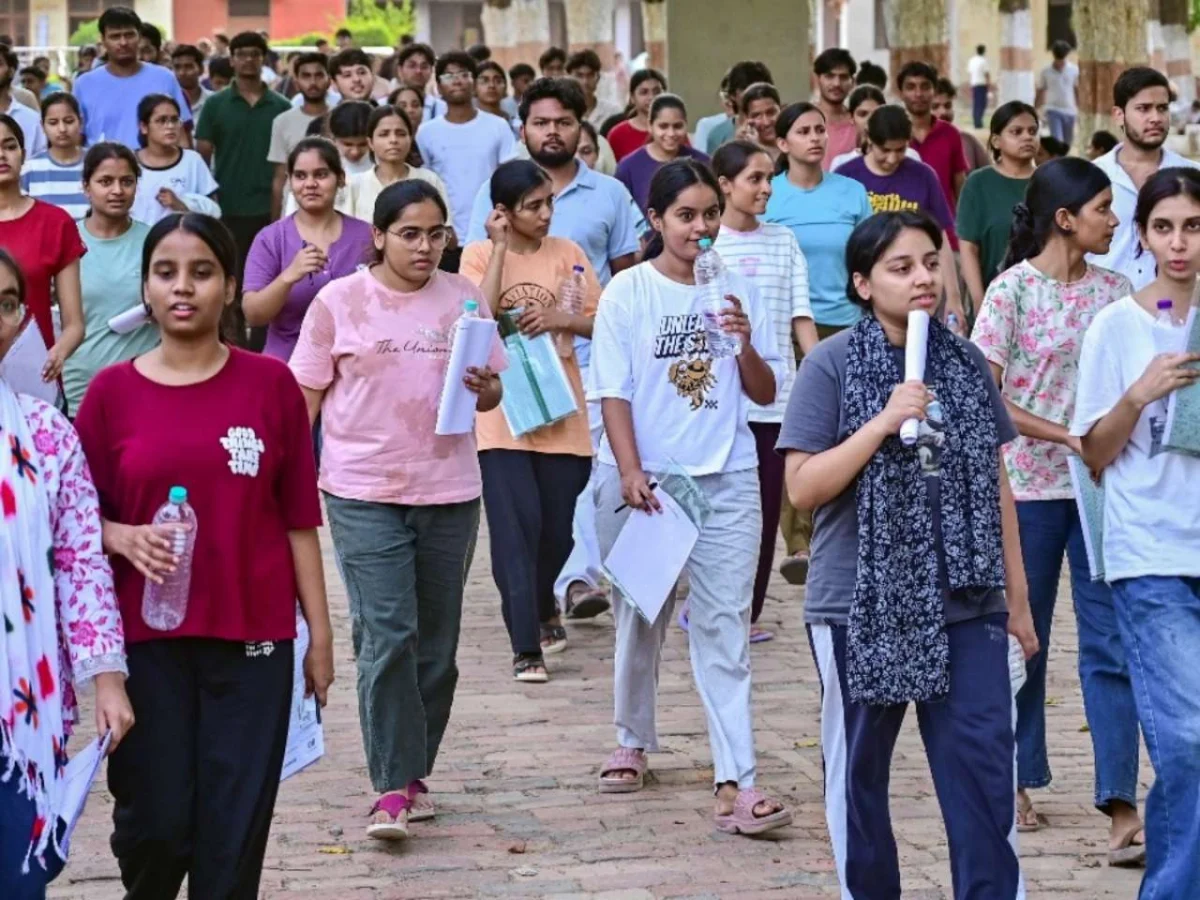
New Delhi: In a significant move aimed at enhancing transparency and convenience for aspiring medical students, the Medical Counselling Committee (MCC) has announced a suite of crucial changes to the National Eligibility cum Entrance Test (NEET) Undergraduate counselling process for the 2026 academic year. These reforms, set to be implemented shortly as counselling commences, promise to simplify procedures, reduce administrative burdens, and offer greater flexibility to candidates, particularly those seeking seat upgradation and those from Non-Resident Indian (NRI) backgrounds.
The Ministry of Health and Family Welfare, through an official notice, has underscored the committee’s commitment to a more student-centric approach, driven by recent software enhancements and a re-evaluation of existing protocols. These changes mark a pivotal step in the evolution of medical admissions in India, addressing long-standing logistical challenges and streamlining the path for thousands of qualified candidates.
Key Reforms Driving a New Era in Medical Admissions
The MCC’s latest announcement introduces three pivotal changes that will directly impact candidates participating in the NEET UG 2026 counselling. These reforms are designed to minimize physical movement, leverage digital infrastructure, and cater to the specific needs of diverse applicant groups.
1. Abolition of Physical Reporting for Seat Upgradation
Perhaps the most significant reform is the elimination of mandatory physical reporting for candidates who have secured a seat and wish to participate in subsequent counselling rounds for upgradation. Previously, even if a candidate was seeking a better-ranked college or course, they were often required to physically report to the initially allotted institution to complete admission formalities and signify their intent to participate in further rounds. This often led to unnecessary travel, logistical hurdles, and a potential loss of time for students and their families.
)
Under the new rule, candidates who opt for upgradation will have their admission automatically considered valid within the counselling system as they vie for a better opportunity in subsequent rounds. This means that their current allotted seat will be held, and they can pursue a higher preference without the need to physically present themselves at the institution. This reform is expected to significantly ease the burden on candidates, allowing them to focus on their academic pursuits or prepare for further counselling stages without the stress of physical reporting. The MCC has clarified that their admission status will remain active and recognized throughout the counselling process until a final, upgraded seat is secured or they choose to withdraw.
2. Introduction of Online Resignation Facility
Complementing the streamlined upgradation process, the MCC has also introduced a much-needed online resignation facility for NEET UG 2026 candidates. This digital gateway allows students to formally withdraw from their allotted seats through the official MCC counselling portal. This move replaces the erstwhile requirement of submitting physical resignation letters or forms, which often involved cumbersome procedures and potential delays.

The online resignation mechanism is expected to expedite the seat vacancy management process, allowing the MCC to quickly reallocate seats to eligible candidates on the waiting list. For students who may have secured a seat but later decide to pursue other options or are unable to join due to unforeseen circumstances, this online facility offers a convenient and efficient way to formally exit the counselling process. It ensures that their decision is recorded promptly and accurately, contributing to a more dynamic and responsive counselling system. The MCC has emphasized that this online process will be secure and authenticated, ensuring the integrity of the resignation procedure.
3. Online Document Upload for NRI Candidates
Recognizing the unique challenges faced by Non-Resident Indian (NRI) candidates and their families, the MCC has now enabled online document upload for these applicants directly through the MCC portal. Historically, NRI candidates have had to navigate a more complex documentation process, often involving physical submission of various certificates and proofs to establish their NRI status.
)
This new online facility will allow NRI candidates to upload all their supporting documents, such as proof of NRI status, sponsorship affidavits, and other relevant certificates, directly onto the MCC portal. This digitalization of the document verification process is expected to significantly reduce the time and effort involved for NRI applicants, making the counselling more accessible and efficient for them. It aligns with the broader digital transformation agenda of the government and aims to create a level playing field for all candidates, irrespective of their geographical location or background. The MCC will likely provide detailed guidelines on the types of documents required and the specific upload protocols.
Chronology of Reforms and the NEET UG 2026 Journey
The announcement of these reforms comes at a critical juncture, as the NEET UG 2026 counselling is poised to commence shortly. The journey for aspiring medical professionals in India is a multi-stage process, and these changes are integrated into the very fabric of this journey.
)
The NEET UG examination itself, conducted by the National Testing Agency (NTA), is the foundational step. The results for NEET UG 2026 were declared on July 16th, marking the culmination of a rigorous selection process. Approximately 20 lakh candidates appeared for the examination, held across a vast network of 5,440 centres in 551 cities within India and an additional 14 cities abroad. This sheer volume of participation underscores the competitive nature of medical admissions.
Following the declaration of results, the NTA also confirmed that a substantial number of candidates – 11.21 lakh – have qualified for admission to undergraduate medical, dental, AYUSH, and allied health science programs. It is these qualified candidates who will now engage with the MCC counselling process, where the newly introduced reforms will play a pivotal role.
)
The MCC, operating under the Ministry of Health and Family Welfare, is the nodal agency responsible for conducting the counselling for 15% All India Quota (AIQ) seats in government medical colleges, all seats in deemed universities, central universities, and private medical colleges. The commencement of counselling signifies the beginning of the allocation of these coveted seats, and the implemented changes are designed to ensure this process is as smooth and efficient as possible.
The reforms are not merely procedural tweaks; they represent a strategic shift towards a more integrated and technology-driven admission system. The MCC’s decision to implement these changes ahead of the counselling signifies a proactive approach to address potential bottlenecks and enhance the overall candidate experience.
)
Supporting Data and the Scale of NEET UG
To fully appreciate the impact of these reforms, it is essential to consider the scale of the NEET UG examination and its subsequent counselling process. The fact that over 2 million students appear for this single examination annually highlights the immense pressure and competition within the medical education sector.
The 11.21 lakh candidates who have qualified for admission face a crucial decision-making period during counselling. The ability to seamlessly manage seat preferences, upgradations, and potential resignations directly impacts their academic trajectory.
)
- Number of Applicants: Approximately 20 lakh candidates appeared for NEET UG 2026.
- Number of Qualified Candidates: 11.21 lakh candidates have qualified for undergraduate medical and allied programs.
- Counselling Scope: MCC handles counselling for 15% AIQ seats in government colleges, all seats in deemed universities, central universities, and private medical colleges.
The previous system, with its emphasis on physical reporting for upgradation, could have inadvertently led to a scenario where a significant number of candidates were unnecessarily burdened with travel and logistical arrangements. Similarly, a cumbersome resignation process could have led to delays in seat vacancy notifications, impacting the overall efficiency of the counselling. The online document upload for NRI candidates addresses a specific demographic challenge, ensuring that this group is not at a disadvantage due to geographical or procedural complexities.
Official Responses and the Rationale Behind the Changes
The official statements from the Ministry of Health and Family Welfare and the MCC emphasize a commitment to improving the transparency and student-friendliness of the NEET UG counselling process. The underlying rationale for these reforms is multifaceted:
)
1. Enhancing Transparency: By digitizing processes and reducing the reliance on physical interactions, the MCC aims to minimize the scope for manual intervention and potential discrepancies, thereby fostering a more transparent admission system. Online platforms provide a clear audit trail and equal access to information for all candidates.
2. Improving Efficiency: The elimination of physical reporting for upgradation and the introduction of an online resignation facility are expected to significantly expedite the counselling process. This means quicker seat allocation, faster vacancy notifications, and a more dynamic counselling cycle, ultimately benefiting both students and institutions.
)
3. Increasing Candidate Convenience: The reforms are fundamentally designed to reduce the stress and logistical challenges faced by candidates and their families. By enabling online processes, the MCC is empowering students to manage their admissions more effectively from the comfort of their homes.
4. Leveraging Technology: The MCC’s decision to undertake software changes and implement digital solutions for document upload and resignation reflects a forward-looking approach. Embracing technology is crucial for managing large-scale processes efficiently and effectively in the modern era.
)
A representative from the Ministry of Health and Family Welfare, speaking on condition of anonymity, stated, "Our primary objective is to create a fair, transparent, and efficient admission system that prioritizes the needs of the students. These reforms are a testament to our commitment to continuous improvement and ensuring that the NEET UG counselling process is as smooth as possible for all aspiring medical professionals."
The MCC’s official document explicitly mentions that the software changes have been implemented to support these new procedures, underscoring the technological backbone of these reforms. The emphasis on making the counselling "student-friendly" highlights a conscious effort to address feedback and adapt to the evolving expectations of the student community.
)
Implications for Aspiring Medical Professionals and the Future of Admissions
The implications of these MCC reforms for NEET UG 2026 counselling are far-reaching and positive.
For students seeking upgradation, the removal of physical reporting is a game-changer. It liberates them from the constraints of unnecessary travel and allows them to focus on their academic preparation or other commitments. This simplification can lead to a less stressful counselling experience, which is crucial during what is already a high-pressure period for students.
)
The online resignation facility offers a much-needed convenience for those who need to withdraw from a seat. This not only benefits the students by providing a simple exit route but also aids the MCC in quickly identifying vacant seats, thus accelerating the allocation process for other deserving candidates. This could potentially lead to earlier commencement of academic sessions in various institutions.
The online document upload for NRI candidates is a significant step towards inclusivity and accessibility. It removes geographical barriers and streamlines a process that was previously perceived as more cumbersome for this demographic. This could encourage a more diverse pool of candidates and reduce the administrative load on both applicants and the counselling authorities.
)
Looking ahead, these reforms set a precedent for future counselling processes across various professional courses. The success of these initiatives could encourage similar digital transformations and procedural simplifications in other admission systems, paving the way for a more modern and efficient educational landscape in India. The MCC’s proactive approach in embracing technology and prioritizing student convenience signifies a maturing of the medical admission process, aligning it with the aspirations and realities of today’s young aspirants. As the NEET UG 2026 counselling commences, these new rules are expected to usher in an era of streamlined admissions, making the journey to medical education smoother and more accessible for thousands across the nation.
