

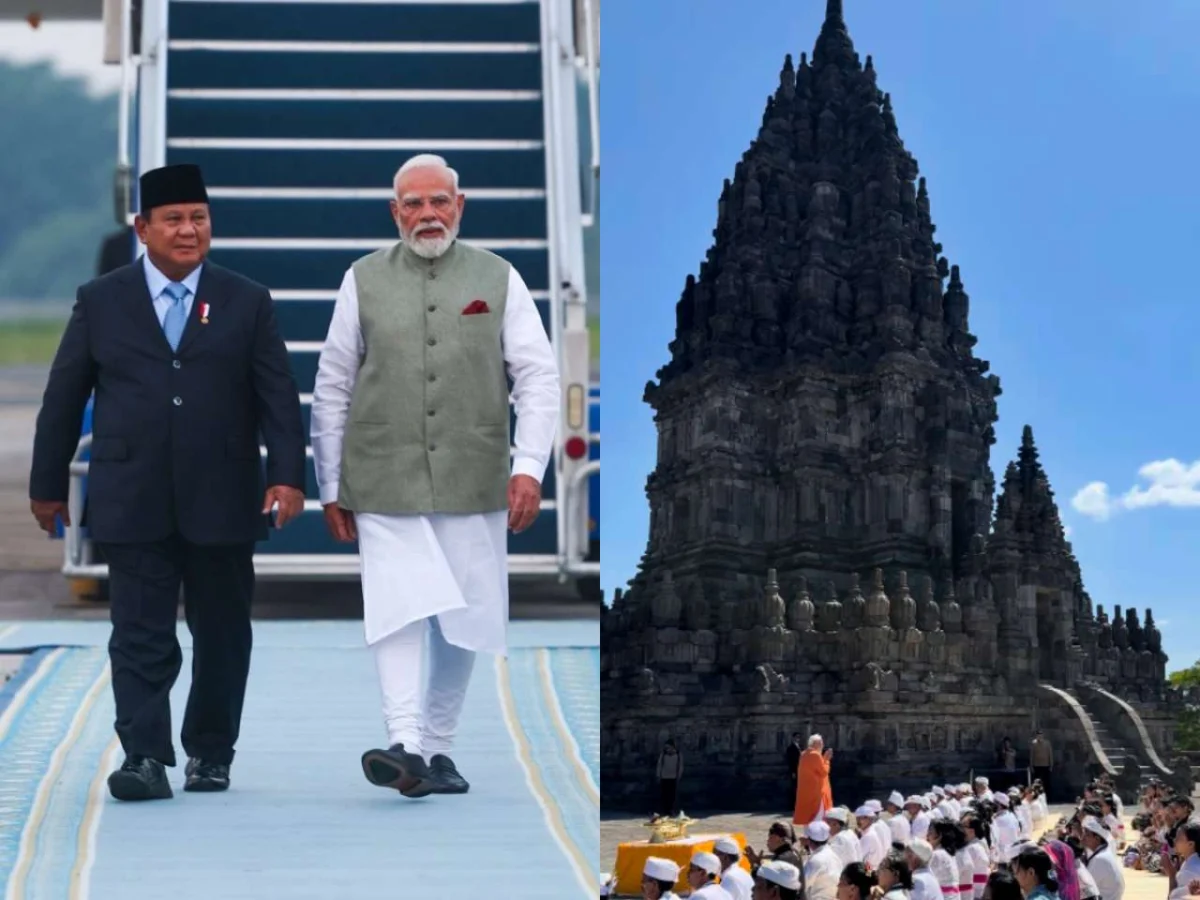
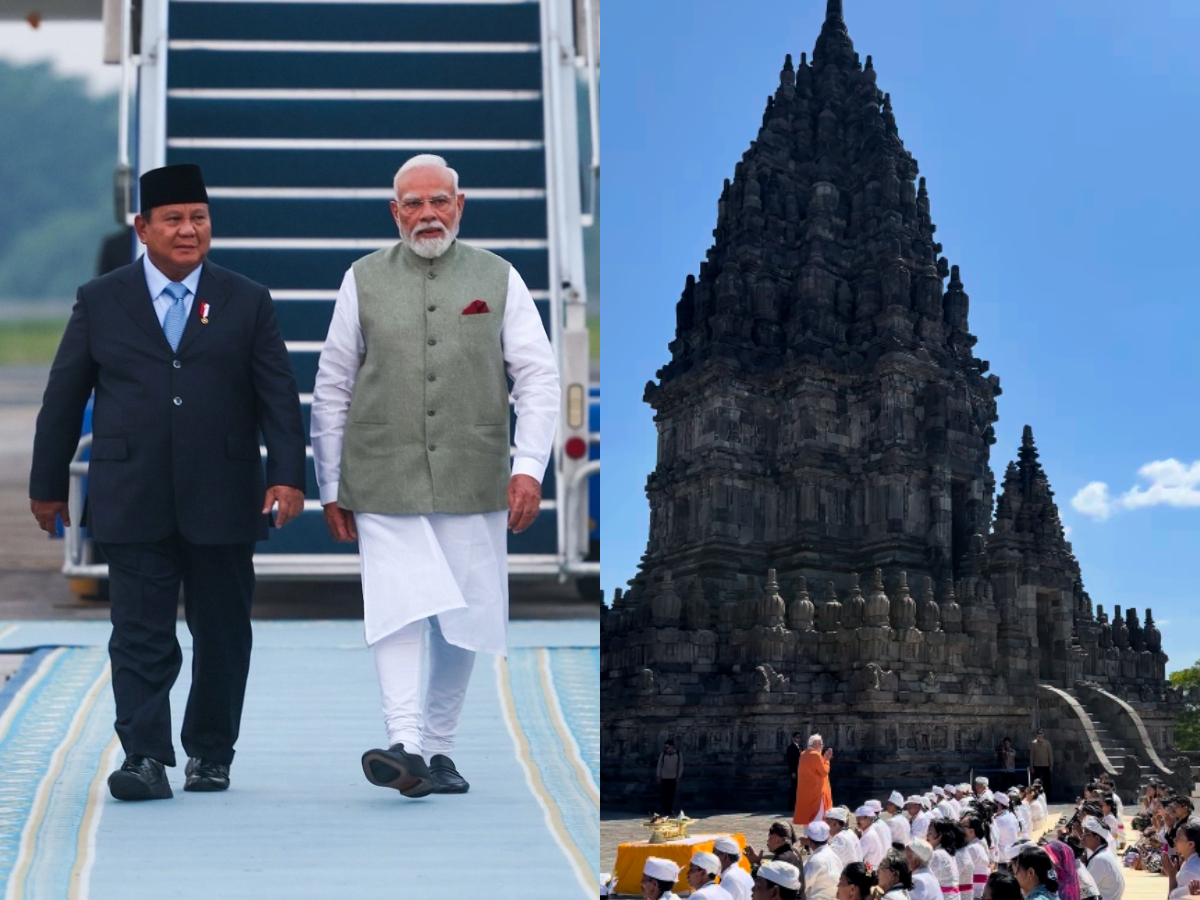
Yogyakarta, Indonesia – July 8, 2026 – During his recent state visit to Indonesia, Prime Minister Narendra Modi graced the magnificent Prambanan Temple complex, a UNESCO World Heritage Site near Yogyakarta. This significant visit underscored the deep-rooted cultural and historical connections that have bound India and Indonesia for centuries. Beyond a mere diplomatic stop, the Prime Minister’s presence at this ancient edifice served as a powerful testament to shared heritage, fostering a renewed commitment to preserving these invaluable historical landmarks. The visit also signals potential collaborative efforts between the two nations in the conservation of this iconic site.
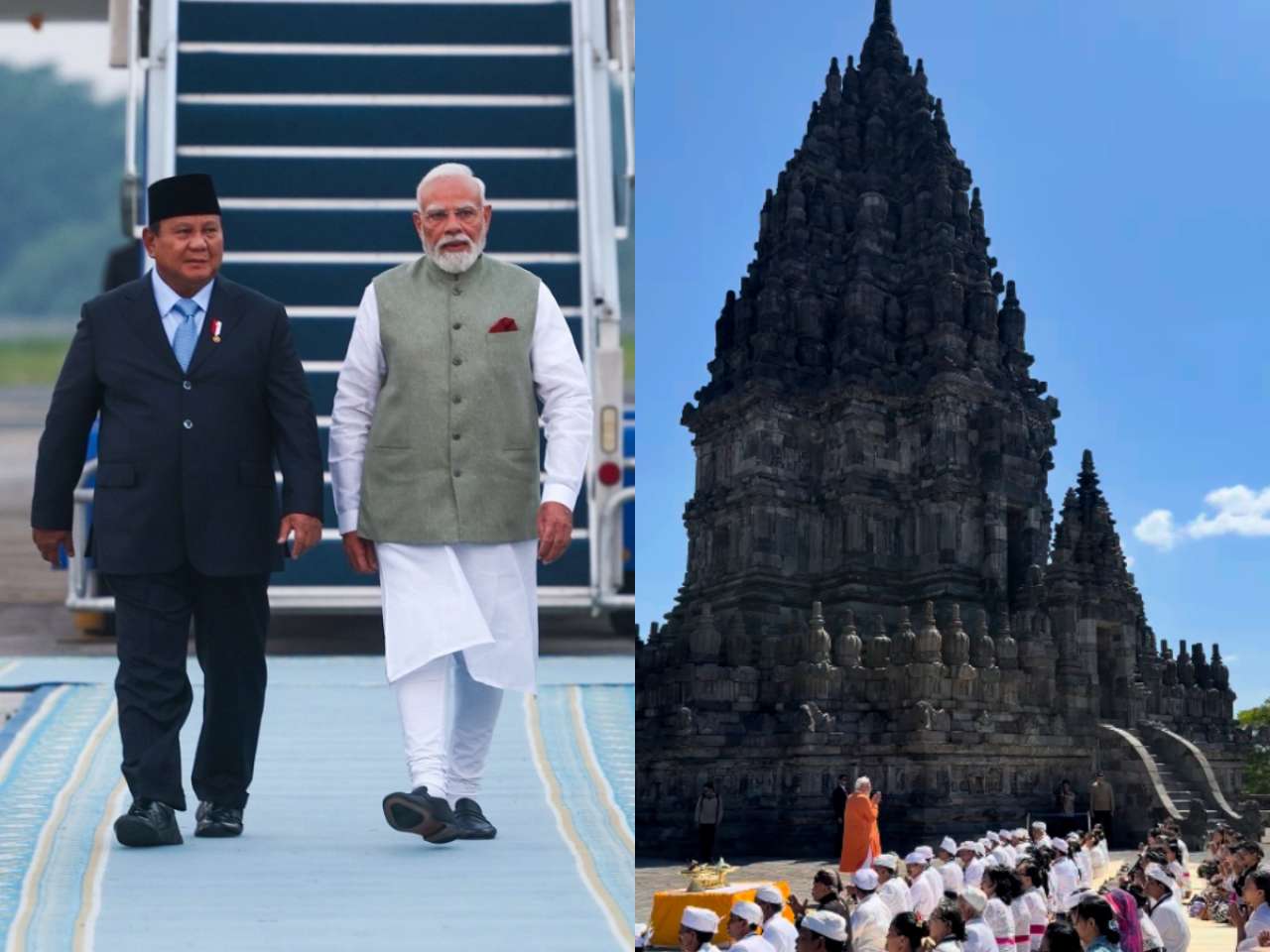
Indonesia, a nation predominantly recognized for its significant Muslim population, proudly safeguards Prambanan as a luminous symbol of its rich Hindu history and the enduring influence of Indian civilization. The temple’s grandeur and intricate artistry stand as a testament to a bygone era when Hindu and Buddhist philosophies deeply shaped the cultural landscape of the archipelago.
)
A Beacon of Ancient Javanese Hinduism
Prambanan, nestled in Central Java, is not merely the largest Hindu temple complex in Indonesia but also one of the most expansive in all of Southeast Asia. It proudly holds the distinction of being the second-largest Hindu temple complex in the region, a remarkable feat surpassed only by the awe-inspiring Angkor Wat in Cambodia. The architectural marvel that is Prambanan owes its existence to the Sanjaya dynasty of the ancient Mataram Kingdom, with its construction dating back to the 9th and 10th centuries. The complex is a profound tribute to the Hindu Trimurti – Lord Shiva, Lord Vishnu, and Lord Brahma – embodying the fundamental principles of creation, preservation, and destruction within Hindu cosmology.
)
Often juxtaposed with its Buddhist counterpart, the nearby Borobudur Temple, Prambanan offers a compelling narrative of ancient Java’s multifaceted religious and cultural tapestry. While Borobudur showcases the island’s Buddhist heritage, Prambanan stands as an equally vital pillar of its Hindu legacy. Together, these monumental structures offer a comprehensive glimpse into the spiritual and artistic zenith of ancient Javanese civilization. Recognizing its unparalleled historical and architectural significance, UNESCO bestowed upon the Prambanan Temple Compound the esteemed status of a World Heritage Site in 1991, acknowledging its universal value to humanity.

Architectural Grandeur and Spiritual Symbolism
The sheer verticality and imposing presence of Prambanan’s towers are often the first elements that captivate visitors. The heart of the complex comprises three principal temples, each dedicated to the supreme deities of the Trimurti. The Temple of Shiva, the most prominent and tallest, soars to an impressive height of approximately 47 meters, symbolizing the supreme power and omnipresence of Lord Shiva. Within its sacred confines, visitors are greeted by exquisitely carved statues of Lord Shiva, Goddess Durga in her formidable aspect, Lord Ganesha, the remover of obstacles, and the revered sage Agastya. The architectural layout of the temples, meticulously arranged in a square formation, is deeply rooted in Hindu philosophical principles, mirroring the perceived structure of the universe and the cosmic order.
)
Originally, the Prambanan complex boasted an impressive array of approximately 240 temples, spread across a vast expanse of nearly 40 hectares. While time and natural calamities have reduced many of the smaller shrines to mere ruins, the main temples have undergone meticulous restoration, preserving their historical integrity and artistic splendor. This ongoing restoration effort is a testament to the dedication of preservationists and the enduring significance of the site.
)
Echoes of the Ramayana in Stone
Prambanan is renowned not only for its architectural magnificence but also for its exquisitely detailed stone carvings. The temple walls are adorned with intricate bas-reliefs that narrate the epic saga of the Ramayana, one of the most revered and influential scriptures in Hinduism. Visitors embark on a spiritual and cultural journey as they circumambulate the temple in a clockwise direction, following the chronological unfolding of the Ramayana narrative etched in stone. These captivating carvings are a powerful illustration of Indian cultural influence seamlessly integrated with the distinct artistic sensibilities of Java, creating a unique hybrid form of expression.
)
The resonance of the Ramayana continues to echo at Prambanan even in the present day. The temple complex serves as a breathtaking backdrop for spectacular open-air Ramayana ballet performances. These captivating performances, a harmonious blend of traditional dance, evocative music, and dramatic storytelling, bring the ancient epic to life against the illuminated grandeur of the temple, offering a truly immersive cultural experience.
)
The Legend of Princess Roro Jonggrang: A Tale of Love and Deception
The mystical allure of Prambanan is intrinsically linked to a famous Javanese legend, the tale of Princess Roro Jonggrang. According to this captivating folklore, the princess, renowned for her beauty, agreed to marry the formidable warrior Bandung Bondowoso on the condition that he construct a thousand temples within a single night. Driven by his desire and aided by supernatural powers, the prince embarked on this monumental task. However, as dawn approached and the thousandth temple was on the verge of completion, the resourceful princess, fearing the union, resorted to a clever ruse. She orchestrated a village-wide illumination and instructed the villagers to pound rice, creating the illusion of an early morning. Fooled by this deception, the spirits assisting the prince vanished, leaving the task unfinished.
)
Enraged by the princess’s trickery, Bandung Bondowoso, in his fury, is said to have cursed Roro Jonggrang, transforming her into a stone statue. Local tradition holds that the statue of Goddess Durga within the Shiva temple is, in fact, the petrified form of Princess Roro Jonggrang. While historians largely regard this narrative as folklore, it adds a layer of romantic intrigue and mythical depth to the historical significance of the temple.
)
From Ancient Ruins to Enduring Heritage: A Chronicle of Resilience
Following significant political shifts in the 10th century, Prambanan, like many ancient structures, gradually succumbed to the ravages of time and neglect. A series of volcanic eruptions, seismic activities, and prolonged periods of abandonment led to the decay of many structures, leaving them buried beneath layers of volcanic ash and encroaching vegetation.
)
The site lay in a state of relative obscurity until its rediscovery in the 19th century, marking the beginning of systematic restoration efforts. However, the resilience of Prambanan was once again tested by the devastating Yogyakarta earthquake in 2006, which caused further damage. Despite these setbacks, dedicated restoration projects have been instrumental in preserving the monument’s structural integrity and artistic heritage. Today, while the meticulous reconstruction of several smaller temples continues, the main shrines stand restored, serving as a vibrant testament to Indonesia’s rich past and remaining one of the nation’s most significant tourist attractions.
)
A Living Legacy: Symbol of Indonesia’s Hindu Roots
Despite its contemporary identity as a nation with a predominantly Muslim population, Hindu traditions remain an integral and cherished component of Indonesia’s historical and cultural fabric. The seeds of Hindu influence were sown in the Indonesian archipelago over 1,500 years ago, primarily through vibrant trade routes and extensive cultural exchanges with India.
)
Over centuries, powerful Hindu and Hindu-Buddhist kingdoms flourished across various parts of Java, Sumatra, and Bali, leaving behind a rich legacy of magnificent temples, ancient inscriptions, and enduring cultural practices. Today, Bali stands as the spiritual heartland of Hinduism in Indonesia, while monumental sites like Prambanan continue to stand as powerful custodians of the nation’s profound Hindu heritage, connecting the present to a glorious past.
)
The visit by Prime Minister Modi to Prambanan is more than just a diplomatic engagement; it is a symbolic reaffirmation of the historical continuum and the enduring cultural bonds that transcend geographical boundaries. It highlights the shared human endeavor to preserve legacies that speak of human ingenuity, spiritual devotion, and the interconnectedness of civilizations. As India and Indonesia continue to forge stronger ties, the shared heritage embodied by Prambanan serves as a powerful reminder of the enduring strength of cultural diplomacy and the shared narratives that enrich our global tapestry.
