

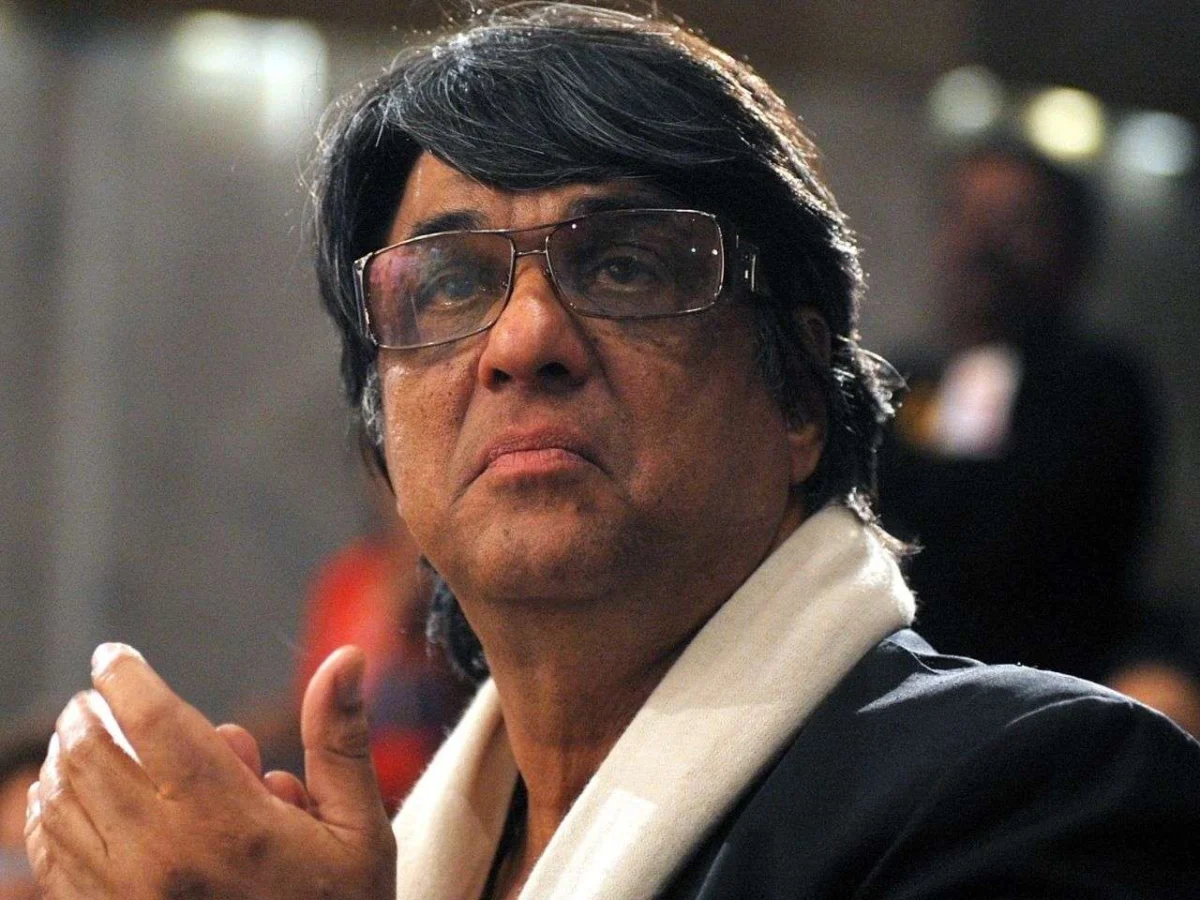
Mumbai, India – August 16, 2026 – Actor Mukesh Khanna, widely recognized for his iconic portrayal of Shaktimaan, has once again stirred a significant national conversation with a controversial assertion regarding India’s national anthem. In a recent interview, Khanna vociferously advocated for the removal of "Jana Gana Mana" and its replacement with "Vande Mataram" as the nation’s official anthem, citing historical interpretations and a perceived lack of indigenous sentiment in the current anthem. His statements, amplified by the release of his new patriotic song, "Aao Bacchon," have ignited a fervent debate, touching upon national identity, historical narratives, and the very essence of patriotic expression.
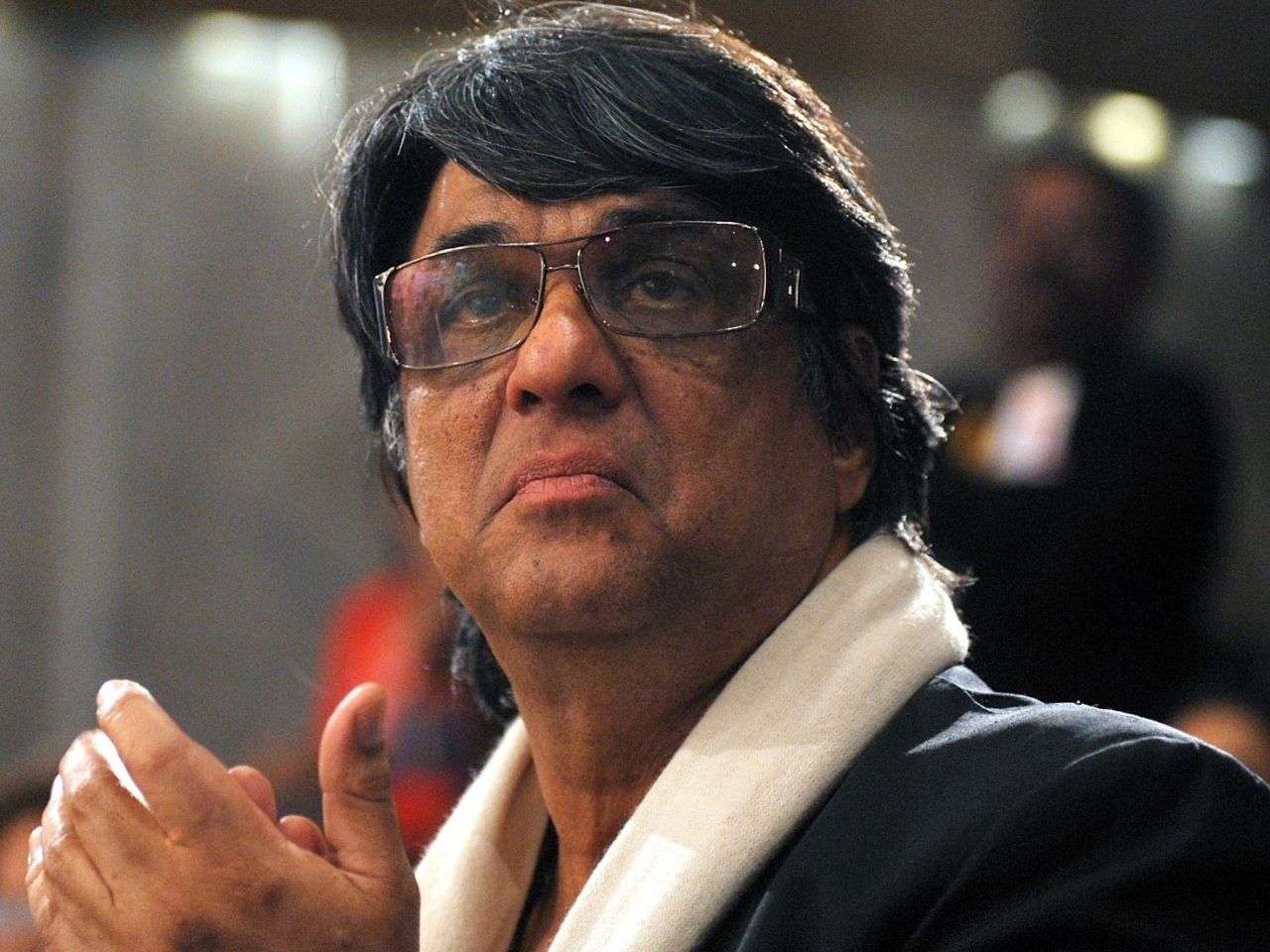
Khanna’s proposition is not new; he claims to have been advocating for this change for the past three years. However, his recent pronouncements carry a new weight, seemingly bolstered by his recent artistic endeavor and his interpretation of current political undertones. He argues that "Jana Gana Mana," penned by Nobel laureate Rabindranath Tagore, was originally conceived as a tribute to Queen Elizabeth, and therefore, does not authentically represent India’s spirit. In contrast, he champions "Vande Mataram," a powerful ode to the motherland, as a more fitting and deeply rooted national anthem.
)
The Core of Khanna’s Argument: A Historical and Emotional Disconnect
Mukesh Khanna’s central argument hinges on a specific historical interpretation of "Jana Gana Mana." He posits that the anthem’s genesis lies in a song written by Rabindranath Tagore to welcome Queen Elizabeth during her visit to India. "Jana Gana Mana" was first sung at the 1911 Delhi Durbar, a grand event organized to celebrate the coronation of King George V and Queen Mary as Emperor and Empress of India. While Tagore himself never explicitly stated the song was solely for the Queen, Khanna, like some other critics, interprets the phrase "Bhagyavidhata" (dispenser of destiny) as referring to the British monarch.
)
"I said this three years ago that ‘Vande Mataram’ should be made a national anthem," Khanna stated in an interview with IANS. " ‘Jana Gana Mana’ is not the national anthem of our country. It is a tribute to Queen Elizabeth. Rabindranath Tagore wrote a song in praise of her. We have accepted it. Bhagyavidhata, Punjab, Singh. It is not ours."

He further elaborated on his conviction, emphasizing the emotional resonance he finds in "Vande Mataram." "Vande Mataram is ours. Lata ji sang it so beautifully. I had a meeting with Kalyanji Anandji bhai. It has been two years since I have read it. I have recorded a Vande Mataram song for seven minutes, which should become iconic."
)
Khanna’s assertion that "Jana Gana Mana" is not "ours" reflects a sentiment that the anthem lacks a visceral connection to India’s indigenous struggle for freedom and its inherent cultural ethos. He contrasts this with "Vande Mataram," which he believes, particularly in its rendition by the legendary Lata Mangeshkar, evokes a profound sense of patriotism and devotion to the motherland. The inclusion of his newly released seven-minute rendition of "Vande Mataram," sung by Shaan, underscores his commitment to popularizing this alternative.
)
A Chronology of Controversy and National Symbols
The debate surrounding "Vande Mataram" and "Jana Gana Mana" is not new in India. "Vande Mataram," penned by Bankim Chandra Chattopadhyay in his novel Anandamath (1882), became a rallying cry for the Indian independence movement. Its powerful verses resonated deeply with freedom fighters and the masses. However, its perceived religious undertones, particularly the invocation of the mother goddess, led to objections from some sections of society, including Muslim leaders, during the pre-independence era.
)
Conversely, "Jana Gana Mana" was officially adopted as India’s national anthem on January 24, 1950. Its selection was based on its perceived universal appeal and its focus on the diverse geography and people of India, rather than a specific deity or ruler. The Constituent Assembly debates, however, did not extensively delve into the historical context of its composition, focusing more on its lyrical content and suitability as a national symbol.
)
Mukesh Khanna’s renewed call to replace "Jana Gana Mana" taps into this historical undercurrent, reigniting discussions about the origins and symbolic weight of national emblems. His claim that "Modi ji has already…" suggests a belief that the current government is subtly paving the way for such a change, possibly through initiatives that emphasize "Vande Mataram" in public spheres.
)
Supporting Data and Perspectives: The "Jana Gana Mana" Controversy
The claim that "Jana Gana Mana" was written solely as a tribute to Queen Elizabeth is a fringe interpretation and is not widely accepted by historians or scholars. Rabindranath Tagore himself provided varying accounts of the song’s inspiration. In one instance, he stated that the song was written on the occasion of the Delhi Durbar in 1911, and he intended to express his humble praise to the ruler of India. However, he also emphasized that the song was meant to praise the "Dispenser of India’s destiny," a phrase that could be interpreted in various ways, not exclusively as referring to a foreign monarch.
)
Furthermore, many argue that Tagore’s poetic genius allowed him to imbue the song with a broader, more spiritual significance, celebrating the collective spirit and diverse landscape of India. The phrase "Jana Gana Mana Adhinayaka Jaya He" can be interpreted as "The ruler of the minds of all people, victory be yours," which transcends a specific individual or ruler and speaks to a universal leadership principle.
)
The "Vande Mataram" song, while deeply patriotic, has also faced its share of controversy. Certain verses in the original poem were deemed by some to be idolatrous, leading to its partial omission from public renditions during certain periods. This historical context adds another layer of complexity to the debate.
)
Official Responses and Potential Implications
As of the time of this report, there has been no official response from the Indian government or the Prime Minister’s Office to Mukesh Khanna’s statements. However, such pronouncements from public figures often elicit strong reactions from various political and social organizations.
)
The implications of such a significant change to a national symbol like the anthem would be far-reaching:
)
- National Unity and Division: A debate over the national anthem could potentially unite citizens in a shared discussion about national identity. However, it could also deepen existing societal divisions, depending on the interpretations and political endorsements of each side.
- Historical Re-evaluation: Such a move would necessitate a public re-evaluation of historical narratives surrounding both anthems and their composers.
- Legal and Constitutional Challenges: Replacing the national anthem would involve a complex legal and constitutional process, requiring parliamentary approval and potentially public consultation.
- Cultural Impact: The national anthem is a powerful symbol of national pride and cultural identity. Any change would inevitably have a profound cultural impact on the nation’s psyche and its global representation.
The Road Ahead: A Dialogue on National Identity
Mukesh Khanna’s provocative statements have undeniably thrust the discussion about India’s national anthem back into the public consciousness. While his interpretation of history and his emotional appeal for "Vande Mataram" resonate with some, the established status of "Jana Gana Mana" as the national anthem, recognized for its inclusive and pan-Indian spirit, holds significant weight.
)
The debate, however, serves as a valuable opportunity for a broader national dialogue. It encourages citizens to reflect on the symbols that represent their nation, the historical narratives that shape their understanding of patriotism, and the evolving definition of national identity in a diverse and democratic society. Whether this discourse leads to a formal change in the national anthem or simply a deeper appreciation for the existing one, the conversation initiated by Mukesh Khanna is likely to leave a lasting imprint on India’s cultural and political landscape. The coming days and weeks will likely witness further discussions, reactions, and potentially, a more nuanced understanding of what truly constitutes the heart and soul of India’s national anthem.
