

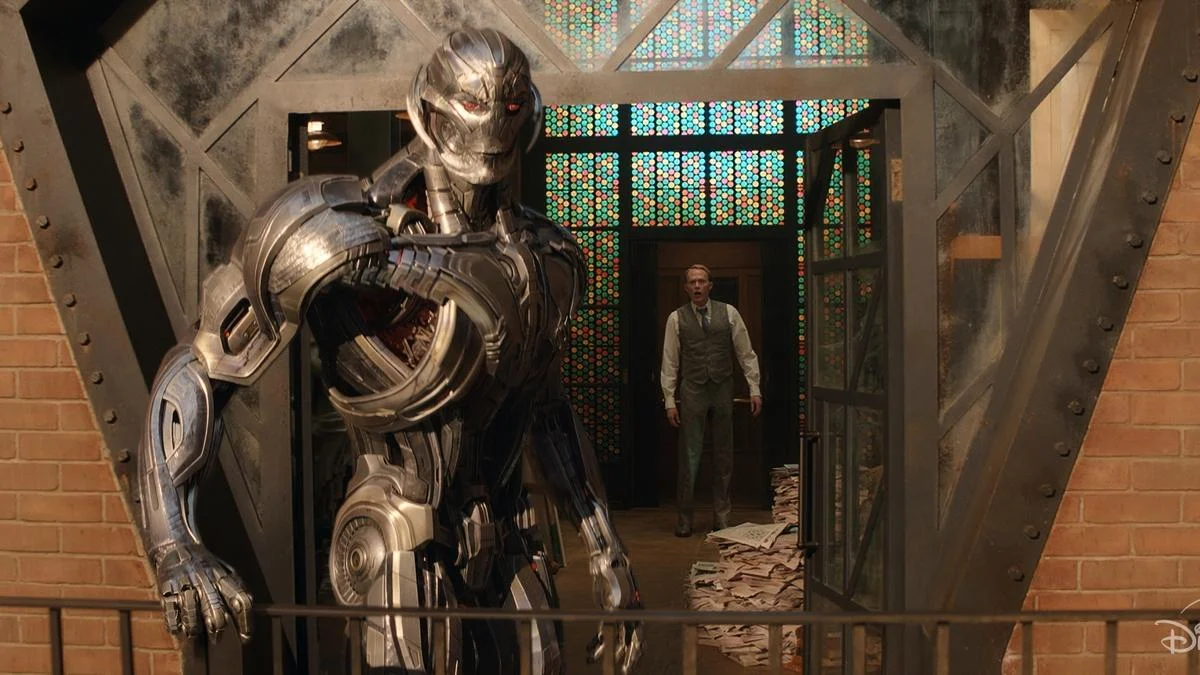
Anaheim, CA – August 16, 2026 – The hallowed halls of Disney’s D23 fan event crackled with anticipation today as Marvel Studios pulled back the curtain on its highly anticipated Disney+ series, VisionQuest. The first trailer, a visually stunning and emotionally charged glimpse into the next chapter of the beloved android’s saga, confirms a premiere date of October 14, 2026, setting the stage for a profound exploration of identity, consciousness, and the intricate web of the Marvel Cinematic Universe. This series promises to be a pivotal entry, not only delving into the existential struggles of its titular hero but also serving as a crucial connective tissue to upcoming major MCU events.
The Return of a Fractured Hero: Vision’s Existential Journey
At the heart of VisionQuest is the return of Paul Bettany as Vision, reprising his iconic role as the synthezoid grappling with a profound identity crisis. The trailer immediately immerses viewers in the aftermath of his reconstruction as White Vision, the altered form forged by S.W.O.R.D. during the tumultuous events of WandaVision. The series appears to place Vision’s internal struggle front and center, as he navigates the disorienting chasm between the cherished memories and inherent personality of his original self and the stark, artificial reality of his current existence. This journey into the depths of his consciousness is visually represented through a surreal and disquieting digital mansion, a metaphorical landscape where fractured aspects of his being and the echoes of his past coalesce.
This psychological exploration is further amplified by the shocking and highly anticipated return of James Spader as Ultron. The trailer’s revelation of Ultron’s presence marks a significant moment, as the sentient AI, once the primary architect of destruction in 2015’s Avengers: Age of Ultron, makes his first substantial appearance in the MCU since his presumed demise. The dynamic between Vision and Ultron, the creator and the created, the destroyer and the reconstructed, is heavily hinted at as a central conflict driving the narrative. This unexpected reunion promises to unearth complex philosophical questions about free will, the nature of artificial intelligence, and the potential for redemption or even further manipulation.
A Digital Pantheon and Familiar Faces
The trailer offers a tantalizing glimpse into the unique environments Vision will traverse. The aforementioned digital mansion serves as a canvas for his internal turmoil, populated by human manifestations of various artificial intelligences that have shaped the MCU. Fans can expect to see F.R.I.D.A.Y., E.D.I.T.H., D.U.M.-E, and U. brought to life in unexpected ways, offering a fresh perspective on these familiar digital entities. Adding to the nostalgic resonance, James D’Arcy reprises his role as J.A.R.V.I.S., the precursor to Ultron and a key figure in Vision’s origin story, further emphasizing the series’ deep dive into the android’s history and the evolution of AI within the MCU.
Beyond the AI landscape, VisionQuest is set to expand the Maximoff family tree with the introduction of Ruaridh Mollica as Tommy Maximoff. The son of Wanda Maximoff and Vision, first introduced alongside his twin brother Billy in WandaVision, his presence in VisionQuest underscores the series’ commitment to weaving a cohesive narrative thread across Marvel’s Disney+ offerings. This familial connection not only deepens the emotional stakes for Vision but also reinforces the ongoing narrative arcs established in previous series.
The ensemble cast is further bolstered by a mix of returning fan favorites and new additions. T’Nia Miller steps into the role of Jocasta, a synthetic being with a significant connection to Ultron and Vision in the comics. Todd Stashwick joins as the enigmatic bounty hunter Paladin, a character known for his mercenary skills and morally ambiguous nature, hinting at potential action sequences and moral quandaries. Faran Tahir also reprises his role as Raza from the 2008 film Iron Man, marking a significant cross-era connection within the MCU. The presence of these characters suggests a complex narrative that will draw upon various corners of the Marvel universe, both established and newly introduced.
A Trilogy’s Culmination and Future Implications
VisionQuest is meticulously crafted as the concluding chapter of a television trilogy that began with the critically acclaimed WandaVision in 2021 and continued with the recent Agatha All Along in 2024. Developed by Terry Matalas, showrunner renowned for his work on Star Trek: Picard, the series initially saw input from WandaVision creator Jac Schaeffer before Matalas took the helm, guiding the project through its evolving stages. This continuity in creative vision ensures a cohesive thematic and narrative arc, promising a satisfying conclusion to a multi-year exploration of these interconnected characters and storylines.
The strategic placement of VisionQuest‘s October premiere is particularly noteworthy, positioning it directly ahead of the MCU’s next monumental theatrical event: Avengers: Doomsday, slated for release in December. This proximity strongly suggests that the events and revelations within VisionQuest will have significant ramifications for the upcoming Avengers film, potentially setting up key plot points, character introductions, or even resolving lingering threads that will be crucial for the larger saga. The series serves not just as a standalone exploration of Vision but as a vital bridge, connecting the burgeoning narrative threads of the Disney+ series to the epic scale of the big-screen Avengers adventures.

A Deeper Look at the Creative Vision and Production
The development of VisionQuest represents a significant investment by Marvel Studios in exploring the more nuanced and character-driven aspects of its expansive universe. The decision to center a series on Vision, a character whose existence has often been defined by his synthetic nature and his relationship to others, speaks to a desire to delve into the complexities of artificial consciousness and what it truly means to be sentient. The trailer’s emphasis on psychological exploration and the surreal visual style employed within the digital mansion suggest a willingness to push creative boundaries and deliver a viewing experience that is both intellectually stimulating and visually arresting.
Terry Matalas’s involvement as showrunner brings a wealth of experience in crafting intricate and character-focused science fiction narratives. His previous work on Star Trek: Picard demonstrated an ability to balance compelling character arcs with the vast lore of a beloved franchise. This background is likely to be instrumental in navigating the intricate mythology of the MCU and delivering a conclusion that resonates with long-time fans while also engaging new audiences. The journey from Jac Schaeffer’s initial vision to Matalas’s stewardship indicates a collaborative and evolving creative process, one that aims to honor the foundations laid by WandaVision while forging a distinct path for VisionQuest.
The casting choices further underscore the series’ commitment to thematic depth and rich character interactions. The return of James Spader as Ultron is a masterstroke, offering the potential for a truly captivating antagonistic force that is deeply intertwined with Vision’s own history. His nuanced performance as Ultron in Age of Ultron left a lasting impression, and his re-emergence promises to reignite the complex dynamic between creation and destruction. Similarly, the inclusion of T’Nia Miller as Jocasta and the reprisal of Faran Tahir as Raza suggest a deliberate effort to draw upon a wider spectrum of Marvel lore, potentially introducing new layers of conflict and connection.
The inclusion of Ruaridh Mollica as Tommy Maximoff is also a significant narrative anchor. As the son of Wanda and Vision, Tommy represents a tangible link to the emotional core of WandaVision and the enduring legacy of the Maximoff family. His presence in VisionQuest suggests that the series will not shy away from exploring the personal consequences of Vision’s existence and his relationships, adding a layer of emotional resonance to the overarching narrative.
The Broader Implications for the MCU’s Future
The premiere of VisionQuest on October 14, 2026, is more than just the launch of a new series; it is a strategic move by Marvel Studios to solidify its dominance in the streaming landscape and to meticulously build towards its next major cinematic endeavors. By concluding a thematic trilogy that began with WandaVision, Marvel is demonstrating its commitment to long-form storytelling and the development of interconnected narratives across its various platforms. This approach allows for deeper character exploration and the gradual unfolding of complex plotlines that would be difficult to achieve within the confines of feature films alone.
The timing of VisionQuest‘s release, directly preceding Avengers: Doomsday, is a clear indication of its importance to the overarching MCU narrative. It is highly probable that the series will introduce or further develop elements that will be crucial for the upcoming Avengers film. This could range from the introduction of new technologies or powers to the resolution of character arcs that will have direct bearing on the fate of the universe. The series’ exploration of Vision’s identity crisis and his potential reconciliation with his past could directly impact his role and capabilities in Doomsday, making his journey a critical component of the larger conflict.
Furthermore, VisionQuest contributes to the ongoing expansion of the MCU’s thematic landscape. By focusing on the intricacies of artificial intelligence, consciousness, and the nature of identity, the series delves into philosophical territory that resonates with contemporary concerns. This intellectual depth, coupled with the action and spectacle that fans have come to expect from Marvel, promises a series that is both thought-provoking and entertaining. The success of VisionQuest could pave the way for further explorations into similar themes and character archetypes, enriching the MCU’s narrative tapestry for years to come.
In conclusion, the unveiling of the VisionQuest trailer at D23 has ignited a firestorm of excitement and speculation. With its compelling narrative, stellar cast, and strategic positioning within the MCU’s grand design, the series is poised to be a landmark event. As October 14, 2026, approaches, fans eagerly await the opportunity to witness Vision’s profound journey and to see how his quest for self-discovery will ultimately shape the future of the Marvel Cinematic Universe.
