

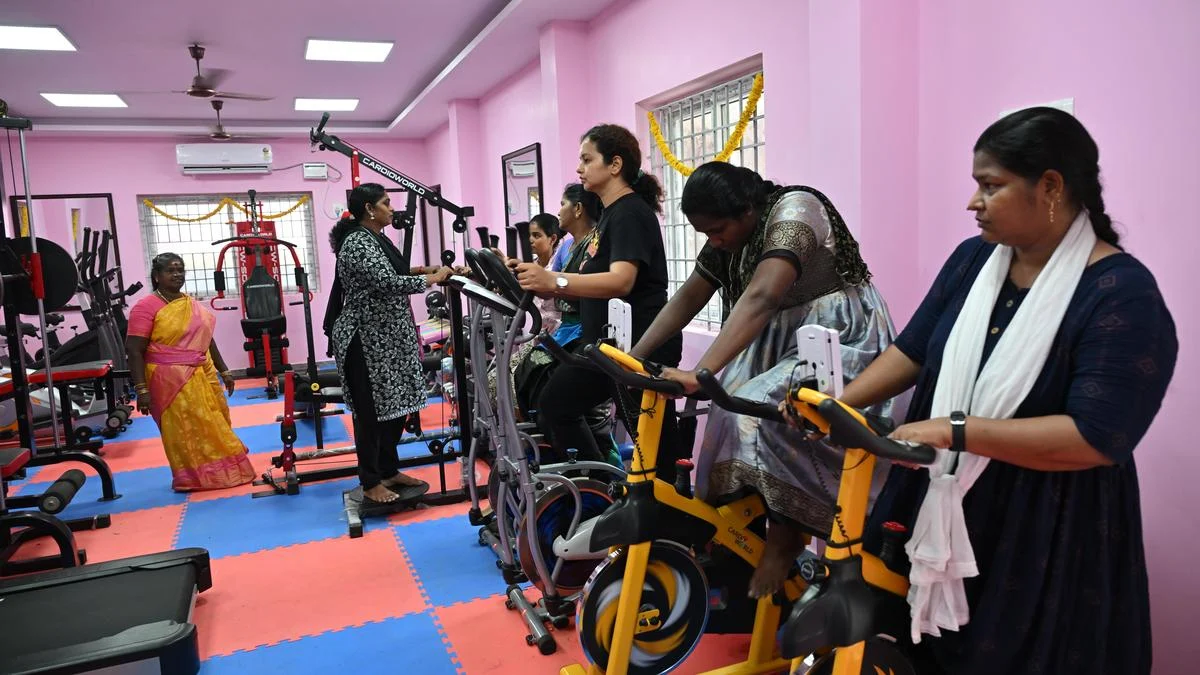
Chennai, India – July 11, 2026 – A once-neglected patch of vacant land on Fourth Trust Link Street, Santhome, has undergone a remarkable transformation, evolving from a blight on the neighborhood into a beacon of health and empowerment for women. The Greater Chennai Corporation (GCC) has inaugurated a state-of-the-art women’s gymnasium, breathing new life into a space previously notorious for illegal dumping and urban decay. This initiative, funded by a substantial ₹80 lakh drawn from the Mayor’s Fund and the Councillor’s Fund, represents a significant investment in the well-being of the community, particularly its female residents.
The newly established gym, located in Ward 126, was officially opened on July 8, 2026, with the inauguration ceremony graced by Mylapore MLA P. Venkataramanan and Ward 126 Councillor Amirtha Varshini. The strategic location, a mere 200 meters from the bustling Santhome High Road, near the site of the old registrar office, is anticipated to significantly boost its accessibility and encourage widespread patronage. This development not only addresses a pressing civic issue but also underscores a growing commitment by local authorities to provide accessible and dedicated facilities for women’s health and fitness.
The Genesis of a Transformation: From Eyesore to Exercise Haven
For years, the vacant plot on Fourth Trust Link Street was a source of considerable frustration for residents and a daily challenge for the Greater Chennai Corporation. Situated adjacent to a GCC-run middle school, the land had unfortunately become a de facto dumping ground. Residents and passersby, lacking adequate waste disposal alternatives or perhaps succumbing to convenience, routinely used the space to discard garbage. This practice not only created an unsightly environment but also posed significant health and sanitation risks to the surrounding area, including the nearby school.
The transformation of this derelict space into a modern gymnasium marks a pivotal moment for the Santhome neighborhood. The GCC’s decision to invest in a dedicated women’s gym on this very plot signifies a proactive approach to urban regeneration, tackling a persistent civic problem by repurposing the land for a beneficial community purpose. The project’s funding, a collaborative effort between the Mayor’s Fund and the Councillor’s Fund, highlights a shared vision and commitment to improving public amenities.
Strategic Design and Thoughtful Timings: Catering to Diverse Needs
The design and operational schedule of the Santhome women’s gym have been meticulously planned to cater to the diverse lifestyles and schedules of its target demographic. Recognizing the unique challenges faced by women, particularly working professionals and homemakers, the gym’s timings are structured to offer maximum flexibility.
The gym operates in two key sessions: 6 a.m. to 10 a.m. in the morning and 4 p.m. to 8 p.m. in the evening. This dual timing aims to accommodate both early risers seeking a pre-work fitness routine and those who prefer to exercise after their daily responsibilities are met. The morning slot is particularly beneficial for working women who need to fit in their daily exercise before the demands of their professional lives begin. Simultaneously, the afternoon and evening sessions are designed for homemakers who may have more time available once children have left for school or college, and after their morning household chores are completed.
There is a discernible sentiment among some users, particularly homemakers, that extending the morning session by an hour or two could further enhance convenience. This suggests a potential for future adjustments based on user feedback, demonstrating an ongoing commitment to responsiveness.
Beyond the scheduled hours, the gym’s in-charge, B. Thangam, has demonstrated a commendable level of flexibility. Her willingness to keep the gym doors open for a short period beyond the stipulated hours, should it significantly benefit a user, underscores a dedication to service and a personal touch that goes beyond mere operational protocol. This flexibility is a testament to the human-centric approach being adopted at this community facility.
A Hub of Fitness and Community: User Testimonials and Facilities
The impact of the new gym is already being felt within the community, with users expressing their delight and appreciation for the facility. The presence of dedicated fitness equipment and the overall ambiance have been lauded.
Geetha Lakshmi, a teacher at the Corporation school adjacent to the gym, shared her positive experience. "The place where the gym stands now had gone to seed," she observed. "Raising a gym there is the best thing to have happened to the place, residents and habitués of the area. For the last two days that the gym has been open, teachers from this school have been dropping in for workouts after school hours. Having this facility next door is a great convenience." Her testimony highlights the immediate benefit to the school community and the positive transformation of the physical space.

Felci Therese, a resident of the area, emphasized the affordability aspect, stating that with all other gyms in the vicinity being paid facilities, the Corporation gym is a "boon to the neighborhood." This accessibility is crucial for ensuring that fitness and well-being are not exclusive privileges but are available to a broader segment of the population.
Vanitha R., another resident of Santhome, provided a detailed overview of the gym’s offerings, underscoring its comprehensive nature. "At this gym, there are dedicated weight training and strength sections, 8-10 cardio machines including treadmills, cycles, ellipticals, plus dumbbells, twisters, and training benches," she noted. A particularly unique feature that garnered praise is the provision of yoga mats for terrace and outdoor yoga. Vanitha described this as "a rare touch that encourages holistic wellness," suggesting that the gym aims to foster a more comprehensive approach to health beyond just conventional exercise.
The availability of a wide range of equipment, from cardio machines to strength training apparatus, ensures that a variety of fitness routines can be pursued. The inclusion of amenities for outdoor activities like yoga further enhances the gym’s appeal and its potential to become a central point for community well-being initiatives.
Supporting Data and Future Implications: A Model for Urban Development
The establishment of the Santhome women’s gym is more than just a civic improvement; it represents a potential model for urban development and community engagement. The project’s success can be measured by several key factors:
- Crime and Waste Reduction: By repurposing a known dumping ground, the GCC has directly addressed a sanitation and public nuisance issue. This proactive measure is likely to lead to a decrease in illegal dumping and associated environmental hazards.
- Improved Public Health: Providing accessible and affordable fitness facilities directly contributes to the physical and mental well-being of women in the community. Regular exercise is linked to reduced risks of chronic diseases, improved mood, and enhanced overall quality of life.
- Community Empowerment: Dedicated spaces for women can foster a sense of community, provide opportunities for social interaction, and empower women to prioritize their health. The gym can become a platform for networking and mutual support.
- Economic Viability: The investment of ₹80 lakh, while substantial, can be viewed as a long-term investment in public health and community infrastructure. The positive impact on residents’ well-being can translate into reduced healthcare costs and a more vibrant, engaged citizenry.
- Scalability and Replicability: The success of this initiative in Santhome could serve as a blueprint for other neglected urban spaces across Chennai and other cities. By identifying underutilized plots and transforming them into community-centric facilities, municipalities can address multiple civic challenges simultaneously.
The careful consideration given to the gym’s timings, equipment, and even the provision for outdoor activities, demonstrates a user-centric approach that is crucial for the sustained success of public amenities. The flexibility shown by the gym’s in-charge further reinforces the idea that community spaces thrive when they are managed with empathy and a genuine desire to serve.
Official Responses and Community Engagement
The inauguration ceremony, attended by the Mylapore MLA and the local Councillor, signals strong political backing for the initiative. Councillor Amirtha Varshini’s presence and active involvement in Ward 126 underscore the local governance’s commitment to addressing the specific needs of her constituents. The use of both the Mayor’s Fund and the Councillor’s Fund indicates a collaborative effort between different tiers of local government to bring this project to fruition.
The positive reception from residents like Geetha Lakshmi, Felci Therese, and Vanitha R. highlights the effectiveness of the project in meeting a genuine community need. This strong user endorsement is invaluable for the long-term sustainability and success of the gym. It suggests that the GCC has not only provided a physical space but has also fostered a sense of ownership and appreciation among the community members.
Moving forward, continued engagement with the users will be crucial. Feedback mechanisms, such as suggestion boxes or periodic user surveys, could help in fine-tuning the gym’s operations, potentially leading to adjustments in timings, introduction of new classes, or the acquisition of additional equipment based on evolving user demands. The flexibility already demonstrated by the management bodes well for such future adaptations.
The Santhome women’s gym stands as a powerful example of how strategic urban planning and a commitment to community well-being can transform neglected spaces into vital assets. It is a testament to the fact that with thoughtful investment and a focus on the needs of its residents, the Greater Chennai Corporation can indeed build a healthier, happier, and more empowered future for its citizens.
