

Introduction: The Misunderstood Architects of the Ecosystem
In the quiet transition between twilight and total darkness, a silent army takes to the skies across the Indian subcontinent. Often shrouded in myth and unfairly maligned as harbingers of disease, bats are, in reality, one of the most critical components of India’s biological infrastructure. As the only mammals capable of true powered flight, they occupy a unique evolutionary niche, providing ecosystem services that underpin both agriculture and public health.
From the high-altitude reaches of the Himalayas to the humid forests of the Western Ghats, India is home to approximately 135 species of bats—representing nearly 10% of the world’s bat diversity. However, beneath this impressive biodiversity lies a sobering reality: these nocturnal mammals are facing unprecedented threats from habitat loss, climate change, and a lack of legal protection. As research begins to quantify their immense economic and ecological value, the race to conserve India’s bat populations has never been more urgent.
Main Facts: A Tapestry of Diversity and Biological Wonder
India’s bat population is characterized by its staggering variety. The country’s 135 species are divided primarily into two groups: the larger, fruit-eating megabats (Pteropodidae) and the smaller, mostly insectivorous microbats.
Regional Hotspots
The distribution of bats in India is concentrated in ecological "hotspots." The Western Ghats, a UNESCO World Heritage site, serves as a primary sanctuary, hosting at least 63 species. Among these is the rare Wroughton’s free-tailed bat (Otomops wroughtoni), a species with a highly restricted range.
Further north, the Western Himalayas support 53 species. Recent surveys have even led to new discoveries, such as the East Asian free-tailed bat (Tadarida insignis), which was only recently recorded in India, suggesting that the true extent of the country’s bat diversity may still be under-documented.
Evolutionary Adaptability
Bats have demonstrated a remarkable ability to adapt to diverse environments. While many prefer the seclusion of caves or deep forests, others have moved into human landscapes. In Indian cities, bats frequently roost in heritage buildings, temple groves, old trees, and under the eaves of roofs.
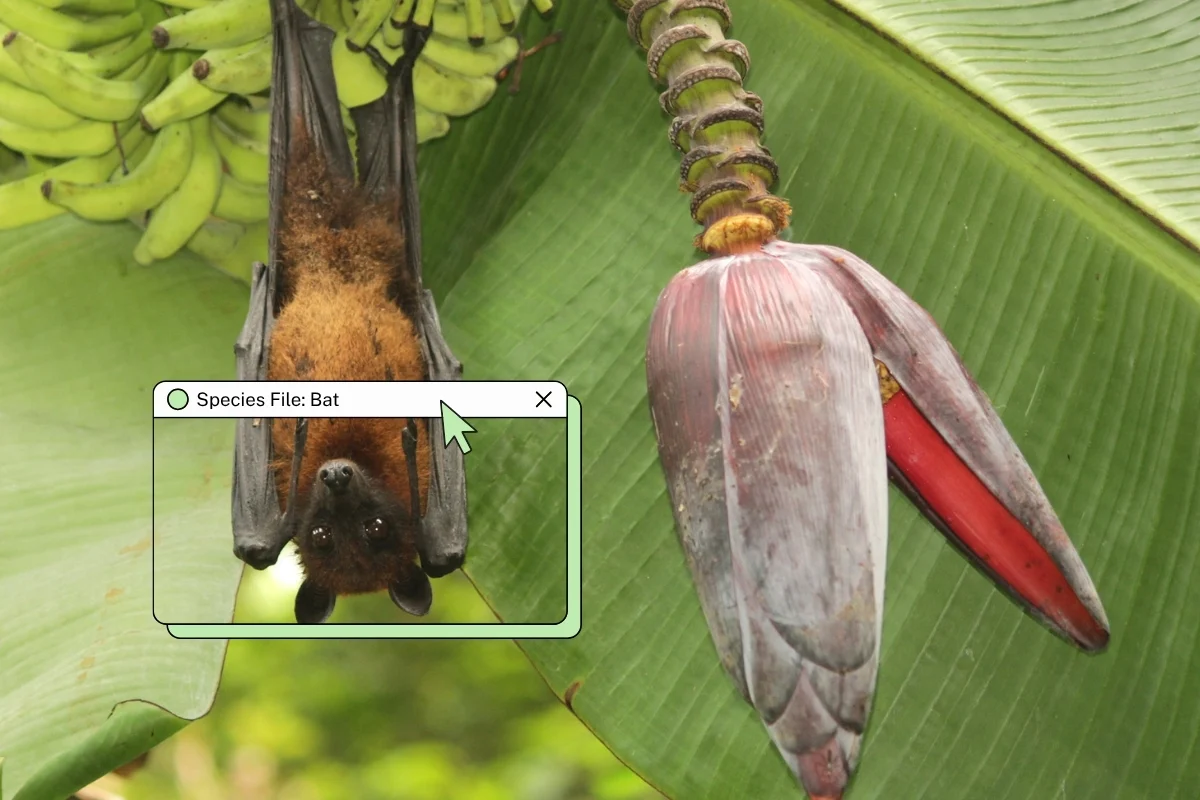
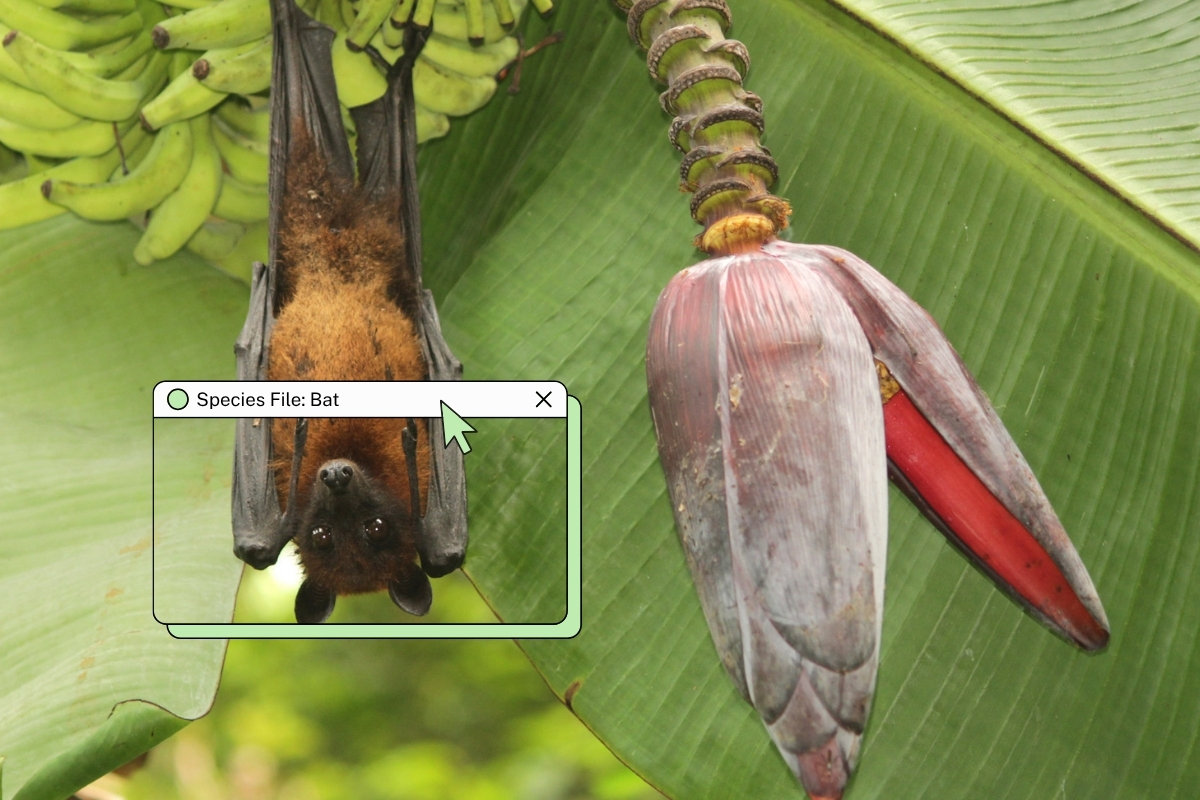
Their biological mechanisms are equally diverse. While most bats use echolocation—emitting sound waves to navigate and hunt in total darkness—the Indian flying fox (Pteropus giganteus), India’s largest bat with a wingspan reaching 1.5 meters, relies on keen sight and a highly developed sense of smell to forage for fruit. Conversely, the painted bat (Kerivoula picta), recognizable by its vibrant orange fur and black-patterned wings, is a master of camouflage, though its beauty has unfortunately made it a target for the illegal wildlife trade.
Chronology: From "Vermin" to Vital Research Subjects
The history of bat conservation in India is a narrative of slow-moving legal recognition and shifting public perception.
The Era of Neglect
For decades, bats were largely ignored by mainstream conservation efforts in India. Under the original framework of the Wildlife (Protection) Act (WPA) of 1972, many fruit bats were classified as "vermin" under Schedule V. This classification meant they could be hunted or culled without legal repercussion, based on the perception that they were pests to fruit orchards.
The Turning Point
The early 2000s marked a shift as researchers began to highlight the specific plight of endemic species. The discovery of the Kolar roundleaf bat (Hipposideros hypophyllus) in a single cave in Karnataka brought international attention to India’s "critically endangered" species.
In 2022 and 2023, significant legislative updates occurred. The Indian government moved toward streamlining the WPA schedules. However, the legacy of the "vermin" tag persists in public consciousness, and the transition to full protection has been uneven.
Recent Discoveries
The timeline of the last five years has been defined by a surge in "bio-prospecting" and acoustic monitoring. In the Western Himalayas, the recent recording of the East Asian free-tailed bat signifies a new chapter in Indian chiropterology (the study of bats), proving that even in well-studied regions, new secrets remain to be uncovered.
Supporting Data: The Economic and Ecological Powerhouse
The services bats provide are not merely biological curiosities; they are measurable economic assets.
Natural Pest Control
Insectivorous bats act as a primary defense against agricultural pests. A single Kolar roundleaf bat is known to consume approximately 4,100 insects in a single night. This diet includes mosquitoes that transmit malaria and dengue, as well as moths and beetles that ravage paddy fields and cotton crops.
In a 2023 study conducted in Assam, agroecologists found that bats are crucial for natural pest control in paddy fields. By reducing the need for chemical pesticides, bats save farmers significant input costs and prevent toxic runoff into local water sources. Agroecologist Iqbal Bhalla notes, "There is no doubt that bats are incredibly important to agricultural landscapes. I hope that in the next few years we can get to a more definite answer as to exactly what their economic value is in Indian agriculture."
Pollination and Reforestation
Fruit and nectar-feeding bats are the "silent gardeners" of India’s forests. They are responsible for pollinating numerous species of trees that bloom at night, including the commercially valuable Mahua tree. Furthermore, through seed dispersal, they facilitate the regeneration of degraded forests. Their guano (droppings) is one of the richest natural fertilizers known to science, packed with nitrogen and phosphates that rejuvenate forest soils.
Population Trends
According to Bat Conservation International, the outlook for Indian bats is concerning. Of the 122 species assessed by the IUCN in the Indian context:
- Only 23% have stable populations.
- The remaining 77% are either in decline or have data-deficient statuses.
- 16 species are endemic to India, meaning their extinction here would mean global extinction.
Official Responses and the Legal Landscape
Despite the data, the legal framework for bat protection in India remains a patchwork of missed opportunities.
The Wildlife (Protection) Act Gap
Currently, out of the 135 species found in the country, only six carry the highest level of legal protection under Schedule I of the Wildlife (Protection) Act. This leaves the vast majority of species in a precarious position where their habitats can be destroyed with minimal legal consequence.
Conservation Initiatives
Governmental response has often been reactive rather than proactive. In Karnataka, the state government has taken steps to protect the specific cave inhabited by the Kolar roundleaf bat, declaring a "protected area" around the site. However, experts argue that protecting a single cave is insufficient if the surrounding foraging grounds are lost to granite mining or agriculture.
The Conflict with Green Energy
In an ironic twist of "green vs. green," India’s push for renewable energy has created a new threat. Wind turbines, particularly in the Western Ghats and Gujarat, have become death traps for bats. High-speed blade collisions and "barotrauma" (lung collapse caused by sudden air pressure changes near blades) are causing significant mortality. Official responses from the Ministry of New and Renewable Energy have yet to mandate the "deterrent technologies" or "cut-in speed" adjustments that conservationists have long demanded.
Implications: A Future Without the Night Watchmen
The continued decline of India’s bat populations carries heavy implications for the country’s future.
Public Health Risks
The irony of fearing bats as disease carriers is that their disappearance actually increases public health risks. By keeping mosquito populations in check, bats provide a natural barrier against vector-borne diseases. Furthermore, habitat destruction brings bats into closer, stressed contact with humans—a primary driver of zoonotic spillover events. Protecting their natural habitats is the most effective way to keep "forest viruses" in the forest.
Food Security
As India strives to feed a growing population, the loss of natural pest controllers could lead to a heavier reliance on chemical pesticides. This not only increases the cost of farming but also leads to long-term soil degradation and health issues for rural communities.
The Path Forward
To reverse the trend, India must adopt a multi-pronged approach:
- Legal Reclassification: Moving more species to Schedule I and II of the WPA to reflect their ecological importance.
- Urban Integration: Recognizing heritage buildings and old groves as "urban wildlife sanctuaries" rather than just development sites.
- Community Education: Dismantling the myths that lead to the persecution of bats, particularly in the wake of the COVID-19 pandemic.
Conclusion
Bats are the silent sentinels of the Indian night. Their presence is a hallmark of a healthy ecosystem, and their absence would be a catastrophic loss for India’s biodiversity and economy. As the "Species File" of India continues to grow, it is clear that the humble bat deserves more than just a footnote in conservation history—it deserves a dedicated place in the nation’s environmental priority list. Without urgent intervention, the wings that have fluttered over the subcontinent for millennia may eventually fall silent, leaving a void that no human technology can fill.
