


New Delhi, August 20, 2026 – In the wake of the critical and commercial acclaim of the recently released Netflix series "Operation Safed Sagar," actor Siddharth has once again captured the industry’s attention, not just for his compelling performance, but for his deeply ingrained ethical principles regarding his artistic choices. The actor, known for his discerning selection of roles, has articulated a clear and unwavering commitment to portraying characters that embody positive values, asserting that he would "never play a bad person" in a manner that glorifies them. This philosophy extends to his aversion to certain types of popular entertainment, such as "item songs" that he believes objectify women.
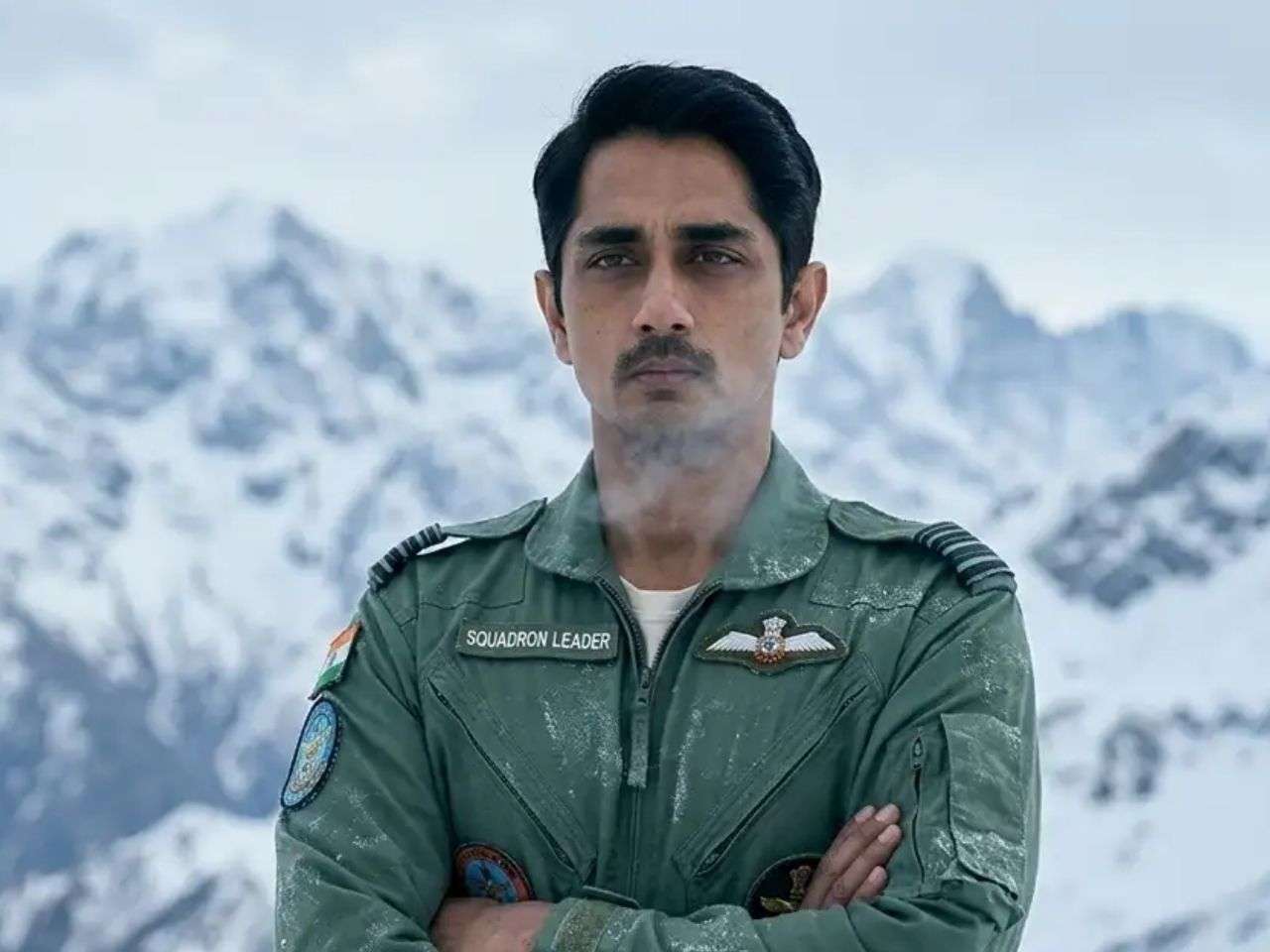
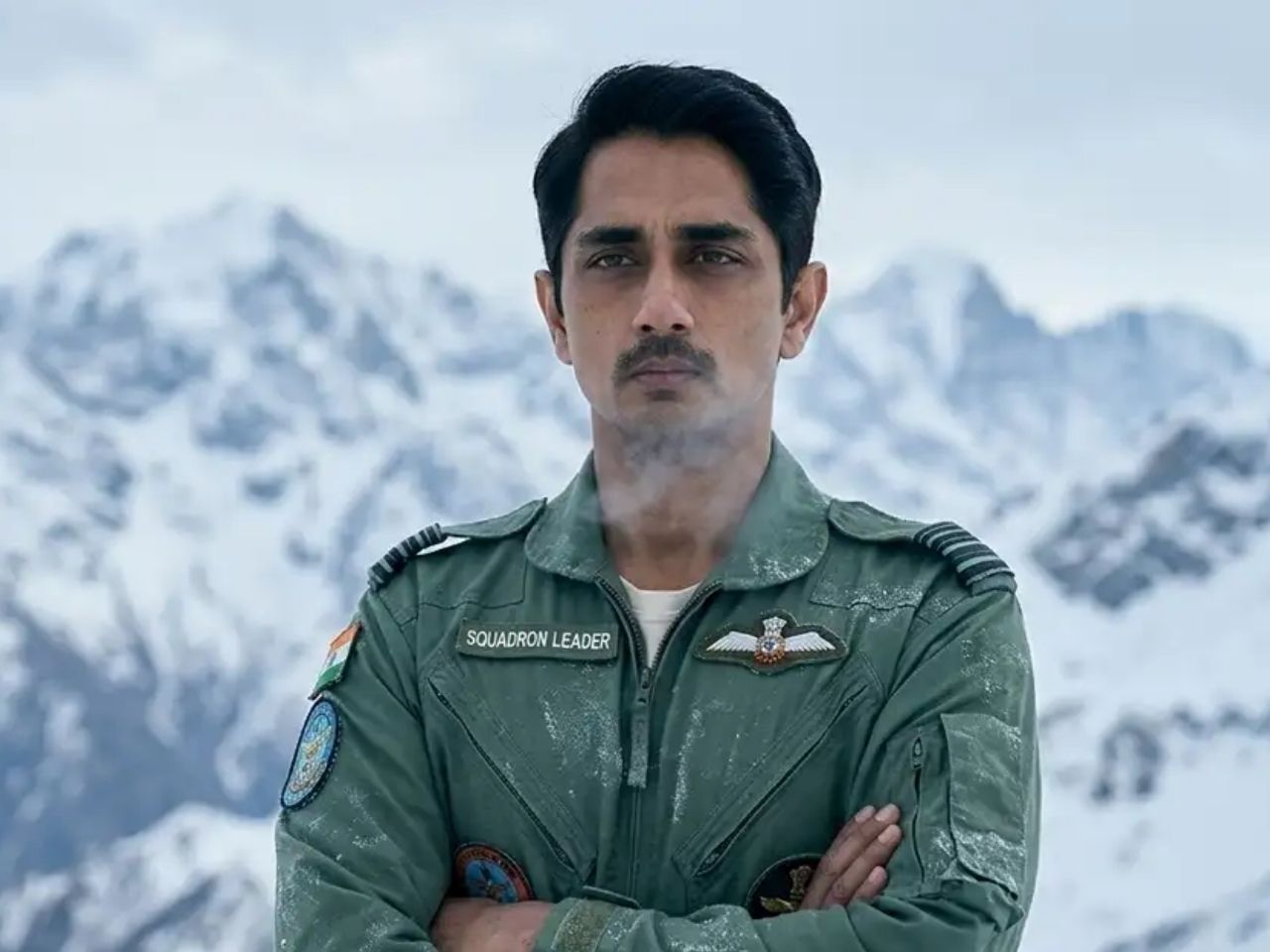
Siddharth’s career trajectory has been marked by a deliberate departure from conventional Bollywood tropes. While many actors strive for mass appeal through commercially driven projects, Siddharth has consistently gravitated towards narratives that resonate with substance and social consciousness. His latest venture, "Operation Safed Sagar," which chronicles the heroic exploits of the Indian Air Force, has been lauded for its authentic portrayal of valor and sacrifice. In this series, Siddharth embodies Squadron Leader Ajay Ahuja, a character that epitomizes the grit and dedication he champions in his real-life professional ethos.
)
A Philosophy Rooted in Performance and Principle
Speaking candidly about his artistic philosophy, Siddharth emphasized a distinction between playing a hero and merely portraying a character. "I am playing a hero who would like to be a real hero, be a good person," he stated. "If I’m not playing a hero, I’m always an actor. I don’t always have to play a hero." This statement underscores his belief that even in roles that deviate from the archetypal protagonist, the underlying essence should remain one of integrity.
)
However, his most emphatic declaration revolves around the portrayal of negative characters. "I will not play a bad person and make you think he’s a hero," he asserted. "That happens; then it’s not a Siddharth film." This is a powerful statement that sets a high bar for his creative output, suggesting a conscious effort to avoid projects that might inadvertently legitimize or even romanticize villainy. The implication is that if he does undertake a role with antagonistic traits, it will be within a framework where the character’s negative actions are unequivocally condemned, and perhaps, as he hinted, met with a definitive and perhaps even brutal comeuppance.

Deconstructing "Item Songs" and Artistic Integrity
Siddharth’s critique extends beyond character portrayals to specific forms of popular entertainment. He articulated his reasons for never participating in what are commonly known as "item songs." His discomfort stems from the prevalent depiction of women in such sequences. "I’ve never done item songs where one woman is surrounded by forty men who can do whatever they want with her," he explained. This stark description highlights his concern for the objectification and potential exploitation of women within the entertainment industry.
)
He further elaborated on his willingness to play a villain, but only under specific conditions. "If I’m playing a villain, then I can do that because that villain gets brutally murdered and I’m okay with that," he revealed. This condition is crucial: the villain’s downfall must be an integral part of the narrative, serving as a clear moral lesson rather than a mere plot device. He is resolute in his desire to avoid contributing to a cinematic landscape where "bad people" emerge victorious, thereby influencing audience perception and potentially inspiring undesirable emulation. "I don’t want to be a bad person who wins in the end and makes people want to be him when they go home." This sentiment speaks volumes about his responsibility as an artist and his awareness of the profound impact cinema can have on society.
)
"Operation Safed Sagar": A Testament to Principled Storytelling
The success of "Operation Safed Sagar" serves as a tangible example of Siddharth’s commitment to his artistic ideals. The series, which delves into the crucial contributions of the Indian Air Force, has been lauded for its no-nonsense approach. The narrative is characterized by "pure performance and pure grit," eschewing unnecessary embellishments and melodrama. This aligns perfectly with Siddharth’s stated preference for authentic storytelling.
)
In "Operation Safed Sagar," Squadron Leader Ajay Ahuja is not just a character but a symbol of courage and duty. Siddharth’s portrayal likely embodies the very qualities he admires and seeks to promote through his work. The series’ availability on Netflix has further amplified its reach, exposing a global audience to a narrative that prioritizes factual accuracy and heroic narratives without sensationalism.
)
A Career Defined by Selective Choices
Siddharth’s filmography is a testament to his selective approach to filmmaking. Beyond his recent foray into "Operation Safed Sagar," his notable works include critically acclaimed films like "Jigarthanda," "Chithha," "Nuvvostanante Nenoddanta," "Bommarillu," and "Kadhalil Sodhappuvadhu Yeppadi." These projects often explore complex human emotions, societal issues, and compelling character arcs, all of which align with his stated commitment to meaningful cinema.
)
His deliberate choices have positioned him as an "offbeat actor" in the often predictable landscape of Indian cinema. This is not a label of marginalization but rather a recognition of his unique contribution to the art form. By prioritizing substance over sheer commercial viability, Siddharth has cultivated a loyal audience that appreciates his commitment to quality and his ethical grounding.
)
The Broader Implications for the Industry
Siddharth’s vocal stance carries significant implications for the wider Indian film industry. In an era where debates around artistic freedom, censorship, and the social responsibility of filmmakers are increasingly prominent, his principled approach offers a valuable perspective. His refusal to glorify negative characters or participate in potentially exploitative entertainment formats challenges the status quo and encourages a more thoughtful engagement with the content being produced.
)
His emphasis on the need for villains to face justice and for positive characters to embody genuine heroism can serve as a benchmark for writers, directors, and producers. It prompts a critical examination of the messages embedded within cinematic narratives and their potential impact on viewers. By choosing to be an "actor" rather than solely a "hero" when the script demands it, Siddharth demonstrates a mature understanding of his craft, but he maintains an uncompromised ethical compass.
)
The actor’s articulation of his stance is not merely a personal declaration but a call for a more responsible and ethically conscious entertainment industry. His success in "Operation Safed Sagar" further validates his approach, proving that compelling storytelling and strong ethical foundations can coexist and thrive. As he continues his career, Siddharth’s unwavering commitment to playing characters that inspire rather than corrupt is likely to remain a defining characteristic of his impactful presence in cinema. His journey underscores the power of individual artistic integrity in shaping a more meaningful and responsible cinematic landscape.
