

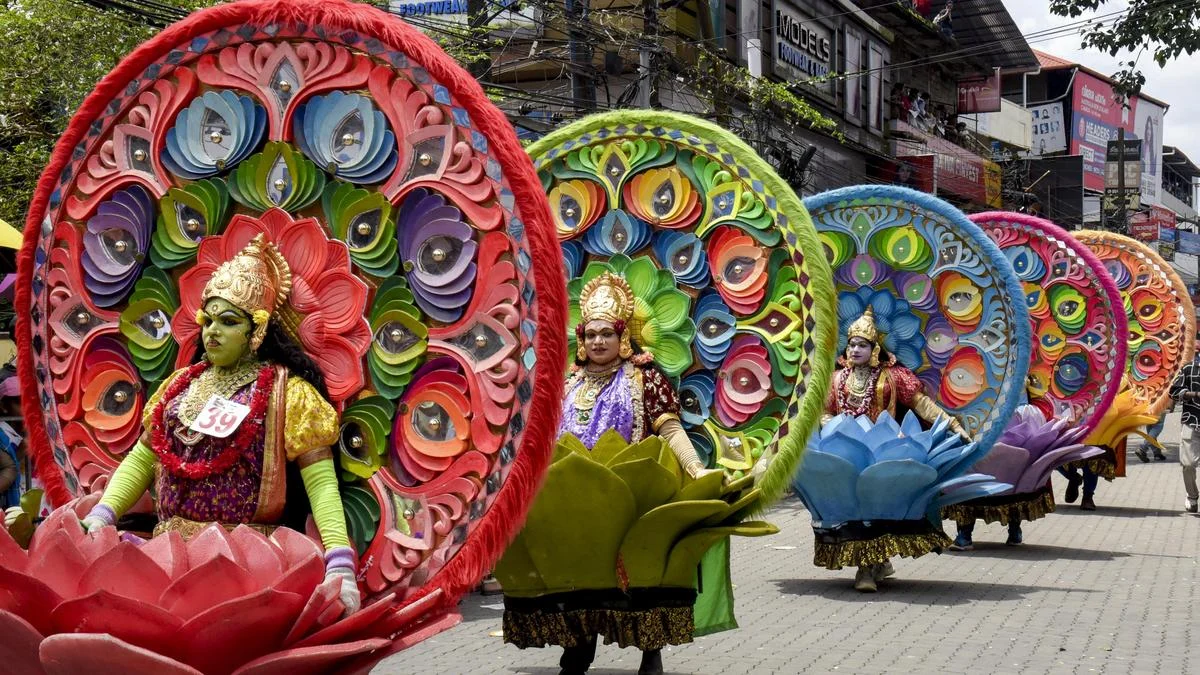
Kochi, India – August 22, 2026 – As the auspicious month of Chingam ushers in the spirit of Onam, the ten-day harvest festival, South India is abuzz with preparations that blend time-honored traditions with contemporary interpretations. The iconic Athachamayam procession, held on Sunday, August 16th, at Thrippunithura in Kochi, served as the official curtain-raiser, igniting a fervor of festivities that will culminate in the grand celebrations of Thiruvonam. This year’s Onam promises a particularly dynamic showcase, with a conscious effort to deconstruct and reimagine the festival’s predictable facets, emphasizing fresh perspectives in food, fashion, and cultural expression.
A Culinary Odyssey: Reimagining the Traditional Sadya
At the heart of Onam lies the Sadya, a magnificent vegetarian feast served on a banana leaf, boasting an array of meticulously prepared dishes. For Onam 2026, chefs across Thiruvananthapuram, Kochi, Chennai, Coimbatore, and Bengaluru are not merely replicating age-old recipes but are infusing them with innovative twists, catering to evolving palates and dietary preferences.
Chefs at the Forefront of Culinary Innovation:
Across the bustling kitchens of these South Indian metropolises, a culinary renaissance is underway. Executive Chef Ramesh Menon of The Grandeur Hotel in Kochi elaborates, "While we remain deeply respectful of the authentic Sadya, this year we are exploring subtle enhancements. For instance, we are experimenting with heirloom varieties of rice to add distinct textures and aromas to the dishes. The traditional avial, a mixed vegetable curry, is being reimagined with a focus on locally sourced, seasonal vegetables that offer a more intense flavor profile. We are also introducing a ‘Deconstructed Sadya’ option for our discerning guests, allowing them to experience the essence of each dish individually before assembling their perfect bite."
In Thiruvananthapuram, a city steeped in tradition, Chef Maya Nair from a renowned heritage restaurant emphasizes a return to indigenous ingredients. "Our focus is on rediscovering forgotten vegetables and spices that were once integral to Onam meals," she explains. "We are sourcing unique tubers and gourds from smaller farming communities and incorporating them into dishes like olan and kootu curry. The aim is to evoke nostalgia while introducing a subtle novelty that surprises and delights."
The Rise of Convenient Sadya Experiences:
Beyond the fine-dining establishments, the demand for convenient yet authentic Sadya experiences is soaring. Takeaway Sadya boxes have become a popular choice for families seeking to celebrate at home without the extensive preparation. Many restaurants are offering curated boxes that include all the essential components of a traditional Sadya, from the aromatic rice and crispy papadams to the sweet payasam.
"We’ve observed a significant increase in pre-orders for our Sadya boxes," notes Suresh Pillai, owner of a popular catering service in Chennai. "Families are busy, but they don’t want to miss out on the Onam spirit. Our team has meticulously designed packaging that ensures the food remains fresh and flavorful, and we offer various portion sizes to accommodate different family needs. We’ve even introduced a ‘premium’ Sadya option featuring delicacies like sharkara varatti made with jaggery sourced from artisanal producers."
In Coimbatore and Bengaluru, where a large Keralite diaspora resides, the sentiment is similar. Catering services are reporting a surge in demand, with many opting for delivery services to ensure a hassle-free celebration. This trend underscores the evolving nature of festival celebrations, where convenience and tradition walk hand-in-hand.
Fashioning Onam: A Blend of Heritage and Contemporary Aesthetics
Onam’s visual splendor extends beyond the culinary realm, with fashion playing a pivotal role in the celebrations. This year, fashion designers and women-led artisan collectives are pushing the boundaries, offering collections that celebrate Kerala’s rich textile heritage while embracing modern sensibilities.
Designers Weaving New Narratives:
Renowned fashion designer, Priya Varma, known for her contemporary take on traditional Indian wear, states, "This Onam, we are moving away from predictable motifs. Our new collection draws inspiration from the lush landscapes of Kerala – the emerald paddy fields, the cascading waterfalls, and the vibrant flora. We are using handloom fabrics like kora cotton and muga silk, embellished with intricate kasavu embroidery, but with a modern silhouette. Think flowing Anarkalis with contemporary cuts, and elegantly draped sarees with subtle, artistic interpretations of traditional motifs."

Varma’s collection also incorporates the symbolic importance of the Pookalam (flower carpet). "We’ve translated the vibrant colors and patterns of the Pookalam into contemporary prints and embroidery techniques," she reveals. "The aim is to capture the ephemeral beauty of the Pookalam in a wearable form."
Artisan Collectives Championing Sustainability and Empowerment:
Beyond established designers, women-led artisan collectives are making a significant impact. The ‘Kerala Weaves’ collective, a group of women artisans from rural Kerala, are showcasing their commitment to sustainable practices and traditional craftsmanship. Their Onam collection features handwoven sarees and traditional mundu-saree sets, meticulously crafted using natural dyes and age-old weaving techniques.
"Our focus is on preserving the authenticity of Keralan handlooms," says Lakshmi Menon, a spokesperson for the collective. "We work directly with weavers, ensuring fair wages and promoting the use of eco-friendly materials. This Onam, our designs highlight the intricate patterns of the traditional kasavu and explore the subtle variations in texture that only handloom can offer. We want our customers to not only look beautiful but also feel a connection to the rich cultural heritage and the artisans who bring these creations to life."
These collectives are not only preserving traditional skills but also empowering women by providing them with economic independence. Their Onam collections are a testament to the power of collaboration and the enduring appeal of handcrafted artistry.
Beyond the Plate and Fabric: Embracing the Spirit of Onam
The spirit of Onam extends far beyond elaborate meals and fashionable attire. It is a time for homecoming, family reunions, and the strengthening of community bonds. The Athachamayam procession, with its vibrant tableaux, traditional music, and dancers adorned in resplendent costumes, serves as a powerful reminder of this collective joy.
Celebrities Honouring Age-Old Traditions:
Prominent figures from the South Indian entertainment industry are also embracing Onam with a blend of nostalgia and contemporary celebration. Acclaimed actress, Nithya Menen, shares her Onam traditions, "For me, Onam is incomplete without the smell of jasmine and the sound of the pookalam being laid. My mother still makes the most authentic Sadya, and gathering with family to share that meal is the most cherished part of the festival. This year, I’m looking forward to wearing a handloom saree gifted by my grandmother, a beautiful piece that carries so many memories."
Similarly, actor Dulquer Salmaan emphasizes the importance of family gatherings. "Onam is a time to disconnect from work and reconnect with loved ones. We usually have a big family get-together, with everyone contributing to the Sadya. The joy of seeing my daughter participate in the pookalam making and the elders sharing stories is what Onam is all about for me."
The Enduring Significance of Onam:
As the festivities unfold, Onam 2026 stands as a vibrant testament to the resilience of cultural traditions in a rapidly evolving world. The conscious effort to reimagine and deconstruct its predictable elements, while staying true to its core values of harvest, prosperity, and togetherness, ensures that Onam remains a deeply meaningful and cherished celebration for generations to come. The curated experiences in food and fashion, the emphasis on local sourcing and sustainability, and the enduring spirit of community all contribute to making this year’s Onam a truly remarkable occasion across South India and beyond.
