

GADGETS
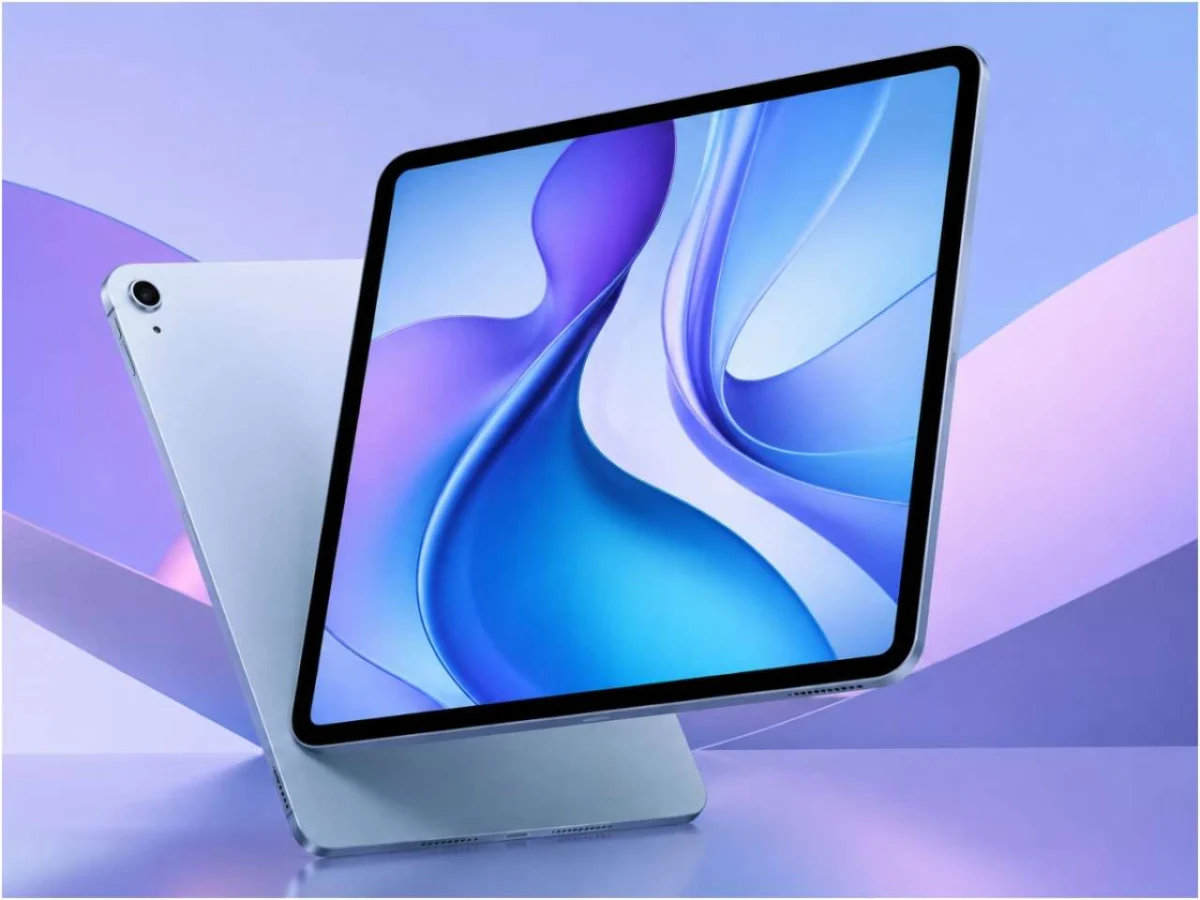
After an extended period prioritizing internal performance enhancements, Apple is reportedly poised to deliver a monumental transformation for its popular iPad Air line. Whispers from the supply chain and industry analysts suggest that 2027 will mark the debut of an iPad Air featuring a completely reimagined design and a state-of-the-art display, signifying the most significant aesthetic and technological leap for the device in nearly a decade. This potential overhaul moves beyond mere iterative updates, promising a new era for Apple’s mid-tier tablet offering.
Introduction: The Dawn of a New Era for iPad Air
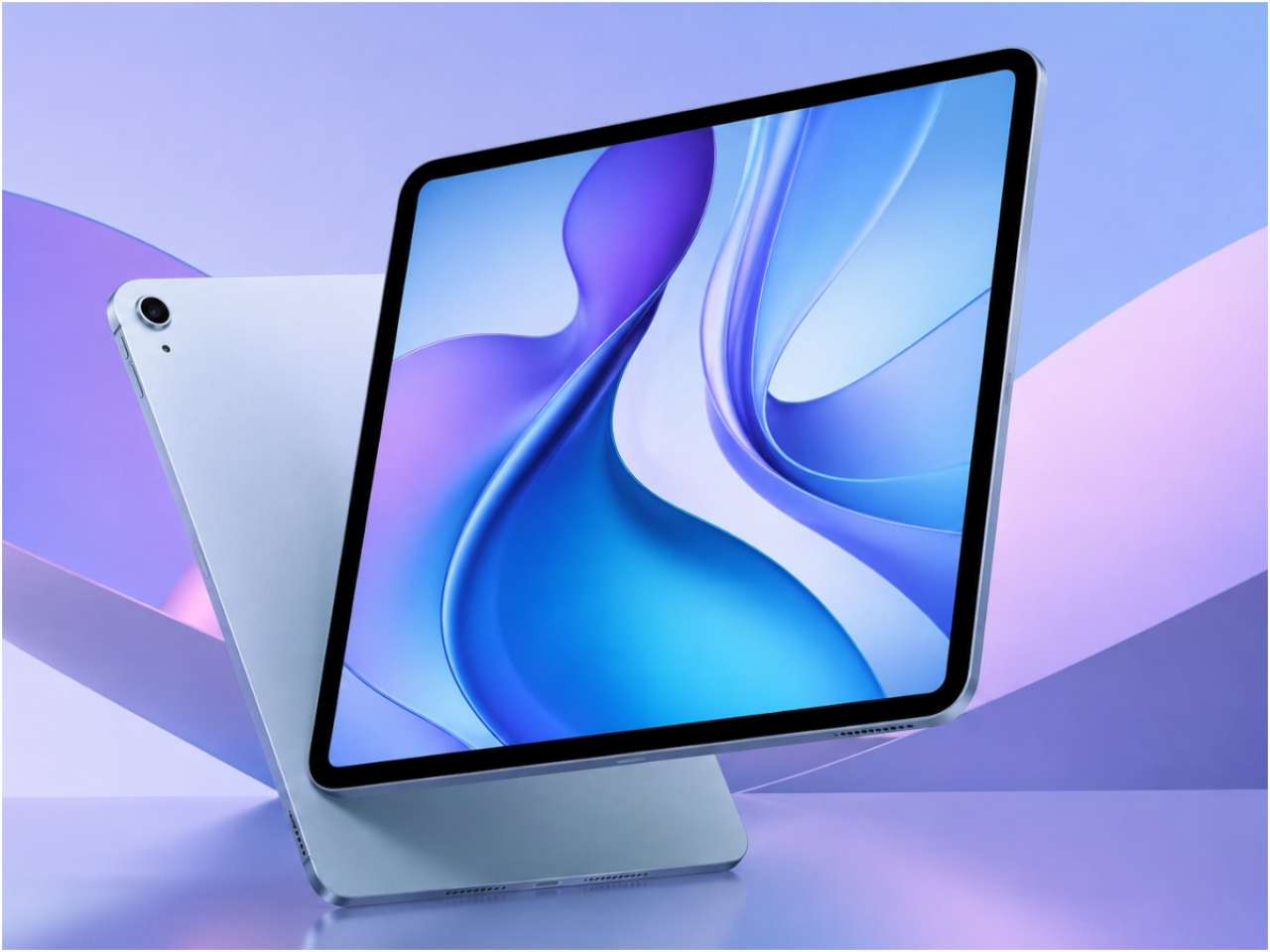
For years, the iPad Air has served as a critical bridge in Apple’s tablet ecosystem, offering a compelling blend of performance and portability at a more accessible price point than its Pro counterparts. However, its external design has remained largely consistent since 2020, leading to a perception of aesthetic stagnation even as its internal silicon received annual upgrades. Now, emerging reports paint a vivid picture of a radical departure from this established pattern, with 2027 earmarked as the year the iPad Air reclaims its reputation as a design innovator.
A Long-Awaited Transformation
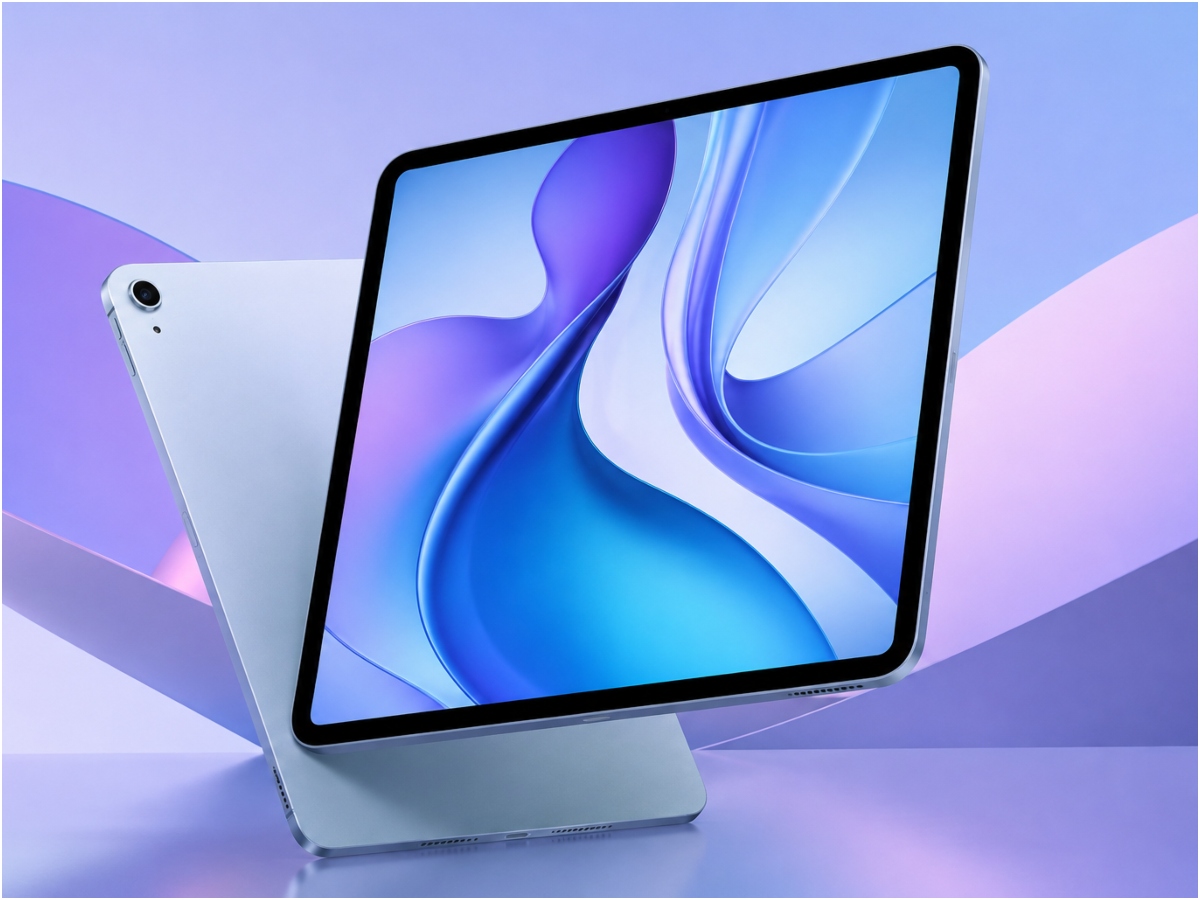
The current generation of the iPad Air, while powerful and refined, has maintained an aesthetic that, despite its initial appeal, is now approaching its seventh year of existence. This makes it the longest-running external design within Apple’s current tablet portfolio. In contrast, the internal architecture has seen a relentless march of progress, with the device benefiting from Apple’s cutting-edge M-series chips – from the M1 to the latest M4 – ensuring its computational prowess remains at the forefront. This dichotomy between internal dynamism and external constancy has set the stage for what many anticipate will be a dramatic re-evaluation of the iPad Air’s form factor and user interface.
)
Key Innovations on the Horizon
The core of the anticipated 2027 redesign revolves around two pivotal technological advancements: the adoption of an OLED display and the integration of the next-generation M5 chip. The transition to OLED technology promises a visual experience unparalleled in previous Air models, delivering deeper blacks, superior contrast, and enhanced color accuracy. Concurrently, the M5 chip is expected to push the boundaries of performance and power efficiency, unlocking new capabilities, particularly in the burgeoning field of on-device artificial intelligence. These upgrades are not merely incremental; they represent a fundamental shift in the iPad Air’s value proposition, aligning it more closely with the premium experiences typically reserved for the iPad Pro line.
A Retrospective: The iPad Air’s Design Journey
To fully appreciate the significance of the rumored 2027 redesign, it is crucial to understand the historical trajectory of the iPad Air and its place within Apple’s broader tablet strategy.

From Original Vision to Modern Iterations
The original iPad Air, launched in 2013, was a groundbreaking device, celebrated for its astonishingly thin and light profile, which set a new standard for tablet design. It effectively rebranded the standard iPad into a more premium, portable offering. Subsequent generations refined this concept, but a major turning point came in 2020 with the introduction of the fourth-generation iPad Air. This model adopted a design language heavily inspired by the iPad Pro, featuring flat edges, a larger edge-to-edge display, and Touch ID integrated into the power button. This design was lauded for its modernity and brought the Air into a new era of aesthetic sophistication, bridging the gap between the entry-level iPad and the high-end Pro.
The Seven-Year Stagnation: Performance Over Aesthetics
Since the 2020 redesign, Apple’s focus for the iPad Air has predominantly been on internal hardware upgrades. The device consistently received the latest advancements in Apple Silicon:
)
- 2020 (4th Gen): A14 Bionic chip (first iPad Air with a Pro-like design)
- 2022 (5th Gen): M1 chip (a significant leap, bringing desktop-class performance)
- 2024 (6th Gen): M2 chip (further enhancing performance and efficiency, introduced 11-inch and 13-inch sizes)
- Future (Anticipated): M3, M4 (hypothetically, before the 2027 redesign, the Air would likely get M3/M4 or equivalent, reinforcing the performance-first strategy).
While these chip upgrades have kept the iPad Air competitive in terms of raw power, enabling demanding tasks and ensuring longevity, the unchanging external appearance has led to a feeling of ‘if you’ve seen one, you’ve seen them all’ among consumers and critics. The physical dimensions, bezel thickness, and overall material aesthetic have remained largely untouched, creating a stark contrast with the rapid evolution seen in other Apple product categories, such as the iPhone. This period of design stability, while perhaps cost-efficient for Apple, has also built considerable anticipation for a truly fresh look.
Parallels with iPad Pro Evolution
The rumored redesign of the iPad Air also draws parallels with the evolution of the iPad Pro. Apple introduced OLED technology to the iPad Pro in 2024, marking a significant upgrade in its display capabilities. This staggered approach, where premium features debut on the Pro line before trickling down to the Air, is a well-established pattern in Apple’s product strategy. The Air often inherits the design language and key technologies of the Pro after a generation or two, making the prospect of an OLED display and a thinner chassis for the Air a logical progression, albeit a highly anticipated one. This strategy allows Apple to differentiate its premium offerings while eventually democratizing advanced technologies across its portfolio.
)
Unpacking the Revolutionary Upgrades
The heart of the 2027 iPad Air’s transformation lies in its two primary rumored upgrades: the display and the processing unit. Each represents a significant leap forward, promising a profoundly enhanced user experience.
The Allure of OLED: A Visual Paradigm Shift
Perhaps the most exciting prospect of the 2027 iPad Air is the long-awaited integration of an OLED (Organic Light-Emitting Diode) display. This technology, already a staple in Apple’s iPhone lineup and recently introduced to the iPad Pro, is set to redefine the visual experience on the Air.
)
- Deep Blacks and Superior Contrast: Unlike traditional LCDs (Liquid Crystal Displays) which rely on a backlight to illuminate pixels, OLED panels feature self-emissive pixels. This means each pixel can be individually turned on or off, resulting in true, inky blacks where pixels are completely off. This capability dramatically enhances contrast, making images and videos appear more vibrant and lifelike, with incredible depth.
- Improved Color Accuracy and Saturation: OLED displays are renowned for their exceptional color reproduction, offering a wider color gamut and more accurate, saturated hues. This is particularly beneficial for creative professionals, graphic designers, and anyone who appreciates high-fidelity visual content.
- Enhanced Power Efficiency: While OLED panels can consume more power when displaying bright white content, they are generally more power-efficient than LCDs when displaying darker content, as fewer pixels need to be illuminated. This contributes to better battery life, a crucial factor for a portable device like the iPad Air.
- Thinner and Lighter Form Factor: OLED panels are inherently thinner and more flexible than LCD assemblies because they do not require a separate backlight layer. This characteristic is a key enabler for the rumored "completely redesigned chassis," allowing Apple to potentially craft an even sleeker and lighter iPad Air.
- Technical Details: LTPS OLED Panels: Reports suggest that Samsung Display will be the primary supplier of these single-stack Low-Temperature Polycrystalline Silicon (LTPS) OLED panels. LTPS technology allows for higher electron mobility, which is essential for achieving higher resolutions and refresh rates, while also contributing to power efficiency. The "single-stack" configuration refers to the arrangement of the OLED layers, which is a more cost-effective and manufacturing-friendly approach compared to the more advanced "two-stack tandem" OLED technology found in the latest iPad Pro models. While not as bright or durable as tandem OLED, single-stack LTPS OLED still represents a significant upgrade over LCD and is well-suited for the Air’s positioning.
- Comparison with Existing LCD Display: The current iPad Air utilizes an LCD (Liquid Crystal Display) with LED backlighting. While Apple’s LCDs are among the best in the industry, offering good brightness and color, they cannot match the fundamental advantages of OLED in terms of true blacks, contrast, and pixel-level control. The upgrade will be immediately noticeable to users, particularly for media consumption and gaming.
The M5 Chip: Powering the Next Generation of AI
Beyond the visual enhancements, the 2027 iPad Air is also rumored to feature Apple’s M5 chip, the next iteration in its groundbreaking line of custom silicon. The M-series chips have consistently set new benchmarks for performance and power efficiency in the tablet and laptop markets, and the M5 is expected to continue this trend with a strong emphasis on artificial intelligence capabilities.
- Evolution of Apple Silicon: Since the introduction of the M1 chip in 2020, Apple has rapidly iterated on its custom silicon, delivering significant performance gains with each generation. The M1 brought desktop-class performance to the iPad Air, followed by the M2, and presumably, the M3 and M4 chips will find their way into preceding Air models. The M5 will build upon this foundation, leveraging advancements in CPU, GPU, and Neural Engine architecture.
- Faster Performance and Improved Battery Efficiency: Each new M-series chip typically delivers a substantial increase in raw computational power, faster graphics rendering, and more efficient memory management. This translates to snappier multitasking, smoother high-fidelity gaming, quicker video editing, and overall a more fluid user experience. Simultaneously, Apple’s silicon is renowned for its power efficiency, allowing devices to deliver extended battery life even under heavy workloads.
- Focus on AI Capabilities: A major trend across the tech industry is the integration of advanced AI. The M5 chip is highly anticipated to feature a significantly upgraded Neural Engine, specifically designed to accelerate machine learning tasks. This will be crucial for powering advanced on-device AI features, which could range from more sophisticated image and video processing, real-time language translation, advanced voice commands, and personalized user experiences, all executed locally on the device without relying heavily on cloud processing. This emphasis on on-device AI ensures greater privacy, lower latency, and potentially new categories of applications.
- Impact on Software: The enhanced capabilities of the M5 chip, particularly its AI prowess, will undoubtedly open doors for developers to create more powerful and intelligent applications. This could lead to a new generation of creative tools, productivity apps, and entertainment experiences that leverage the full potential of the iPad Air.
Beyond the Core: Speculated Design and User Experience Enhancements
While the OLED display and M5 chip are the headline features, a "completely new design" implies a holistic rethinking of the iPad Air’s aesthetics and ergonomics, impacting the overall user experience.
)
A Thinner, Lighter Chassis
The adoption of an OLED display, being inherently thinner than an LCD, provides Apple with a significant opportunity to reduce the overall thickness and weight of the iPad Air. This would enhance portability and make the device even more comfortable to hold for extended periods, reinforcing the "Air" moniker. A thinner profile might also allow for a more streamlined appearance, potentially with reduced bezels, further maximizing the screen-to-body ratio. This design evolution would likely draw inspiration from the latest iPad Pro models, which have pushed the boundaries of thinness in tablets.
Potential Peripheral Enhancements
A major redesign often coincides with updates to complementary accessories.
)
- Apple Pencil: A new iPad Air might support a future generation of the Apple Pencil, potentially offering new functionalities, improved latency, or enhanced pressure sensitivity. The current Apple Pencil Pro, introduced with the 2024 iPad Pro, could become standard, or a new Air-specific Pencil could emerge.
- Magic Keyboard: The Magic Keyboard, with its integrated trackpad and backlit keys, has transformed the iPad Air into a formidable laptop alternative. A redesigned iPad Air could necessitate a new Magic Keyboard tailored to its updated dimensions, perhaps offering further ergonomic improvements or additional features like function keys.
Software Integration and AI Features
The M5 chip’s advanced AI capabilities are not just about raw power; they are about enabling new software experiences. We can expect iOS/iPadOS to leverage these capabilities for:
- Enhanced Photography and Videography: Smarter image processing, advanced computational photography features, and more powerful on-device video editing tools.
- Proactive Assistance: More intelligent Siri, personalized recommendations, and context-aware features that anticipate user needs.
- Creative Tools: AI-powered generative art, more intuitive editing tools, and features that assist in content creation.
- Accessibility: Improvements in features designed for users with disabilities, leveraging AI for better understanding and interaction.
The Broader Tablet Market Landscape
The rumored 2027 iPad Air redesign is not happening in a vacuum; it will influence and be influenced by the broader tablet market.
)
Apple’s Dominance and Segmentation Strategy
Apple has long maintained a dominant position in the premium tablet market. Its strategy involves a tiered lineup:
- iPad Pro: The high-end, performance-focused devices for professionals, typically featuring the latest chips, best displays (OLED), and advanced features.
- iPad Air: The mid-range, balancing performance and portability with a more accessible price point.
- iPad mini: The compact, ultra-portable option.
- Standard iPad: The entry-level device, often targeted at education and first-time tablet users.
The 2027 iPad Air, with its OLED display and M5 chip, would further solidify its position as a highly capable device, potentially blurring the lines even more with the iPad Pro. This could allow Apple to subtly increase the Air’s price point while still offering a compelling value proposition below the Pro.
)
Competitive Pressures and Innovation Drivers
While Apple dominates, competition from Android tablets (Samsung’s Galaxy Tab series, Google’s Pixel Tablet) and Windows-based hybrids (Microsoft Surface) remains. These competitors are also pushing boundaries in terms of display technology, stylus integration, and desktop-like experiences. A major redesign for the iPad Air is crucial for Apple to maintain its innovative edge and justify its premium pricing in an increasingly competitive market. It signals Apple’s continued commitment to the tablet form factor, countering narratives that tablets are merely large phones or underpowered laptops.
The Shifting Role of Tablets in a Hybrid World
The COVID-19 pandemic accelerated the adoption of tablets for remote work, education, and entertainment. In a post-pandemic world, tablets continue to play a crucial role as versatile devices that bridge the gap between smartphones and laptops. The iPad Air, with its potential for enhanced performance, a stunning display, and robust accessory support, is perfectly positioned to cater to this evolving demand, serving as a primary device for many users. The integration of advanced AI further positions it as a future-proof device capable of handling emerging computational paradigms.
)
The Veil of Secrecy: Apple’s Official Stance
As is customary with Apple, there has been no official confirmation regarding any of these rumored updates or upgrades. The company maintains a strict policy of silence regarding future products, preferring to surprise and unveil new devices on its own terms.
The Company’s Traditional Silence
Apple’s secrecy is legendary. It rarely acknowledges rumors, leaks, or analyst predictions. This approach builds anticipation and allows the company to control its product narrative entirely during official launch events. Therefore, while the reports from supply chain sources and industry analysts are often highly accurate due to their proximity to the manufacturing process, they remain unofficial until Apple itself makes an announcement.
)
The Reliability of Leaks and Supply Chain Rumors
Despite Apple’s efforts to maintain secrecy, the complexity of its global supply chain often leads to leaks. Reports from reputable sources, particularly those citing component suppliers like Samsung Display, typically carry significant weight. These leaks, combined with the consistent patterns of Apple’s product development (e.g., premium features trickling down), lend credibility to the notion of a major iPad Air overhaul in 2027. The mention of specific components like LTPS OLED panels and the M5 chip further strengthens the veracity of these reports.
Implications for Consumers, Apple, and the Industry
The potential 2027 redesign of the iPad Air carries far-reaching implications for various stakeholders.
)
Elevating the User Experience
For consumers, the redesigned iPad Air would represent a truly compelling upgrade. The OLED display would transform visual content consumption, making movies, photos, and games more immersive. The M5 chip would provide an unparalleled level of performance, ensuring the device remains responsive and capable for years to come, especially with the increasing demands of AI-powered applications. A thinner, lighter chassis would enhance portability and comfort. This combination of features would make the iPad Air an even more attractive option for students, creatives, casual users, and professionals seeking a powerful yet portable computing device.
Reinforcing Apple’s Innovation Narrative
For Apple, this redesign is crucial for several reasons. Firstly, it would rejuvenate a product line that, despite its internal upgrades, has faced criticism for its stagnant design. This demonstrates Apple’s commitment to innovation across its entire product portfolio, not just its flagship Pro models. Secondly, by integrating cutting-edge display technology and advanced silicon, Apple reinforces its image as a technology leader, capable of delivering premium experiences. It also provides a clear differentiator against Android competitors who are also adopting OLED and powerful ARM-based chips.
)
The Competitive Ripple Effect
The introduction of an OLED iPad Air with an M5 chip is likely to send ripples through the broader tablet market. Competitors will be compelled to accelerate their own research and development efforts, particularly in display technology and on-device AI capabilities, to keep pace with Apple. This competition ultimately benefits consumers, as it drives innovation across the industry. We could see a faster adoption of OLED in other mid-range tablets and a greater emphasis on AI performance in rival chipsets.
Price Point and Market Positioning Considerations
While the current iPad Air (11-inch) starts at Rs 89,900 (128GB) in India, a significant redesign with premium components like an OLED display and an M5 chip is likely to come with a higher price tag. Apple will need to carefully balance the enhanced features with a competitive price to maintain the Air’s position as a mid-tier offering. The segmentation between the Air and Pro lines will need to be re-evaluated; perhaps the Pro models will further differentiate themselves with features like tandem OLED, higher refresh rates, or even more advanced M-series variants, justifying their even higher premium.
)
The Future Trajectory of the Tablet Category
The emphasis on AI with the M5 chip suggests Apple envisions tablets playing an increasingly central role in personal computing, particularly as AI becomes more integrated into daily workflows. The iPad Air could become a prime example of a device that intelligently adapts to user needs, offers proactive assistance, and facilitates creative endeavors in ways previously unimaginable. This redesign could very well dictate the trajectory of tablet development for years to come, pushing the boundaries of what a portable computing device can achieve.
Conclusion: A Pivotal Moment for the iPad Air
The rumored 2027 redesign of the Apple iPad Air represents a pivotal moment for the device. After years of focusing primarily on internal performance, Apple appears ready to deliver a comprehensive overhaul that addresses both aesthetics and core functionality. The integration of an OLED display and the powerful M5 chip, coupled with a completely new design, promises to elevate the iPad Air experience to unprecedented levels. While official confirmation remains elusive, the weight of industry reports suggests that Apple is indeed preparing to unleash its most significant upgrade to the iPad Air in its history, setting a new benchmark for mid-range tablets and reinforcing its position as an innovator in the ever-evolving landscape of personal technology. This future iPad Air is poised not just to keep pace with innovation, but to lead it, offering consumers a truly next-generation tablet experience.
