


DERBY, ENGLAND – English fast bowler Brydon Carse has found himself at the centre of a significant disciplinary investigation by the England and Wales Cricket Board (ECB) after an incident at a nightclub in Derby. Reports, which widely emerged over the weekend of August 23, 2026, confirmed that Carse was detained by police outside a local establishment, with footage circulating rapidly across social media platforms showing the 31-year-old in handcuffs, escorted by officers. While initial indications suggest Carse was released without charge, the gravity of the situation, especially given his recent selection for the upcoming Test series against Pakistan, has prompted a swift and thorough inquiry from the sport’s governing body.
The incident casts a considerable shadow over Carse’s burgeoning international career and adds another layer of complexity to a period already fraught with off-field challenges for English cricket. The ECB has confirmed its awareness of the matter and initiated an investigation, promising further updates as details become clearer. This developing story has reignited discussions about player conduct, the pressures faced by elite athletes, and the persistent challenge of maintaining discipline within high-profile sports teams.
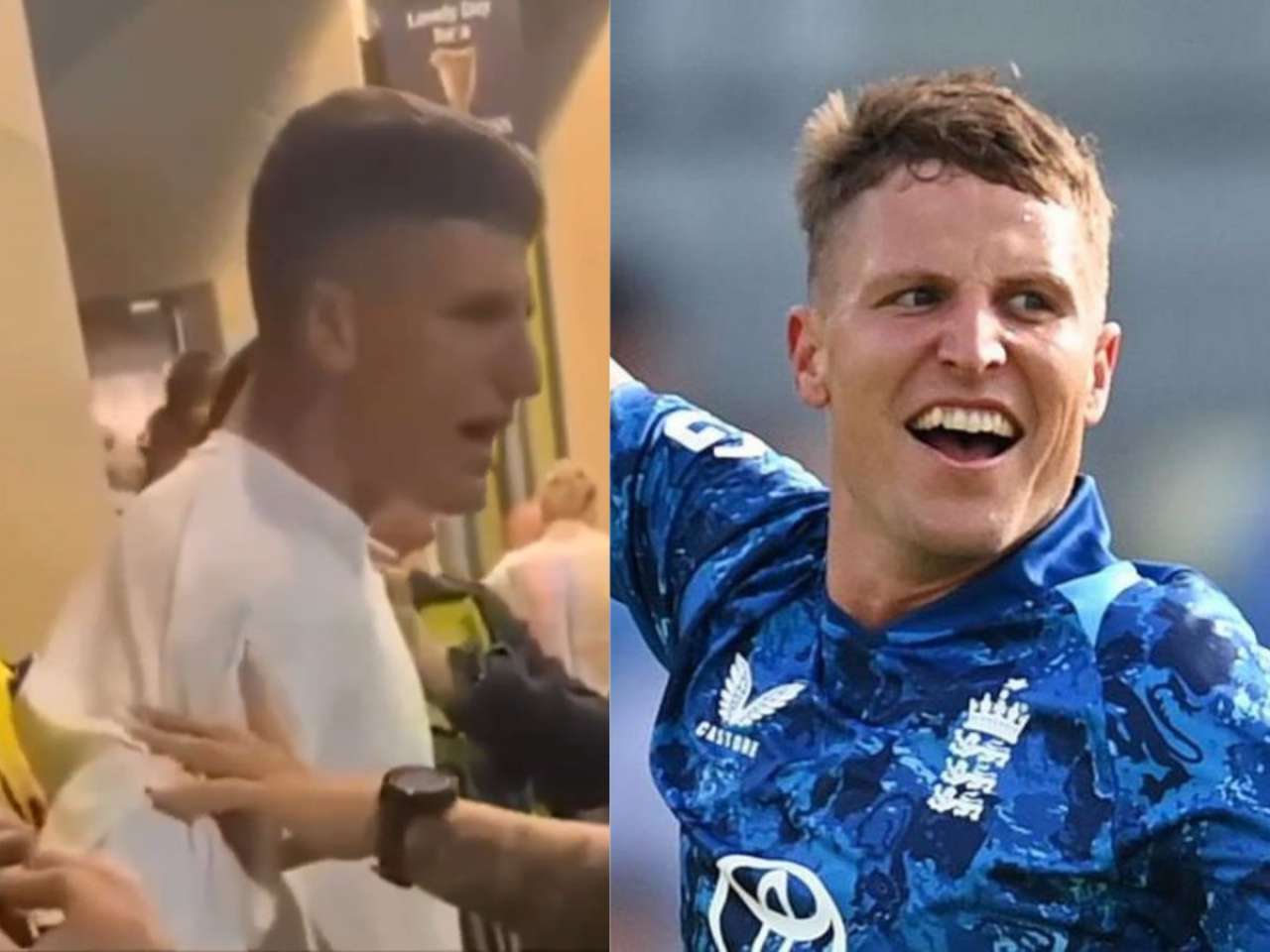
The Incident Unfolds: A Night in Derby
The events that led to Brydon Carse’s detention reportedly transpired in the early hours following Durham’s victory over Derbyshire, a County Championship match played in Derby. Carse, who was not on official England duty at the time, was out with Durham teammate Matthew Potts. The celebratory mood, however, took an unforeseen turn when police intervened outside a nightclub, leading to Carse being placed in handcuffs.
Viral Footage Captures Dramatic Scene
The most compelling and unsettling evidence of the incident comes from a series of short videos that quickly went viral across social media. These clips, timestamped and shared widely, depict Carse being led away by four uniformed police officers. While the exact sequence of events leading up to his handcuffing remains unclear, the footage unmistakably shows the England international in a state of detention. Eyewitness accounts, though unverified, have begun to trickle in, painting a picture of a situation that escalated rapidly, drawing significant public attention even in the late hours. The quality of the footage varies, but the distinctive appearance of Carse, a recognisable figure in English cricket, leaves little doubt about his involvement. The images have sparked a flurry of debate online, with fans and pundits alike questioning the circumstances and the potential implications for his career.
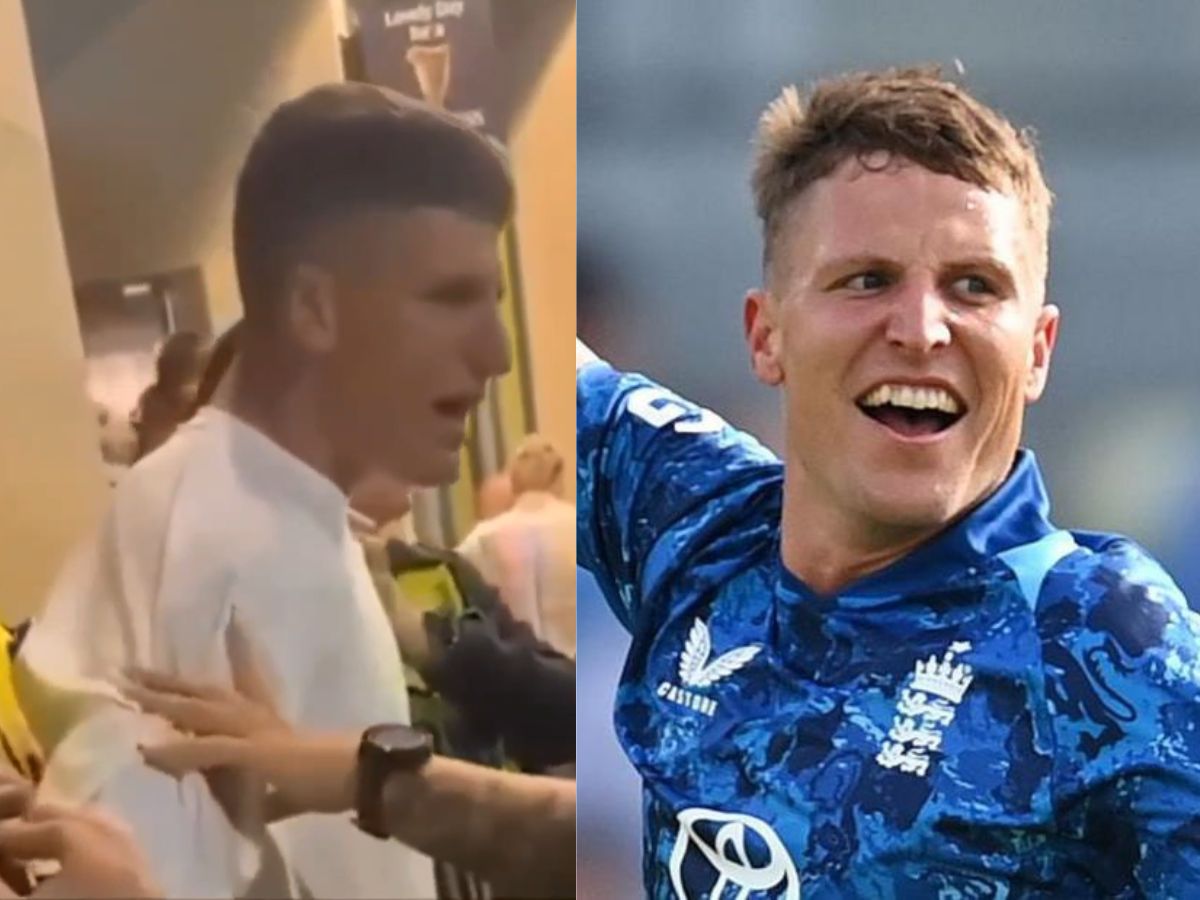)
Context: Off-Duty but High Profile
It is crucial to note that at the time of the incident, Brydon Carse was technically off-duty from his England commitments. He was with his county team, Durham, celebrating a hard-fought victory. However, his status as an England squad member for the impending second Test against Pakistan means that any incident, regardless of whether it occurs during official national team duty, carries significant weight and scrutiny. Carse was scheduled to join the national squad on the Monday following the weekend incident, a plan now undoubtedly complicated by the ongoing investigation. The public’s expectation of professional athletes extends beyond the boundary ropes, demanding a standard of behaviour that reflects positively on their sport and country, a standard that Carse’s current situation appears to challenge.
ECB Launches Immediate Investigation
Responding to the burgeoning reports and the undeniable visual evidence, the England and Wales Cricket Board acted swiftly, acknowledging the seriousness of the situation. The ECB’s immediate response underscores the organisation’s commitment to upholding its code of conduct and addressing any perceived breaches by its players, irrespective of their on-field importance.

Official Statement and Procedural Delays
In a statement provided to The Telegraph, the ECB confirmed its position: "We are aware of an incident which is reported to have taken place in Derby last night, and are currently investigating. We will provide a further update when possible." This terse but direct statement reflects the initial stages of a formal inquiry. While providing minimal details, it confirms the ECB’s engagement with the matter. Such investigations typically involve gathering statements from all parties involved – Carse himself, his teammate Matthew Potts, club officials, and potentially local law enforcement. The process can be time-consuming, necessitating a careful and impartial review of all available evidence before any conclusions or disciplinary actions are considered. The delay in providing further updates is standard procedure, allowing the board to conduct a thorough review without prejudicing the outcome.
The Nature of the Allegations: Uncharged but Under Scrutiny
A critical element of the initial reports is the assertion that Brydon Carse was released without charge. This detail, if confirmed, suggests that while he was detained and handcuffed by police, the authorities did not find sufficient grounds to formally arrest him or press charges. He was reportedly returned to the team hotel shortly after the incident. However, being released without charge does not absolve a professional athlete from disciplinary action by their governing body. Sporting organisations often operate under their own codes of conduct, which can be far more stringent than criminal law, addressing issues of bringing the game into disrepute, public image, and professional responsibility. The ECB’s investigation will therefore focus not just on the legality of Carse’s actions but on whether his conduct aligns with the values and expectations placed upon an England international cricketer. The exact reasons for his handcuffing, despite being released, remain a central point of the inquiry.
)
Brydon Carse’s Turbulent Past
This is not the first instance of Brydon Carse facing disciplinary issues during his career. His recent rise through the ranks to gain an England Test call-up has been impressive, but it has also been punctuated by previous off-field transgressions, suggesting a pattern of behaviour that the ECB will undoubtedly consider in its current investigation.
The Betting Ban: A Precedent for Disciplinary Action
Earlier in the year, Carse was handed a three-month ban by the ECB for breaching anti-corruption rules related to betting. The investigation revealed that he had placed 303 bets on various cricket matches between 2017 and 2019. Crucially, the ECB clarified that Carse did not play in any of the matches he bet on, and there was no evidence of match-fixing or inside information being used. Nevertheless, the act of betting on cricket, regardless of direct involvement, is a strict breach of the ECB’s anti-corruption code, designed to protect the integrity of the sport. This previous incident serves as a significant precedent. It demonstrates that the ECB has a history of imposing substantial penalties for off-field misconduct, even when criminal charges are not involved. The betting ban highlighted Carse’s previous lapse in judgment and his apparent disregard for strict professional guidelines, making the current nightclub incident all the more concerning for his future prospects.
)
Career Trajectory and Recent Form
Brydon Carse, a right-arm fast-medium bowler, has been on the radar of England selectors for some time. Known for his pace and ability to extract bounce, he has been a consistent performer for Durham. His inclusion in the England Test squad for the Pakistan series was a testament to his hard work and promising talent, signalling a potential breakthrough into the longer format of the game at the highest level. He had already made appearances for England in limited-overs cricket, showcasing his potential. This recent call-up was seen as a significant step, offering him the chance to cement his place in the national side, especially with ongoing concerns about the fitness and availability of other frontline fast bowlers. The timing of this incident could not be worse, coming just as he was poised to potentially make his Test debut or at least solidify his position within the squad. His recent form for Durham had been strong, reinforcing the selectors’ confidence, making the current situation a particularly bitter pill for Carse and his supporters.
Echoes of Past Controversies: A Recurring Challenge for English Cricket
The incident involving Brydon Carse is not an isolated event but rather another entry in a recent string of off-field controversies that have plagued English cricket. The sport has, in recent years, grappled with various challenges related to player conduct, mental health, and the immense pressure placed on its stars.
)
The Ben Stokes Saga: A High-Profile Parallel
Perhaps the most significant and often-cited parallel to Carse’s situation is the infamous incident involving then-all-rounder Ben Stokes. In September 2017, following an ODI victory against the West Indies, Stokes was involved in an altercation outside a Bristol nightclub. The fallout was immense: he was arrested, subsequently charged with affray, and missed a significant portion of the Ashes series. The legal proceedings dragged on, culminating in his acquittal in August 2018. However, the ECB also conducted its own disciplinary hearing, which resulted in an eight-match ban and a substantial fine. The Stokes incident sparked a national debate about player responsibility, the "lad culture" in sport, and the intense scrutiny faced by professional athletes. It served as a stark reminder that even the most talented players are not immune to the consequences of their actions off the field. The Carse incident, while seemingly less severe in its immediate legal outcome, inevitably draws comparisons, raising questions about whether lessons from the Stokes saga have been fully absorbed within the England cricketing setup. It underscores the challenges faced by players in navigating their public and private lives under constant public scrutiny. Ben Stokes, in a remarkable turnaround, later went on to captain England, announcing his international retirement from some formats at Trent Bridge, citing the unsustainable demands of the sport and expressing a desire to coach in the future. His journey from controversy to captaincy, and then to a more considered reflection on the game, offers a complex backdrop to Carse’s current predicament.
Broader Culture and Player Welfare Debates
Beyond individual incidents, English cricket has faced broader questions about its culture and the welfare of its players. High-profile burnout, mental health struggles, and the sheer demands of a packed international schedule have all contributed to a narrative of increasing pressure on athletes. These factors, while not directly excusing misconduct, provide a context in which such incidents can occur. The constant travel, the intense media spotlight, and the expectations from fans and sponsors can take a toll, making the transition between high-pressure matches and private downtime a delicate balance. The ECB has made strides in recent years to address player welfare, including introducing support systems and education programs. However, incidents like Carse’s suggest that there may still be gaps or that the inherent challenges of modern professional sport continue to test the resilience and judgment of even seasoned players. The public’s perception of "English cricket" is shaped not just by on-field heroics but also by the conduct of its representatives, making these off-field controversies particularly damaging to the sport’s image.
)
Potential Ramifications: What Lies Ahead?
The ECB’s investigation is still in its nascent stages, but the potential ramifications for Brydon Carse, the England team, and the board itself are significant and far-reaching.
Impact on Carse’s International Future
The immediate future for Brydon Carse is uncertain. His place in the England Test squad for the upcoming series against Pakistan is now in jeopardy. Even if the ECB concludes that no further disciplinary action is warranted, the distraction and negative publicity could lead to his withdrawal from the squad, either by the selectors or by his own volition to manage the situation. Long-term, his international career could face significant setbacks. Repeated disciplinary issues, even if individually minor, can accumulate and lead to a loss of trust from selectors and team management. His previous betting ban, combined with this nightclub incident, paints a picture of a player who struggles with adherence to professional standards, which could limit his opportunities in a highly competitive environment. His reputation, both within the dressing room and among the public, has undoubtedly taken a hit, requiring a considerable effort to rebuild.
)
Team Dynamics and Public Perception
For the England team, the incident creates an unwelcome distraction just as they prepare for a crucial Test series. Such controversies can disrupt team morale, diverting focus from on-field preparations. While Carse was not on official England duty, the association of an England player with a public incident of this nature inevitably reflects on the entire squad and the wider cricketing establishment. From a public perception standpoint, another off-field controversy following closely on the heels of others could erode trust and goodwill. Fans expect their national heroes to embody certain values, and repeated incidents of misconduct, regardless of severity, can lead to disillusionment. The media spotlight on English cricket is intense, and negative headlines can quickly overshadow positive achievements, creating a challenging environment for the team to operate in.
ECB’s Dilemma: Upholding Standards vs. Player Support
The ECB faces a delicate balancing act. On one hand, it has a responsibility to uphold the integrity and reputation of English cricket, which often necessitates taking firm disciplinary action against players who breach its code of conduct. This is vital for maintaining public trust and setting clear expectations for all professional cricketers. On the other hand, the ECB also has a duty of care towards its players, many of whom navigate immense pressures and scrutiny. Finding the right balance between accountability and support, particularly for a player with a history of disciplinary issues, will be crucial. The outcome of their investigation will set a precedent and send a clear message about the standards expected of England cricketers in the modern era. The board must demonstrate that it takes such incidents seriously while also offering pathways for rehabilitation and growth where appropriate.
)
Conclusion
The incident involving Brydon Carse in Derby represents a significant challenge for both the player and the England and Wales Cricket Board. While the immediate legal outcome suggests no charges were pressed, the public nature of his detention and his prior disciplinary record place him firmly under the microscope. As the ECB’s investigation unfolds, the cricketing world awaits further details and the board’s decision on the matter. The resolution will not only determine the immediate future of Brydon Carse’s international career but will also contribute to the ongoing narrative of player conduct and accountability within English cricket, serving as another reminder of the heightened responsibilities that accompany life as an elite athlete in the public eye.
