

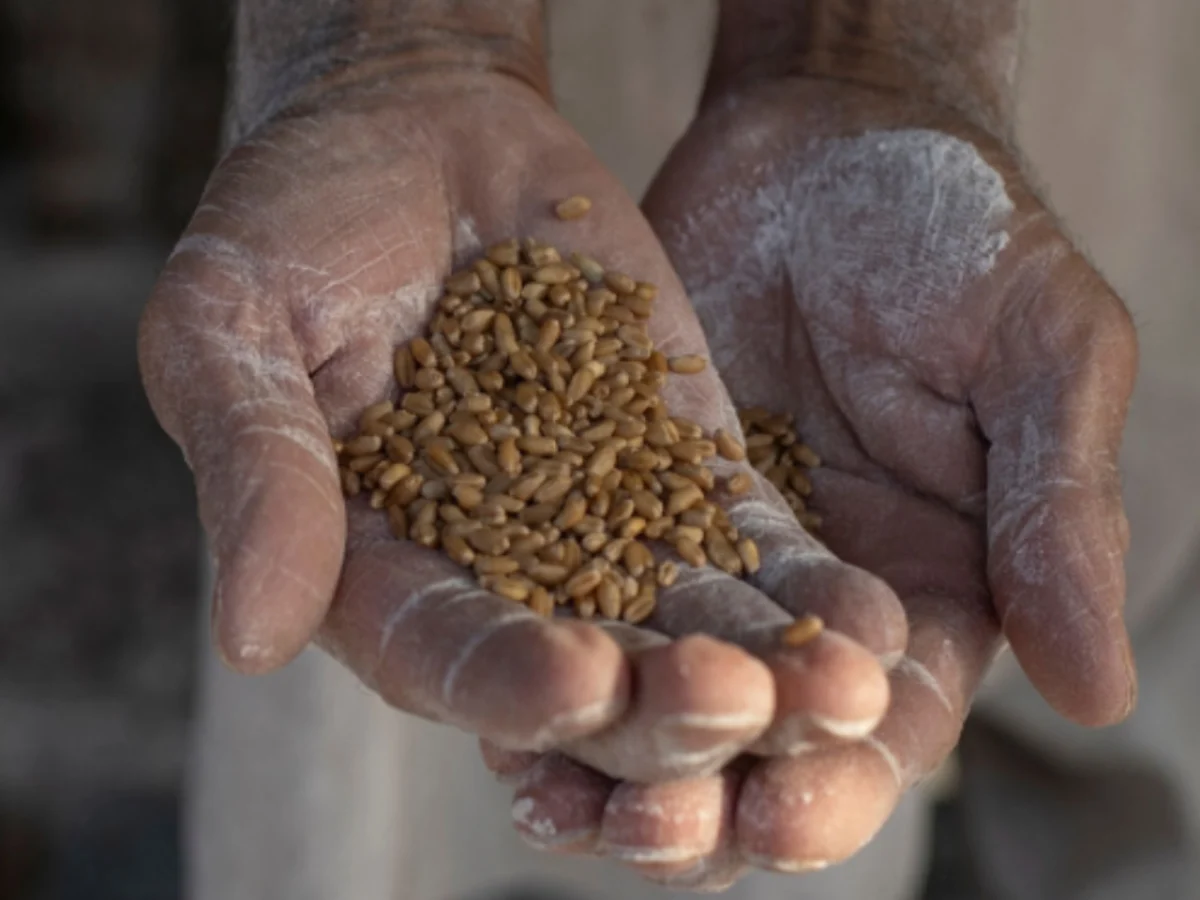
NEW DELHI, August 24, 2026 – In a significant move set to reshape global food markets and solidify its position as a responsible agricultural power, the Central government of India has announced the immediate lifting of the export ban on wheat and various wheat products. This policy reversal, enacted under the Foreign Trade (Development & Regulation) Act, 1992, and aligned with the Foreign Trade Policy, 2023, marks a strategic pivot driven by record domestic harvests and robust food security.
The Directorate General of Foreign Trade (DGFT) issued crucial notifications, transitioning the export policy for an array of wheat and meslin products from ‘Prohibited’ to ‘Free’. This includes common wheat flour (atta), refined wheat flour (maida), semolina (rava/suji), wholemeal atta, and resultant atta, all falling under HS Code 11010000. Additionally, specific categories of Durum Wheat (HS Code 10011900) and other wheat varieties (HS Code 10019910) have also been reclassified, opening avenues for international trade that were closed for over four years.
This decision reflects India’s renewed confidence in its agricultural output and its capacity to meet both burgeoning domestic demand and contribute to global food stability. The move is anticipated to benefit Indian farmers, bolster foreign exchange earnings, and potentially stabilize international wheat prices.
Main Facts: A New Chapter in India’s Wheat Trade
The announcement, conveyed via DGFT Notification No. 35/2026-27 dated August 24, 2026, officially reopens India’s vast wheat market to international buyers. This policy shift is comprehensive, covering a broad spectrum of wheat-derived products crucial for global food supply chains.
Key aspects of the policy change include:
- Broad Product Coverage: The lifting of the ban extends beyond raw wheat to include essential processed wheat products. This ensures that the entire value chain, from primary producers to millers, can participate in international trade. The specified products – wheat or meslin flour (atta), maida, semolina (rava/suji), wholemeal atta, and resultant atta – are fundamental commodities in many global cuisines and industries.
- Specific Wheat Categories: The reclassification also applies to Durum Wheat (ITC (HS) Code 10011900) and other wheat (ITC (HS) Code 10019910). Durum wheat, known for its hardness and high protein content, is particularly valued for pasta and bread production, signifying India’s potential to cater to diverse global demands.
- Immediate Effect: The policy change is effective immediately, allowing exporters to commence shipments without delay. This prompt action signals the government’s readiness to leverage the current agricultural surplus.
- Regulatory Framework: The amendments are rooted in the Foreign Trade (Development & Regulation) Act, 1992, which empowers the government to formulate and implement India’s foreign trade policy. This legal grounding, coupled with the overarching Foreign Trade Policy, 2023, underscores the well-considered and strategic nature of the decision. The transition from ‘Prohibited’ to ‘Free’ status simplifies the export process, removing bureaucratic hurdles and encouraging trade.
- Underlying Rationale: The primary catalyst for this liberalization is the significant improvement in India’s domestic supply situation. Following consecutive years of robust agricultural growth, the nation has achieved an all-time high wheat harvest of 120.6 million tons, contributing to an overall 5.3% increase in total foodgrain production. This robust output has comfortably secured domestic food security, creating a surplus for export.
This landmark decision not only signifies a shift in India’s trade posture but also reflects a dynamic approach to managing its agricultural resources in a volatile global environment.
)
Chronology: Tracing India’s Wheat Export Policy Shifts
India’s journey with wheat export policy has been marked by periods of liberalization and restriction, often dictated by domestic food security imperatives and global market dynamics. The current decision to lift the ban is the culmination of a complex interplay of events over the past few years.
Pre-2022: India’s Growing Export Ambitions
Prior to 2022, India was steadily emerging as a significant player in the global wheat market. While not traditionally among the top three exporters, its substantial production base and improving logistical capabilities allowed it to capitalize on global demand fluctuations. In the marketing year 2021-22, India’s wheat exports reached a remarkable 7 million tonnes, valued at an impressive $2.05 billion. This period showcased India’s potential to serve as a reliable supplier, especially to neighboring countries and parts of Asia and Africa. The government had largely maintained a ‘free’ export policy, encouraging farmers to produce more and tap into international prices.

May 2022: The Imposition of the Ban – A Pivotal Moment
The year 2022 witnessed a dramatic shift in India’s wheat policy. Several critical factors converged, compelling the government to impose an immediate ban on wheat exports:
- The Russia-Ukraine War: The conflict, which erupted in February 2022, severely disrupted the Black Sea region, a critical breadbasket supplying a significant portion of global wheat and other grains. This geopolitical event sent shockwaves through international commodity markets, causing global wheat prices to skyrocket. Major importers, particularly in the Middle East and Africa, faced acute supply shortages and unprecedented price volatility.
- Domestic Heatwaves and Crop Damage: Simultaneously, India experienced an unusually severe and prolonged heatwave in March and April 2022, particularly in its northern wheat-growing belts. These scorching temperatures during the critical grain-filling stage significantly impacted the Rabi (winter-sown) wheat crop, leading to lower-than-expected yields and quality concerns.
- Inflationary Pressures and Food Security: The combination of global price surges and domestic supply concerns fueled fears of escalating food inflation within India. With a population of 1.4 billion, ensuring affordable food access is a paramount government priority. The ban was a pre-emptive measure to safeguard domestic availability, stabilize local prices, and prevent a potential food crisis.
- International Reaction: The ban, imposed amidst a global food crisis, drew mixed reactions internationally. While some acknowledged India’s sovereign right to prioritize its own food security, others, particularly international bodies and major importing nations, expressed concern that the move could exacerbate global shortages and further drive up prices. The Indian government clarified that it would continue to allow exports to countries genuinely in need, based on government-to-government requests, to mitigate the humanitarian impact.
The Interim Period (2022-2026): Managing Domestic Supply and Global Expectations
)
Following the 2022 ban, India’s policy remained largely restrictive, with minor relaxations primarily for humanitarian aid or specific government-to-government agreements. During this period:
- Focus on Domestic Buffer Stocks: The government intensified its procurement efforts to build and maintain robust buffer stocks through the Food Corporation of India (FCI). These stocks are crucial for the Public Distribution System (PDS) and as a strategic reserve against future contingencies.
- Agricultural Resilience and Policy Support: Despite the initial setback from the 2022 heatwave, Indian farmers, supported by government schemes and favorable monsoons in subsequent years, demonstrated remarkable resilience. Investments in irrigation, access to improved seed varieties, and farmer support programs continued, aiming to enhance productivity and climate resilience.
- Monitoring Global Markets: India closely monitored the evolving global wheat market, including the effectiveness of initiatives like the Black Sea Grain Initiative, and the production outlooks of other major wheat-producing nations.
- Internal Assessments: Regular assessments of domestic supply-demand dynamics, price trends, and the state of buffer stocks were conducted to inform future policy decisions. The government was keen to ensure that any future liberalization would not jeopardize national food security.
Road to Liberalization (Leading to August 24, 2026): A Confluence of Favorable Conditions
The decision to lift the ban in August 2026 is a direct result of several positive developments:
)
- Consecutive Bumper Harvests: Years of favorable climatic conditions, coupled with sustained agricultural policy support, have led to successive record-breaking wheat harvests. The latest harvest, yielding an all-time high of 120.6 million tons, provided the crucial confidence needed for policy makers.
- Stabilization of Domestic Prices: With abundant supply, domestic wheat prices have stabilized at comfortable levels, removing the immediate inflationary pressure that triggered the 2022 ban.
- Robust Buffer Stocks: The FCI’s strategic reserves are now well above the prescribed norms, ensuring ample stock for the PDS and emergency requirements.
- India’s Evolving Role: The government’s confidence in its agricultural prowess and its aspiration to play a larger, more constructive role in global food security converged, paving the way for this strategic policy reversal.
This chronological overview highlights India’s adaptive approach, prioritizing national food security while remaining cognizant of its potential contribution to global food stability.
Supporting Data: A Deep Dive into India’s Wheat Landscape
India’s decision to lift the wheat export ban is firmly underpinned by robust agricultural data, reflecting a thriving domestic production environment and strategic management of food resources.
Unprecedented Production Statistics:
)
The cornerstone of this policy shift is India’s stellar performance in wheat production. The nation’s latest wheat harvest has reached an all-time high of 120.6 million tons. This figure not only surpasses previous records but also contributes significantly to an overall 5.3 per cent increase in total foodgrain production, demonstrating a holistic growth across the agricultural sector.
To put this into perspective:
- Historical Growth: India has consistently been among the top global wheat producers, but recent years have seen remarkable growth, moving from an average of around 100-105 million tons in the late 2010s to its current peak. This upward trend reflects advancements in farming techniques, adoption of high-yielding varieties, and improved irrigation.
- Self-Sufficiency and Beyond: These production levels comfortably ensure India’s self-sufficiency, leaving a substantial surplus for export. The buffer stocks maintained by the Food Corporation of India (FCI) are now well above the strategic and operational norms required for the Public Distribution System (PDS) and other welfare schemes.
Consumption and Buffer Stock Management:
)
India’s massive population necessitates a robust system for food distribution. The PDS, a government-sponsored food security program, provides subsidized food grains to a significant portion of the population. Maintaining adequate buffer stocks is paramount to the success of this system and to insulate the country from price volatility and supply shocks.
- Domestic Consumption: India’s annual wheat consumption hovers around 100-105 million tons, driven by its status as a staple food. The current production of 120.6 million tons provides a comfortable cushion.
- FCI’s Role: The FCI procures wheat directly from farmers at Minimum Support Prices (MSP) to build these buffer stocks. This not only ensures food security but also provides price stability and income support to farmers. The current robust stocks ensure that even with renewed exports, domestic availability and PDS commitments will not be jeopardized.
Economic Factors and Global Market Dynamics:
The re-entry of India into the global wheat export market has significant economic implications, both domestically and internationally.
)
- Minimum Support Price (MSP): The government’s commitment to procuring wheat at MSP has been a crucial factor in incentivizing farmers and ensuring consistent production. This mechanism guarantees a floor price for farmers, protecting them from market fluctuations and encouraging investment in wheat cultivation.
- Global Market Influence: India’s re-entry could potentially influence international wheat prices, especially in regions that were previously reliant on Black Sea supplies or other major exporters. While India may not immediately become the largest exporter, its consistent supply can help stabilize volatile markets and provide an alternative source.
- Foreign Exchange Earnings: Increased wheat exports will boost India’s foreign exchange earnings, strengthening its balance of payments and providing valuable currency reserves. This is particularly beneficial for a developing economy with ambitious growth targets.
- Logistical Capacity: While India possesses extensive agricultural infrastructure, expanding export volumes will necessitate continued investment in logistics, including storage facilities, railway networks, and port infrastructure, to efficiently move grains from farms to international markets.
Agricultural Profile: Varieties, Regions, and Export Destinations:
India’s diverse agro-climatic zones support a wide range of wheat varieties, contributing to its overall production strength.
- Key Wheat Varieties: According to the Agricultural and Processed Food Products Export Development Authority (APEDA), prominent wheat varieties grown in India include VL-832, VL-804, HS-365, HS-240, HD2687 (Shresth), WH-147, WH-542, PBW-343, WH-896(d), PDW-233(d), UP-2338, PBW-502, Aditya (HD 2781), HW-2044, HW-1085, NP-200(di), and HW-741. These varieties are selected for their high yields, disease resistance, and adaptability to specific regional conditions. For example, Durum wheat varieties are particularly suited to central and western India, while bread wheat varieties thrive in the northern plains.
- Major Growing States: The lion’s share of India’s wheat production comes from the northern and central states. Uttar Pradesh is historically the largest producer, followed by Madhya Pradesh, Punjab, Haryana, and Rajasthan. Other significant contributors include Bihar and Gujarat. These states benefit from fertile alluvial plains, extensive irrigation systems, and favorable winter climates for the Rabi crop.
- Export Destinations: Historically, India’s primary export destinations have included Nepal, UAE, Bhutan, and Iraq. With the lifting of the ban and India’s growing surplus, there is potential to expand into new markets, particularly in Southeast Asia, Africa, and parts of the Middle East, seeking diversified and reliable suppliers. The estimated production of 117.94 million tonnes for 2024-25 (as mentioned in the source, though the main article refers to 120.6 million tons as the "latest harvest," suggesting a dynamic reporting of production figures) further solidifies India’s capacity to maintain consistent export volumes.
This comprehensive data underscores India’s current agricultural strength, providing a solid foundation for its re-engagement with the global wheat market.
)
Official Responses and Expert Commentary: Navigating the Policy Shift
The decision to lift the wheat export ban has garnered significant attention, eliciting responses from government officials, economists, and agricultural experts, all weighing in on the implications of this strategic move.
Government’s Stance: Confidence in Abundance and Responsible Trade
Officials from various ministries have echoed a consistent message: India is confident in its domestic food security and is ready to assume a greater role in global food supply.
)
- Ministry of Commerce and Industry (DGFT): A spokesperson from the DGFT, speaking on condition of anonymity, stated, "This policy shift is a testament to India’s agricultural prowess. We have meticulously assessed our domestic supply situation and are now in a position to contribute meaningfully to global food security. The transition from ‘Prohibited’ to ‘Free’ reflects our commitment to a transparent and predictable trade regime, aligning with the Foreign Trade Policy, 2023. Our focus remains on responsible trade, balancing national interests with international obligations."
- Ministry of Agriculture & Farmers’ Welfare: The Union Agriculture Minister, in a recent press conference, highlighted the success of government initiatives. "Our farmers have delivered a phenomenal harvest, an all-time high of 120.6 million tons. This record production is a direct result of their hard work, resilience, and the strategic support provided through various government schemes for irrigation, seed quality, and market access. Lifting the export ban will provide our farmers with better price realization and further incentivize productivity, ultimately boosting rural incomes and strengthening the agricultural economy."
- Ministry of Food & Public Distribution: An official from the Ministry of Food & Public Distribution reassured the public regarding domestic availability. "We have robust buffer stocks, well above the strategic norms, ensuring that the Public Distribution System continues to function seamlessly and that every citizen has access to affordable food grains. This decision was made only after a thorough evaluation confirmed that domestic food security would not be compromised."
Economist Perspectives: Opportunities and Cautious Optimism
Economists largely view the move positively, though some advise caution.
- Positive Outlook: Dr. Anjali Sharma, a leading agricultural economist, remarked, "This is a win-win situation. For India, it means foreign exchange earnings, a boost to farmer incomes, and a stronger position in global trade. For the world, it offers a crucial alternative supply source, potentially easing inflationary pressures on global wheat prices that have lingered since the 2022 crisis. India’s re-entry sends a strong signal of stability."
- Cautious Views: However, not all analyses are entirely unreserved. Mr. Rajesh Kumar, an economic policy analyst, cautioned, "While the current surplus is undeniable, the government must remain vigilant. Climate change poses ongoing risks to agricultural output. Continuous monitoring of domestic prices, buffer stock levels, and global market trends will be essential to ensure that export volumes do not inadvertently trigger domestic inflation or future supply shortages. A dynamic, responsive policy is key." He suggested that the government might consider introducing export quotas or tariffs in the future if domestic conditions warrant, to maintain flexibility.
Industry Stakeholder Reactions: Enthusiasm and Preparation
)
The Indian wheat export industry has reacted with enthusiasm, seeing this as a significant opportunity.
- Exporters: Mr. Vikram Singh, President of the All India Grains Exporters Association, expressed optimism. "This is a hugely welcome development. Our members are already receiving inquiries from international buyers. The global market is always looking for reliable suppliers, and India, with its quality wheat and competitive pricing, is poised to regain its market share. We anticipate a significant uptick in export contracts in the coming months, especially to traditional markets like Nepal, UAE, Bhutan, and Iraq, and also exploring new avenues in Southeast Asia and Africa."
- Farmers’ Associations: Representatives from farmer organizations have generally applauded the move. "Farmers will finally get a better price for their produce, which was suppressed due to the ban," said a spokesperson for a prominent farmer union. "This will encourage us to invest more in our fields and produce even more. We hope the government maintains this free export policy and provides further support for storage and transportation infrastructure to facilitate exports."
The consensus among stakeholders is that this policy shift is a positive development, marking India’s growing confidence in its agricultural sector and its commitment to a more open trade regime, albeit with an underlying commitment to safeguarding national food security.
Implications: Far-Reaching Effects of Export Liberalization
The lifting of India’s wheat export ban is not merely a bureaucratic adjustment; it is a strategic policy decision with profound implications for its domestic economy, international trade relations, and global food security.
)
Impact on the Domestic Market:
- Farmers’ Prosperity: The most immediate and significant impact will be felt by Indian farmers. With access to international markets, they are likely to receive better prices for their wheat, potentially exceeding the Minimum Support Price (MSP) set by the government. This increased income will incentivize further investment in agricultural practices, technology adoption, and expansion of wheat cultivation, leading to enhanced productivity and rural prosperity. It also provides a crucial outlet for the surplus produce from bumper harvests.
- Consumer Prices: While beneficial for farmers, increased export demand could exert upward pressure on domestic wheat and flour prices. However, with record production and substantial buffer stocks, any price increase is expected to be moderate and manageable. The government’s continued vigilance and the existence of the Public Distribution System (PDS) will act as crucial safeguards, ensuring that basic food grains remain affordable for all segments of the population. The PDS will continue to distribute subsidized grains, mitigating the impact on vulnerable households.
- Food Security Reassurance: The government’s decision signals its strong confidence in the nation’s food security. By allowing exports, India asserts that its production capabilities are robust enough to meet the demands of its 1.4 billion people while simultaneously contributing to global supplies. This move is a testament to the success of its agricultural policies and the resilience of its farming sector.
International Trade & Geopolitics:
- Global Food Security Contribution: India’s re-entry into the global wheat market will be a welcome development for many importing nations, particularly those grappling with persistent food insecurity or high import bills. As a reliable and substantial supplier, India can help diversify global supply chains, reduce dependence on a few major exporters, and potentially stabilize international wheat prices. This positions India as a responsible global player committed to addressing worldwide food challenges.
- Strengthening Trade Relations: Renewed wheat exports will foster stronger trade ties with importing countries, especially those in its traditional markets (Nepal, UAE, Bhutan, Iraq) and potentially new ones in Southeast Asia and Africa. This could open doors for broader economic cooperation and reinforce India’s diplomatic influence.
- Enhancing India’s Global Image: After the criticism faced during the 2022 ban, lifting the restrictions enhances India’s image as a stable and predictable trading partner. It demonstrates India’s capacity not only for self-sufficiency but also for contributing to global public goods, such as food security, when domestic conditions permit. This strategic move aligns with India’s broader ambition to play a more significant role in global governance and economic affairs.
Economic Impact:
)
- Foreign Exchange Earnings: Wheat exports will generate substantial foreign exchange, boosting India’s export revenues. This inflow of foreign currency will help strengthen the rupee, improve the balance of payments, and provide resources for other developmental initiatives.
- Agricultural Sector Growth: The export opportunity will inject dynamism into India’s agricultural sector. It will encourage further investment in farm infrastructure, processing units, and logistics, creating jobs and fostering economic growth in rural areas. The demand for higher quality wheat for export markets may also drive innovation in farming practices and post-harvest management.
- Inflation Management: While exports can be inflationary, the government’s ability to manage buffer stocks and intervene if necessary, coupled with robust production, provides a strong mechanism to control potential inflationary pressures. This balancing act will be crucial for sustainable growth.
Future Policy Outlook:
The current policy shift underscores India’s commitment to a dynamic and responsive foreign trade policy. The government has demonstrated its willingness to adjust trade regulations based on evolving domestic and international conditions. This adaptability is vital in an era marked by climate change, geopolitical instability, and fluctuating global commodity prices.
Going forward, India’s policy framework is likely to continue prioritizing domestic food security while maximizing opportunities for agricultural exports. This may involve:
)
- Continuous Monitoring: Rigorous monitoring of crop yields, domestic prices, and international market trends.
- Infrastructure Development: Further investments in storage, transportation, and port facilities to enhance export efficiency.
- Quality Standards: Focus on meeting international quality and phytosanitary standards to ensure competitiveness in global markets.
- Climate Resilience: Continued emphasis on developing climate-resilient agriculture practices to safeguard future harvests against erratic weather patterns.
In conclusion, the decision to lift the wheat export ban in August 2026 is a landmark moment for India. It is a confident assertion of its agricultural strength, a strategic move to boost its economy, and a significant step towards reinforcing its role as a key contributor to global food security in an increasingly interconnected world.
(With inputs from ANI)
