

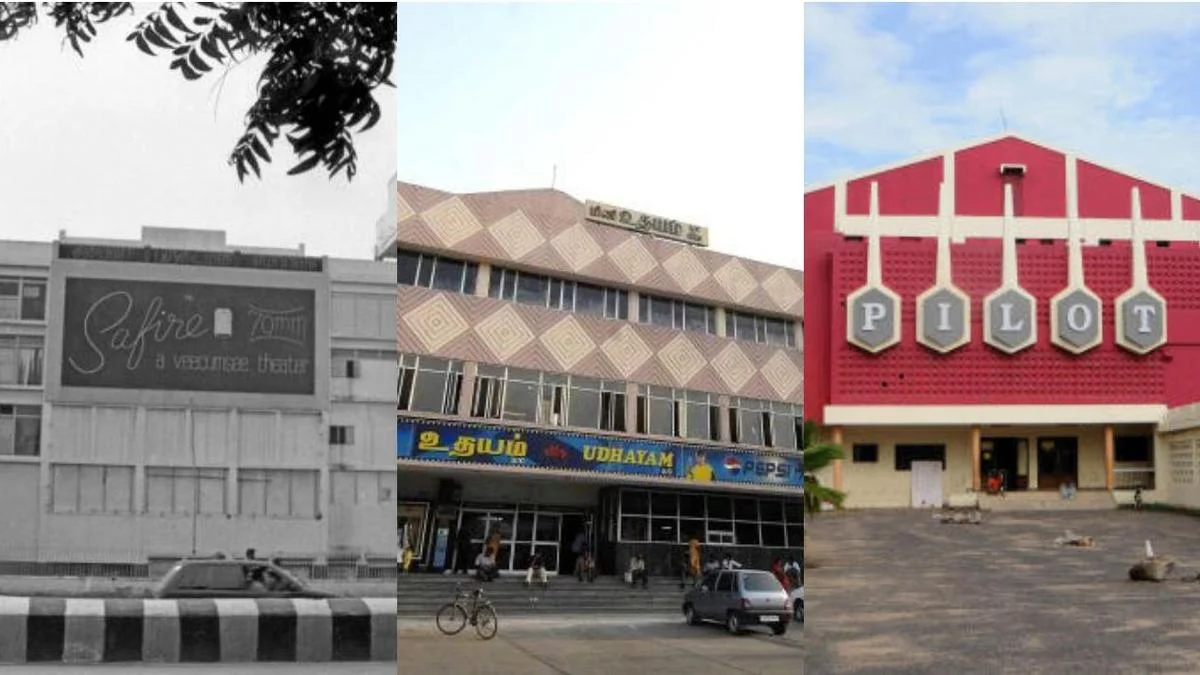
Chennai, India – August 25, 2026 – As Chennai, the vibrant capital of Tamil Nadu, commemorates its 387th anniversary this year – a milestone celebrated as Madras Day – a nostalgic reflection on its past reveals a significant chapter often overshadowed by the city’s relentless march towards modernity: the era of its iconic single-screen cinema halls. These architectural marvels and cultural epicenters, once the pulsating heart of the city’s entertainment scene, are now largely relegated to memory, their grand facades replaced by sprawling commercial complexes and residential high-rises. This article delves into the rich history, cultural significance, and eventual decline of these cinematic landmarks, exploring how their stories are intrinsically woven into the fabric of Chennai’s evolving urban landscape.
The Golden Age of Madras Cinema: More Than Just Movies
Long before the advent of multiplexes, the ubiquitous presence of malls, and the digital revolution that transformed home entertainment, Chennai’s single-screen theatres were more than just venues for watching films; they were social hubs, cultural touchstones, and potent symbols of the city’s aspirations. These grand establishments, often boasting opulent interiors, plush seating, and state-of-the-art (for their time) projection systems, played a pivotal role in shaping the collective consciousness of generations of Chennai residents.
The very act of going to the cinema was an event, an occasion that brought families and friends together. The anticipation of a new release, the vibrant posters plastered outside, the shared experience of laughter, tears, and suspense within the darkened auditorium – these were indelible memories etched into the city’s cultural DNA. These theatres were not merely screens; they were stages where dreams were projected, emotions were amplified, and community bonds were strengthened.
A Pantheon of Legends: Unveiling Chennai’s Cinematic Icons
Chennai’s cinematic landscape was once dotted with theatres that achieved legendary status, each with its unique charm and historical significance. Among the most revered was the Udhayam Theatre Complex in Ashok Nagar. Often hailed as the ultimate "collection king," Udhayam was synonymous with blockbuster hits and the quintessential first-day-first-show experience. Its immense popularity meant that securing a ticket for a major film was a feat in itself, a testament to its unwavering appeal among the city’s cinephiles. The theatre’s massive capacity and its consistent track record of housing record-breaking films cemented its place in the hearts of moviegoers, making it a pilgrimage site for many.
Standing as a testament to the city’s cosmopolitan flair was the Safire Theatre on Mount Road. This architectural marvel, with its distinctive facade and grand interiors, was a symbol of Chennai’s progressive and sophisticated image. Safire was not just a theatre; it was an experience, an embodiment of the city’s burgeoning modernity and its embrace of global trends. Its location on the bustling Mount Road further amplified its significance, making it a landmark visible to all and a destination for those seeking a touch of class and grandeur.
Other notable theatres that played a significant role in shaping Chennai’s cinematic heritage include the Pilot Theatre at Royapettah and the National Theatre at Virugambakkam. The Pilot Theatre, with its historical presence, was a familiar sight for residents of its locality, a place where countless movie memories were made. Similarly, the National Theatre served as a cultural anchor for its neighbourhood, offering a gateway to the world of cinema for a diverse audience. These theatres, though perhaps not as grand as Udhayam or Safire, held immense sentimental value and contributed significantly to the local cultural fabric.
A Shifting Skyline: The Inexorable March of Urban Transformation
The stories of these iconic theatres are inextricably linked to the narrative of Chennai’s own transformation. As the city expanded, its demographics shifted, and economic priorities evolved, the landscape of its entertainment industry underwent a seismic shift. The rise of real estate development presented lucrative opportunities, and many prime theatre locations, once considered sacrosanct, became targets for redevelopment.
The Pilot Theatre at Royapettah and the National Theatre at Virugambakkam are poignant examples of this trend. Their once-familiar structures have now been replaced by towering residential apartments and bustling commercial hubs, a stark visual representation of the city’s relentless urban growth. This transition, while indicative of economic progress, also signifies the erosion of a tangible link to Chennai’s past, the quiet disappearance of spaces that once echoed with the roar of the crowd and the magic of the silver screen.

This phenomenon is not unique to Chennai; it is a global trend observed in many rapidly urbanizing cities. However, the sheer number and cultural significance of the theatres that have vanished from Chennai’s landscape make this a particularly poignant aspect of its development. The loss of these architectural and cultural landmarks leaves a void, a reminder of a bygone era that cannot be replicated.
The Technological Tides: Reshaping the Exhibition Business
Beyond the economic pressures of real estate, the cinema exhibition business itself underwent a profound technological revolution that further contributed to the decline of traditional single-screen theatres. The advent of multiplex cinemas, with their multiple screens, plush seating, advanced sound systems, and diverse food and beverage options, offered a new and appealing moviegoing experience. These modern complexes, often located within sprawling malls, catered to a younger, more discerning audience seeking convenience and variety.
The proliferation of multiplexes began to draw audiences away from the older single-screen theatres, which struggled to compete with the amenities and immersive experience offered by their newer counterparts. The economics of running a single screen also became increasingly challenging. The cost of maintaining these large, often aging, structures, coupled with the fluctuating box office revenues, made it difficult for many theatre owners to remain viable.
Furthermore, the digital revolution in filmmaking and distribution also played a role. The transition from celluloid to digital projection, while offering numerous advantages, also presented a significant investment for older theatres. Those that could not afford to upgrade often found themselves unable to screen the latest films, further exacerbating their decline. The very technology that once defined the magic of cinema ultimately contributed to the obsolescence of many of its traditional guardians.
A Legacy Preserved: Nostalgia and the Enduring Cultural Footprint
Despite their physical disappearance, the legacy of Chennai’s iconic cinema halls continues to resonate. For those who experienced their golden age, these theatres remain etched in memory, evoking a sense of nostalgia for a simpler time. The stories of Udhayam’s box office triumphs, Safire’s cosmopolitan charm, and the local flavour of Pilot and National theatres are part of Chennai’s collective narrative.
The enduring cultural footprint of these establishments can be seen in various ways. Many Chennai residents fondly recall their first movie outings, their favourite film premieres, and the cultural significance attached to watching specific films in these hallowed halls. These memories serve as a reminder of the deep connection between cinema and society, and how these theatres were integral to the city’s social and cultural life.
The transformation of Chennai is a testament to its dynamism and progress. However, the fading grandeur of its iconic cinema halls serves as a poignant reminder of what has been lost in the relentless pursuit of modernity. As the city continues to evolve, it is crucial to acknowledge and preserve the stories of these cinematic landmarks, not just as relics of the past, but as vital components of Chennai’s rich and multifaceted cultural heritage. Their echoes on the silver screen may have faded, but their resonance in the hearts and minds of Chennai residents endures, a testament to the indelible mark they left on the city’s soul. The challenge now lies in finding ways to honor this legacy, perhaps through architectural retrospectives, oral histories, or even the repurposing of some remaining structures into cultural centers that can continue to tell the story of Chennai’s cinematic past for generations to come.
