

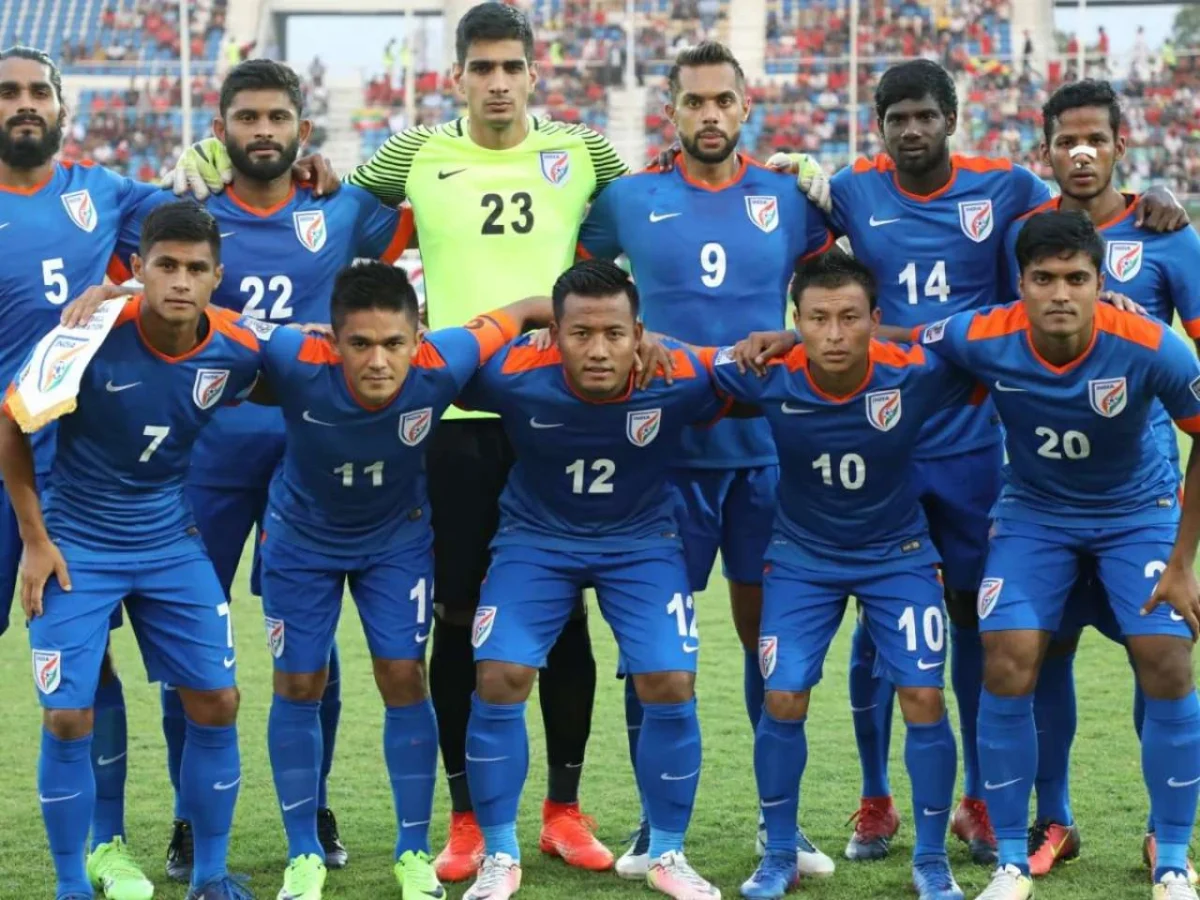
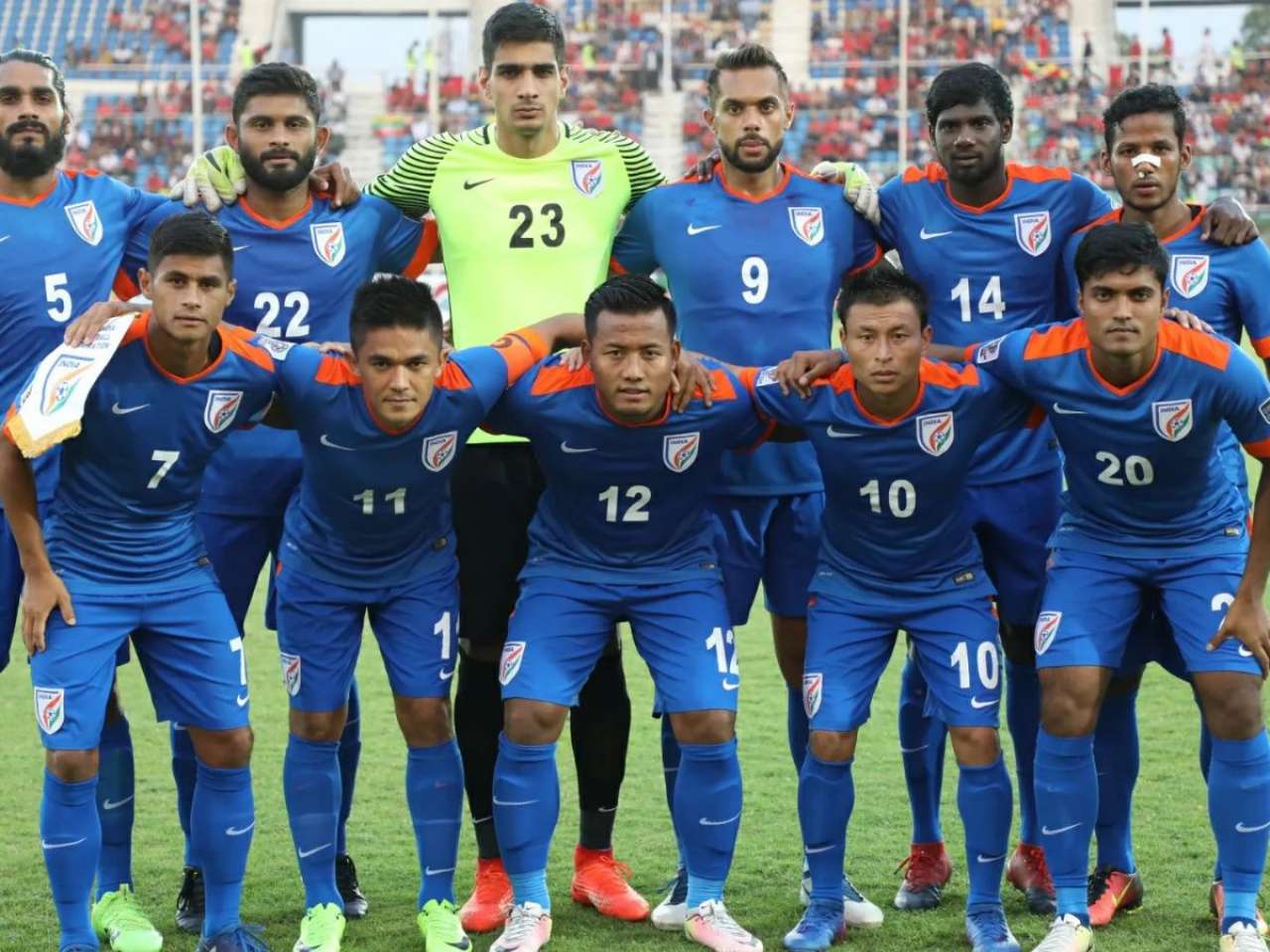
Mumbai, India – In a move set to electrify the nation’s football faithful and potentially reshape the trajectory of Indian football, the All India Football Federation (AIFF) is reportedly orchestrating an audacious schedule of international friendlies. The ambitious line-up could see the Indian national team, the Blue Tigers, engage in high-profile clashes against formidable opponents like Panama, Brazil, and Cape Verde, with additional fixtures against Uruguay and New Zealand also on the horizon. This bold strategy is designed to provide invaluable exposure and elevate the team’s capabilities against some of the world’s most revered footballing nations, signaling a clear intent to climb the global rankings and prepare for future major international challenges.
The prospect of facing five-time FIFA World Cup champions Brazil on home soil has already generated immense excitement, but the potential inclusion of Panama, Cape Verde, Uruguay, and New Zealand underscores a comprehensive plan to test India’s mettle across diverse footballing styles and confederations. This strategic pivot towards challenging fixtures reflects a growing confidence within the AIFF and a commitment to accelerating the development of the national team on the world stage.
A Glimpse into the Blockbuster Schedule
The heart of this unprecedented schedule revolves around a series of high-stakes encounters planned for late 2026. While the marquee match against Brazil is already penciled in for October 3 in the football-mad city of Kolkata, the AIFF’s broader vision extends far beyond this singular fixture. The federation is actively exploring a multi-game agenda that promises to be a rigorous litmus test for the Blue Tigers.
Reports from various sources, including Times Now and Sports Now, indicate a preliminary game against Panama is being vigorously pursued. This encounter is tentatively slated for September 26 or 27, though a definitive venue remains to be finalized. This match, if confirmed, would serve as a crucial curtain-raiser, offering the Indian squad an initial high-calibre challenge before diving into the deeper end of the international pool.
)
Following the potential Panama fixture, the focus would shift to the highly anticipated October window. Beyond the Brazil clash, India is also eyeing a match against Cape Verde on October 6. Kolkata or Kochi are being considered as potential host cities for this intriguing encounter. However, Sports Now suggests an alternative, with the possibility of India facing Uruguay instead of Cape Verde, adding another layer of intrigue and a different tactical challenge.
Looking further ahead into November, the AIFF is reportedly working towards arranging two matches against New Zealand. These fixtures would provide a different kind of test, offering an opportunity to consolidate lessons learned from the earlier, higher-ranked opponents and refine tactical approaches. This layered approach ensures continuous high-level engagement for the team, fostering consistent growth and development over several months.

The Strategic Imperative
The rationale behind such an ambitious schedule is clear and resolute: to provide the Indian football team with unparalleled exposure against opponents ranked significantly higher and hailing from diverse footballing traditions. This strategy is not merely about playing big names but about embedding a culture of challenging oneself, understanding the demands of elite international football, and accelerating the learning curve for both players and coaching staff.
An AIFF representative, quoted in initial reports, emphasized the importance of these matches for the team’s growth. "Battling tougher opponents gives players the exposure and experience they need," the official stated, highlighting the belief that adversity fosters development. This philosophy is rooted in the understanding that consistent competition against superior opposition is the fastest route to improving technical skills, tactical awareness, physical conditioning, and mental fortitude. It’s a calculated risk, acknowledging the potential for defeats, but prioritizing the invaluable lessons that can only be learned in the crucible of high-stakes international competition.
)
Chronology: A Detailed Look at the Proposed Fixture List
The proposed international friendly calendar for the Indian national team is meticulously structured, designed to gradually escalate the level of competition while providing distinct challenges at each stage. This chronological breakdown offers a clearer picture of the AIFF’s ambitious planning.
September’s Potential Opener: Panama
The AIFF’s proactive approach begins with a potential fixture against Panama in late September. This match, tentatively scheduled for September 26 or 27, would precede the high-profile October clashes, offering a vital warm-up and an opportunity to integrate new strategies and players. While the venue is yet to be confirmed, the choice of Panama as an initial opponent is significant. Ranked 44th in the world, Panama, under Danish coach Thomas Christiansen, represents a strong, organized side with recent FIFA World Cup experience, albeit a challenging one. Their CONCACAF background ensures a distinct playing style, often characterized by physicality, directness, and tactical discipline. This encounter would serve as an excellent gauge for the Indian squad, allowing them to test their readiness against a team that, despite a difficult World Cup outing, regularly competes at a high level within its confederation. It’s an opportunity for the Blue Tigers to build momentum and confidence before facing footballing titans.
)
October’s Grand Stage: Brazil and Cape Verde (or Uruguay)
The October international window promises to be the most exhilarating period for Indian football fans. The undisputed highlight is the clash against Brazil on October 3 in Kolkata. This match is more than just a friendly; it’s a monumental event that will draw global attention and provide Indian players with a once-in-a-lifetime opportunity to share the pitch with some of the world’s most iconic footballers. The sheer quality and pedigree of Brazil, with their five World Cup titles and a squad brimming with global superstars, will demand absolute peak performance from every Indian player. The experience of competing against such a formidable opponent will be invaluable, offering lessons in technical precision, tactical sophistication, and the relentless pace of top-tier international football.
Just three days later, on October 6, India is slated to face either Cape Verde or Uruguay. The proximity of this match to the Brazil encounter presents a unique challenge in terms of physical recovery and mental preparation.
)
- Cape Verde: If the fixture against Cape Verde materializes, it would pit India against an emerging African footballing power. Cape Verde made its first appearance in a FIFA World Cup, reaching the Round of 32, which speaks volumes about their recent progress and quality. Their style often blends athleticism with technical flair, characteristic of many West African teams. Playing against Cape Verde would expose India to a different brand of football, emphasizing speed, strength, and individual brilliance.
- Uruguay: The alternative, a match against Uruguay, would be equally, if not more, challenging. Uruguay, the inaugural World Champions in 1930, possess a rich footballing heritage and a reputation for gritty, disciplined, and technically proficient play. Despite their group stage exit in the recent World Cup, their squad consistently features players from Europe’s top leagues. A match against Uruguay would offer a masterclass in tactical intelligence, defensive solidity, and clinical finishing, providing a stern test of India’s resilience and tactical adaptability.
Both potential opponents for October 6 would offer distinct and significant challenges, ensuring that the Indian team remains under intense pressure, fostering rapid learning and adaptation.
November’s Oceanic Challenge: New Zealand
The ambitious schedule extends into November, with two proposed matches against New Zealand. These fixtures offer a different dimension to India’s preparation. New Zealand, while not possessing the same global stature as Brazil or Uruguay, are a consistent force in the Oceania Football Confederation (OFC). They also participated in the recent World Cup, though their campaign ended in the group stage.
)
Playing New Zealand would provide an opportunity for the Indian team to apply the lessons learned from the more challenging encounters against Central, South American, and African opposition. The All Whites are known for their physical style, strong set-piece play, and direct approach, offering a different tactical puzzle. These matches could serve as a platform for the coaching staff to experiment with different formations, evaluate squad depth, and fine-tune strategies against a competitive, but perhaps less overwhelming, opponent. It would also be a crucial phase for players to build collective understanding and implement sophisticated tactical movements, consolidating their growth from the earlier high-intensity games.
Supporting Data: Deconstructing the Opponents and the Ranking Divide
The AIFF’s proposed friendly schedule is not merely about marquee names; it’s a calculated decision based on the specific strengths and challenges each opponent presents. Understanding the pedigree and recent performance of these nations underscores the magnitude of the task ahead for the Blue Tigers.
)
Deconstructing the Opponents: A Global Line-up
Panama: The Central American Test
Panama, currently ranked 44th in the world, presents a significant step up for India (currently ranked 121st). Coached by Denmark’s Thomas Christiansen, Panama has established itself as a competitive force within CONCACAF. Their inclusion in the 2026 FIFA World Cup group alongside footballing giants England, Croatia, and Ghana was a historic achievement, despite their challenging performance. They ultimately lost all their matches, failed to score, and exited in the first round. However, this experience, regardless of the results, provides their players with invaluable exposure to top-tier international football. Panama’s style often involves robust defending, quick transitions, and reliance on set-pieces. Facing them would expose India to the physical and tactical demands of a team that regularly contends in a highly competitive confederation, demanding a high level of concentration and tactical discipline.
Brazil: The Ultimate Footballing Goliath
Brazil, the spiritual home of football and five-time FIFA World Cup champions, needs little introduction. Their current squad is a constellation of global superstars, playing for the biggest clubs in Europe. In the recent World Cup, Brazil reached the Round of 16, a testament to their enduring quality, even if it fell short of their own lofty expectations. Playing Brazil is not just a football match; it’s an event, a cultural phenomenon. It offers Indian players the unparalleled experience of facing unparalleled technical skill, tactical fluidity, lightning-fast pace, and an intrinsic understanding of the beautiful game. The lessons learned from attempting to contain and compete against such an opponent, even in defeat, would be immeasurable, providing insights into the very pinnacle of footballing excellence.
)
Cape Verde & Uruguay: African and South American Prowess
- Cape Verde: This island nation from West Africa has been one of football’s most compelling success stories in recent years. Their ascent culminated in their first-ever FIFA World Cup appearance, where they reached the Round of 32. This achievement speaks volumes about their rapid development, organizational improvements, and the talent emerging from the archipelago. Cape Verde typically plays an energetic, athletic brand of football, often characterized by strong individual players and a cohesive team unit. Their style would offer India a robust challenge, testing their defensive organization against pace and power, and their ability to break down a well-drilled side.
- Uruguay: As the inaugural World Champions in 1930, Uruguay boasts a storied history in international football. Known for their "garra Charrúa" – a unique blend of grit, passion, and fighting spirit – Uruguay consistently produces world-class talent. While they exited the recent World Cup in the group stage, their squad is always competitive, featuring players who excel in Europe’s top leagues. A match against Uruguay would be a masterclass in tactical intelligence, defensive solidity, and clinical finishing. It would demand extreme mental toughness and tactical discipline from the Indian team, offering profound lessons in game management and the art of competing at the highest level.
New Zealand: The Oceania Challenge
New Zealand, often dubbed the "All Whites," are the dominant force in the Oceania Football Confederation (OFC). While they also exited the recent World Cup in the group stage, they are a physically imposing side, known for their athleticism, aerial prowess, and direct style of play. Their players often come from professional leagues in Australia, Europe, and North America. Facing New Zealand would provide a different tactical challenge, focusing on dealing with physicality, defending set-pieces effectively, and countering a direct attacking approach. These matches, planned for November, could be crucial for consolidating tactical lessons and building team cohesion against a competitive, yet distinct, opponent after the intensity of the earlier fixtures.
The Ranking Divide: Bridging the Gap
The stark difference in FIFA rankings between India (121st) and its potential opponents (Panama 44th, Brazil 1st-5th consistently, Cape Verde ~70th, Uruguay ~15th-20th, New Zealand ~100th) is not lost on the AIFF. This significant ranking divide is precisely why these matches are being pursued. Playing against higher-ranked teams exposes players to a faster pace of play, superior technical ability, more sophisticated tactical systems, and the relentless pressure of elite international football.
)
The benefits are multi-faceted:
- Technical Improvement: Players are forced to make decisions quicker, execute passes with greater precision, and control the ball under intense pressure.
- Tactical Awareness: The team must adapt to different formations, counter superior individual talent, and learn to exploit minimal weaknesses.
- Physical Conditioning: The demands of playing against fitter, stronger, and faster opponents push Indian players to new physical thresholds.
- Mental Fortitude: Competing against world-class opposition builds resilience, confidence, and the belief that they can compete at a higher level.
This strategic exposure is a long-term investment, aiming to gradually bridge the gap and prepare India for future World Cup qualifiers and continental championships.
)
Official Responses: AIFF’s Vision for Growth and Lessons from the Past
The decision to line up such formidable opposition has undoubtedly sparked debate among football observers and fans. Some might question the wisdom of scheduling games where heavy defeats are a distinct possibility. However, officials within the All India Football Federation (AIFF) are steadfast in their conviction, articulating a clear and compelling rationale for this ambitious strategy.
AIFF’s Vision: Growth Through Adversity
An AIFF representative, whose comments were highlighted in initial reports, succinctly captured the essence of the federation’s philosophy: "These matches are important for the team’s growth. Battling tougher opponents gives players the exposure and experience they need." This statement is more than just a soundbite; it encapsulates a strategic shift towards a proactive development model. The AIFF recognizes that sustained improvement for the national team cannot be achieved solely through playing against similarly ranked or lower-ranked opponents. True growth, they argue, comes from being pushed to one’s limits, learning from mistakes against superior opposition, and understanding the standards required at the very highest levels of the game.
)
This vision extends beyond immediate results. It’s about cultivating a winning mentality, instilling a sense of professionalism, and fostering tactical intelligence within the squad. When players regularly face opponents who are quicker, stronger, and more technically gifted, they are compelled to elevate their own game. This exposure forces them to think faster, make quicker decisions, improve their first touch, and enhance their defensive and offensive transitions. It’s a challenging but ultimately rewarding pathway to accelerate the team’s evolution. The AIFF’s commitment signifies a long-term investment in the quality of Indian football, prioritizing experience and development over short-term gratification.
Lessons from the Past: The Nehru Cup Precedent
To further buttress their argument, AIFF officials draw parallels with past experiences where India has benefited from playing strong teams. The Nehru Cup, a quadrennial international football tournament organized by the AIFF, has historically been a platform for India to test its mettle. The official specifically referenced a memorable encounter where India lost just 1-0 to Argentina. This particular result, despite being a defeat, was celebrated as a significant moral victory and a confidence booster for the team.
)
The context of that Argentina game, even if anecdotal, is crucial. It demonstrated that while the gap in quality might be vast, a disciplined and determined Indian side can compete, even if the result doesn’t always go their way. Such experiences, where the team performs credibly against a global powerhouse, instill belief, reduce the psychological barrier associated with playing higher-ranked nations, and provide tangible evidence of progress. It teaches players that while respect for the opponent is necessary, fear is not. This historical precedent serves as a powerful reminder that even in challenging fixtures, the gains in terms of confidence, tactical understanding, and collective spirit can be immense, far outweighing the disappointment of a loss. The AIFF believes that replicating such experiences on a grander scale will similarly boost the current squad’s confidence and accelerate their journey towards becoming a more competitive force in international football.
Implications: Elevating Indian Football on the Global Stage
The AIFF’s audacious friendly schedule carries profound implications for the future of Indian football, impacting everything from player development and fan engagement to the nation’s standing on the global stage. This strategic decision is a multifaceted investment with potential ripple effects across the entire footballing ecosystem.
)
Elevating Indian Football on the Global Stage
Hosting teams like Brazil, Uruguay, Panama, Cape Verde, and New Zealand sends an unequivocal message to the international football community: India is serious about its footballing ambitions. This unprecedented lineup of fixtures will significantly raise India’s profile, attracting greater attention from international media, scouts, and football associations.
- Increased Visibility: These matches will be broadcast globally, offering a rare opportunity for Indian players to showcase their talent to a wider audience. This increased visibility can lead to opportunities for Indian players in foreign leagues, further enhancing their development and bringing valuable experience back to the national team.
- Credibility and Respect: Consistently playing against higher-ranked teams, even if results are mixed, builds credibility. It signals that India is not shying away from challenges and is actively seeking to improve. Over time, this can lead to greater respect from other nations and influence decisions regarding tournament allocations and international football calendars.
- FIFA Ranking Impact: While individual friendly results may not drastically alter India’s FIFA ranking overnight, a sustained period of competitive matches against stronger opponents, coupled with good performances (even in narrow losses), can contribute positively to the ranking algorithm in the long run. A better ranking, in turn, can open doors to easier draws in qualifying campaigns and more opportunities for top-tier friendlies.
Player Development and Tactical Evolution
The most direct beneficiaries of this schedule will be the players themselves. The demands of facing world-class opposition will accelerate individual and collective development in ways that cannot be replicated in training or against lower-ranked teams.
)
- Technical Mastery: Players will be forced to refine their first touch, passing accuracy, dribbling, and shooting under intense pressure. The speed of play will demand faster decision-making and cleaner execution.
- Tactical Acumen: The coaching staff will have to devise intricate tactical plans to compete with superior opponents. Players will learn to adapt to different formations, understand complex defensive and offensive strategies, and execute game plans with precision. This will foster a higher level of tactical intelligence within the squad.
- Physical and Mental Resilience: Competing against physically dominant and mentally tough opponents will push Indian players to their physical limits and strengthen their mental fortitude. They will learn to manage fatigue, handle pressure, and maintain focus for 90 minutes against relentless attacks. The experience of playing against superstars can also demystify the aura around them, instilling a belief that they too belong on that stage.
- Benchmarking and Self-Assessment: These matches provide an invaluable benchmark for the team’s progress. Coaches and players can objectively assess their strengths and weaknesses against global standards, identifying specific areas for improvement and tailoring future training regimes accordingly.
Fan Engagement and Commercial Opportunities
The excitement surrounding these fixtures will be immense, reigniting passion for football across the nation and providing significant commercial boosts.
- Increased Fan Interest: The prospect of watching Brazil play in India, alongside other prominent international teams, will undoubtedly draw massive crowds to stadiums like Kolkata’s Salt Lake Stadium and Kochi’s Jawaharlal Nehru Stadium. This surge in fan interest will inspire a new generation of footballers and supporters.
- Media Attention: The games will attract unprecedented media coverage, both domestically and internationally. This increased spotlight can help popularize football in a cricket-dominated nation, encouraging more youngsters to take up the sport.
- Commercial Revenue: High-profile friendlies translate into significant revenue opportunities through ticket sales, merchandising, sponsorship deals, and broadcasting rights. This financial injection can be reinvested into grassroots development, infrastructure improvements, and youth academies, creating a sustainable growth model for Indian football.
- Tourism and Local Economy: Hosting major international matches also benefits local economies through tourism, hospitality, and related services, showcasing India’s capabilities as a host nation for global sporting events.
The Road Ahead: Long-term Vision and Challenges
While the implications are overwhelmingly positive, the AIFF must also navigate potential challenges. Logistical complexities of hosting multiple international teams, managing player fatigue, and dealing with potential heavy defeats will require meticulous planning and robust support systems. However, the long-term vision clearly outweighs these immediate hurdles.
)
This ambitious friendly schedule is a bold statement of intent, signaling India’s unwavering commitment to becoming a respected force in international football. By embracing the challenge of playing against the world’s best, the AIFF is not just planning a few football matches; it is laying the groundwork for a future where the Blue Tigers can consistently compete at the highest level, inspiring a nation and fulfilling the vast potential of Indian football. The journey will be arduous, but the potential rewards – a stronger, more competitive, and globally recognized Indian national team – are well worth the effort.
