

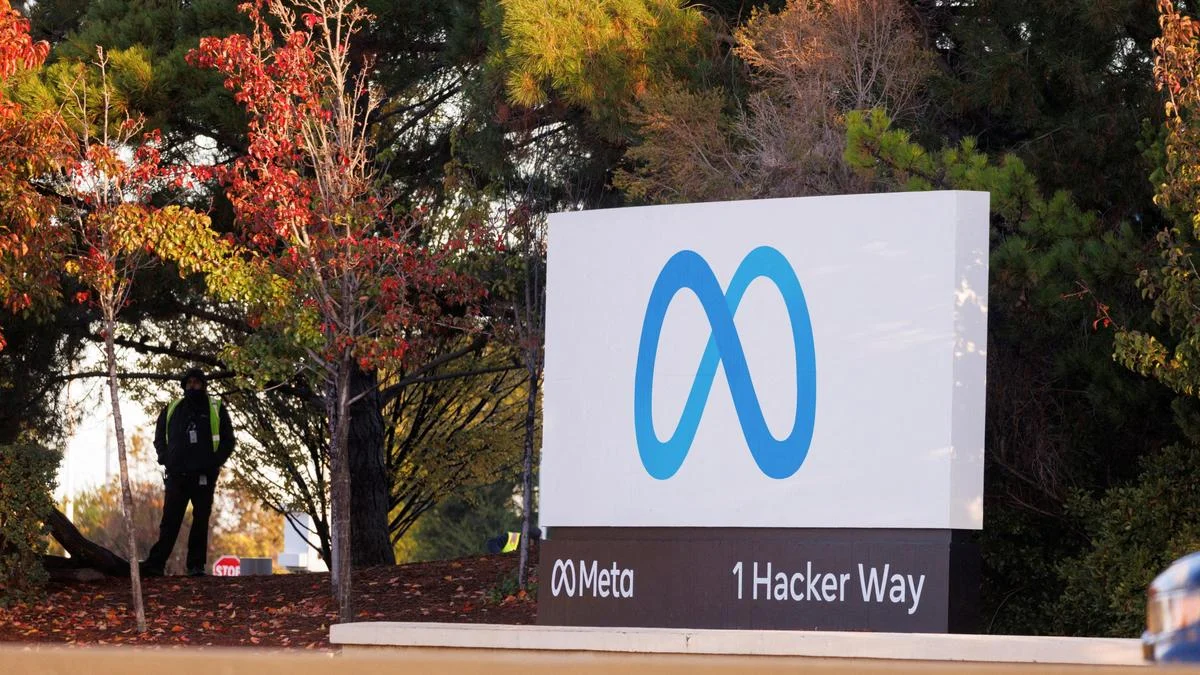
OAKLAND, CALIFORNIA – August 26, 2026 – In a monumental legal development poised to reshape the digital landscape for young users, Meta Platforms Inc. has agreed to a staggering maximum settlement of $16.68 billion. This landmark agreement resolves claims brought by a coalition of states across the nation, alleging that the tech giant intentionally designed its dominant platforms, Facebook and Instagram, to foster addiction in children, systematically misled the public about their safety, and illicitly harvested personal data from underage users, including for the training of its advanced AI models.
The settlement, reached amidst a high-stakes federal trial in California, effectively averts what would have been one of the most significant legal battles to date challenging the practices of social media companies and their profound impact on the well-being of young individuals. Beyond the colossal financial penalty, Meta has also committed to implementing substantial changes for its teenage users nationwide, including mandatory daily usage limits and enforced nighttime blocks on Facebook and Instagram. While agreeing to the terms, the Menlo Park, California-based company has maintained its denial of wrongdoing, asserting its continuous efforts to create safe online environments. Despite the immense payout, Meta’s shares experienced a 4.4% rise in pre-market trading, signaling investor relief at avoiding a protracted and potentially more damaging public trial.
This settlement emerges from a broader wave of litigation that has seen states, local governments, school districts, and countless individuals accuse Meta and other social media titans of fueling a pervasive youth mental health crisis across the United States. The federal trial specifically addressed claims from California, Colorado, Kentucky, and New Jersey regarding violations of state consumer protection laws, alongside a powerful accusation from 29 states that Meta flouted the federal Children’s Online Privacy Protection Act (COPPA) by collecting personal data from minors without requisite parental consent and subsequently utilizing this sensitive information to train its machine learning and generative AI models.
A Chronology of Accountability: The Mounting Legal Pressure on Meta
The path to this unprecedented settlement has been paved by years of escalating legal scrutiny and a growing chorus of concern from parents, educators, and public health officials. The current agreement is not an isolated event but the culmination of an intense, multi-front legal assault on the practices of Meta and its industry peers.
The Genesis of the Federal Case: The federal trial, which was underway when the settlement was reached, centered on allegations that Meta deliberately engineered its platforms with features known to exploit adolescent psychology. Infinite scroll mechanisms, incessant notification alerts, and algorithmically curated content feeds were cited as examples of design choices intended to maximize engagement, often at the expense of user well-being. The addition of COPPA violations, specifically the alleged use of children’s data for AI training, added a significant new dimension to the legal arguments, highlighting concerns about data privacy in the age of advanced artificial intelligence.
Meta’s Consistent Defense: Throughout the various legal proceedings, Meta has consistently denied the allegations, emphasizing its substantial investments in safety features and its commitment to protecting young users. The company has often argued that "social media addiction" is not a recognized psychiatric condition, thereby challenging the premise of many of the states’ claims. Prior to the federal trial, Meta had highlighted the immense financial stakes, noting that California, Colorado, Kentucky, and New Jersey were seeking up to $1.4 trillion in penalties, although the states themselves had suggested a more conservative figure closer to $200 billion. Beyond monetary damages, the states were also pushing for sweeping injunctive relief, demanding major overhauls to Meta’s platforms and stringent measures to prevent children from creating accounts altogether.
Consolidated Federal Litigation: The federal cases against Meta, along with Snapchat, YouTube, and TikTok, have been strategically consolidated before U.S. District Judge Yvonne Gonzalez Rogers in Oakland, California. This consolidation has streamlined the legal process, allowing for a more unified approach to addressing the complex claims brought by individuals, school districts, and state governments alike.
A Torrent of State-Level Actions: The federal settlement arrives amidst a flurry of ongoing state-level litigation that has seen approximately 30 states file lawsuits against social media companies. In a separate and equally significant development, a trial has been actively ongoing in Nashville since July, with the state of Tennessee pursuing its own claims against Meta.
Perhaps most impactful in setting the stage for this federal settlement were the preceding legal setbacks for Meta in New Mexico. The company endured a dual defeat in a landmark lawsuit brought by the state:
- March Verdict: A jury ordered Meta to pay $375 million after finding it had misled consumers about the safety of its platforms. This verdict sent a clear signal that courts were prepared to hold tech companies accountable for their public messaging.
- August 6 Ruling: Building on the jury’s finding, a judge determined that Meta had created a "public nuisance" and ordered an additional payment of $567 million. Crucially, this ruling also mandated the implementation of specific youth-safety measures, foreshadowing the injunctive relief seen in the federal settlement.
Individual Victories and School District Settlements: The legal tide has also turned in favor of individual plaintiffs. In March, the first trial stemming from an individual’s claims against Meta and Google concluded with a verdict in the plaintiff’s favor. A Los Angeles jury found both companies liable for plaintiff Kaley G.M.’s severe depression and anxiety, awarding her a combined $6 million in damages. While these companies have vowed to appeal such verdicts, the rulings underscore the growing judicial recognition of the tangible harm inflicted by these platforms. Furthermore, a crucial early settlement was reached in the first case slated for trial in federal court, where the Breathitt County School District in Kentucky alleged that social media companies were liable for harm to its students. This settlement saw the district receive a combined $27 million from all four implicated companies, demonstrating a willingness by tech firms to settle rather than face the uncertainties of trial, especially when facing claims of direct harm to educational environments.
Supporting Data: The Digital Age’s Mental Health Reckoning
The backdrop to this settlement is a widely recognized and increasingly urgent youth mental health crisis. Over the past decade, numerous studies and public health reports have consistently highlighted a concerning rise in rates of anxiety, depression, self-harm, and suicidal ideation among adolescents, coinciding directly with the widespread adoption of social media.
The Addiction Mechanism: Central to the states’ claims were allegations that social media platforms are intentionally designed with features that exploit the developing adolescent brain. The "dopamine loop" created by likes, shares, and notifications fosters a craving for constant validation. Infinite scroll features eliminate natural stopping points, encouraging endless consumption. Algorithms are meticulously crafted to identify and deliver content that maximizes engagement, often leading users down rabbit holes of potentially harmful or isolating content. For young users, whose sense of self and social belonging are still forming, these mechanisms can be particularly insidious, fostering comparison, envy, and a distorted sense of reality.

Body Image and Cyberbullying: Instagram, in particular, has faced intense scrutiny for its alleged role in exacerbating body image issues among young girls. The constant exposure to idealized, often filtered or edited, images can lead to increased dissatisfaction with one’s own appearance, contributing to eating disorders and low self-esteem. Furthermore, social media platforms have become fertile ground for cyberbullying, a pervasive issue that can have devastating psychological effects on victims, leading to profound loneliness, depression, and in extreme cases, suicide.
Data Privacy and AI Training: The COPPA violations represent a critical component of the settlement. The Act mandates parental consent for the collection of personal data from children under 13. The allegation that Meta not only collected this data improperly but then used it to "train machine learning and generative AI models" raises profound ethical and privacy concerns. The implications of AI models being trained on the personal data, preferences, and behaviors of minors are vast, potentially influencing future AI interactions in ways that are not fully understood or regulated. This aspect of the lawsuit underscores the evolving challenges of data governance in a rapidly advancing technological landscape. The ability of AI to mimic human interaction, combined with a foundational training dataset potentially comprising sensitive information from children, presents a new frontier in digital ethics.
Official Responses: A Mixed Chorus of Relief and Resolve
The settlement has elicited a range of responses from the involved parties and external stakeholders, reflecting the complexity and magnitude of the issue.
Meta’s Official Statement (Inferred): While Meta explicitly "denied wrongdoing in agreeing to settle," the company’s official communications will likely frame the settlement as a strategic decision to "move forward" and "avoid the distraction and expense of prolonged litigation." A spokesperson for Meta might state, "We have always been committed to the safety and well-being of young people on our platforms, and we have invested significantly in tools and features to support them. While we do not agree with the characterization of our platforms in this lawsuit, we believe this settlement allows us to continue focusing on building valuable experiences for our community and to further enhance our industry-leading safety measures." They would likely emphasize their existing parental tools, safety centers, and efforts to develop age-appropriate experiences.
States’ Attorneys General: The coalition of Attorneys General will undoubtedly hail this settlement as a historic victory for children and families across the nation. A joint statement might declare, "This unprecedented $16.68 billion settlement sends an unequivocal message to social media companies: prioritizing profit over the mental health and safety of our children will not be tolerated. For too long, Meta designed its platforms to addict young minds, knowingly exploiting their vulnerabilities. This agreement not only holds them accountable for past harms but also mandates crucial changes – including daily usage limits and nighttime blocks – that will fundamentally alter how our children interact with these platforms. We remain committed to protecting the next generation from the predatory practices of Big Tech." They would likely underscore the precedent set for future litigation against other social media companies.
Child Safety and Advocacy Groups: Organizations dedicated to child safety online will likely express cautious optimism. While welcoming the financial penalty and the mandated platform changes, they will also call for more systemic reforms. A representative might comment, "This settlement is a significant step forward, acknowledging the profound harm social media has inflicted on our youth. The financial penalty is a clear deterrent, and the usage limits are a positive start. However, the fight is far from over. We need continued vigilance, stronger independent oversight, and fundamental changes to the algorithms and business models that prioritize engagement above all else. This settlement must be a catalyst for a safer digital world, not an endpoint."
Implications: Reshaping the Digital Future for Youth
The ramifications of this historic settlement are vast and will reverberate across the tech industry, legal landscape, and societal approach to digital well-being.
Financial Reckoning and Industry Shift: The $16.68 billion payout is one of the largest settlements ever imposed on a tech company. While Meta’s vast financial resources mean it can absorb this cost over time, it represents a substantial financial hit and will serve as a powerful deterrent. Other social media companies, including Snapchat, YouTube, and TikTok, which are facing similar lawsuits, will be keenly observing and may be compelled to re-evaluate their own design choices, data collection practices, and youth safety protocols to avoid similar fates. This could usher in an era of greater corporate responsibility regarding user well-being.
Regulatory Precedent and Future Legislation: This settlement provides a robust legal framework and precedent for future actions against tech companies. It clearly articulates judicial and governmental recognition of the link between platform design, user addiction, and mental health harms. This could spur further legislative efforts at both federal and state levels to enact stricter regulations regarding age verification, data privacy for minors, and the design ethics of digital platforms. The specific mention of AI training using children’s data is particularly significant, opening new avenues for regulation in the rapidly evolving AI space.
Behavioral Changes on Platforms: The mandated daily usage limits and nighttime blocks represent tangible, behavioral changes that will directly impact millions of teenage users. These measures aim to reduce excessive screen time, encourage healthier sleep patterns, and potentially mitigate some of the negative psychological effects associated with constant online engagement. While the effectiveness will depend on implementation and user compliance, it marks a significant shift from self-regulation to enforced limits. This could lead to a broader conversation about digital hygiene and responsible technology use within families and schools.
The "Addiction" Debate’s Evolution: Despite Meta’s continued denial of "social media addiction" as a recognized psychiatric condition, the very nature and size of this settlement lend significant weight to the argument that these platforms can be profoundly addictive and harmful. This legal outcome may influence public perception, medical research, and even diagnostic criteria in the future, further legitimizing the concerns of parents and clinicians.
Ongoing Litigation and Global Impact: The settlement does not mark the end of Meta’s legal challenges, nor those of its competitors. Thousands of lawsuits brought by individuals, school districts, and other state governments remain pending in federal and state courts. This settlement could either encourage more companies to settle similar claims or provide a blueprint for plaintiffs to pursue their cases more aggressively. Internationally, governments and regulatory bodies grappling with similar issues will undoubtedly look to this US settlement as a model, potentially catalyzing similar legal and regulatory actions around the world. The era of unchecked growth for social media companies, particularly concerning their youngest users, appears to be decisively over.
