

The world of fine dining has long been dominated by the lexicon of oenology and the smoky nuances of aged whiskies. Terms like "terroir," "mouthfeel," and "aromatic finish" are typically reserved for the vineyards of Bordeaux or the distilleries of Islay. However, a new movement in global gastronomy is shifting the spotlight toward a humbler, yet equally complex, liquid: soy sauce. Specifically, the artisanal shoyu of Japan, aged for years in ancient wooden barrels, is emerging as a cornerstone of the "slow food" movement.
This August, the intersection of history, craftsmanship, and culinary innovation arrives in India. Oberoi Hotels in Bengaluru and Mumbai are set to host "Kioke Dojo," an exclusive multi-course dinner series that pairs rare, barrel-aged soy sauces with a curated Japanese menu. This event, a collaboration between legendary Japanese brewers and Michelin-level culinary talent, seeks to elevate soy sauce from a mere condiment to a sophisticated ingredient with a 150-year-old pedigree.
Main Facts: A Convergence of Craft and Luxury
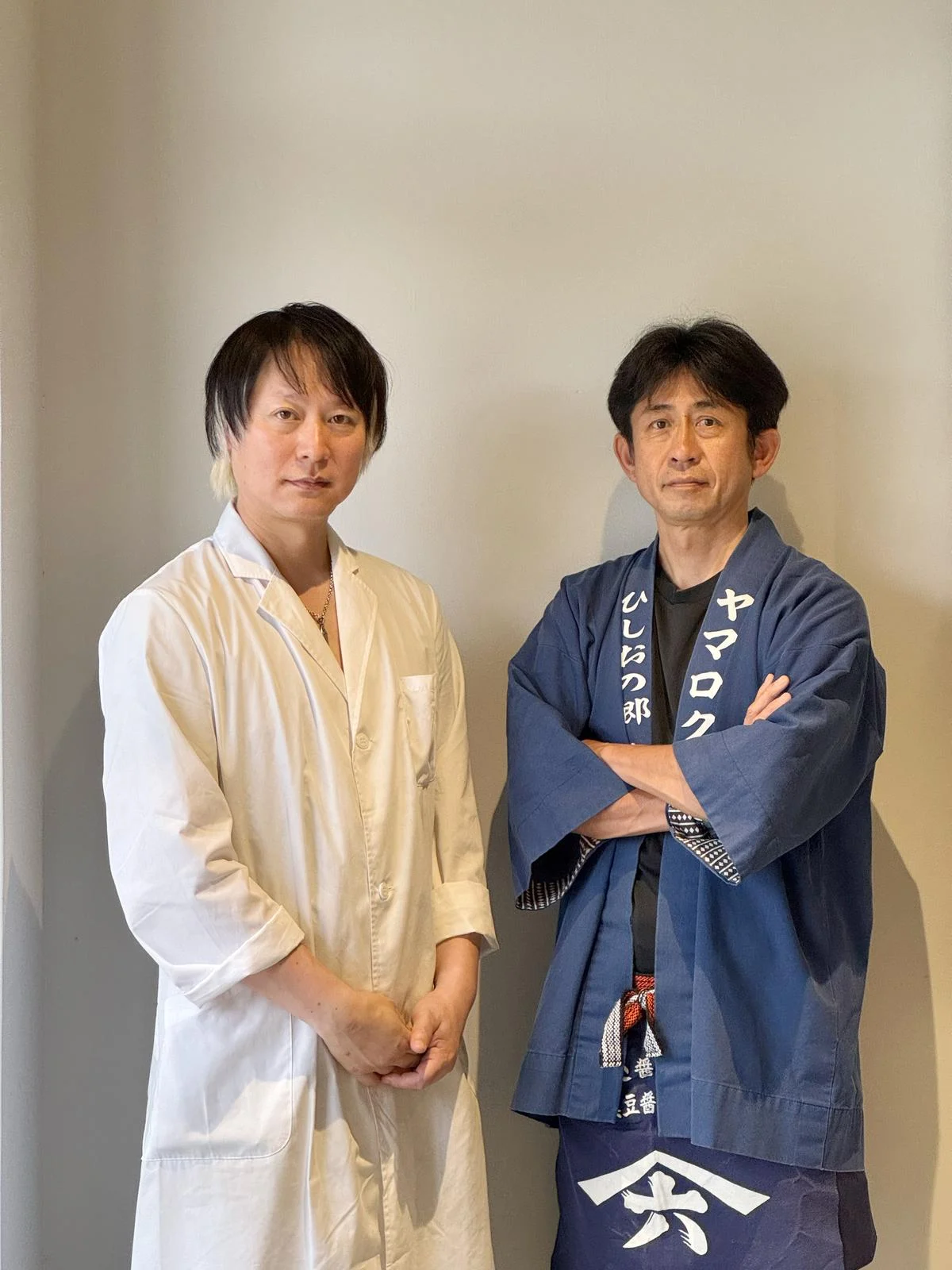
The "Kioke Dojo" dinner series is not merely a meal; it is a pedagogical experience designed to introduce the Indian palate to the nuances of kioke shoyu—soy sauce fermented in traditional cedar barrels. Scheduled for August 22 at Wabi Sabi (The Oberoi, Bengaluru) and August 24 at Fenix (The Oberoi, Mumbai), the event is helmed by Chef Yoshifumi Tashima of the acclaimed Tokyo-based restaurant Namida.
Central to the event is the participation of Yamaroku Shoyu, a historic brewery located on Shodo Island in Japan’s Kagawa Prefecture. Yasuo Yamamoto, a fifth-generation master brewer, will present sauces that have been aged in barrels that predate the modern industrial era. The initiative is brought to India by SpicedLore, a trade platform under Tropical Trading Co. that specializes in connecting global artisans with high-end markets.
To ground the experience in the local context, Chef Tashima is collaborating with Chef Randy Cultivo of Wabi Sabi and Chef Richard Malone of Fenix. Together, they have developed a menu that highlights the versatility of shoyu, ranging from light, floral notes to the deep, chocolatey richness of double-brewed varieties.

Chronology: 150 Years of Fermentation and Resilience
The story of the "Kioke Dojo" begins in the early Meiji Era (1868–1912), a period of radical modernization in Japan. While much of the country was looking toward Western industrial techniques, the Yamamoto family established Yamaroku Shoyu on Shodo Island, committing to the traditional kioke method.
For over a century, the brewery has operated out of a structure that has become a living museum. Unlike modern soy sauce production, which often utilizes temperature-controlled stainless steel tanks to accelerate fermentation to as little as four to six months, Yamaroku Shoyu has maintained a pace dictated by nature.
- 1870s: The Yamaroku brewing house is constructed, and the first cedar barrels (kioke) are commissioned.
- Mid-20th Century: The rise of industrial soy sauce production threatens traditional brewers. Many switch to steel tanks to survive. Yamaroku chooses to remain traditional, preserving their wooden barrels.
- 2010s: Yasuo Yamamoto, realizing that the craft of making the large cedar barrels is dying out (with only one workshop left in Japan), apprentices himself to a barrel maker to ensure the physical infrastructure of his craft survives for another century.
- 2024: The "Kioke Dojo" initiative expands to India, marking a significant milestone in the global appreciation of Shodo Island’s artisanal heritage.
Supporting Data: The Science of the Barrel and the Island
What distinguishes Yamaroku Shoyu from mass-produced alternatives is the "living ecosystem" housed within the brewery’s walls. The kioke—barrels traditionally made from Japanese cedar and bound with bamboo—are more than just containers; they are biological reactors.
The Microbial Ecosystem:
A single kioke can last for over 150 years. Over decades of use, the porous wood of the cedar becomes home to over 100 different types of microorganisms, including specific strains of yeast and lactic acid bacteria. These microbes are unique to the Yamaroku brewery. When new batches of soy, wheat, and salt water (moromi) are placed in these ancient barrels, they are "inoculated" by the resident microbes. This creates a flavor profile that is scientifically impossible to replicate in a sterile steel environment.
The Climate of Shodo Island:
Often referred to as the "Mediterranean of Japan," Shodo Island enjoys a mild, temperate climate. This environment is ideal for the slow, natural fermentation process. The seasonal temperature fluctuations allow the moromi to "breathe" through the wood, expanding in the summer and contracting in the winter, which naturally agitates the mixture and deepens the umami profile.
Aging Duration:
While commercial soy sauce is produced rapidly, Yamaroku’s flagship products, such as the Tsurubishio (double-brewed soy sauce), are aged for up to four years. This extended duration allows the harsh saltiness to mellow into a complex sweetness, characterized by notes of dark fruit, wood, and smoke.

Official Responses: Philosophy from the Masters
The architects of this event view soy sauce not as a background flavor, but as the soul of the dish.
Yasuo Yamamoto, the fifth-generation proprietor of Yamaroku Shoyu, emphasizes the element of time. "Ageing creates a depth that cannot be fully captured by scientific analysis or reduced to a number," Yamamoto explains. "It is the difference between simply making soy sauce and allowing a living fermentation to evolve. For us, that is the essence of kioke shoyu: wood, microorganisms, ingredients, craftsmanship, and time coming together to create something that cannot be hurried and cannot be exactly replicated elsewhere."
Chef Yoshifumi Tashima, who will lead the kitchen during the Indian tour, challenges the traditional perception of how soy sauce should be consumed. While the Japanese do not typically "sip" soy sauce, Tashima encourages a focused tasting during the dinner.
"When tasted by itself, soy sauce can initially seem intensely salty because of its high salt concentration," says Tashima. "But tasting it in its original form allows you to discover what lies beneath that saltiness—the aroma, umami, acidity, sweetness, and finish."
Regarding the menu construction, Tashima notes that the pairing is creative rather than prescriptive. "The question is not simply, ‘Which soy sauce goes with this dish?’ It is, ‘What do we want this dish to make you feel?’" This philosophy is evident in the menu’s highlights, such as the Mizu no Hana (Hiramasa fish) and the Chutoro tuna with Tsurubishio rice, where the sauce is used to manipulate the fat content and texture of the fish.
Implications: The Future of Living Craft and Culinary Tourism
The arrival of "Kioke Dojo" in India signifies a broader shift in the luxury food market. Consumers are increasingly moving away from "branded" luxury toward "authentic" luxury—products with a verifiable history, a sense of place (terroir), and a commitment to sustainability.

Preservation of Heritage:
By bringing Yamaroku Shoyu to the international stage, SpicedLore and the Oberoi Hotels are contributing to the economic viability of traditional Japanese crafts. The demand for kioke soy sauce supports not just the brewers, but the foresters who grow the cedar and the few remaining artisans who know how to build the barrels without nails or glue.
Culinary Education in India:
For the Indian culinary scene, this event represents an elevation of the Japanese food narrative. While sushi and ramen have become mainstream in cities like Bengaluru and Mumbai, the "Kioke Dojo" introduces a deeper level of connoisseurship. It educates diners on the distinction between Koikuchi (dark), Usukuchi (light), and Saishikomi (double-brewed) sauces, much like a wine sommelier would distinguish between varietals.
The Rise of Experiential Journeys:
SpicedLore has indicated that the "Kioke Dojo" is just the beginning. The platform aims to branch out into experiential journeys, potentially taking Indian gourmands to rural Japan to witness the brewing process firsthand. This reflects a growing trend in "culinary tourism," where the meal is merely the entry point into a deeper exploration of a culture’s history and ecology.
Conclusion
As the global food industry becomes increasingly homogenized, the survival of 150-year-old brewing techniques on a small Japanese island is a testament to the power of tradition. The upcoming dinners at The Oberoi offer a rare opportunity for Indian diners to taste the passage of time. In every drop of Yamaroku soy sauce is the history of the Meiji Era, the breath of the Shodo Island cedar, and the meticulous patience of five generations of the Yamamoto family.
For those looking to participate in this historic culinary exchange, the dinners are priced at ₹6,000 for vegetarians and ₹6,500 for non-vegetarians. As the "Kioke Dojo" proves, sometimes the most profound flavors are found not in the newest innovations, but in the oldest barrels.
