

New Delhi, India – On the auspicious occasion of World Nature Conservation Day, Zee Media’s impactful "My Earth, My Duty" campaign shines a spotlight on the extraordinary journey of Satyam Dixit, a young Indian whose personal adversities have blossomed into a formidable, citizen-led environmental movement. What began as a personal quest for purpose during the unprecedented challenges of the COVID-19 pandemic has evolved into a nationwide initiative, galvanizing thousands across over 200 cities to actively participate in the stewardship of their environment. Dixit’s story is a powerful testament to the transformative potential of individual determination and the profound impact that can be achieved when ordinary citizens embrace their responsibility towards the planet.
The Genesis of a Changemaker: A Childhood Forged in Resilience
Satyam Dixit’s narrative is deeply rooted in a childhood marked by resilience and a profound understanding of hardship. Raised in a modest household, his early life was shaped by the unwavering dedication of his father, a pedal rickshaw puller who later transitioned to a role as a watchman. Growing up in a rented dwelling, Satyam learned the value of hard work and self-reliance from a tender age. His entrepreneurial spirit ignited early; he began contributing to his family’s finances by selling momos while still in school. This dedication continued into his college years, where he juggled his studies with work as a delivery executive, a testament to his unwavering commitment to supporting his family. These formative experiences instilled in him not only a strong sense of responsibility but also a deep-seated desire to serve and uplift his community.
)
The Pandemic Pivot: A Catalyst for Environmental Action
The arrival of the COVID-19 pandemic proved to be a watershed moment in Satyam Dixit’s life, irrevocably altering the trajectory of his aspirations. Like many young Indians, he had meticulously planned to dedicate his time and energy to preparing for the Union Public Service Commission (UPSC) examinations, a pathway often seen as a gateway to public service and societal contribution. However, the unfolding global crisis and the widespread impact on vulnerable communities compelled him to re-evaluate his priorities.

Instead of immersing himself in academic pursuits, Satyam felt an overwhelming urge to contribute directly to the welfare of those around him. He channeled his energy into assisting communities struggling with the pandemic’s multifaceted challenges, offering support where he could. It was during this period of intense community engagement that his attention was increasingly drawn to the escalating environmental concerns exacerbated by the pandemic. The sight of overflowing waste, the degradation of public spaces, and the growing awareness of the interconnectedness between public health and environmental cleanliness ignited a new passion within him.
)
This realization served as the impetus for what would eventually become a powerful citizen-led environmental initiative. Recognizing the urgent need for action, Satyam began focusing his efforts on addressing critical environmental issues such as cleanliness, effective waste management, and fostering public awareness about their importance. What began as a personal conviction soon began to resonate with others, marking the nascent stages of a movement that would grow far beyond its initial scope.
)
From a Few Volunteers to a National Movement: The "My Earth, My Duty" Initiative
The journey of Satyam Dixit’s environmental initiative is a compelling narrative of organic growth and grassroots mobilization. What started with the dedicated efforts of a handful of like-minded volunteers has, in a remarkably short period, blossomed into a robust movement with a significant presence in over 200 cities across India. This widespread adoption underscores the resonance of Dixit’s message and the pressing need for environmental action at the local level.
)
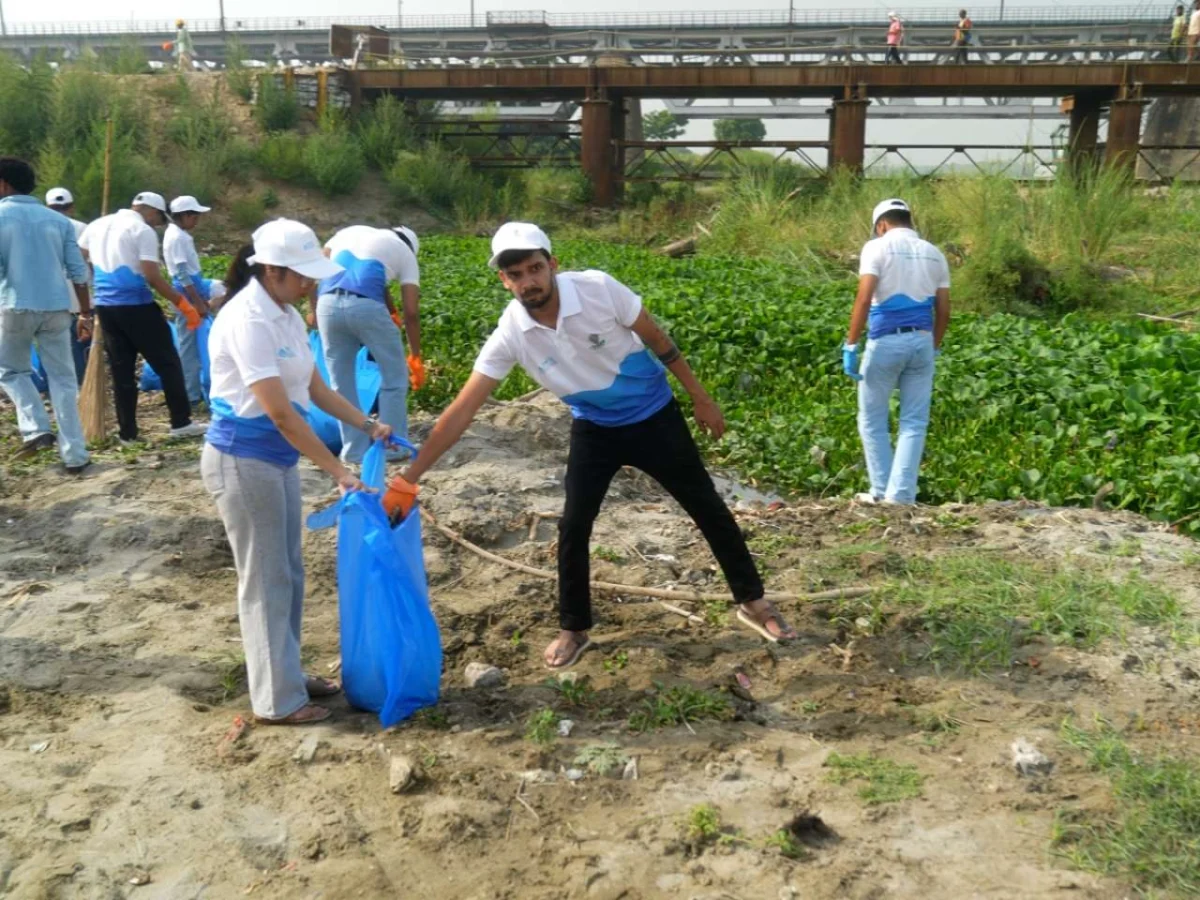
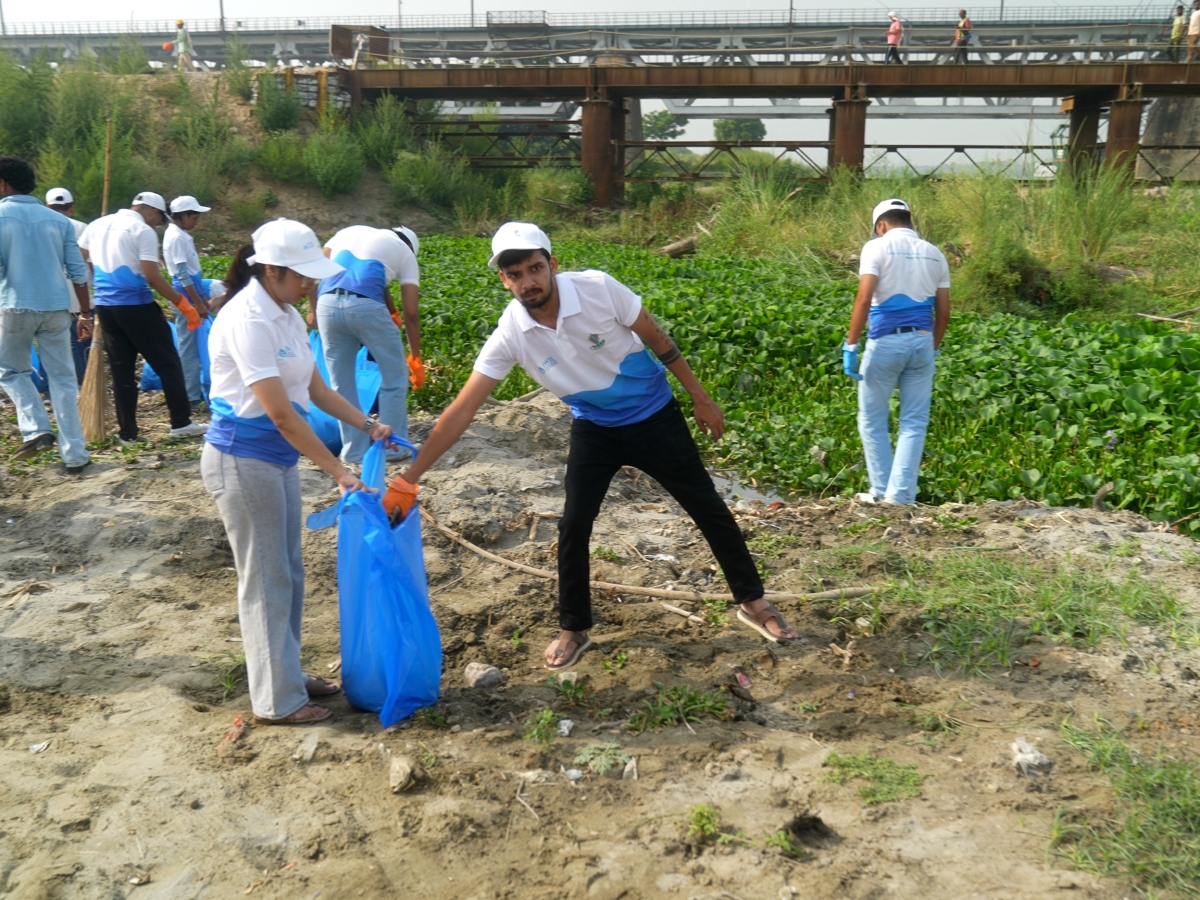
The core of the initiative’s activities revolves around organizing regular, impactful cleanup drives in public spaces, including parks, beaches, and critically, riverbanks. These drives are not merely about aesthetic improvement; they are strategic efforts to tackle the immense challenge of waste accumulation. Volunteers, under Dixit’s guidance and inspiration, have collectively removed vast quantities of discarded materials, ranging from everyday litter to larger debris. The visual impact of these cleanups serves as a potent reminder of the scale of the problem and the tangible difference collective action can make.
)
Beyond the immediate act of cleaning, the initiative places a strong emphasis on promoting sustainable waste management practices. This includes actively advocating for and implementing recycling programs, particularly for plastic waste, which poses a significant environmental threat. Furthermore, the movement addresses the often-overlooked issue of religious waste, promoting responsible disposal methods that minimize environmental contamination and uphold the sanctity of natural resources.
)
Beyond the Broom: Fostering a Culture of Environmental Stewardship
Satyam Dixit and his growing network of volunteers understand that true environmental change extends beyond physical cleanups. A cornerstone of their strategy is the fundamental shift in public perception and behavior. The initiative actively engages in comprehensive awareness campaigns designed to educate citizens about the environmental consequences of their actions and to foster a sense of ownership over their surroundings.
)
Through community participation, workshops, and engaging outreach programs, the movement seeks to empower individuals to become active stewards of their local environment. This involves encouraging responsible consumption, promoting the reduction of waste at its source, and instilling a deeper appreciation for the natural world. The emphasis is on cultivating a culture where environmental responsibility is not an obligation but an ingrained habit, a shared duty for the well-being of the present and future generations.
)
The success of the "My Earth, My Duty" initiative lies in its ability to connect with people on a personal level, inspiring them to take tangible actions within their own communities. By demonstrating the power of collective effort and providing practical avenues for participation, Satyam Dixit has successfully transformed a personal concern into a widespread people’s movement.
)
Supporting Data and the Scale of the Challenge
While specific quantifiable data on the total waste removed and the number of volunteers actively engaged across all 200+ cities is still being compiled and disseminated by the initiative, anecdotal evidence and media reports consistently highlight the significant impact of their efforts. Cleanup drives have been documented to remove hundreds of kilograms, and in some instances, tons of waste from public spaces and waterways during single events. The consistent organization of these drives, often occurring weekly or bi-weekly in many locations, points to a sustained and dedicated volunteer base.
)
The scale of the environmental challenge in India is immense, characterized by rapid urbanization, burgeoning populations, and often inadequate waste management infrastructure. According to reports from the Ministry of Housing and Urban Affairs, India generates over 62 million tons of municipal solid waste annually, with a significant portion remaining untreated. Landfills are overflowing, and improper waste disposal contributes to severe air and water pollution, posing serious health risks.
)
Dixit’s initiative directly addresses this critical gap by mobilizing citizens to supplement existing efforts and create a groundswell of environmental consciousness. The focus on public awareness and behavioral change is particularly crucial, as it aims to address the root causes of waste generation and promote a more sustainable lifestyle among the populace.
)
Official Responses and Recognition
The growing momentum and tangible results of the "My Earth, My Duty" initiative have not gone unnoticed. While direct official responses from national government bodies specifically acknowledging Satyam Dixit’s campaign may be evolving, the broader recognition of grassroots environmental activism is evident. Environmental NGOs, local municipal bodies, and community leaders in various cities have often collaborated with or supported the cleanup drives organized by Dixit’s network.
)
The narrative of individuals like Satyam Dixit aligns with the government’s increasing focus on environmental conservation and sustainability, as highlighted in national campaigns like Swachh Bharat Abhiyan (Clean India Mission). The "My Earth, My Duty" campaign, by fostering citizen participation and raising public awareness, complements these larger governmental endeavors by creating a sense of shared responsibility and empowering communities to take ownership of their local environments. The inclusion of Satyam Dixit’s story in Zee Media’s "My Earth, My Duty" campaign itself signifies a broader media platform’s recognition of his significant contributions.
)
Implications and the Future of Environmental Action
Satyam Dixit’s story carries profound implications for the future of environmental action in India and beyond. It demonstrates that significant change can be initiated by individuals who are driven by passion and a commitment to service, regardless of their socio-economic background. The success of the "My Earth, My Duty" initiative underscores several key insights:
)
- The Power of Citizen Engagement: The movement proves that ordinary citizens, when empowered and organized, can become powerful agents of environmental change, complementing and amplifying the efforts of governmental and non-governmental organizations.
- Grassroots Empowerment: By focusing on local actions and community participation, the initiative fosters a sense of ownership and responsibility at the grassroots level, leading to more sustainable and lasting environmental improvements.
- Behavioral Change as a Catalyst: Recognizing that physical cleanup is only part of the solution, the emphasis on awareness and behavioral change is crucial for addressing the root causes of environmental degradation and fostering a long-term shift towards sustainable living.
- Inspiration for Youth: Satyam Dixit’s journey, from humble beginnings to leading a nationwide movement, serves as a powerful source of inspiration for young people across India, encouraging them to identify their passions and translate them into meaningful action for societal betterment.
The "My Earth, My Duty" campaign, as embodied by Satyam Dixit’s remarkable journey, is more than just a series of cleanup drives; it is a movement fostering a cultural shift towards environmental responsibility. It echoes the profound truth that meaningful change truly begins when ordinary individuals embrace their duty towards the planet, transforming challenges into opportunities for collective action and a greener, healthier future for all. As the initiative continues to expand its reach and deepen its impact, it offers a beacon of hope and a practical blueprint for environmental stewardship in an era of unprecedented ecological challenges.
