

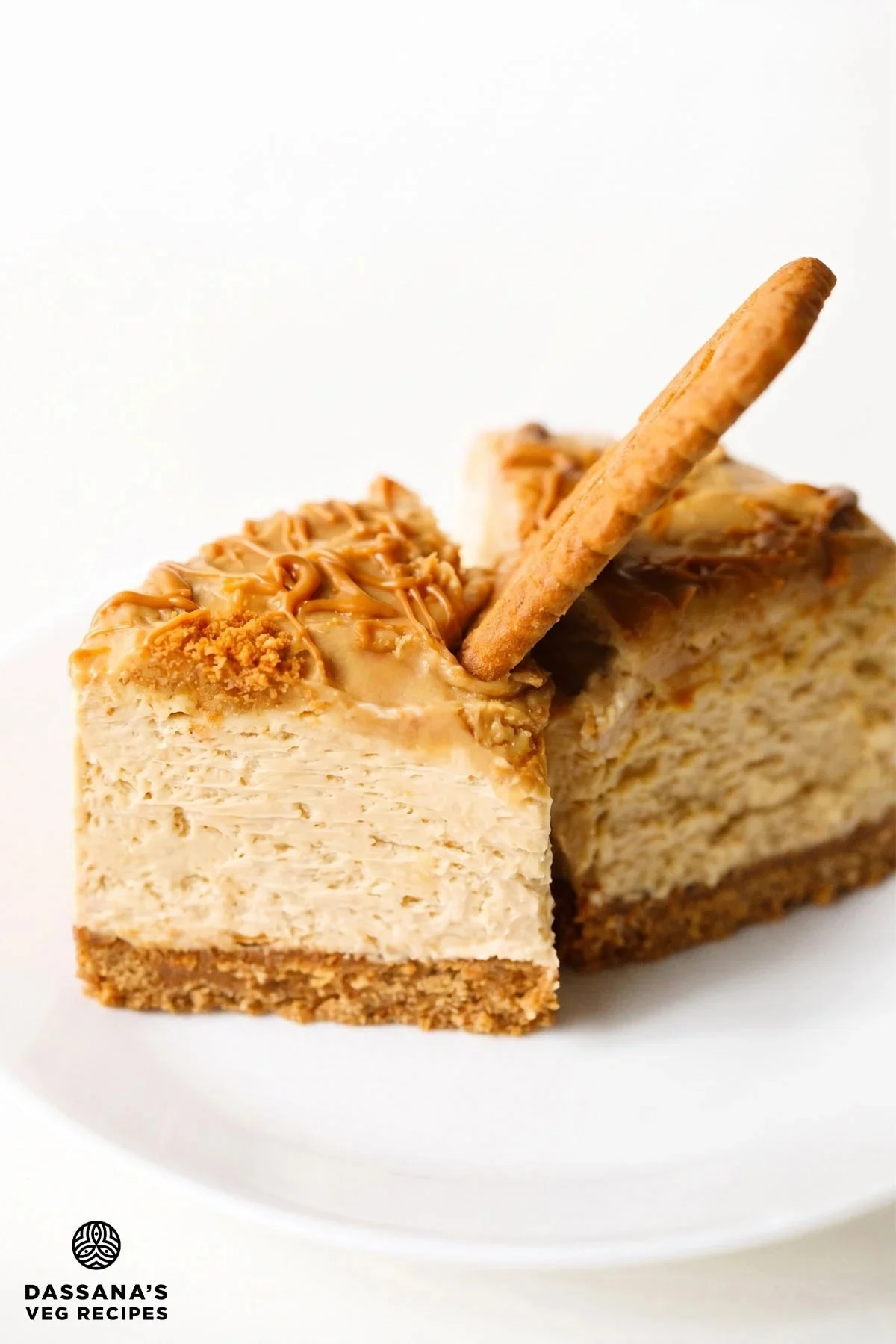
The global culinary landscape has witnessed few phenomena as rapid and pervasive as the "Biscoff revolution." Once a humble spiced biscuit served alongside coffee in Belgian cafes, the Lotus Biscoff—a brand of speculoos cookie—has transformed into a versatile cornerstone of modern confectionery. At the pinnacle of this trend lies the No-Bake Biscoff Cheesecake, a dessert that marries the convenience of contemporary kitchen techniques with the deep, caramelized complexity of traditional European baking.

This report examines the structural integrity, culinary science, and market implications of the Biscoff cheesecake, providing a comprehensive guide to its creation and its place in the 21st-century dessert repertoire.

Main Facts: The Anatomy of a Modern Classic
The No-Bake Biscoff Cheesecake is defined by its three-tier architecture: a high-density biscuit base, a stabilized cream cheese filling infused with speculoos spread, and a glossy, melted cookie-butter finish. Unlike traditional New York-style cheesecakes, which rely on eggs and a delicate water bath to set, the no-bake variant utilizes the cold-setting properties of dairy fats and the structural viscosity of cookie spread.

Key Characteristics:
- Methodology: Cold-setting via refrigeration (minimum 6 hours).
- Flavor Profile: Dominant notes of cinnamon, nutmeg, and caramelized sugar (speculoos), balanced by the lactic acidity of cream cheese.
- Textural Balance: A contrast between the granular, buttery crust and the aerated, silk-like consistency of the mousse-style filling.
- Stability: Achieved through a specific ratio of high-fat cream cheese to whipped heavy cream, eliminating the need for bovine gelatin or agar-agar.
The appeal of this dessert lies in its "make-ahead" nature. By removing the volatility of oven temperatures and the risk of surface cracking, the recipe offers a reliable professional result for both commercial pastry chefs and home-based artisans.

Chronology: From Belgian Tradition to Global Plate
To understand the Biscoff cheesecake, one must trace the evolution of its primary ingredient. The chronology of this dessert is a journey from 19th-century seasonal traditions to a year-round global commodity.

1932–2000: The Speculoos Foundation
The story begins in 1932 in Lembeke, Belgium, where the Boone brothers founded Lotus Bakeries. They perfected the "speculoos" biscuit—a shortcrust cookie flavored with a secret blend of spices. For decades, these were primarily served as accoutrements to coffee, valued for their crisp texture and "karamelgebak" (caramelized) flavor.

2007–2015: The Invention of "Cookie Butter"
A pivotal moment occurred in 2007 when a contestant on a Belgian television show, De Bedenkers (The Inventors), suggested turning the biscuits into a spreadable paste. Lotus Bakeries commercialized the idea, creating "Biscoff Spread." This product provided the culinary world with a stable, flavorful medium that could be easily integrated into batters and creams without the grittiness of crushed cookies.

2016–Present: The Cheesecake Integration
With the global availability of the spread, pastry chefs began experimenting with no-bake formats. The "Biscoff Cheesecake" emerged as a viral sensation on social media platforms, eventually moving into professional cookbooks. The recipe we see today is the result of refined ratios designed to ensure the cake remains stable at room temperature for service while maintaining a melt-in-the-mouth quality.

The Preparation Workflow
The assembly of the modern Biscoff cheesecake follows a precise chronological sequence:

- Base Construction: Pulverizing biscuits and binding them with melted butter to create a compressed foundation.
- The Cream Phase: Aerating heavy cream to "stiff peaks" to provide the volume.
- The Emulsion: Folding the speculoos spread into a sweetened cream cheese base before unifying it with the whipped cream.
- The Setting Period: A critical 6-to-12-hour window in a temperature-controlled environment (refrigerator) to allow the fats to solidify.
- The Finishing: Applying a final layer of heat-softened spread to create a professional, mirror-like aesthetic.
Supporting Data: Culinary Science and Nutritional Analysis
The success of the No-Bake Biscoff Cheesecake is not merely anecdotal; it is rooted in the chemical interaction of its ingredients. Professional results depend on the "stability-to-moisture" ratio.

Structural Integrity
The recipe calls for 200 grams of cream cheese and 150 ml of heavy cream. This 4:3 ratio is essential. The high fat content (typically 33-35% in heavy cream and 33% in cream cheese) creates a matrix that traps air bubbles. When chilled, these fats crystallize, providing a firm "sliceable" texture without the rubbery finish often associated with gelatin-based desserts.

Nutritional Profile (Per Serving)
An analysis of a standard serving (based on a 6-portion yield) reveals the following data:

- Energy Content: 482 kcal.
- Lipid Profile: 37g total fat, of which 19g are saturated.
- Carbohydrate Load: 34g, with 22g derived from sugars.
- Protein Content: 5g.
- Sodium: 254mg (primarily from the salted butter and biscuit components).
While the dessert is calorically dense, it offers a significant satiety factor due to the high fat and protein content of the dairy. The inclusion of Biscoff spread also adds trace amounts of Vitamin E and K, though it remains a treat intended for occasional indulgence.

Official Responses and Expert Perspectives
Culinary experts and industry analysts have noted that the Biscoff cheesecake represents a shift in consumer behavior toward "accessible gourmet."

The Pastry Chef’s Perspective
"The beauty of the Biscoff cheesecake is its consistency," says Elena Vance, a consultant pastry chef. "In a commercial kitchen, we look for recipes that are ‘fail-proof.’ By using the spread as a flavoring agent, we avoid the moisture-migration issues that come with using fresh fruit or liquid flavorings. It provides a standardized flavor profile that customers recognize and crave."

The Market Analyst’s View
Retail analysts suggest that the "Biscoff" brand has reached a level of "ingredient branding" similar to Oreo or Nutella. "When a menu lists ‘Biscoff Cheesecake’ instead of ‘Spiced Cookie Cheesecake,’ it commands a higher price point," notes a report from Global Food Trends 2024. "Consumers are paying for the brand’s heritage and the specific, reproducible taste of the Lotus biscuit."

Consumer Feedback Trends
Data from recipe aggregators indicates that "No-Bake" is one of the most searched terms in the dessert category. This is attributed to the rising costs of energy (oven usage) and the desire for "low-stress" entertaining. The Biscoff variant consistently ranks in the top 5% of user-rated desserts due to its aesthetic appeal and the "nostalgia factor" of the cookie.

Implications: The Future of the No-Bake Movement
The proliferation of the Biscoff cheesecake has wider implications for the food industry and home baking culture.

1. The De-skilling of Gourmet Desserts
The success of this recipe demonstrates that high-end results no longer require advanced techniques like tempering chocolate or managing a bain-marie. This "democratization of dessert" allows smaller cafes and home bakers to produce professional-grade cakes, potentially challenging the dominance of traditional high-end patisseries.

2. Flavor Hybridization
The Biscoff trend has opened the door for other "hybrid" flavors. We are seeing a rise in "cereal milk" cheesecakes, "salted caramel popcorn" tarts, and other desserts that use pre-processed snack foods as primary flavor drivers. This suggests a future where the line between "processed snacks" and "fine dining ingredients" continues to blur.

3. Dietary Adaptation
As the demand for Biscoff increases, there is a growing pressure to develop plant-based and low-sugar alternatives. While the original Biscoff biscuit is vegan-friendly, the cheesecake filling (traditionally dairy-heavy) is the next frontier for innovation. The development of high-stability vegan "cream cheeses" and coconut-based whipping creams is already underway to cater to the lactose-intolerant and vegan demographics without sacrificing the signature Biscoff experience.

4. Commercial Scalability
For the food service industry, the Biscoff cheesecake offers excellent margins. The ingredients have a long shelf life compared to fresh berries or exotic fruits, and the labor cost is significantly lower than baked alternatives. We can expect to see this dessert become a permanent fixture on mid-range restaurant menus globally.

Conclusion
The No-Bake Biscoff Cheesecake is more than a fleeting internet trend; it is a masterclass in modern culinary efficiency. By leveraging the unique properties of speculoos spread and the physics of dairy fats, it provides a reliable, luxurious, and culturally resonant dessert. Whether served in a five-star hotel or prepared in a family kitchen, its success underscores a fundamental truth in contemporary gastronomy: the most enduring dishes are often those that find the perfect balance between tradition and innovation.
