

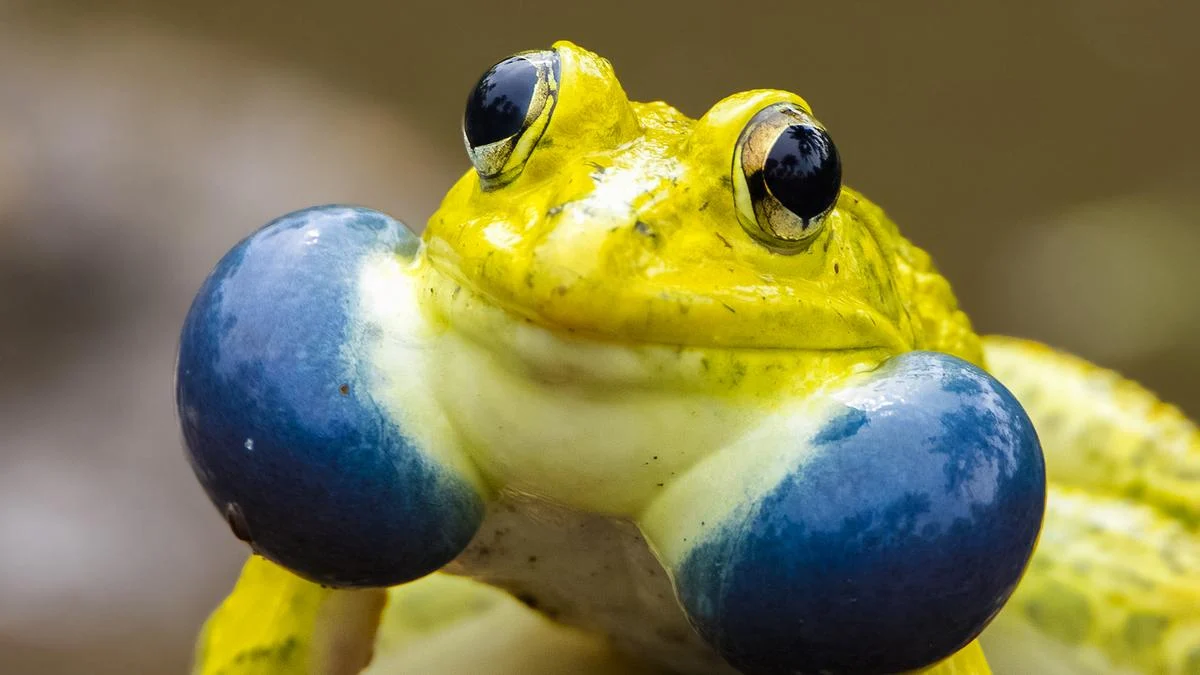
The arrival of the Indian monsoon is traditionally associated with the darkening of the horizon, the smell of petrichor, and the rhythmic drumming of rain on parched earth. However, for those who observe the natural world closely, the true indicators of the season are not found in the atmosphere, but in the intricate biological shifts of the subcontinent’s flora and fauna. Long before the first thunderclap, the landscape begins a transformation that signals a profound ecological awakening.
From the vibrant yellow transformation of the Indian bullfrog to the meticulous architectural feats of the Baya weaver bird, the monsoon acts as a biological catalyst. It is not merely a "starting gun" for life, but a complex conductor of an orchestra where every species plays a part based on specific environmental cues. As habitat loss and climate change threaten these delicate rhythms, understanding the biological heralds of the monsoon has never been more critical for conservationists and citizens alike.
Main Facts: The Biological Pulse of the Rain
The monsoon is the lifeblood of the Indian subcontinent, dictating the agricultural calendar and the survival of thousands of species. While meteorologists track pressure systems and wind currents, the ecosystem responds to a more nuanced set of variables: humidity, soil temperature, and the subtle change in the length of days.
The Indian Bullfrog: A Visual Spectacle
The most dramatic herald of the monsoon is arguably the Indian bullfrog (Hoplobatrachus tigerinus). For most of the year, these large amphibians are a camouflaged, dull olive-green, blending seamlessly into the mud and vegetation of wetlands. However, with the first significant rainfall, the males undergo a startling metamorphosis. They turn a brilliant, neon lemon-yellow, and their vocal sacs swell into vibrant shades of indigo and cerulean blue. This "nuptial dress" is a high-stakes advertisement for mates, turning stagnant puddles into arenas of competitive calling.
The Baya Weaver’s Engineering
While the bullfrogs wait for the water, the Baya weaver bird (Ploceus philippinus) begins its preparations in the pre-monsoon heat. The construction of their intricate, retort-shaped hanging nests is a precursor to the rains. Using strips of grass and paddy leaves, the males weave these structures to attract females. The timing is precise; the nests must be sturdy enough to withstand monsoon winds but completed just as the rain brings a surge in insect populations, ensuring an abundant food supply for the upcoming hatchlings.
The Fungal Awakening
Beneath the surface, the monsoon triggers a hidden kingdom. Fungi that have lived as microscopic threads (mycelium) within the soil or decaying wood suddenly produce fruiting bodies—mushrooms. These can appear overnight on rain-darkened logs or forest floors. They play a vital role in the ecosystem, decomposing organic matter and recycling nutrients back into the soil, which in turn fuels the rapid greening of the landscape.
Chronology: The Sequence of the Seasonal Shift
The transition into the monsoon is a staged process, with different species responding to varying thresholds of environmental change.
Phase 1: The Pre-Monsoon Build-up (March – May)
As temperatures soar across the Indo-Gangetic plains and the Deccan Plateau, the atmosphere becomes heavy with humidity. This is the period of "anticipatory behavior."
- Avian Activity: Baya weavers begin selecting nesting sites, often near water bodies or overhanging thorny trees to deter predators.
- Insect Preparation: Termite mounds become hives of activity as "alates" (winged termites) prepare for their once-in-a-lifetime nuptial flight, which occurs only when the atmospheric pressure drops and the first rains arrive.
Phase 2: The Arrival of the "Choti Baarish" (June)
The first light showers, or "mango showers," trigger immediate physiological responses.
- The Emergence: Species that have been in a state of estivation (a summer version of hibernation) emerge. This includes various species of toads and burrowing frogs that have spent months underground to avoid desiccation.
- The Scent of Life: The release of geosmin—a metabolic byproduct of Actinobacteria in the soil—creates the characteristic smell of rain, which is believed to be a signal for many animals to move toward water sources.
Phase 3: The Monsoon Peak (July – August)
By mid-season, the biological activity reaches a fever pitch.
- The Chorus: The "blue-throated" Indian bullfrogs are at their most active. The collective croaking of thousands of frogs creates a wall of sound that can be heard for miles, a phenomenon essential for breeding success in ephemeral pools.
- Vegetative Explosion: The landscape turns an electric green as dormant seeds germinate and deciduous trees reach their maximum leaf area index.
Phase 4: The Post-Monsoon Transition (September – October)
As the rains retreat, the focus shifts from reproduction to survival and preparation for the dry months.

- Fledging: Young birds, including the Baya weaver chicks, leave the nest.
- Receding Waters: As seasonal ponds dry up, amphibians begin their journey back into the soil or deeper permanent water bodies, losing their bright breeding colors.
Supporting Data: Biodiversity and the Monsoon Economy
The ecological importance of the monsoon-driven biological cycle is backed by significant data regarding biodiversity and ecosystem services.
- Amphibian Diversity: India is home to over 400 species of amphibians, with nearly 80% being endemic to the Western Ghats. The monsoon is the primary breeding window for almost all of them. A healthy monsoon correlates directly with the population stability of these species, which act as "bio-indicators" of environmental health.
- Pest Control: The Indian bullfrog is an apex predator in the world of invertebrates. During the monsoon, a single bullfrog can consume hundreds of insects, including agricultural pests and mosquitoes. This natural pest control saves the Indian agricultural sector billions of rupees in pesticide costs.
- Avian Success Rates: Research indicates that the survival rate of Baya weaver fledglings is significantly higher in years with a steady, prolonged monsoon compared to years with "burst" events or long dry spells, which can cause nest abandonment or food shortages.
- Economic Value of Fungi: The "wild mushroom" season provides a seasonal livelihood for many tribal communities in Central India and the Western Ghats, where varieties like Termitomyces (which grow on termite mounds) are harvested and sold as high-protein delicacies.
Official Responses and Conservation Efforts
Governmental bodies and environmental NGOs have increasingly recognized that monitoring wildlife behavior is as important as monitoring rainfall totals.
The Zoological Survey of India (ZSI):
Officials from the ZSI have noted that the shifting patterns of the monsoon—characterized by delayed arrivals and extreme rainfall events—are affecting the breeding cycles of amphibians. "We are seeing a ‘phenological mismatch,’" says a senior researcher. "If the frogs emerge based on temperature but the rain doesn’t arrive to fill the pools, the eggs dry up before they can hatch."
Forest Department Initiatives:
In states like Kerala and Karnataka, the Forest Department has initiated "Frog Walks" and "Monsoon Marches" to educate the public on the importance of seasonal wetlands. These programs emphasize that "wastelands"—the term often used for seasonal puddles and marshes—are actually critical breeding grounds for the Indian bullfrog and other species.
Legal Protections:
The Indian bullfrog is protected under Schedule IV of the Wildlife Protection Act, 1972. Despite this, they face threats from poaching for the "frog legs" trade (though largely banned) and habitat loss. Official directives now mandate that environmental impact assessments for new constructions must account for seasonal wetlands that may appear dry for eight months of the year but are vital during the monsoon.
Implications: The Future of the Seasonal Rhythm
The intricate dance between the monsoon and India’s biodiversity has far-reaching implications for the future of the region’s ecology and food security.
Climate Change and Phenological Shifts
The most pressing concern is the disruption of the "biological clock." As global temperatures rise, some species may begin their breeding cycles too early. If a Baya weaver builds its nest based on heat, but the monsoon winds are delayed or become too violent, the entire reproductive effort of that year could be lost. Such shifts can lead to a collapse in the population of specific species, creating a ripple effect through the food chain.
The Urbanization Threat
Urban expansion often ignores the "invisible" nature of monsoon biodiversity. Seasonal ponds are frequently filled in for construction during the dry season. When the rains arrive, the bullfrogs have nowhere to breed, and the Baya weavers find their nesting trees replaced by concrete. This loss of "green-blue infrastructure" not only destroys biodiversity but also leads to increased urban flooding, as these natural depressions no longer exist to soak up excess rainwater.
The Necessity of "Citizen Science"
The article highlights that animals present throughout the year become easier to observe because the season changes their behavior. This provides a unique window for citizen science. By documenting the first appearance of the bullfrog’s yellow skin or the first knot in a weaver bird’s nest, ordinary citizens can provide invaluable data to scientists tracking the effects of climate change.
Conclusion
The monsoon is more than a weather pattern; it is a pulse that dictates the heartbeat of the Indian wild. The Indian bullfrog, with its blue throat and golden skin, is a living reminder that our environment is a dynamic, responding entity. To protect the monsoon is to protect the complex web of life that has evolved to dance to its rhythm. As we move into an era of climatic uncertainty, the survival of these biological heralds will be the ultimate litmus test for the health of our planet. Observing these signs—the nest, the sac, the mushroom—is the first step in ensuring that the song of the monsoon does not fall silent.
