

The Indian automotive landscape has undergone a radical transformation over the last decade. What was once a market dominated by purely utilitarian, budget-conscious "small cars" has evolved into a sophisticated arena where consumers demand premium features, uncompromising safety, and diverse powertrain options. At the heart of this shift is Tata Motors, and more specifically, the Tiago. The latest iteration of the Tata Tiago range—spanning Petrol, CNG, and Electric—represents more than just a seasonal update; it is a statement of maturity for the entry-level segment.
Main Facts: A Triple-Threat Strategy in the Compact Segment
The new Tata Tiago arrives not as a singular product, but as a multi-dimensional platform designed to cater to three distinct types of Indian car buyers. By offering the vehicle in Petrol, iCNG, and EV formats, Tata Motors has effectively blanketed the sub-10 lakh price bracket.
Key Highlights of the Update:
- Aesthetic Refinement: The introduction of "Lux Beam" LED headlamps and the "Halo Lightbar" connected tail lamps brings the Tiago in line with Tata’s more expensive SUVs like the Safari and Harrier.
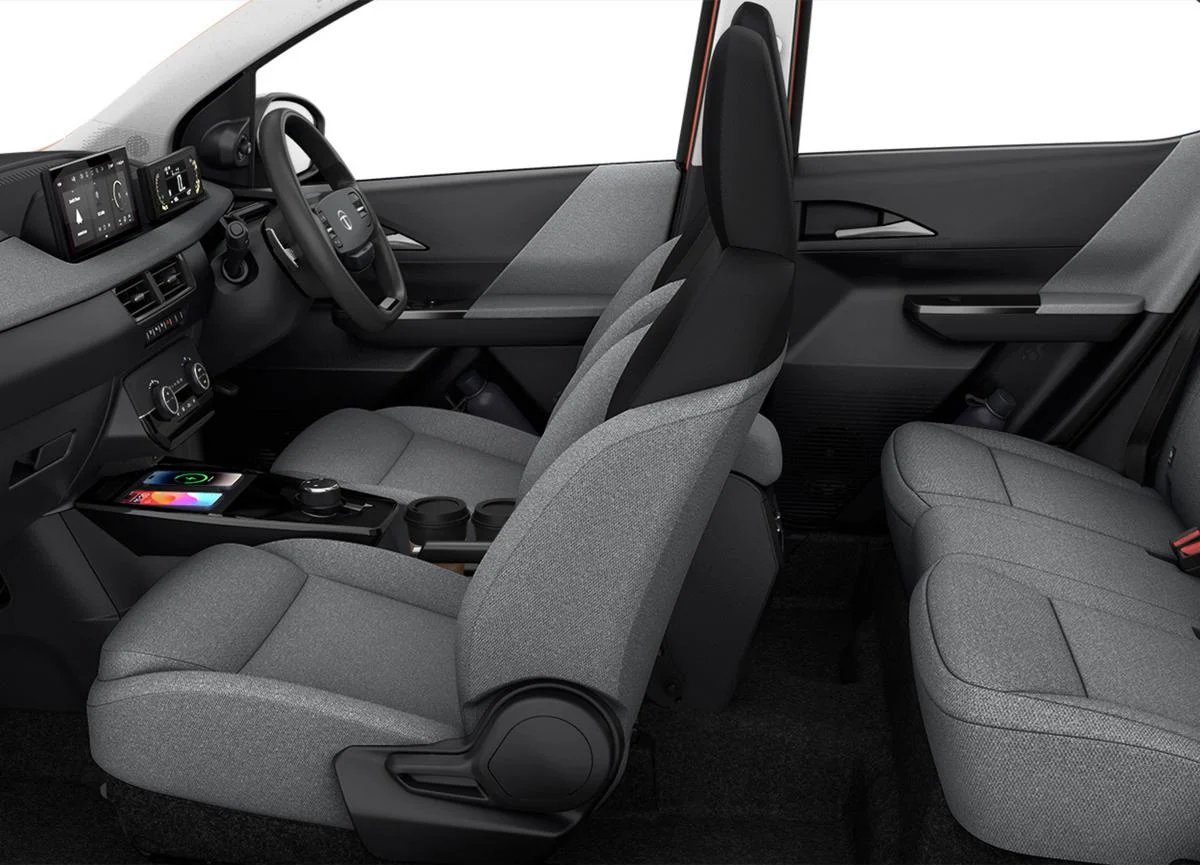
- Interior Elevation: A move away from hard, utilitarian plastics toward the "Fabricia Luxe" dashboard and a 26.03 cm (10.25-inch) high-definition infotainment system.
- Segment-First Technology: The inclusion of a 360-degree HD Surround View Camera and a Blind View Monitor—features previously unheard of in the hatchback segment.
- Safety as Standard: In a significant move for the industry, six airbags are now standard across the entire Tiago lineup, reinforcing Tata’s commitment to its "Safety First" philosophy.
- Powertrain Diversity: The range continues to offer the 1.2-litre Revotron petrol engine, the innovative Twin-Cylinder iCNG technology, and the Ziptron-powered Tiago.ev with two battery options (19.2kWh and 24kWh).
Chronology: From "Impact Design" to Mature Sophistication
To understand the significance of the new Tiago, one must look at its trajectory. Launched originally in 2016, the Tiago was the first vehicle to showcase Tata’s "Impact Design" language. It was tasked with the monumental job of shedding the "taxi-brand" image associated with the older Indica and Bolt models.
2016–2018: The Foundation
The Tiago established itself as a sturdy, well-built alternative to the segment leaders. It gained a reputation for having a "big car" feel despite its compact dimensions.
2020: The BS6 Transition and Facelift
Tata introduced a sharper front fascia, aligning it with the Altroz. This era saw the discontinuation of the diesel variant, focusing instead on refining the 1.2L Revotron petrol engine.

2022–2023: The Disruptors (iCNG and EV)
The introduction of the iCNG variant changed the perception of CNG cars by offering them in top-spec trims. Shortly after, the Tiago.ev was launched, becoming India’s most accessible "real" electric car and democratizing EV ownership.
2024–2025: The Premium Era
The current update represents the "maturity" phase. The focus has shifted from mere "value for money" to "premium for money," incorporating high-end materials, connected car tech, and advanced safety suites.
Supporting Data: Technical Specifications and Performance Metrics
The Tiago’s strength lies in its ability to offer tailored performance across its three personas.
1. The Petrol Powerhouse
The 1.2-litre, 3-cylinder Revotron engine remains the backbone of the range.
- Power: 86 PS @ 6000 rpm
- Torque: 113 Nm @ 3300 rpm
- Transmission: 5-speed Manual / 5-speed AMT
- Character: Best suited for urban commuters who value a light-footed, eager engine that handles stop-and-go traffic with minimal effort.
2. The iCNG Innovation
Tata’s patented twin-cylinder technology has solved the oldest problem with CNG cars: the lack of boot space. By placing two smaller 30-litre (water capacity) cylinders under the luggage floor, the Tiago retains a usable trunk.

- Power (CNG Mode): 73.5 PS
- Torque (CNG Mode): 95 Nm
- Efficiency: Significant reduction in running costs compared to petrol, with the added convenience of a direct-start CNG mode and the option of an AMT gearbox—a first in the Indian market.
3. The Tiago.ev (Ziptron Technology)
The electric variant is arguably the most exciting of the three, offering a silent yet punchy driving experience.
- Medium Range Battery: 19.2 kWh (Estimated real-world range: 160-170 km)
- Long Range Battery: 24 kWh (Estimated real-world range: 205-215 km)
- Performance: 0-60 km/h in 5.7 seconds for the 24kWh version.
- Charging: DC Fast Charging can add 100 km of range in approximately 18 minutes, making it a viable option for even the busiest urban professionals.
Official Responses and Market Positioning
While Tata Motors has not issued a singular press release for every minor aesthetic tweak, their strategic direction is clear through their product placement. Spokespersons from Tata’s Passenger Electric Mobility (TPEM) have frequently emphasized that the Tiago is their "gateway" product.
According to internal marketing data, the Tiago has one of the highest percentages of "first-time car buyers" in the Tata portfolio. Consequently, the company’s response to market feedback has been to "de-budgetize" the entry-level experience. By introducing the Digital Island Cluster and iRA.ev connected features, Tata is responding to a younger, tech-savvy demographic that views their car as an extension of their smartphone.
Furthermore, the decision to make six airbags standard is an unofficial response to the tightening safety regulations in India and the growing consumer awareness fostered by Global NCAP ratings, where the Tiago previously scored a commendable 4 stars.
Deep Dive: The Cabin and Ride Quality
The most palpable change for the driver is the "Fabricia Luxe" dashboard. In an industry where "piano black" plastic is often overused to hide cheap materials, Tata has opted for textured surfaces and a layered design that creates genuine visual depth.

The 26.03 cm touchscreen is the nerve center of the car. Unlike previous versions which sometimes suffered from lag, this HD unit is responsive and supports wireless Android Auto and Apple CarPlay. The inclusion of Type-C fast charging ports and a wireless charging pad addresses the modern reality of battery-hungry mobile devices.
Ride and Handling
The Tiago has always "punched above its weight" regarding ride quality. On the broken surfaces of cities like Bengaluru or the expansion joints of Mumbai’s flyovers, the suspension remains composed. It avoids the "bouncy" feel often associated with lightweight hatchbacks. The steering is predictably weighted—light enough for easy parking but gaining enough heft at highway speeds to feel reassuring.
Implications: Changing the Rules of the Entry-Level Game
The launch of the updated Tiago range has several long-term implications for the Indian automotive industry:
1. The End of the "Basic" Hatchback
By offering a 360-degree camera and premium interiors in a car priced between INR 4.69 lakh and 8.55 lakh (ex-showroom), Tata has effectively killed the concept of the "basic" hatchback. Competitors like Maruti Suzuki and Hyundai will now be under immense pressure to offer similar tech at these price points.
2. The Normalization of EVs
The Tiago.ev is the primary driver for EV adoption in India. Its ability to blend in—looking almost identical to its petrol sibling—helps hesitant buyers make the switch. It proves that an electric car doesn’t need to look like a spaceship; it just needs to be a good car that happens to be electric.

3. Safety as a Competitive Advantage
By standardizing six airbags, Tata is forcing a "safety arms race" in the budget segment. This is a net win for the Indian consumer, as it elevates the baseline for vehicular safety across the board.
4. The Viability of CNG as a Primary Fuel
With the twin-cylinder technology and the AMT option, the Tiago iCNG is no longer just a "compromise" for those looking to save money. It has become a legitimate alternative for families who need both fuel efficiency and boot space.
Verdict: A Mature Choice for a New India
The new Tata Tiago range proves that small cars no longer need to feel small. Whether it is the eager petrol engine, the practical and innovative CNG setup, or the punchy, eco-friendly EV, the Tiago offers a sense of maturity that was previously reserved for cars two segments higher.
With its polished ride quality, comprehensive safety package, and a feature list that rivals mid-size SUVs, the Tiago remains one of the most compelling choices on Indian roads today. It is a vehicle that doesn’t just meet the needs of the modern Indian driver—it anticipates them.
Price Range: INR 4.69 lakh – 8.55 lakh (Ex-showroom)
Review conducted in association with Motorscribes and The Hindu.
