

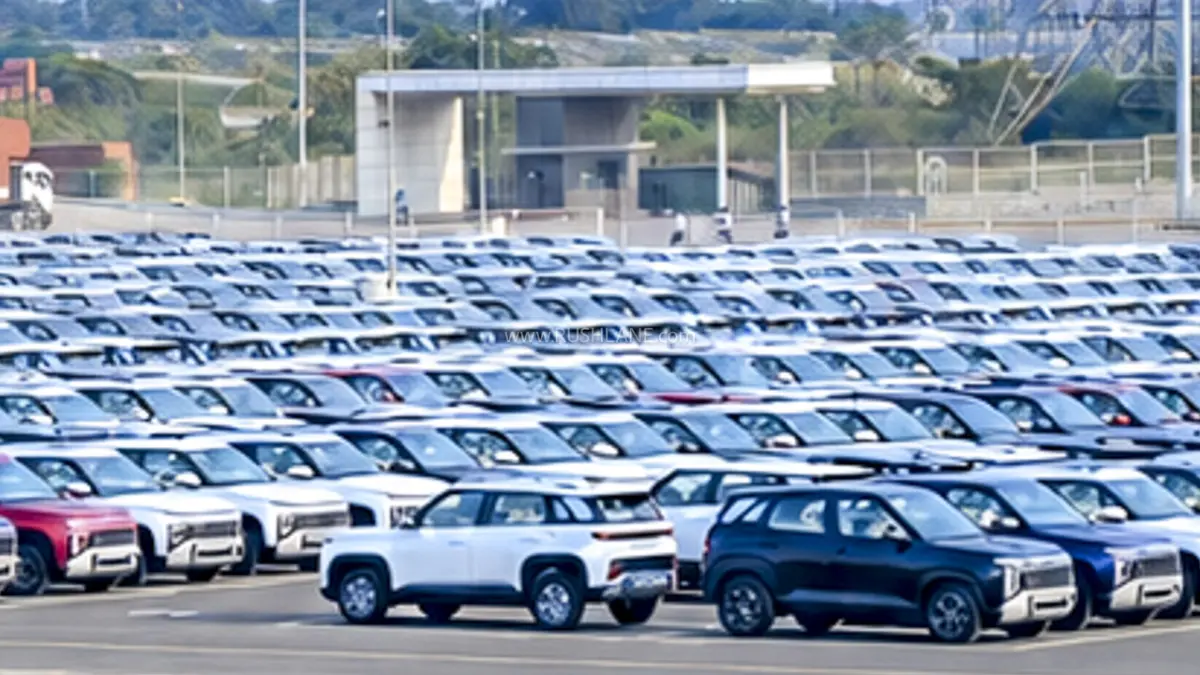
PUNE, MAHARASHTRA – In a landmark event that signals a paradigm shift in India’s automotive manufacturing landscape, Hyundai Motor India Limited (HMIL) officially inaugurated its state-of-the-art manufacturing facility in Talegaon, Pune, on October 14, 2026. The ceremony, attended by a galaxy of dignitaries including Maharashtra Chief Minister Devendra Fadnavis and Hyundai Motor Group Executive Chair Euisun Chung, marks the beginning of a multi-phased investment journey totaling Rs 11,000 crore.
This inauguration is more than just the opening of a new factory; it represents Hyundai’s deepest commitment to the "Make in India" initiative and its strategic ambition to transform India into a primary global hub for both Internal Combustion Engine (ICE) and electrified mobility.

The Core Narrative: A Strategic Expansion into India’s Automotive Heartland
The Talegaon facility, which Hyundai acquired from General Motors India in 2023, has undergone a rapid and comprehensive transformation. Following a significant overhaul of its assembly lines and the integration of cutting-edge Industry 4.0 technologies, the plant commenced production in the fourth quarter of 2025. The first vehicle to roll off the new line was the next-generation Hyundai Venue, a model that is now being manufactured exclusively in Pune for both domestic consumption and export to over 35 countries.
Currently, the plant boasts an annual production capacity of 1.70 lakh vehicles. however, this is merely the baseline. Under the phased investment plan, Hyundai aims to nearly double this output, reaching a capacity of 3.20 lakh units per annum by 2030. When combined with Hyundai’s existing mega-plant in Chennai, the company’s total manufacturing footprint in India will swell to an impressive 11.4 lakh vehicles per year.
Chronology of a Transformation: From Acquisition to Inauguration
The road to the Talegaon inauguration has been a calculated journey of strategic growth and consolidation:

- 1996–2021: Hyundai establishes itself in Chennai, becoming a household name with the Santro and later the Creta. By 2021, the Chennai plant reaches its peak efficiency.
- 2023: Hyundai identifies the need for a second manufacturing hub to support future growth. It successfully acquires the shuttered General Motors plant in Talegaon, Maharashtra, securing a strategic foothold in the "Detroit of the East."
- 2024–2025: A massive re-tooling exercise begins. Hyundai integrates its global "E-FOREST" digital manufacturing platform, shifting the plant from traditional assembly to an AI-driven ecosystem.
- Q4 2025: Production officially commences with the new Hyundai Venue. The plant proves its capability to handle global quality standards from day one.
- October 13, 2026: Hyundai Motor Group announces a massive USD 15.5 billion investment program for India spanning 2026–2032, covering both Hyundai and Kia brands.
- October 14, 2026: Formal inauguration of the Pune facility. The event also celebrates 30 years of Hyundai in India and the milestone of 40 lakh cumulative exports.
Technical Sophistication: AI, E-FOREST, and Hybrid Readiness
The Pune plant is being hailed as one of Hyundai’s most advanced facilities globally. It serves as a lighthouse for the company’s Industry 4.0 aspirations. Central to its operations is the E-FOREST platform, an internal digital ecosystem that synchronizes every element of production—from the supply chain to the final quality check.
Key technological highlights include:
- AI-Driven Quality Assurance: The facility employs advanced computer vision and artificial intelligence to detect microscopic defects in paint, body panels, and engine components, ensuring a "zero-defect" output.
- Predictive Maintenance: IoT sensors throughout the plant monitor the health of robotic arms and assembly machinery, predicting potential failures before they occur to minimize downtime.
- Hybrid-Ready Assembly Lines: In a forward-looking move, Hyundai has designed the production lines to be powertrain-agnostic. While the plant currently focuses on ICE vehicles, it is fully capable of integrating hybrid and electric vehicle (EV) assembly. This is particularly relevant given the industry buzz surrounding the 2027 Next-Gen Creta Hybrid, which is rumored to be a primary candidate for Pune-based production.
- R&D Synergy: Hyundai is not just building cars; it is building knowledge. The company is currently collaborating with seven premier Indian institutes on 40 research projects focusing on battery chemistry, power electronics, and autonomous mobility solutions.
Economic Impact: Sourcing and Employment
The investment of Rs 11,000 crore has sent ripples through the regional economy. Hyundai’s presence has acted as a magnet for the component industry. Currently, 55 supplier partners have established bases in Maharashtra, contributing an additional Rs 4,600 crore in investment.

The efficiency of the "Talegaon Cluster" is evident in its logistics: nearly 50% of the supplier network is located within a 50-kilometer radius of the plant. This "Just-in-Time" manufacturing model reduces carbon footprints and logistics costs. To date, this ecosystem has generated over 18,000 direct and indirect jobs, providing a significant boost to the state’s industrial employment figures.
Official Responses: A Vision for "Viksit Bharat"
The inauguration ceremony was marked by optimistic rhetoric from both government and corporate leadership.
Shri Devendra Fadnavis, Chief Minister of Maharashtra, emphasized the state’s role in India’s automotive dream:
"Hyundai’s decision to invest Rs 11,000 crore in Talegaon is a testament to Maharashtra’s robust industrial policy and world-class infrastructure. This plant is not just about manufacturing cars; it is about creating a high-tech ecosystem that will propel India toward becoming a global automotive powerhouse. We are proud to partner with Hyundai in this journey of innovation and employment."

Mr. Tarun Garg, Managing Director & CEO of HMIL, reflected on the company’s long-term commitment:
"As we celebrate 30 years in India, the inauguration of our Pune plant marks the beginning of ‘Hyundai 2.0.’ This facility embodies our vision of ‘Progress for Humanity’ through smart manufacturing and sustainable growth. With the capacity to produce 3.20 lakh units annually by 2030, Talegaon will be instrumental in meeting the evolving needs of Indian customers and expanding our export footprint to more than 35 countries."
Milestones and Supporting Data: 40 Lakh Exports and Beyond
The timing of the inauguration coincided with several historic milestones for Hyundai Motor India:
- Export Leadership: Hyundai confirmed it has reached 40 lakh cumulative exports from India since shipments began in 1999. It remains the country’s largest exporter of passenger vehicles on a cumulative basis, showcasing the global acceptance of "Made in India" quality.
- Domestic Dominance: The company has touched nearly 1 crore domestic sales, solidifying its position as the perennial number-two player in the Indian market with a strong grasp on the premium SUV and hatchback segments.
- Operational Excellence: The Pune facility has already received the 2026 Red Dot Award for its workplace design, highlighting a shift toward people-centric manufacturing environments that prioritize employee wellness and safety alongside productivity.
Future Implications: The Hybrid and EV Pivot
The most significant implication of the Pune plant’s opening is Hyundai’s prepared readiness for the "Greener Transition." While the Indian government continues to push for full electrification, the market has shown a surging interest in hybrid technology as a bridge.

The flexibility of the Talegaon lines suggests that Hyundai is hedging its bets perfectly. By 2027, when the next-generation Creta is expected to debut with a hybrid powertrain, the Pune plant will likely be the epicenter of its production. This allows Hyundai to scale production according to market demand—whether it be petrol, diesel, hybrid, or eventually, pure electric.
Furthermore, the expansion of exports from this facility will reduce the burden on the Chennai port and plant, allowing for a more balanced logistical distribution across the Indian subcontinent. As Pune takes over the mantle for models like the Venue and potentially future sub-compact SUVs, Chennai can focus on larger platforms and dedicated EV lines.
Conclusion
The formal opening of the Hyundai Talegaon plant is a defining moment for the Indian auto industry in 2026. It represents the successful marriage of traditional manufacturing strength with the digital possibilities of AI and Industry 4.0. With a phased investment of Rs 11,000 crore, a growing supplier ecosystem, and a clear eye on the hybrid and electric future, Hyundai has not just built a factory—it has secured its legacy for the next 30 years of Indian mobility.
