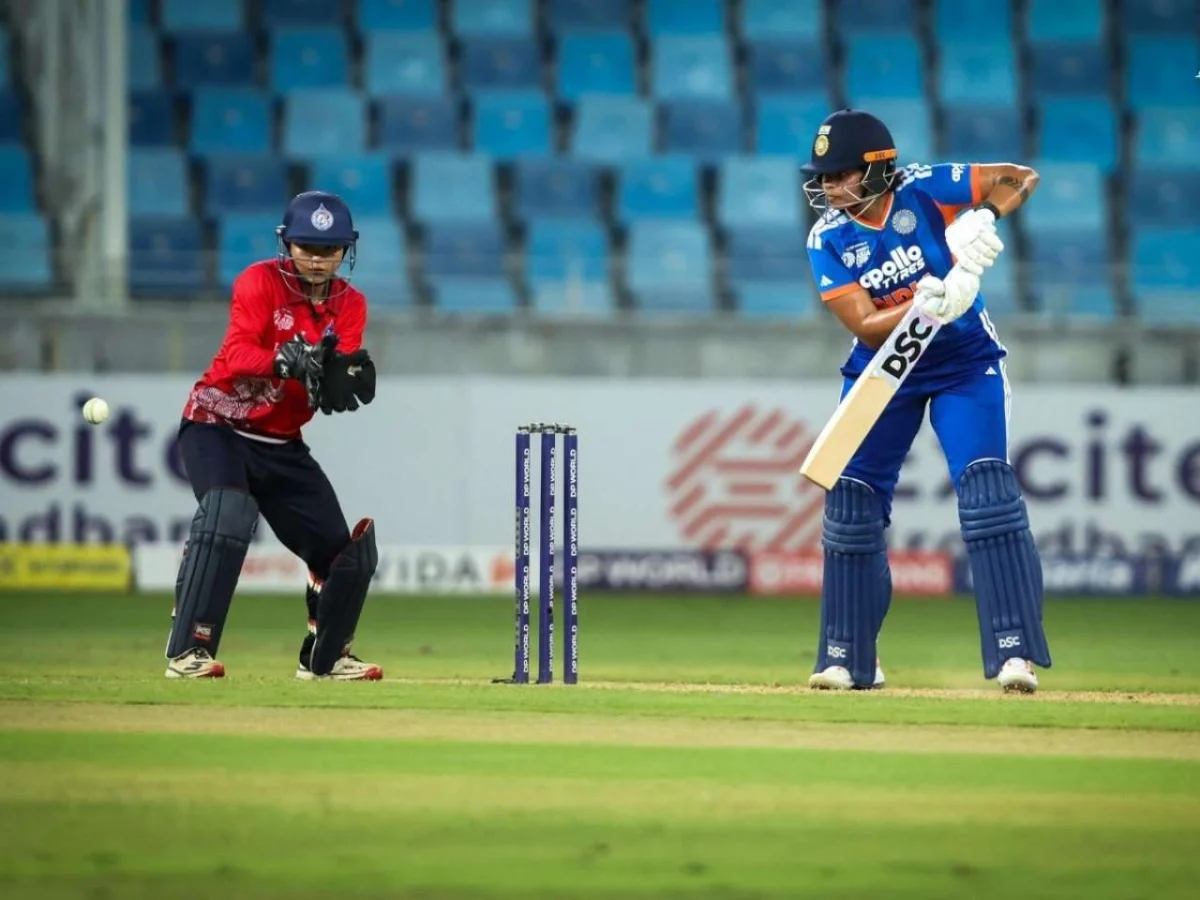
Sylhet, Bangladesh – The Indian Women’s Cricket team commenced their Women’s Asia Cup 2026 campaign with a resounding 94-run victory over Thailand, demonstrating their formidable bowling prowess and securing a crucial early lead in the tournament. Despite the convincing margin, the opening fixture revealed a curious dichotomy in India’s performance: an explosive batting start followed by a perplexing collapse, ultimately salvaged by a clinical bowling display that stifled Thailand’s chase.
After setting a target of 160 runs, a total that seemed modest given their early acceleration, the Women in Blue showcased their exceptional bowling depth, dismissing Thailand for a paltry 65 runs in just 16.5 overs. The comprehensive win provides India with a strong net run rate boost and an ideal start, yet the journey to championship glory will undoubtedly demand greater consistency from their batting unit.
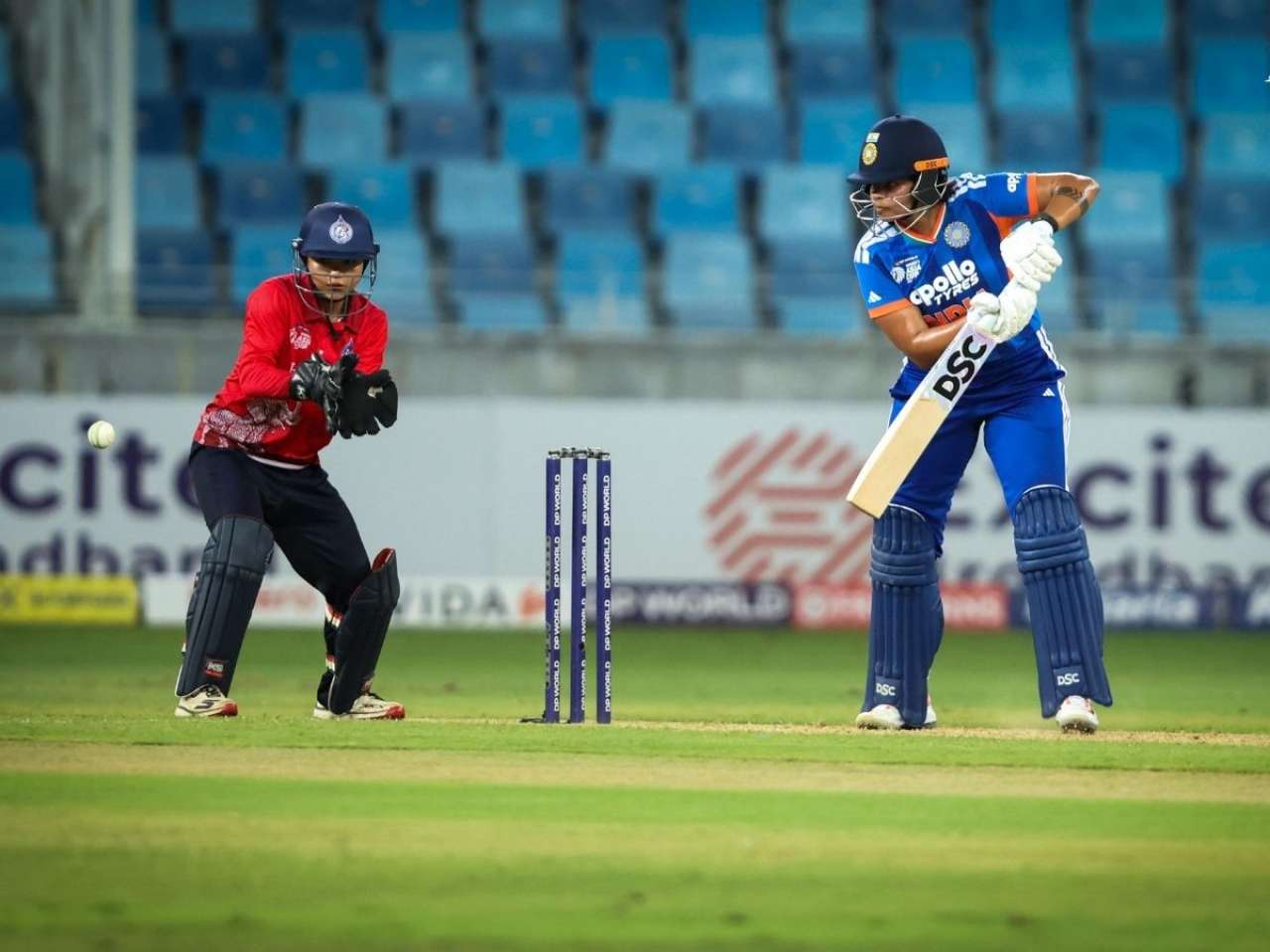
A Dominant Start, Yet Points to Ponder for the Women in Blue
The scoreline of 159/9 for India and 65 all out for Thailand unequivocally illustrates the one-sided nature of the contest. While the final result was never truly in doubt once India’s bowlers found their rhythm, the path to that victory for the Indian side was anything but straightforward. The match served as a vital early assessment, highlighting both the immense talent within the squad and areas requiring immediate attention as the tournament progresses.
Setting the Stage: Asia Cup’s Grand Opening
The Women’s Asia Cup has historically been a stronghold for India, who have often dominated the continental championship. The 2026 edition, kicking off in Sylhet, carries particular significance as it provides a crucial platform for teams to fine-tune their strategies and test their mettle against regional rivals. For India, it’s an opportunity to assert their supremacy and build momentum towards future international commitments. For emerging cricketing nations like Thailand, these tournaments are invaluable, offering exposure to top-tier competition and a chance to gauge their development on a larger stage. Thailand, having made significant strides in recent years, particularly in the T20 format, was eager to challenge the established order, and this opening encounter against India was a stern test of their progress.
)
India’s Innings: A Tale of Two Halves
The Indian innings was a rollercoaster of emotions, characterized by blistering starts and agonizing slowdowns. What began with the promise of a monumental total quickly descended into a struggle for survival, leaving the coaching staff with plenty to dissect.
Explosive Powerplay: Verma and Mandhana Unleash Fury
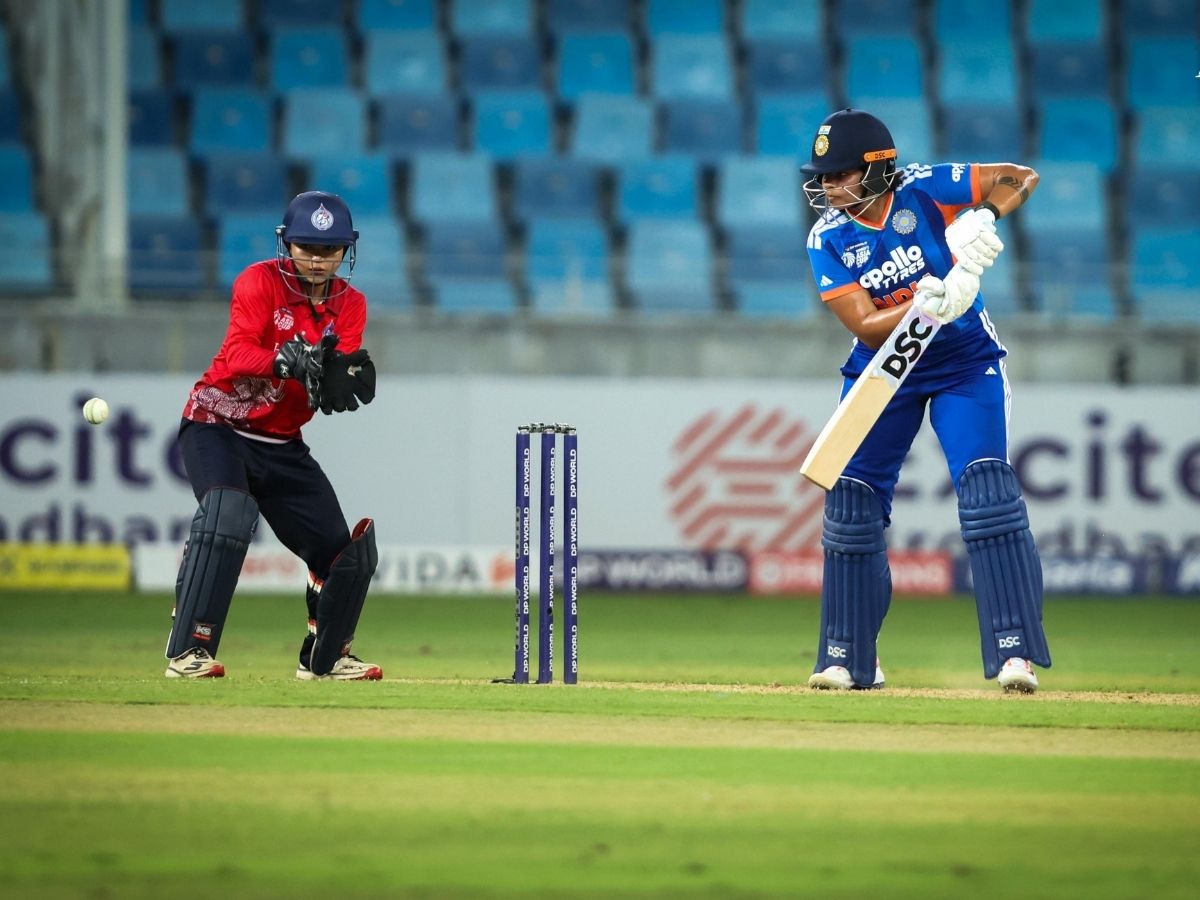
From the moment the first ball was bowled, India’s openers, Shafali Verma and Smriti Mandhana, signaled their aggressive intent. The Powerplay overs were a spectacle of fearless hitting, as the duo dismantled the Thai bowling attack with an array of powerful strokes. India raced to an astonishing 65 for 1 in the first six overs, laying a foundation that suggested a target well in excess of 200 runs.

Shafali Verma, the prodigious young batter renowned for her explosive style, was particularly devastating. She unleashed a flurry of boundaries, displaying a potent mix of brute force and timing that left the Thai bowlers searching for answers. Her innings was a masterclass in T20 batting, marked by audacious sixes and perfectly placed fours. She seemed to be batting on a different pitch altogether, effortlessly finding gaps and clearing the ropes. The scoreboard reflected her dominance, with Verma smashing a brilliant 64 runs off just 36 deliveries, an innings that included numerous boundaries and dictated the pace of the early game. Her ability to accelerate from the outset put immense pressure on Thailand, forcing them to deviate from their plans.
Smriti Mandhana, the elegant left-hander, also contributed to the early fireworks. Batting with her characteristic flair and timing, she looked set for a significant score. Her quickfire 19 off just 10 balls provided the perfect foil to Verma’s aggression, ensuring that the run rate remained sky-high. However, her promising cameo was cut short by an avoidable run-out. A momentary lapse in concentration, combined with a sharp direct hit from the field, saw her depart prematurely. It was a soft dismissal that Mandhana, known for her exquisite running between the wickets, will undoubtedly rue, as it robbed India of a potentially game-changing partnership. The loss of Mandhana, coming at a crucial juncture, subtly shifted the momentum, though India still seemed comfortably positioned at 91/1 after nine overs.
)
The Mid-Innings Meltdown: Thailand’s Strategic Comeback
The scoreboard at the halfway mark, reading 91/1, painted a picture of absolute dominance. The expectation was that India would consolidate and push towards a massive total. However, what followed was a dramatic and perplexing collapse that saw wickets tumble in quick succession, and the scoring rate plummet. From a commanding position, India found themselves in freefall, losing eight wickets for just 68 runs in the remaining eleven overs.
The Thai bowlers, creditably, did not surrender. Sensing a glimmer of hope after Mandhana’s dismissal, they tightened their lines and lengths, applying relentless pressure on the incoming batters. Leading this resurgence was Laomi, who emerged as the pick of the Thai bowlers. Her disciplined spell of 3 wickets for just 26 runs was instrumental in stemming the Indian onslaught. She exploited the slowing nature of the pitch and the increasing pressure, inducing false shots and finding breakthroughs. The Indian middle and lower order simply failed to adapt. Batters struggled to rotate the strike, boundaries became scarce, and the aggressive approach that had characterized the Powerplay seemed to evaporate. Shot selection became questionable, and the confidence that permeated the early innings gave way to hesitation and tentative prods. The flow of runs dried up dramatically, turning a potential 200-plus score into a scramble to reach a competitive total. The inability of any batter other than Shafali Verma to step up and provide stability or another significant impetus was a glaring concern.
)
The Gritty Resilience: A Crucial Late Stand
As the innings neared its close, India was staring down the barrel of a complete collapse, threatening to finish with an embarrassingly low total. However, a small but significant act of defiance emerged in the form of an unbeaten 20-run partnership for the final wicket between Kranti and Charani. This gritty stand, while not grabbing headlines, proved to be invaluable. It prevented India from capitulating entirely and allowed them to limp to a more respectable total of 159/9. This late resilience, born out of sheer determination, provided a much-needed psychological boost and ensured that the bowlers had a defendable target.
Adding to the narrative of individual promise was the debut of Pratika Rawal. Playing her very first T20 international, Rawal showed no signs of being overawed by the occasion. Her brief cameo, which included a six and a four, provided a glimpse into her potential. Such moments of individual brilliance, even in a team struggling for consistency, are crucial for the development of young players and offer hope for the future.
)
Thailand’s Chase: Overwhelmed by India’s Bowling Prowess
Chasing 160, Thailand faced an uphill battle against an Indian bowling attack known for its discipline and wicket-taking ability. The pressure was immense, and unfortunately for the Thai side, they buckled under it, failing to build any significant partnerships.
Early Setbacks and Relentless Pressure
From the outset, India’s bowlers hunted as a pack, denying Thailand any opportunity to settle. The early overs saw a relentless barrage of accurate deliveries, coupled with sharp fielding, which immediately put the Thai batters on the back foot. Wickets began to tumble with alarming regularity, making it impossible for Thailand to establish any rhythm or momentum in their chase. The Indian bowlers maintained tight lines and lengths, choking the flow of runs and forcing errors.
)
The Spin Web: Deepti and Nandani Decimate Opposition
The architect of Thailand’s downfall was undoubtedly the spin duo of Deepti Sharma and Nandani Sharma. Both bowlers delivered exceptional spells, exploiting the conditions and baffling the Thai batters with their variations. Deepti Sharma, the experienced all-rounder, showcased her class with a masterly display of off-spin. Her ability to control the pace, flight, and turn of the ball proved too much for the opposition. She picked up three crucial wickets, dismantling the middle order and ensuring that Thailand could never recover. Her economical spell was a testament to her skill and strategic brilliance.
Equally impressive was Nandani Sharma, who mirrored Deepti’s success with another three-wicket haul. Her leg-spin proved to be equally effective, as she consistently posed questions to the batters, forcing them into mistakes. The synergy between Deepti and Nandani was palpable; they created an impenetrable web of spin that Thailand simply could not escape. Their combined efforts accounted for six key wickets, effectively breaking the back of the Thai batting lineup and extinguishing any faint hopes of a comeback. The relentless pressure from both ends meant that Thailand was constantly on the defensive, unable to find the boundaries needed to keep pace with the required run rate.
)
A Display of Clinical Execution
Beyond the individual brilliance of the Sharmas, the entire Indian bowling unit contributed to a clinical performance. The pacers provided early breakthroughs and maintained pressure, while the fielders backed up their bowlers with athleticism and precision. There were no easy runs on offer, and every single seemed hard-earned. The collective effort ensured that Thailand was bowled out for just 65 runs in the 17th over, a testament to India’s comprehensive dominance with the ball. The fielding was sharp, contributing to the pressure and ensuring that any half-chances were converted. This holistic performance from the bowling and fielding unit was the primary reason for the emphatic victory, overshadowing the earlier batting struggles.
Statistical Overview and Key Performers
The statistics from the match paint a clear picture of India’s superiority, particularly in their bowling department.
)
India’s Batting (159/9 in 20 overs):
- Shafali Verma: 64 runs (36 balls, X fours, Y sixes) – Strike Rate: 177.78
- Smriti Mandhana: 19 runs (10 balls, Z fours) – Strike Rate: 190.00
- Kranti & Charani: Unbeaten 20-run partnership for the 10th wicket.
- Highest partnership: 65 runs for the 1st wicket (Verma, Mandhana)
Thailand’s Bowling:
)
- Laomi: 3 wickets for 26 runs (4 overs) – Economy Rate: 6.50
- Others contributed with tight spells, but Laomi was the standout.
Thailand’s Batting (65 all out in 16.5 overs):
- No batter reached double figures.
- Highest score: 9 runs (by P. Jaisue and C. Sutthiruang)
India’s Bowling:
)
- Deepti Sharma: 3 wickets for 12 runs (3.5 overs) – Economy Rate: 3.13
- Nandani Sharma: 3 wickets for 15 runs (4 overs) – Economy Rate: 3.75
- Other bowlers also maintained excellent economy rates and chipped in with crucial wickets.
Shafali Verma, for her explosive and match-defining innings, would likely be a strong contender for the Player of the Match award, though the combined bowling effort of Deepti and Nandani Sharma was equally impactful in securing the win.
Official Responses and Strategic Outlook
While official quotes from team management were not immediately available, the sentiments conveyed through the team’s performance were evident.
)
India’s Coach/Captain Reflects on the Performance
The Indian team management would undoubtedly acknowledge the crucial win and the exceptional bowling performance. However, there would be a clear emphasis on addressing the batting collapse. The captain, likely highlighting the positive intent shown by Verma and Mandhana, would also stress the need for greater application and partnership building in the middle overs. The message would revolve around learning from the mistakes, adapting to varying pitch conditions, and ensuring that the entire batting unit contributes consistently throughout the tournament. The focus would be on converting strong starts into imposing totals, especially against stronger opposition. The clinical bowling and sharp fielding would be commended, serving as a benchmark for future performances.
Thailand’s Perspective: Learning and Moving Forward
For Thailand, this match, despite the heavy defeat, represents a valuable learning experience. Their coach would likely commend the bowlers for their fightback in the middle overs, particularly Laomi’s spell, which showcased their potential to challenge top teams. The focus for Thailand would be on analyzing their batting struggles, particularly their inability to counter the Indian spinners and form meaningful partnerships. The team would aim to draw positives from the experience, learn from their mistakes, and apply those lessons in their subsequent matches. Playing against a team of India’s caliber provides an unparalleled opportunity for growth, and Thailand’s strategic outlook would be centered on absorbing these lessons and improving incrementally throughout the tournament.
)
Implications for the Tournament
The opening fixture has set a clear tone for both teams and has significant implications for their respective campaigns.
India’s Position and Future Challenges
For India, the commanding victory provides a significant boost in net run rate and sends a strong message to other contenders. It underscores their status as tournament favorites. However, the batting collapse serves as a timely reminder that complacency cannot be afforded. Tougher challenges lie ahead, and against more formidable opponents, such mid-innings slumps could prove fatal. The team will need to ensure that the entire batting lineup clicks, not just the openers. The bowlers have demonstrated their ability to win matches, but relying solely on them in every game is a risky strategy. The focus for India will be on refining their batting strategy, ensuring better execution in the middle overs, and maintaining consistency across all departments as they progress deeper into the tournament.
)
Thailand’s Campaign: A Steep Learning Curve
For Thailand, the defeat is a stark reminder of the gap that still exists between them and the world’s top teams. While their bowlers showed flashes of brilliance, their batting unit struggled immensely. This match, however, is just the beginning of their campaign. The team will need to quickly regroup, analyze their performance, and focus on delivering more competitive displays in their upcoming matches. The experience of facing a dominant Indian side can be a catalyst for growth, provided they extract the right lessons. Their goal will be to register victories against other teams in the group and gain valuable experience, which is crucial for the long-term development of women’s cricket in Thailand.
The Broader Narrative: Elevating Women’s Cricket
Beyond the immediate match result, this Women’s Asia Cup fixture against Thailand highlights the broader narrative of women’s cricket development. India, as a powerhouse, has a crucial role in elevating the sport globally, and their dominant performances inspire millions. Simultaneously, the participation and improving standards of teams like Thailand are vital for the sport’s global expansion. These regional tournaments provide essential exposure, helping emerging cricketing nations to build their talent pipelines, gain international experience, and eventually challenge the established order. The growth of women’s cricket is a collective effort, and every match, every tournament, contributes to its increasing popularity and professionalism worldwide.
)
In conclusion, India’s opening victory in the Women’s Asia Cup 2026 was a tale of two halves: a batting innings that promised much but delivered inconsistently, and a bowling performance that was nothing short of clinical. While the win was emphatic, the journey ahead will demand a more cohesive and consistent effort from the Women in Blue, particularly with the bat. For Thailand, it was a challenging start, but one that offers invaluable lessons as they continue their quest to make their mark on the international cricketing stage. The tournament has just begun, and if this opening encounter is any indication, it promises to be a captivating display of talent and determination.