

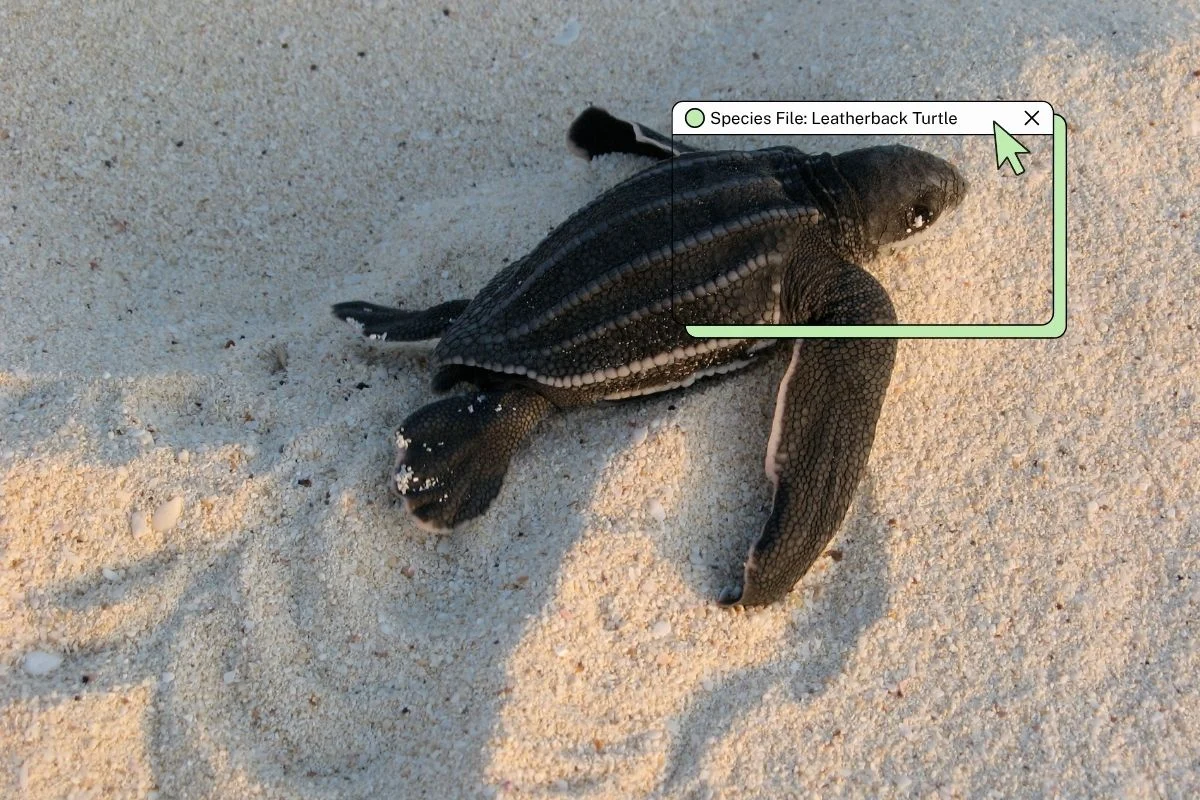
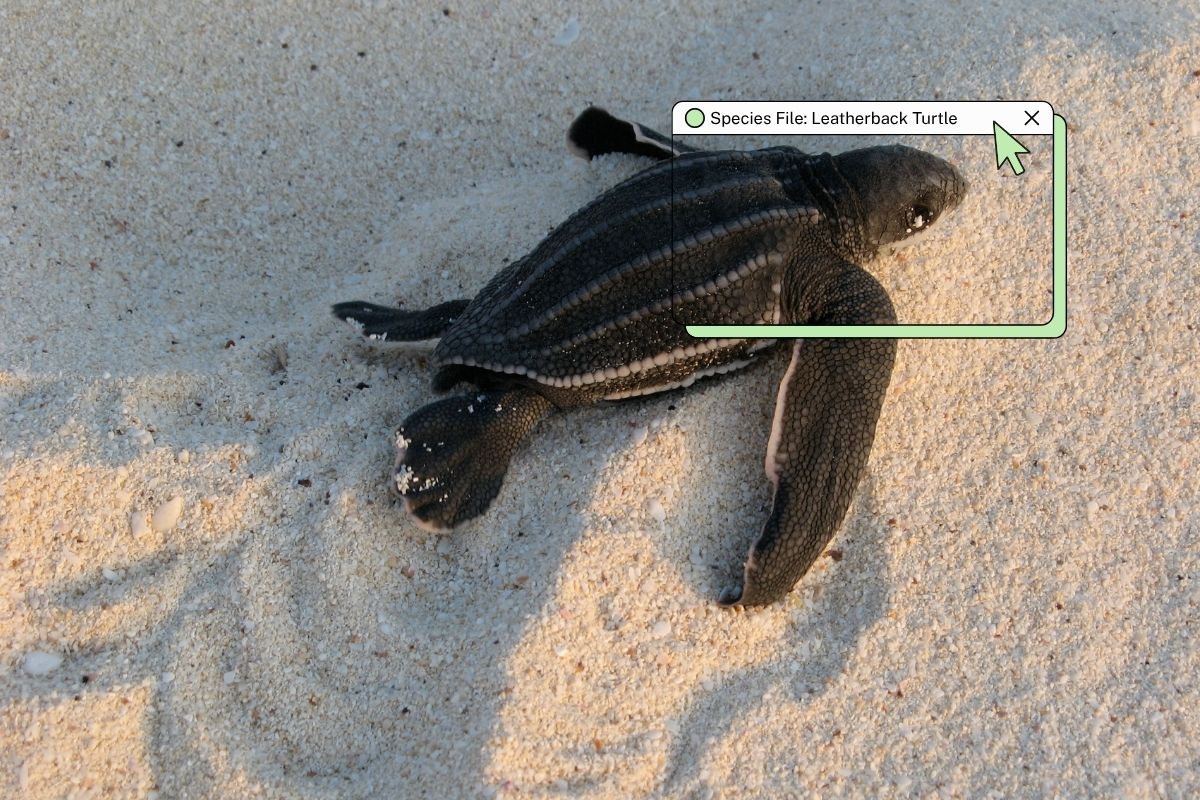
Every winter, a primal ritual unfolds on the shores of Galathea Bay, a remote crescent of sand on the southern tip of Great Nicobar Island. Hundreds of colossal, leathery-shelled reptiles emerge from the dark surf of the Indian Ocean. These are leatherback turtles, titans of the sea that have traversed thousands of kilometers to reach this specific stretch of sand. With laborious effort, they dig deep trenches, deposit their eggs, and meticulously camouflage the nests with sand before retreating into the depths.
In approximately sixty days, the sand begins to stir as hatchlings—no larger than a human palm—scramble toward the horizon. This cycle has persisted for millions of years, surviving ice ages and tectonic shifts. However, this ancient lineage now faces a contemporary threat: an ₹81,000 crore (approximately $10 billion) mega-development project that seeks to transform this pristine ecological sanctuary into a global shipping and logistics hub.
Main Facts: The Biological Marvel of the Leatherback
The leatherback turtle (Dermochelys coriacea) is not merely another sea turtle; it is an evolutionary relic. As the largest of all living turtles and the fourth-heaviest modern reptile (surpassed only by three species of crocodilians), the leatherback is a marvel of biological engineering.
A Unique Anatomy
Unlike its cousins—the Green, Hawksbill, or Olive Ridley turtles—the leatherback lacks a hard, bony shell. Instead, its carapace is composed of a thick, leathery skin embedded with thousands of tiny bone plates, known as osteoderms. This flexible, longitudinal-ridged structure allows the turtle’s body to compress under the immense pressure of the deep ocean. While most sea turtles are confined to relatively shallow coastal waters, the leatherback is a champion diver, capable of descending to depths of 1,000 meters (3,280 feet) in search of prey.
Ecological Guardians
An adult leatherback can grow nearly two meters in length and weigh as much as 1,000 kilograms—roughly the weight of a compact car. Despite their massive size, their diet consists almost exclusively of soft-bodied invertebrates, primarily jellyfish. By consuming hundreds of kilograms of jellyfish daily, leatherbacks play a critical role in maintaining the balance of marine ecosystems. Without them, jellyfish populations could surge, leading to a collapse in fish stocks as jellyfish prey on fish larvae and compete for the same food sources.
Global Migrants, Local Nesters
Leatherbacks are among the most migratory animals on Earth. They are found in every ocean except the Arctic and Antarctic, spending the vast majority of their lives in the open sea. However, their survival is tethered to the land. Female leatherbacks return to tropical and subtropical beaches to nest. While they forage globally, their nesting sites are highly specific. In India, they nest almost exclusively in the Andaman and Nicobar Islands. Galathea Bay on Great Nicobar Island is recognized as the largest and most significant nesting ground for leatherbacks in the northern Indian Ocean.
Chronology: From Sanctuary to Development Hub
The history of Galathea Bay has been a tug-of-war between conservation and strategic development. To understand the current crisis, one must look at the timeline of the island’s environmental and political landscape.
- 1972: The Wildlife (Protection) Act is enacted in India. The leatherback turtle is placed under Schedule I, granting it the highest level of legal protection, equivalent to that of the tiger.
- 1997: Galathea Bay is declared a Wildlife Sanctuary, recognizing its global importance as a nesting site.
- 2004: The Indian Ocean Tsunami strikes. The topography of Great Nicobar is significantly altered, with parts of the coast subsiding. For several years, researchers feared the nesting sites were lost. However, within a decade, the beaches stabilized, and the turtles returned, demonstrating remarkable site fidelity.
- 2021: In a controversial move, the National Board for Wildlife (NBWL) and the Ministry of Environment, Forest and Climate Change (MoEFCC) denotify the Galathea Bay Wildlife Sanctuary to pave the way for the "Holistic Development of Great Nicobar Island" project.
- 2022-2023: Environmental clearances are fast-tracked. The project receives Stage-I forest clearance, involving the diversion of over 130 square kilometers of primary rainforest.
- 2024: Preparations for the construction of the International Trans-shipment Terminal (ICTT) begin, despite outcry from conservationists and indigenous rights groups.
Supporting Data: The Scale of the Project and Its Impact
The "Holistic Development of Great Nicobar Island" is one of India’s most ambitious infrastructure undertakings. Orchestrated by NITI Aayog, the project is framed as a strategic necessity to counter regional geopolitical shifts and tap into the lucrative shipping routes of the Malacca Strait.
Infrastructure Components
The ₹81,000 crore project comprises four primary pillars:
- Galathea Bay Trans-shipment Port: Designed to handle massive container ships, this port will be located directly on the primary leatherback nesting beach.
- Greenfield International Airport: Intended for both military and civilian use, capable of handling large aircraft.
- Power Plant: A dual gas and solar power plant to provide energy for the burgeoning township.
- Township: A planned city intended to house hundreds of thousands of people, including workers and defense personnel.
The Ecological Cost
The environmental price tag of this project is staggering. Estimates suggest that approximately one million trees will be felled in some of the world’s most pristine tropical evergreen forests. This loss of canopy not only destroys the habitat of the endemic Nicobar Megapode and the Shompen tribe but also removes a vital carbon sink.
Furthermore, the leatherback population is already listed as "Vulnerable" globally by the IUCN, with some sub-populations (such as those in the Pacific) listed as "Critically Endangered." In the Indian Ocean, the population has remained relatively stable compared to other regions, but the loss of Galathea Bay could trigger a catastrophic decline.
Anthropogenic Pressures: Beyond Habitat Loss
While the physical destruction of the beach for the port is the most direct threat, the secondary impacts of the development are equally concerning.
Light Pollution
Sea turtles are phototactic. Hatchlings rely on the natural light of the horizon over the ocean to guide them from their nests to the water. Artificial lighting from a massive port, airport, and township will disorient these infants, leading them toward inland hazards, predators, or exhaustion. Similarly, bright lights can deter adult females from emerging to nest in the first place.
Marine Traffic and Bycatch
The construction of a trans-shipment hub will exponentially increase vessel traffic in the waters surrounding Great Nicobar. Leatherbacks, which spend much of their time near the surface, are highly susceptible to boat strikes. Additionally, the increase in commercial fishing activities in the region—often a byproduct of increased port activity—heightens the risk of bycatch, where turtles become entangled in nets or hooked on longlines.
Plastic and Pollution
As a species that feeds on jellyfish, leatherbacks are uniquely vulnerable to plastic pollution. Plastic bags floating in the water are often mistaken for jellyfish. Ingestion leads to intestinal blockages and eventual starvation. A large-scale urban development on a previously uninhabited island will inevitably increase the volume of plastic waste entering the local marine environment.
Official Responses and Legal Safeguards
The Indian government and the project proponents have maintained that the development is essential for national security and economic growth. They argue that the strategic location of Great Nicobar—near the East-West shipping route—is too valuable to ignore.
The "Adequate Safeguards" Argument
In response to petitions challenging the project, the National Green Tribunal (NGT) ruled in favor of the development, citing that "adequate safeguards" would be implemented. The government has proposed a "conservation plan" for the leatherback turtles, which includes:
- Monitoring nesting activities.
- Establishing hatcheries for eggs that may be threatened by construction.
- Implementing "turtle-friendly" lighting systems.
However, many marine biologists remain skeptical. They argue that leatherbacks are notoriously difficult to manage in hatcheries and that the sheer scale of the port—involving dredging and massive concrete structures—will permanently alter the coastal dynamics of Galathea Bay, making it unsuitable for nesting regardless of "mitigation" efforts.
The Legal Protection Paradox
Critics point out the irony of the leatherback’s legal status. While the species is protected under Schedule I of the Wildlife (Protection) Act—the same status given to the Bengal Tiger—the government has exercised its power to denotify the very sanctuary meant to protect it. This raises significant questions about the efficacy of environmental laws when they conflict with large-scale industrial or "strategic" goals.
Implications: A Precarious Future for Biodiversity
The situation in Great Nicobar is a microcosm of the global struggle between economic expansion and environmental preservation. The implications of proceeding with the Galathea Bay project extend far beyond the fate of a single species.
A Loss of Resilience
The 2004 Tsunami proved that natural ecosystems are resilient if left intact. The turtles returned to Galathea because the beach was allowed to reform naturally. A concrete port, however, offers no such resilience. Once the geological and ecological integrity of the bay is compromised, it is likely gone forever.
Global Conservation Credibility
As a signatory to various international environmental treaties, including the Convention on Biological Diversity (CBD), India’s decision to develop its most significant leatherback nesting site sends a conflicting message to the global community. It highlights a trend where "strategic interest" is used as a blanket justification to bypass environmental scrutiny.
The Human Element
The project also threatens the Shompen and Nicobarese tribes, who have lived in harmony with the island’s ecology for millennia. The influx of an estimated 300,000 to 500,000 people to the island will irreversibly alter the social and ecological fabric of this UNESCO Biosphere Reserve.
Conclusion
The leatherback turtles of Galathea Bay are living fossils, a link to a prehistoric world. They have survived mass extinctions and natural disasters, yet they may not survive the arrival of a modern shipping terminal. As construction looms, the question remains: Can a nation achieve "holistic development" if it necessitates the destruction of its most unique natural heritage?
The fate of the leatherback in India now rests on the balance between the roar of industrial machinery and the silent, ancient march of the turtles across the sands of Great Nicobar. The choices made today will determine whether future generations will see these giants of the deep return to their ancestral home, or if Galathea Bay will become just another name in the ledger of lost wilderness.
