

Updated: September 4, 2026, 11:01 AM IST
The inclusion of cricket in multi-sport spectacles like the Asian Games has long been a subject of fervent discussion, balancing the sport’s global expansion ambitions with the stringent demands of elite professional play. As the continent gears up for the 2026 Asian Games in Japan, the familiar echoes of concern over infrastructure, particularly the playing surfaces and athlete accommodation, have resurfaced with renewed intensity. Former India batter and respected cricket analyst Aakash Chopra has ignited a fresh debate, questioning the very relevance and suitability of cricket in an environment he fears may compromise player safety and professional standards.
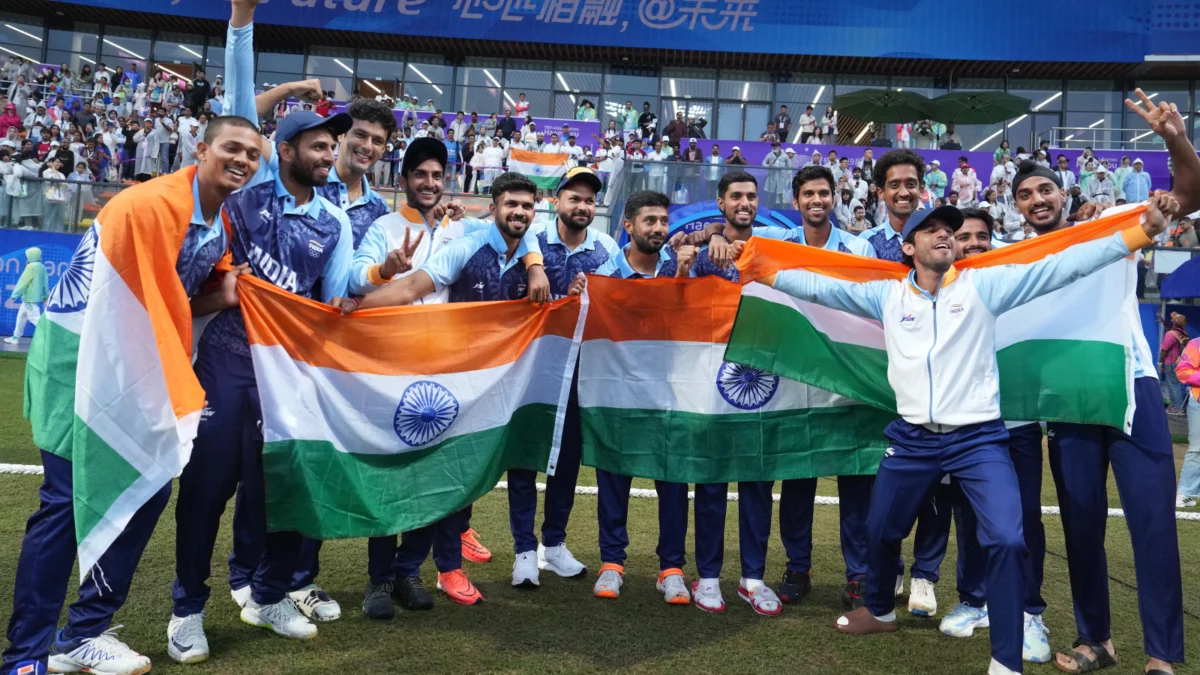
India, the reigning gold medalists in both men’s and women’s cricket from the 2023 Hangzhou Games, stand ready to defend their titles. Yet, the path to glory in Japan is clouded by logistical and infrastructural challenges that could cast a long shadow over the competition, prompting a critical examination of how cricket integrates into multi-sport events not traditionally geared for its unique requirements.
The Core Dilemma: Unprepared Pitches and Player Safety
At the heart of Chopra’s apprehension lies the crucial issue of playing surfaces. Cricket, unlike many other sports, is intrinsically linked to the quality and characteristics of its pitch. A well-prepared pitch offers a fair contest between bat and ball, ensuring consistent bounce and movement. An under-prepared pitch, however, can be unpredictable, dangerous, and detrimental to the spectacle of the game.
"There is a different uproar going on about the Asian Games. We saw it last time as well," Chopra stated, drawing a direct parallel to previous editions. "Whether it’s in China or Japan, these countries have all kinds of top-quality infrastructure, but not for cricket. They also wake up late for cricket. By the time they wake up, they realize that making it is a very difficult job."
The venue for cricket at the forthcoming Asian Games, the Kōrogi Sports Park in Nisshin, is one of Japan’s limited facilities designed to host the sport. However, its history and recent conversion raise significant red flags. Originally a baseball facility, the ground has undergone a rapid transformation, with the critical works on its hybrid pitch square reportedly completed only in late March of this year. This compressed timeline for pitch preparation, especially for a complex hybrid surface, is a major cause for concern among experts.
Chopra’s warning is stark: "They have tried, but we saw last time as well that if a top-flight bowler bowls fast, the pitches aren’t ready at all. They are actually dangerous to play. You feel the safety of your own players is on the line. They prepare the ground but are unable to prepare the square, and no cricket would have been played on it. You shouldn’t be surprised at all if it becomes dangerous." The image of professional athletes facing potential career-threatening injuries on substandard surfaces is a chilling one, underscoring the gravity of the situation.
A Chronicle of Concerns: Cricket’s Uneasy Alliance with Multi-Sport Events
Cricket’s journey into the realm of multi-sport events has been intermittent and often fraught with logistical complexities. Its presence in the Asian Games has been sporadic, featuring only in 2010 (Guangzhou), 2014 (Incheon), and most recently in 2023 (Hangzhou), before its re-inclusion for Japan 2026. This stop-start nature itself hints at the underlying challenges in integrating a sport with such specific infrastructural needs into a broader Olympic-style framework.
The Hangzhou Precedent: A Troubling Prelude
The 2023 Asian Games in Hangzhou, China, served as a recent and potent example of the issues Chopra highlights. While the tournament successfully concluded with India clinching both gold medals, the playing conditions at the Zhejiang University of Technology Cricket Field were a constant talking point. Reports from Hangzhou indicated pitches that were slow, uneven, and offered unpredictable bounce. Matches were often low-scoring affairs, dominated by spin bowlers, and lacked the free-flowing excitement typically associated with T20 cricket. While no major injuries were attributed solely to the pitch, the quality of play was undeniably affected, and players expressed quiet frustrations regarding the challenging surfaces.
This historical context lends considerable weight to Chopra’s current critique. The pattern suggests that host nations, while eager to include a popular sport like cricket to boost viewership and participation, often struggle to meet the sport’s unique infrastructural demands within the tight budgets and timelines of a multi-sport event. The resources and expertise required to cultivate world-class cricket pitches are substantial, involving meticulous preparation, specific soil compositions, and consistent maintenance – a far cry from the hurried conversions or temporary solutions often employed.
The Kōrogi Sports Park Transformation: A Deep Dive
The conversion of the Kōrogi Sports Park from a baseball facility to a cricket ground presents its own set of distinct challenges. Baseball diamonds, with their hard infields and dirt mounds, are fundamentally different from the expansive, flat outfield and meticulously crafted central pitch required for cricket. The ground’s recent completion of its "hybrid pitch square" in late March raises questions about the curing time, compaction, and overall readiness of the surface. Hybrid pitches, which blend natural grass with synthetic fibers, are increasingly common in professional cricket, offering durability and consistency. However, they still require significant time to settle, mature, and be properly seasoned through practice matches before being deemed fit for international competition. A rushed preparation could lead to a surface that is not only inconsistent but, as Chopra warns, potentially dangerous due to uneven bounce or crumbling sections. The absence of prior cricket played on the square further exacerbates concerns, as real-match conditions are the ultimate test of a pitch’s readiness.
Beyond the Boundary: The Accommodation Conundrum and Athlete Welfare
Chopra’s critique extends beyond the playing field to the living conditions provided for the athletes. Professional cricket, particularly at the international level, has established certain standards for player accommodation that prioritize comfort, privacy, and optimal recovery. These standards are often at odds with the typical multi-sport village model, designed to house thousands of athletes from diverse disciplines under one roof.
"The second problem is that there probably isn’t enough realization that cricket is a different kind of sport. The facilities that are required just to perform at the highest level aren’t ready at all," Chopra elaborated. "They say they can’t provide hotels, two people will stay in a room, and that they are using cruise ships or converted containers as hotels. This is not how cricket actually happens."
His observation that "You can call it slightly elitist or classist, as to why it is not right for them when it is right for everyone else. You may have a point, but the truth is that cricket is not played like that. When you go to play cricket around the world, you get a single room to stay. You get your privacy, and you are used to that," highlights a fundamental disconnect. While the concept of an athlete village fostering camaraderie and a communal spirit is laudable for many sports, professional cricketers, accustomed to individual hotel rooms and dedicated support staff on international tours, may find shared accommodations and unconventional lodging (like cruise ships or converted containers) disruptive to their routine, rest, and mental preparation.
The impact of substandard accommodation on athlete performance cannot be understated. Lack of privacy can hinder mental relaxation. Shared rooms can disrupt sleep patterns due to differing schedules or habits. Unfamiliar or cramped living spaces can contribute to stress and fatigue. For a sport like cricket, which demands intense concentration, physical endurance, and strategic thinking over several hours, ensuring optimal rest and a conducive environment for recovery is paramount. These concerns underscore the broader issue of athlete welfare and the need for host nations to genuinely understand and cater to the specific requirements of each sport they include.
Official Responses and Counter-Arguments: Bridging the Divide
In response to similar concerns raised ahead of the 2026 Games, officials from the Japan Cricket Association (JCA) have attempted to reassure stakeholders. A previously linked article quoted a Japan cricket chief promising that "Cricketers will get best accommodation at Asian Games." While such assurances are intended to allay fears, the practicalities of a large-scale multi-sport event often dictate different realities.
The challenge for the JCA and the broader Asian Games Organising Committee lies in reconciling these promises with the logistical constraints. What constitutes "best accommodation" within the framework of an athlete village might differ significantly from a professional cricketer’s expectations. If shared rooms or alternative lodging options are indeed part of the plan, a more detailed explanation of how these arrangements will still ensure player comfort, privacy, and recovery is necessary. Are specific zones or dedicated facilities being allocated for cricket teams? Are there provisions for private spaces for team meetings, physiotherapy, or individual reflection?
Regarding the pitch concerns, official statements from the Organising Committee or the JCA have been less forthcoming in direct response to Chopra’s specific warnings about the Kōrogi Sports Park pitch. However, general commitments to providing world-class facilities are standard. The Olympic Council of Asia (OCA), as the governing body for the Asian Games, plays a crucial role in overseeing these preparations. Their mandate includes ensuring fair and safe competition environments for all participating sports. The OCA’s perspective often balances the ambition of showcasing diverse sports with the practicalities of infrastructure development and cost management in host cities. The inclusion of cricket, despite its challenges, is often seen as a way to boost its profile in the region and align with broader Olympic movement goals of universality.
The International Cricket Council (ICC), while not directly organizing the Asian Games, has a vested interest in the quality and safety of cricket played globally, particularly in events that impact its member nations. The ICC provides guidelines for pitch preparation and player safety in its sanctioned events. While the Asian Games might operate under the OCA’s direct purview, the ICC’s informal influence and advisory capacity could be crucial in ensuring that minimum standards are met. A more proactive stance from the ICC, perhaps through sending pitch experts or offering technical assistance, could help mitigate the risks identified by Chopra. However, the extent of their involvement in a multi-sport event not directly under their umbrella often remains limited to an advisory capacity.
The Broader Canvas: Implications for Cricket’s Future
The concerns voiced by Aakash Chopra carry significant implications, extending far beyond the 2026 Asian Games. They touch upon critical aspects of player welfare, the sport’s global image, and its aspirations for inclusion in future multi-sport mega-events, notably the Olympic Games.
Player Safety: A Non-Negotiable Imperative
The paramount concern remains player safety. A major injury resulting from a dangerous pitch at a high-profile event like the Asian Games could have severe repercussions. It could not only jeopardize a player’s career but also deter top cricketers from participating in future multi-sport events, undermining the credibility and competitive standard of the tournament. Cricket boards, such as the BCCI, which often have to manage player workloads and injury risks, would be even more hesitant to release their star players if safety cannot be guaranteed.
Impact on Cricket’s Global Image and Olympic Dreams
Cricket is currently experiencing a surge in global interest, driven by the T20 format and the successful inclusion in events like the Commonwealth Games and a strong push for the 2028 Los Angeles Olympics. However, if the quality of play and player conditions at regional multi-sport events are compromised due to inadequate infrastructure, it could inadvertently damage cricket’s reputation. Unplayable pitches or uncomfortable living conditions might present a negative image to new audiences and to Olympic committees assessing the sport’s suitability for larger global stages. The argument for cricket’s Olympic inclusion rests heavily on its global appeal, exciting format, and ability to adapt. Persistent infrastructural issues at events like the Asian Games could be perceived as a significant hurdle, raising questions about a host nation’s ability to cater to its demands.
Development of Cricket in Non-Traditional Nations
Japan, while an enthusiastic cricket nation, is still developing its cricketing infrastructure. The inclusion of cricket in the Asian Games offers a unique opportunity to boost the sport’s profile, attract new fans, and potentially secure more funding for grassroots development. However, if the experience is marred by poor facilities, it could have the opposite effect, creating a negative impression and hindering long-term growth. The challenge lies in ensuring that the desire to promote cricket in new territories does not compromise the fundamental standards required for elite competition.
Logistical Headaches for Participating Nations
For teams like India, who will be defending champions, the logistical complexities are immense. Balancing player availability with demanding international schedules, ensuring top players are fresh and fit, and then sending them to an environment with potentially substandard facilities creates significant headaches for team management. The expectation from the players, who represent professional franchises and national teams with state-of-the-art facilities, is that multi-sport events would at least meet a baseline standard of professionalism.
Conclusion: A Call for Elevated Standards and Thoughtful Integration
Aakash Chopra’s impassioned critique serves as a timely and necessary wake-up call. While the aspiration to integrate cricket into multi-sport events is commendable and crucial for its global expansion, this ambition must be tempered by a realistic assessment of infrastructural readiness and an unwavering commitment to player welfare. The 2026 Asian Games in Japan presents another crucial test for this delicate balance.
The concerns about under-prepared pitches at Kōrogi Sports Park and potentially suboptimal athlete accommodation are not mere quibbles; they strike at the core of professional sports integrity and player safety. For cricket to truly flourish within the multi-sport ecosystem, there must be a greater understanding from host nations about its specific demands, coupled with a genuine investment in creating environments that match the professional standards players are accustomed to.
As the 12 nations prepare to compete for gold between September 17 and October 3, the cricketing world will be watching closely. The hope is that the action on the field will be remembered for its thrilling contests, not for the challenges posed by its environment. Ultimately, the success of cricket’s inclusion in events like the Asian Games hinges on a collaborative effort between event organizers, host nations, and cricketing bodies to ensure that the pursuit of broader visibility does not come at the cost of player well-being and the sport’s intrinsic quality. Only then can cricket truly carve out a respected and permanent niche in the grand tapestry of multi-sport spectacles.
