

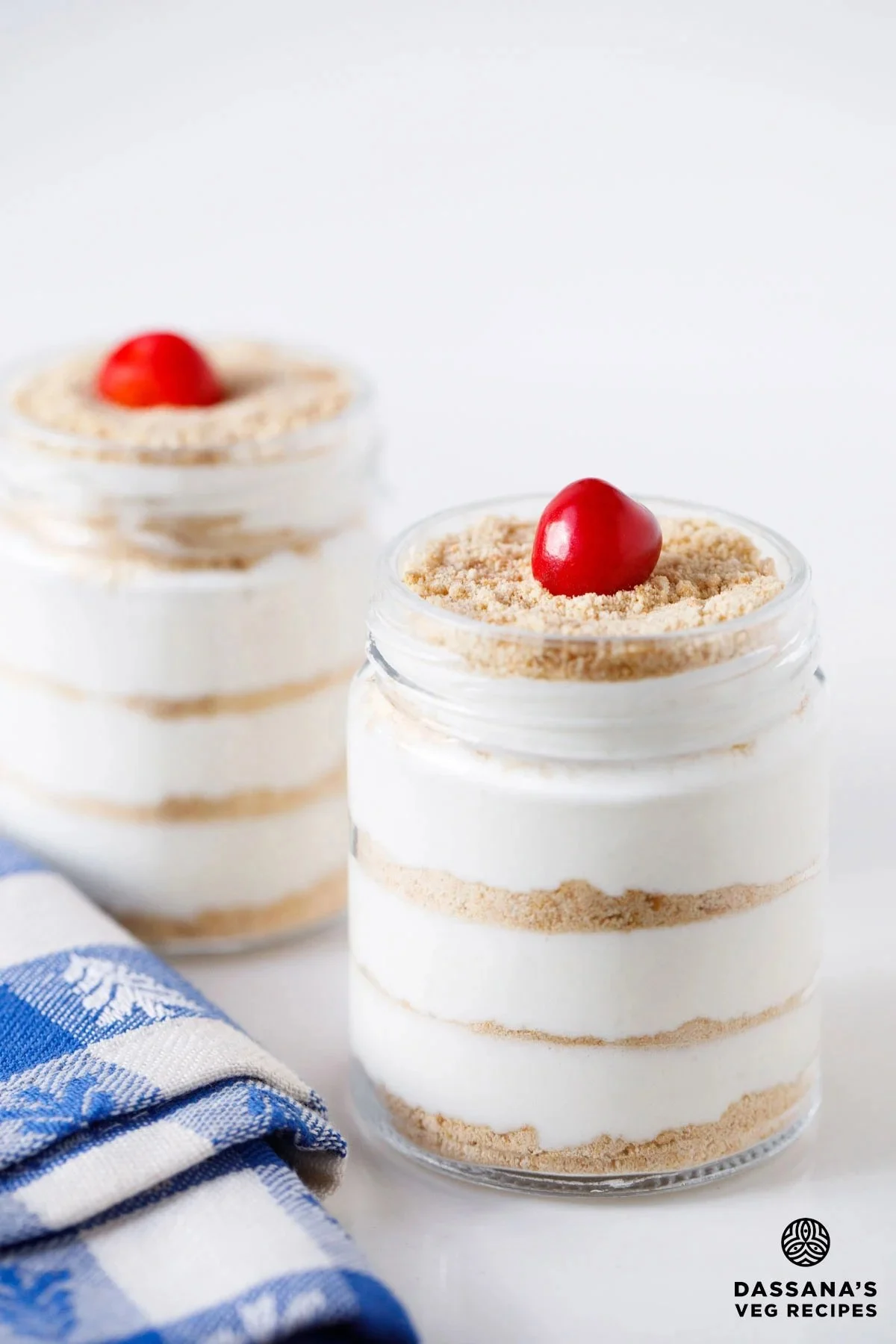
In the pantheon of global desserts, few items achieve the paradoxical status of being both humble and high-end. Serradura, a classic Portuguese-style chilled pudding, stands as a testament to the power of culinary minimalism. Known colloquially as "Portuguese Sawdust Pudding," this no-bake delicacy has transcended its colonial origins to become a beloved staple in the gastronomic landscapes of Macau, Goa, and beyond. As modern home cooks increasingly pivot toward "clean label" recipes and simplified techniques, the three-ingredient Serradura is experiencing a significant resurgence in the digital culinary world.
Main Facts: The Anatomy of a Three-Ingredient Masterpiece
Serradura is defined by its architectural simplicity. At its core, the dessert consists of alternating layers of sweetened, whipped heavy cream and finely pulverized tea biscuits. The name "Serradura" is the Portuguese word for "sawdust," an evocative description of the biscuit crumbs’ texture, which must be ground to a fine, sandy consistency to achieve the desired mouthfeel.

The dessert’s appeal lies in its textural contrast. When properly prepared and chilled, the biscuit layers absorb a marginal amount of moisture from the cream, softening slightly while retaining a distinct grain. Meanwhile, the cream—enriched with sweetened condensed milk—provides a velvety, aerated counterpoint.
The Essential Components
To achieve the professional-grade results seen in high-end Macanese cafes, the recipe relies on specific chemical properties of its ingredients:

- Marie Biscuits: These semi-sweet, vanilla-flavored tea biscuits are the industry standard for Serradura. Their low moisture content and fine crumb structure allow them to be pulverized into the signature "sawdust" without becoming greasy.
- Heavy Whipping Cream: Culinary experts emphasize the use of cream with a minimum of 35% milk fat. This ensures the structural integrity of the peaks and a stable emulsion that does not weep during the refrigeration process.
- Sweetened Condensed Milk: This ingredient acts as both the sweetener and a stabilizing agent, providing a dense, milky richness that granulated sugar cannot replicate.
Chronology: From the Atlantic to the Pearl River Delta
The history of Serradura is a chronicle of maritime exploration and cultural synthesis. To understand the dessert’s current status, one must trace its journey through the Lusophone (Portuguese-speaking) world.
The Portuguese Origins
While the exact date of the first Serradura remains a matter of debate among food historians, it emerged as a domestic staple in Portugal during the early 20th century. It was born from the "pobre" (poor) cooking tradition, utilizing shelf-stable biscuits and dairy to create something that mimicked the elegance of French mousses without the need for complex tempering or baking.

The Macanese Golden Age
The dessert reached its cultural zenith in Macau, a former Portuguese territory. Here, Serradura was adopted by the local population and refined in the kitchens of grand hotels and street-side "pastelerias." It became so synonymous with Macanese identity that it is now considered one of the region’s "must-eat" dishes, alongside the iconic egg tart.
The Goan Integration
Following the same colonial routes, Serradura traveled to the Indian state of Goa. In the post-colonial era, the dessert transitioned from a colonial relic to a local favorite. Today, it is a fixture on the menus of Goan beach shacks and upscale restaurants alike, often served as a cooling palate cleanser after spicy Xacuti or Vindaloo.

The Digital Resurgence (2020–Present)
In the last five years, Serradura has seen a global spike in interest driven by social media platforms like TikTok and Instagram. The "no-bake" trend, accelerated by global lockdowns, turned the spotlight on Serradura as an accessible entry point for novice bakers who desired "aesthetic" results with minimal equipment.
Supporting Data: The Science of the Set
The success of a Serradura is not merely a matter of assembly; it is a matter of physics. According to nutritional and culinary data, the stability of the dessert depends on the "chilling window."

Structural Integrity Data:
- Whipping Threshold: Cream must be whipped to "medium-stiff peaks." If whipped to soft peaks, the biscuit layers will sink, destroying the visual stratification. If over-whipped into stiff peaks, the cream becomes grainy, losing its luxurious mouthfeel.
- Thermal Regulation: The cream and the mixing bowl must be chilled to approximately 4°C (40°F) before whipping. This facilitates the formation of a stable fat-globule network that traps air.
- Hydration Period: A minimum of 4 to 5 hours of refrigeration is required. During this time, the "sawdust" undergoes a partial hydration process. Analysis shows that the biscuits absorb roughly 12% of their weight in moisture from the cream, reaching a state known in patisserie as "cake-crumb equilibrium."
Nutritional Profile (Per Serving):
A standard serving of Serradura is calorie-dense, reflecting its rich ingredient list.

- Calories: 508 kcal
- Total Fat: 34g (Saturated Fat: 20g)
- Carbohydrates: 46g
- Protein: 7g
- Sugar: 27g
- Micronutrients: Significant levels of Calcium (163mg) and Vitamin A (1190 IU) due to the high dairy content.
Official Responses: Expert Insights
To gain a deeper understanding of Serradura’s enduring popularity, we consulted culinary professionals and food anthropologists.
Chef Dassana Amit, Culinary Expert:
"The beauty of Serradura is its forgiveness. While it requires precision in the whipping of the cream, it is one of the few desserts where the home cook can achieve a result that looks identical to a professional pastry chef’s work. My recommendation is always to balance the sweetness. Because condensed milk is so potent, the Marie biscuit provides a necessary neutral base. It is a dialogue between sugar and fat."

Dr. Helena Silva, Food Historian:
"Serradura represents the ‘Global South’s’ ability to take European ingredients—like the British-origin Marie biscuit—and recontextualize them through a Portuguese lens. It is a democratic dessert. It doesn’t require an oven, which historically made it accessible to households without expensive appliances. Its ‘official’ status in Macau and Goa today is a celebration of that shared history."
Industry Perspective (Dairy Manufacturers):
Spokespersons for major dairy cooperatives have noted a consistent seasonal uptick in heavy cream and condensed milk sales in regions where Serradura is popular. "We see a distinct correlation between the holiday season and the demand for high-fat cream, particularly in Asian and Indian markets where chilled, no-bake puddings are preferred for large family gatherings," a market analyst noted.

Implications: The Future of Minimalist Desserts
The continued popularity of Serradura has several implications for the future of the food industry and home cooking.
1. The Death of the "Complex" Dessert
Serradura is part of a broader movement away from labor-intensive, multi-step baking. As consumers face "time poverty," recipes that offer a high "visual ROI" (Return on Investment) for low effort will continue to dominate search engine results. Serradura’s ability to be made a day in advance makes it a strategic choice for the modern host.

2. Cross-Cultural Fusion
While the traditional recipe uses Marie biscuits, we are seeing the emergence of "Serradura 2.0." Innovations include:
- Flavor Infusions: Adding matcha powder, espresso shots, or rose water to the cream.
- Biscuit Substitutions: Using Biscoff (speculoos) cookies or chocolate Oreos to create a modern flavor profile.
- Health-Conscious Iterations: The development of vegan Serradura using coconut cream and condensed coconut milk, catering to the growing plant-based demographic.
3. Sustainability and Waste Reduction
Because Serradura uses simple, long-life ingredients (condensed milk and biscuits), it aligns with a sustainable kitchen ethos. It minimizes food waste by utilizing pantry staples that do not spoil quickly, unlike fresh fruit-based desserts or temperamental custards that require fresh eggs.

Conclusion
Serradura is more than just a "sawdust pudding." It is a culinary relic that has successfully navigated the transition from colonial kitchens to the digital age. By relying on just three ingredients—cream, milk, and biscuits—it proves that complexity is not a prerequisite for excellence. Whether enjoyed in a glass jar in a Macanese alleyway or prepared in a suburban kitchen for a dinner party, Serradura remains a masterclass in the art of the simple set. As we look toward future food trends, the "sawdust" of the past seems set to remain a foundational element of the global dessert menu.
