

The landscape of urban development in central India is undergoing a seismic shift, driven largely by the modernization of state-led housing initiatives. At the forefront of this transformation is the Madhya Pradesh Housing & Infrastructure Development Board (MPHIDB), formerly known simply as the MP Housing Board. Tasked with the monumental mission of providing high-quality, affordable residential solutions, the MPHIDB has transitioned from a traditional construction agency into a digitally-driven infrastructure powerhouse.
Under the leadership of Chairman Om Jain, who assumed his role in May 2026, the board has prioritized transparency, ease of access, and the rapid deployment of housing schemes tailored to the diverse socio-economic fabric of Madhya Pradesh. This report provides an exhaustive analysis of the board’s operations, digital services, current housing projects, and the broader implications for the state’s real estate sector.
1. Main Facts: The Mandate of MPHIDB
The MPHIDB serves as the official nodal agency for housing development in Madhya Pradesh. Its primary objective is to bridge the gap between the demand for quality housing and the supply of affordable residential units. Unlike private developers, the MPHIDB operates with a social mandate, ensuring that even the economically weaker sections (EWS) and lower-income groups (LIG) have access to secure housing.
Key Responsibilities:
- Residential Colony Development: Planning and constructing integrated townships that include roads, parks, and essential utilities.
- Affordable Housing: Executing schemes under state and central initiatives like the Pradhan Mantri Awas Yojana (PMAY).
- Infrastructure Projects: Beyond housing, the board is increasingly involved in developing commercial complexes and public infrastructure.
- Digital Governance: Maintaining a robust online portal to facilitate registrations, payments, and e-tendering.
The board’s current focus remains on "Housing for All," a goal supported by the rollout of several high-profile schemes in major urban centers like Bhopal, Indore, Jabalpur, and Gwalior.
2. Chronology: The Digital Evolution of MP Housing
The journey of the MP Housing Board has been marked by a significant shift toward e-governance. Historically, allottees and applicants had to navigate complex bureaucratic channels and physical offices to secure property.
- Pre-2020 Era: Operations were largely manual, involving physical forms, long queues for payment, and a lack of real-time tracking for housing applications.
- The Transition (2020–2025): The board rebranded as MPHIDB, reflecting an expanded focus on infrastructure. Initial digital forays included basic information websites.
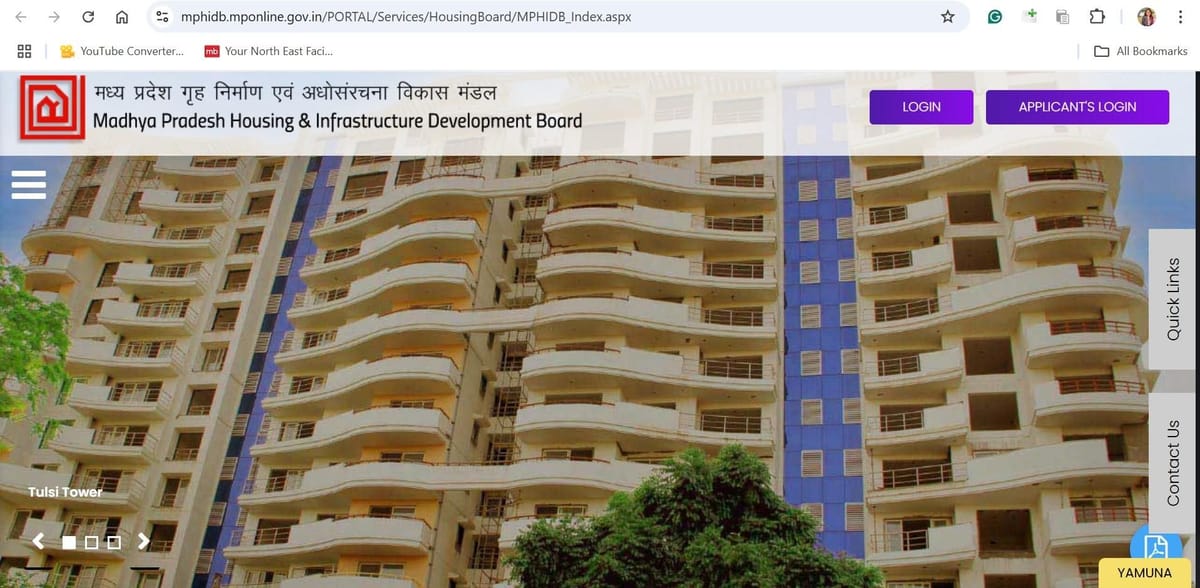
- The Modern Era (2026 and Beyond): Under Chairman Om Jain, the board launched a sophisticated, integrated portal (
mphidb.mponline.gov.in). This portal centralizes everything from registration to the final issuance of transfer certificates.
This chronology reflects a broader state-wide push toward "Digital Madhya Pradesh," aimed at reducing corruption and increasing the speed of service delivery.
3. Supporting Data: Navigating the Online Ecosystem
The MPHIDB portal is the cornerstone of its modern operations. It is designed to be a one-stop-shop for both prospective buyers and existing allottees.
A. New User Registration: A Step-by-Step Breakdown
To democratize access, the MPHIDB has simplified the registration process. Any citizen of India (subject to specific scheme eligibility) can create a profile.
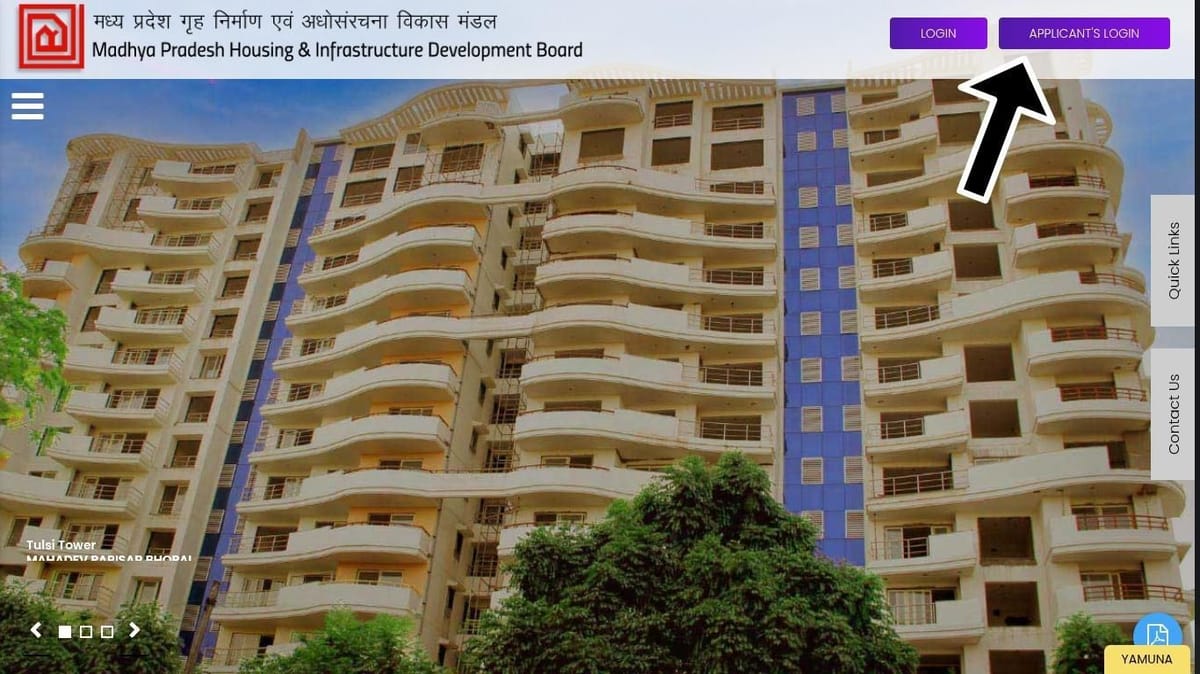
- Access: Users navigate to the official MPHIDB portal.
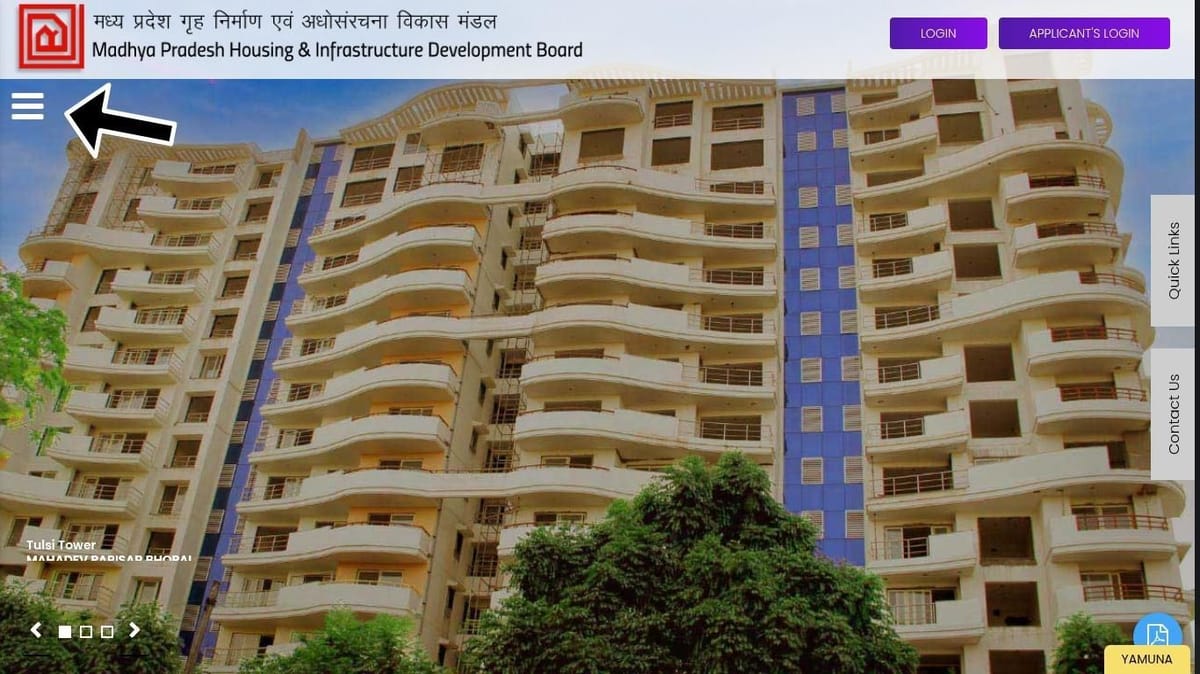
- Profile Creation: By selecting the "Applicant’s Login" and clicking "Create Profile," users enter a gateway for all future transactions.
- Data Entry: The system requires essential details including Name, Date of Birth, Allottee Number (if applicable), Mobile Number, and Email ID.
- Property Interest: Applicants can specify the type of property they are interested in, allowing the board to tailor future notifications.
B. Applying for Housing Schemes
The application process is designed to be intuitive, featuring an "Auto-fill" option that pulls data from the user’s registered profile to save time.
- Filtering Options: The portal allows users to filter schemes by city and budget, ensuring they only see relevant listings.
- Documentation: During the application, users must provide ID proofs, PAN card details, income certificates, and domicile status.
- Payment Integration: The portal supports multiple payment gateways for application fees, ensuring that the entire process—from selection to payment—is paperless.
C. Financial Support and Relief: The OTS Scheme
A critical data point for current allottees is the One Time Settlement (OTS) scheme. Recognizing the financial burden of accumulated lease rent penalties, the board has offered a waiver of 50% to 75% on penalties for those who settle their outstanding principal in a single payment. This deadline, originally set for early 2026, has been extended to October 31, 2026, providing a significant financial lifeline to thousands of residents.
4. Current Projects and Housing Statistics
As of late 2026, the MPHIDB has focused on high-density urban extensions. While schemes open and close based on demand, two recent flagship projects highlight the board’s current direction:
- Surmya Parisar-2 (Bhopal): Located in the Ayodhya Extension, this project featured 142 flats. Pricing started at ₹43.91 lakh, targeting the middle-income segment. The application window for this project closed in March 2026, seeing an oversubscription that underscores the high demand for board-developed properties.
- Khajuri Duplex/Triplex Scheme: Targeting a more premium segment within the affordable bracket, this Bhopal-based project offered units priced between ₹79.58 lakh and ₹101.62 lakh. This move indicates the board’s expansion into varied housing formats beyond standard apartment blocks.
Property Transfer Procedures
One of the most complex administrative tasks—the transfer of property—has been streamlined into a 50-day window. The process involves:
- Joint Affidavits: Both buyer and seller must submit a unified application.
- Physical Inspection: The Estate Manager or Assistant Estate Manager conducts a site visit to verify the property’s condition and occupancy.
- Public Objection Period: The department uploads an advertisement to invite objections, ensuring the title is clear and undisputed.
- Certification: Once fees are settled and objections cleared, a digital certificate of transfer is generated.
5. Official Responses: The Governance Philosophy
The MPHIDB administration, through various circulars and public statements, has emphasized a "Citizen-First" philosophy. While official responses to specific grievances are handled through a dedicated customer care line (0755-6720200), the board’s general stance focuses on three pillars:
- Transparency: By moving to an e-tender and online registration system, the board has significantly reduced the influence of middlemen, ensuring that allotments are made on a merit-based or lottery-based system without external interference.
- Accountability: The dedicated dashboard for allottees allows individuals to track their payment history and property status in real-time, holding the board accountable for any delays in service.
- Sustainability: Newer schemes are being planned with "Building Bye-Laws" in mind, incorporating rainwater harvesting, green spaces, and energy-efficient designs.
Chairman Om Jain has noted in recent briefings that the board’s goal is not just to build houses, but to create "vibrant ecosystems" where residents have access to both modern amenities and essential services.
6. Implications for Madhya Pradesh’s Future
The evolution of the MPHIDB has far-reaching implications for the state’s socio-economic landscape:
Real Estate Market Stabilization
By providing quality housing at regulated prices, the MPHIDB acts as a check on the private real estate market. It prevents artificial price bloating in developing areas, making homeownership a reality for a larger segment of the population.
Urban Planning and Decentralization
The board’s focus on "extensions" (like the Ayodhya Extension in Bhopal) helps in decentralizing congested city centers. By developing self-sufficient colonies on the outskirts, the MPHIDB is effectively managing the urban sprawl of cities like Indore and Bhopal.
Socio-Economic Upliftment
Housing is a primary wealth-building tool. By facilitating easier property transfers and offering penalty waivers (OTS), the MPHIDB is helping citizens secure their financial futures and maintain the value of their assets.
The "Digital Divide" Challenge
While the online portal is a leap forward, it presents a challenge for those not tech-savvy. The board has addressed this by maintaining physical "Development Offices" and a robust customer care center to assist applicants who may struggle with the digital interface.
Conclusion: A Vision for 2027 and Beyond
The Madhya Pradesh Housing & Infrastructure Development Board has successfully navigated the complexities of modernization. From its administrative headquarters in Arera Hills, Bhopal, it is orchestrating a state-wide movement toward organized, affordable, and transparent urban living.
As the October 31, 2026, deadline for the OTS scheme approaches and new schemes are prepared for 2027, the MPHIDB remains a pivotal institution. Its ability to balance commercial viability with social responsibility will be the defining factor in Madhya Pradesh’s journey toward becoming a leader in urban infrastructure. For the citizens of MP, the message is clear: the dream of owning a home is no longer tethered to bureaucratic red tape, but is now just a few clicks away.
Contact Information for Citizens:
- Corporate Office: Office Block O B-14 to 17, 4th Floor, DB City Corporate Park, Arera Hills, Bhopal.
- Customer Care: 0755-6720200 (8:00 AM to 8:00 PM).
- Official Portal: https://mphidb.mponline.gov.in
Disclaimer: Information regarding scheme availability and board leadership is based on current records as of 2026 and is subject to administrative updates.
