

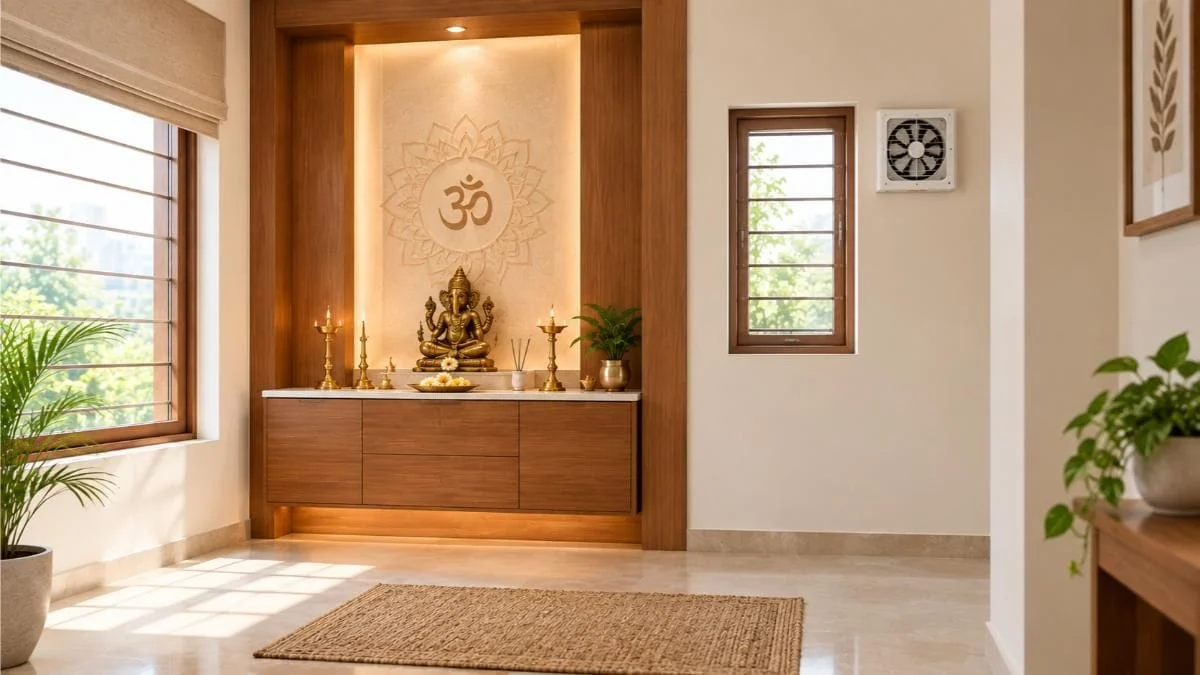
The pooja room, or mandir, serves as the spiritual epicenter of the Indian household. It is a space where the ephemeral meets the material, and where the hustle of daily life gives way to a profound sense of tranquility. In the contemporary architectural landscape, the design of a pooja room has evolved from a mere functional corner to a sophisticated expression of personal faith and interior aesthetics. As homeowners increasingly seek a confluence of traditional Vastu principles and modern design sensibilities, the demand for innovative, high-quality pooja room solutions has reached an all-time high.
This report explores the multifaceted world of pooja room design, analyzing materials, lighting, spatial planning, and the ancient science of Vastu Shastra to provide a definitive guide for creating a sacred sanctuary within the home.
1. The Core Philosophy: Integrating Divinity with Design
Designing a pooja room is not merely about placing an idol on a pedestal; it is about creating an environment that fosters positive energy, or Prana. According to interior design experts and spiritual consultants, the efficacy of a prayer space is determined by its "ambiance"—a delicate balance of color, texture, light, and sound.
For the right atmosphere, the materials used for the décor must blend seamlessly with the home’s overall theme. Whether a residence is a sprawling bungalow or a compact urban apartment, the pooja room should feel like a natural extension of the living space while maintaining its own distinct, sanctified identity.
2. Material Science: From Timeless Marble to Modern Glass
The choice of material defines the longevity and the "vibe" of the pooja space. Each material carries its own symbolic and practical weight.
A. The Elegance of White Marble
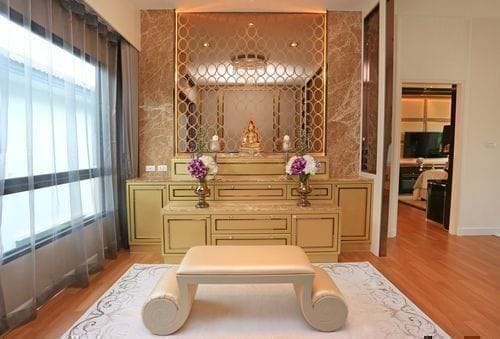
White marble remains the premier choice for luxury pooja rooms. Its association with purity and its cooling properties make it ideal for a space dedicated to meditation and prayer.
- Aesthetic Value: Marble lends an air of richness and sophistication. In larger homes, an entire room lined with Makrana or Carrara marble creates a temple-like experience.
- Practicality: One of the most significant advantages of marble is its durability and resistance to biological threats like termites.
- Compact Solutions: For smaller homes, a floor-standing marble pedestal or a wall-mounted marble shelf provides the same sense of grandeur without requiring extensive square footage.
B. The Warmth of Wood and Plywood
Wood is synonymous with traditional Indian architecture. It evokes an earthy, "old-world" charm reminiscent of centuries-old heritage temples.
- Solid Wood: Hand-carved teak or rosewood fittings offer a vintage look. Detailed carvings of deities or floral motifs on wooden doors can transform a simple room into a masterpiece.
- Plywood Alternatives: For those seeking a budget-friendly option, high-quality plywood with a veneer finish can replicate the look of solid wood. When paired with floral wallpapers and focused spotlights, plywood units can appear remarkably high-end, though they require more careful maintenance to protect against heat and oil from diyas.
C. The Modernity of Glass and Ceramic
In contemporary design, glass and ceramic are used to create a sense of openness.
- Stained Glass: Incorporating stained glass into windows or door panels allows sunlight to filter through in a kaleidoscope of colors, creating a divine "glow" within the room.
- Ceramic Tiles: For ease of maintenance, ceramic or vitrified tiles are unmatched. Subtle pastel shades or printed tiles with traditional motifs can be used for backdrops. Tiles are particularly useful for cleaning soot and oil spills, requiring only a simple wipe-down.
3. The Science of Vastu: Placement and Direction
No pooja room design is complete without adhering to the principles of Vastu Shastra, the ancient Indian science of architecture. Vastu dictates that the placement of the pooja room significantly impacts the flow of prosperity and peace within the home.
The "Ishaan Kone" (Northeast)
The Northeast corner of the house, known as the Ishaan Kone, is considered the most auspicious spot. It is believed to be the point where the highest concentration of positive energy enters the home. If the Northeast is unavailable, North and East are considered the most effective secondary options.
Key Prohibitions in Vastu
Experts suggest several "red zones" to avoid when placing a pooja unit:
- Under a Staircase: This is often seen as "pressing down" on the divine energy and is considered inauspicious.
- Near Bathrooms: Sharing a wall with a toilet or placing the pooja room directly above or below a bathroom is strictly discouraged due to the conflict between "pure" and "waste" energies.
- The Bedroom: While sometimes necessary in small apartments, placing a pooja unit in the bedroom is generally avoided to maintain the sanctity of the space.
The Eye-Level Rule
A critical technical detail often overlooked is the height of the idols. Vastu practitioners suggest that the idols should be placed at a height that aligns with the devotee’s chest or eyes when they are sitting or standing to pray. Idols should never be placed directly on the floor or tucked away too high near the ceiling.
4. Illuminating the Sacred: The Role of Lighting
Lighting in a pooja room serves two purposes: functionality for rituals and the creation of a meditative mood.
- Ambient Lighting: Since most pooja rooms are small, soft golden lights are preferred over harsh white LEDs. Warm tones mimic the glow of traditional brass diyas and oil lamps.
- Accent Lighting: Spotlights can be used to accentuate the deities, drawing the focus of the devotee toward the center of the room.
- Natural Light and Ventilation: This is perhaps the most critical practical aspect. Daily rituals involving incense sticks (agarbattis) and lamps produce smoke and soot. Proper ventilation—via a small window or an exhaust fan—is essential to prevent carbon buildup on the walls and to ensure the air remains fresh for meditation.
5. Modern Spatial Solutions: Jaalis and Partitions
As urban living spaces shrink, the "dedicated pooja room" is becoming a luxury. However, design innovation has provided a solution: the Jaali or decorative screen.
For homes without a separate room, a spiritual nook can be created in the living or dining area using a frosted glass partition or a CNC-cut wooden jaali. These screens delineate the sacred space without blocking light or making the house feel cramped. When backlit, these screens cast intricate shadows, adding a layer of visual depth and mystery to the home’s interior.
6. Accessories and Minimalism: The Clutter-Free Sanctuary
A common mistake in pooja room décor is overcrowding the space with too many idols, frames, and ritualistic objects. Modern design trends lean heavily toward minimalism.

- Brass Elements: Brass is the preferred metal for accessories. Hanging bells, traditional lamps, and kalashas (pots) provide a timeless aesthetic that complements both marble and wood.
- Symbolic Inlays: Incorporating symbols like the ‘Om’ or ‘Swastika’ into the design can be done subtly. These can be embossed on backlit glass panels or laser-cut into wooden doors.
- Storage Management: To maintain a clutter-free environment, hidden storage is essential. Small wooden cabinets or drawers at the base of the pooja unit can house prayer books, cotton wicks, and oil, keeping the main altar pristine.
7. Official Perspectives and Expert Advice
Interior designers emphasize that the pooja room should reflect the homeowner’s personality. While Vastu provides the framework, the aesthetic choices should be personal.
"We are seeing a shift from heavy, ornate designs to ‘Zen-like’ pooja spaces," says a leading Mumbai-based interior architect. "People want a space that feels light and airy. They are moving away from dark woods to light oaks and white marbles, focusing more on the ‘experience’ of the space rather than just the decoration."
Furthermore, Vastu consultants remind homeowners that the condition of the idols is paramount. Idols must be blemish-free and proportionate to the size of the room. Placing multiple idols of the same deity is generally discouraged as it can create a fragmented focus.
8. Implications: The Impact of a Well-Designed Pooja Space
The implications of a well-designed pooja room extend beyond mere aesthetics. Psychologically, a dedicated space for quiet reflection and prayer can significantly reduce stress and improve mental well-being for the inhabitants of the house. From a real estate perspective, a beautifully crafted and Vastu-compliant pooja room is often a major selling point in the Indian market, adding intangible value to the property.
9. Conclusion: Summing Up the Sacred Design
The evolution of pooja room designs reflects the changing lifestyle of the modern Indian family. From the grandeur of white marble to the sleek efficiency of glass and jaalis, the options are vast and varied. However, the core essence remains unchanged: the pooja room must be a place of peace, purity, and positive energy.
By combining the right materials, adhering to Vastu directions, ensuring proper ventilation, and choosing a soothing color palette, any homeowner can create a spiritual sanctuary that stands as the heart of their home. Whether you choose the earthy charm of wood or the modern elegance of ceramic, the key is to create a space that resonates with your personal sense of devotion.
Disclaimer: This guide is intended for informational purposes. While it incorporates industry standards and traditional practices, homeowners are encouraged to consult with professional designers and Vastu experts for specific structural changes to their residences.
