

New Delhi | September 16, 2026, 11:00 PM IST
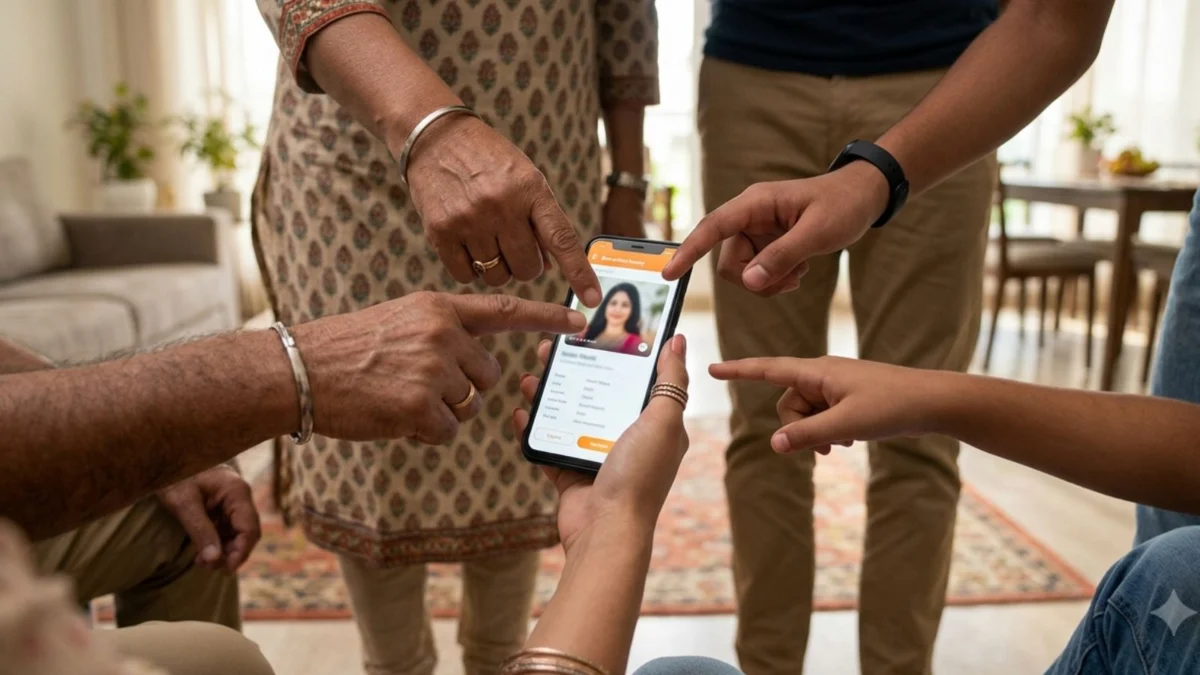
In a significant evolution of traditional Indian matchmaking, a new paradigm is emerging where prospective couples and their parents are increasingly joining forces to navigate the complex journey of finding a life partner. This "co-piloted" approach, facilitated by modern matrimonial and dating applications, signals a nuanced shift away from strictly parent-led arrangements and purely individualistic romantic pursuits. Instead, it reflects a growing trend of shared decision-making, blending the wisdom and experience of elders with the autonomy and aspirations of the younger generation.
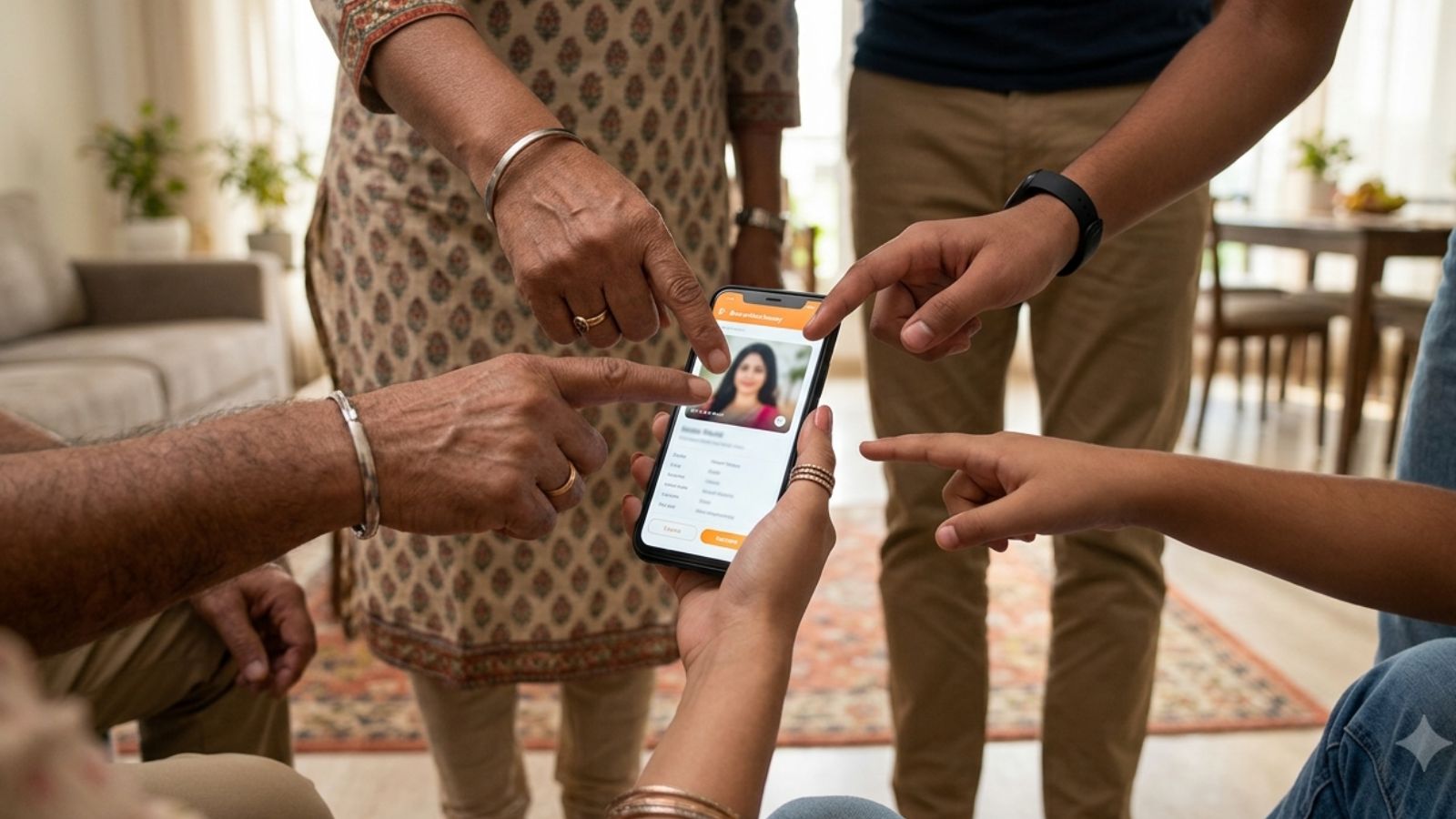
For decades, the narrative surrounding Indian marriages was largely bifurcated: either a love marriage, driven by individual choice, or an arranged marriage, orchestrated by families. However, the digital age has ushered in a more fluid and collaborative model. Matrimonial platforms are now witnessing a surge in joint profiles, where both parents and their adult children actively participate in swiping, chatting, and shortlisting potential matches. This collaborative effort is not born out of parental imposition or reluctant acquiescence, but rather a mutual understanding that this shared approach offers distinct advantages to both generations.
Experts observe this phenomenon as a fascinating interplay between modern freedoms and enduring familial bonds. While today’s young adults enjoy greater liberty in partner selection, their deep emotional and practical ties to their families remain a powerful influence. This has paved the way for parents to transition from being the primary decision-makers to becoming trusted advisors and partners in the process, offering guidance and support without usurping the ultimate choice.
The Digital Catalyst: Shifting Dynamics in Profile Management
The digital revolution has been a primary driver of this evolving matrimonial landscape. Anirban Banerjee, interim CEO of Flutrr, a prominent matrimonial platform, highlights a significant demographic shift. "On major matrimonial platforms, the share of profiles created and managed by the individual themselves has climbed sharply over the past decade, while parent-managed profiles have fallen by a similar margin," Banerjee states. "This is not a small shift. It marks a change in who does the searching."
This trend, however, does not signify a complete disengagement of families. Banerjee elaborates, "At the same time, a majority of users, a large share of whom are women, still say that having their family involved makes the process feel less stressful, not more controlling." This duality is crucial to understanding the modern Indian approach to marriage. It’s no longer a stark dichotomy between "independent" versus "arranged" but a spectrum where individual agency is complemented by familial support.
The data clearly indicates a move towards a process where the individual initiates and leads the search, with the family acting as a crucial support system rather than the primary orchestrator. This trend directly correlates with the decline of the strictly arranged marriage model, where a child had minimal or no input.
The Rise of the "Joint Arranged Marriage": A Hybrid Approach
Surveys tracking matrimonial trends over several years reveal a consistent decline in fully parent-directed matches. In their place, a hybrid model, often termed "joint arranged marriage," has emerged as the dominant force. "Surveys tracking this over the past several years show that fully parent-directed matches have dropped meaningfully, while a hybrid model, often called joint arranged marriage, now accounts for the largest share of unions," Anirban explains.
In this contemporary framework, the prospective bride or groom takes the lead in searching, filtering, and engaging in initial conversations with potential partners. Only after establishing a degree of personal connection and comfort do they present a shortlisted match to their family for review and discussion. This distinction is paramount, as it redefines the parents’ role. They are no longer the ultimate arbiters of who is "right," but rather are entrusted with conducting due diligence on a decision that has already been emotionally vetted by their child. This shift empowers the younger generation while still valuing the invaluable experience and perspective of their parents.
Why Both Generations Embrace "Co-Piloting"
The phenomenon of parents and adult children becoming "co-pilots" in the journey to find a life partner is driven by a confluence of factors that benefit both parties. Dr. Chandni Tugnait, a psychotherapist at Gateway of Healing, views this collaborative approach as a testament to the evolving nature of relationships. "Co-piloting doesn’t mean young Indians have lost autonomy," she asserts. "It means both generations found a version of dating that shares the risk and the decision fatigue, instead of leaving either person to carry all of it alone."
Several key reasons contribute to this intergenerational partnership:
- Shared Decision Fatigue: The process of searching for a life partner can be emotionally taxing and time-consuming. By sharing the burden, both the individual and their parents can alleviate the stress and mental load associated with sifting through numerous profiles and engaging in multiple conversations.
- Risk Mitigation: Marriage is a significant life decision with profound implications. A joint approach allows for a broader perspective and a shared sense of responsibility, potentially mitigating the risks associated with a solitary decision. Parents, with their life experience, can identify potential red flags or compatibility issues that the younger generation might overlook.
- Emotional and Practical Support: For many young adults, especially women, having their family involved provides a crucial layer of emotional reassurance and practical assistance. This support can range from offering advice on navigating social cues to providing insights into the potential partner’s family background and values.
- Bridging Generational Gaps: In an era of rapid social change, parents may have different perspectives on partnership dynamics and societal expectations than their children. The co-piloted approach provides a structured platform for open dialogue, allowing both generations to understand and appreciate each other’s viewpoints, fostering greater harmony in the decision-making process.
- Leveraging Diverse Skillsets: Younger generations are adept at navigating digital platforms and understanding modern dating nuances. Parents, on the other hand, bring invaluable experience in assessing long-term compatibility, family dynamics, and societal integration. This synergy of skills can lead to a more comprehensive and effective search.
- Maintaining Familial Connection: For many Indian families, marriage is not just a union of two individuals but an integration of two families. The co-piloted approach allows parents to remain actively involved in this significant life event, strengthening familial bonds and ensuring a smoother transition for the couple into their married life.
- Enhanced Trust and Transparency: When parents and children are openly discussing potential matches, it fosters a sense of trust and transparency within the family unit. This open communication can prevent misunderstandings and build a stronger foundation for the future marriage.
The Fine Line: When Support Becomes Interference
While the benefits of a co-piloted approach are substantial, experts caution that the line between helpful guidance and detrimental interference can be easily blurred. The success of this model hinges on maintaining a healthy balance and respecting the autonomy of the couple.
Damini Grover, a Counselling Psychologist, author, and life coach, emphasizes this critical distinction. "The trouble starts when help becomes interference in decisions which are really the couple’s own," she states. Grover provides a pertinent example: "If one partner immediately starts to discuss every disagreement in detail with their parents, the conflict is no longer between two people. The couple may work it out, but the parent can still carry resentment or judgment toward the partner."
This type of persistent parental involvement can undermine the couple’s ability to develop their own problem-solving skills and establish their unique identity as a unit. When couples are repeatedly asked to seek parental approval for fundamental decisions regarding finances, living arrangements, holidays, or even parenting choices, it can hinder their growth into an independent and self-sufficient partnership.
Grover further differentiates between seeking advice and outsourcing decisions. "Emotional adulthood doesn’t require that you cut your parents out of your relationship. This means being able to hear what they have to say without automatically allowing it to determine your choices," she advises.
Navigating the Path Forward: Connection with Boundaries
Experts agree that a healthy relationship with parents, even in the context of marriage, requires both connection and clearly defined boundaries. Parents can serve as invaluable guides and supportive passengers on the journey towards marriage. However, if a couple consistently relies on a third party to navigate conflicts, make critical decisions, or validate their choices, they may struggle to develop the resilience and independence necessary for a thriving long-term relationship.
The evolution of Indian matrimony, characterized by the rise of co-piloted partnerships, signifies a maturation of family dynamics and a nuanced understanding of modern relationships. It is a testament to the ability of both generations to adapt, collaborate, and forge a path that honors tradition while embracing the realities and opportunities of the 21st century. As this trend continues to gain momentum, the focus will likely remain on fostering open communication, mutual respect, and the establishment of healthy boundaries, ensuring that this evolving model of partnership leads to enduring happiness and strong, independent unions.
