

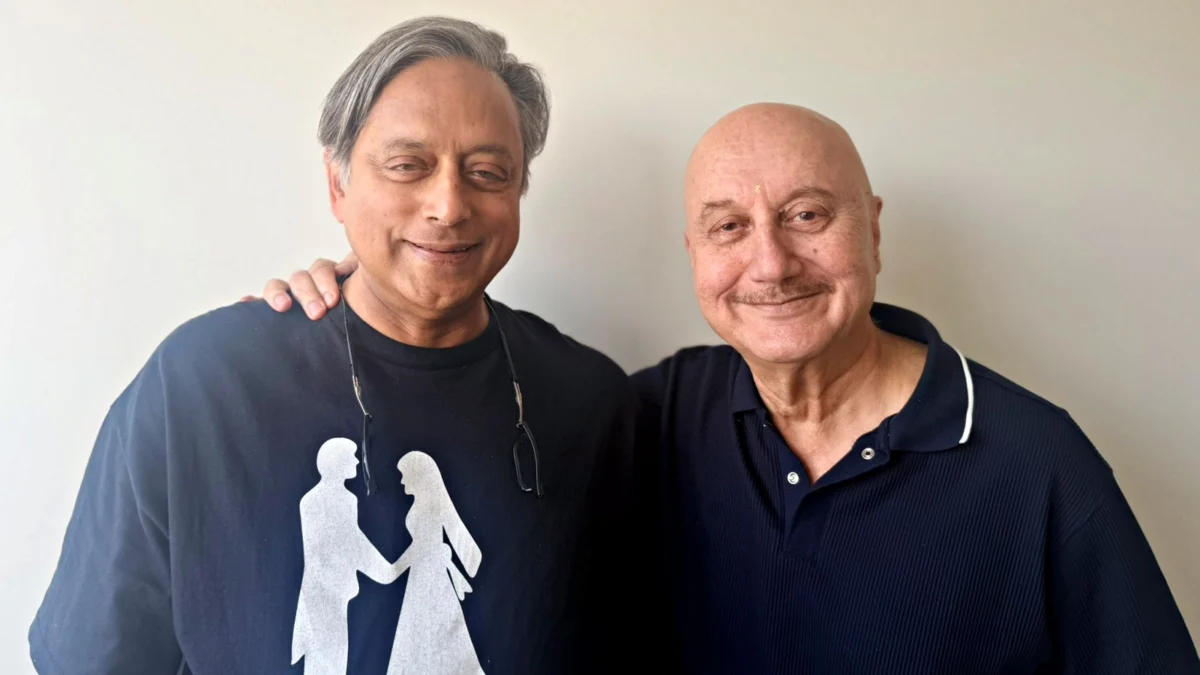
Beverly Hills, California – A seemingly routine medical check-up in the affluent enclave of Beverly Hills recently brought together two prominent Indian public figures, Shashi Tharoor and Anupam Kher, creating an unexpected moment of shared vulnerability and prompting a broader discussion on proactive healthcare, particularly for individuals in their 70s. The encounter, documented by Tharoor on the social media platform X (formerly Twitter), highlighted a growing trend towards comprehensive health screenings and raised pertinent questions about their necessity and optimal frequency.
The narrative began with Tharoor, a seasoned politician and author, sharing a photograph of himself and Kher, a veteran actor, at the Beverly Hills Medical Imaging Clinic. Tharoor explained that he was in California and had scheduled a full-body scan, a decision influenced by the perceived ease of allocating four hours for the procedure in Los Angeles compared to his busy schedule in India. To his surprise, he encountered Kher, who was present at the same clinic for the identical reason.
"While in California, I undertook a full-body scan at the Beverly Hills Medical Imaging Clinic run by former Delhiite Puneet Chandak – and ran into an old friend (and more recent critic!), @anupamkher, who was there for the same thing!" Tharoor posted on X, accompanying the message with a picture of the two men. He further elaborated that Chandak had graciously invited both him and Kher to experience the clinic’s services as his guests, underscoring a personalized approach to healthcare.
This serendipitous meeting, while generating a buzz among their followers, also serves as a timely springboard to examine the evolving landscape of preventive healthcare for seniors. As individuals enter their 70s, the question of how frequently comprehensive health assessments, including advanced imaging like full-body scans, are truly necessary becomes paramount. While the proactive approach of Tharoor and Kher is commendable, medical professionals emphasize that a one-size-fits-all approach to health checks is rarely optimal.
The Nuances of Preventive Health in the 70s: Beyond the Scan
The question of whether being in one’s 70s necessitates an annual full-body scan or comprehensive health check-up is a complex one, with medical experts advocating for a personalized and nuanced approach. Dr. Prashanth Rao, Director of Surgical Gastroenterology and Minimal Access Surgery at Gleneagles Hospital Parel, firmly believes that individuals in their 70s should undergo at least one preventive health check-up annually. "Regular visits also help detect changes in health early," Dr. Rao explained to indianexpress.com. He further cautioned that the frequency of these check-ups might need to be increased for individuals with pre-existing health conditions or those on multiple medications.
However, Dr. Rao was quick to distinguish between an "annual preventive health check-up" and an exhaustive battery of every available scan and test. The latter, he suggests, might not be appropriate or necessary for everyone. The focus, he stresses, should be on tailored screenings that address individual risk factors and existing health profiles.
Crafting a Comprehensive Health Review for Seniors
What then, should a comprehensive health check-up for someone in their 70s ideally encompass? Dr. Rao’s recommendations extend beyond routine blood tests to a holistic evaluation. This includes a thorough assessment of:
- Vital Signs and Physical Health: Blood pressure, weight, and body mass index are fundamental indicators.
- Mobility and Functional Independence: Evaluating gait, balance, and the ability to perform daily activities is crucial for maintaining independence.
- Sensory Health: Vision and hearing assessments are vital for quality of life and safety.
- Nutritional Status: Ensuring adequate nutrient intake is essential for maintaining health and energy levels.
- Mental Well-being: Screening for cognitive decline, depression, and anxiety is increasingly important.
- Medication Review: A critical aspect to ensure efficacy, identify potential interactions, and adjust dosages as needed.
Beyond these core elements, doctors should also proactively assess an individual’s risk of falls, evaluate memory function, and gauge their overall daily functioning. Vaccination status, crucial for preventing infectious diseases, and age-appropriate cancer screenings, tailored to specific risk factors, also warrant careful review.
The specific diagnostic tests recommended will vary significantly based on the individual. Common tests may include blood sugar or HbA1c (for diabetes monitoring), cholesterol levels, kidney and liver function tests, and a complete blood count. For osteoporosis screening, vision and hearing assessments, and various cancer screenings (such as mammograms, colonoscopies, and prostate exams, depending on sex and medical history), the decision to proceed should be guided by the individual’s unique profile. "Not every test is required for every person," Dr. Rao reiterated, emphasizing the need for personalized medical guidance.
The Myth of the Annual "Full-Body Check-up" Package
The allure of comprehensive "full-body check-up" packages, often marketed aggressively, can be misleading. While an annual health review is indeed beneficial, Dr. Rao cautions against adopting a blanket approach. "A routine annual health review is useful, but a package of tests marketed as a ‘full body check-up’ is not necessary for everyone," he stated.

The rationale behind this is clear: indiscriminate testing can lead to unnecessary anxiety and financial burden. Unforeseen findings, or false positives, from extensive screening can trigger further investigations, some of which may be invasive and carry their own risks. Instead, screening should be a dynamic process, personalized according to age, any existing symptoms, a thorough medical history, current medications, and identified risk factors. This targeted approach ensures that resources are utilized effectively and that the focus remains on what is most relevant to an individual’s health trajectory.
Addressing Chronic Conditions: A More Frequent Vigilance
For individuals managing chronic conditions such as diabetes, hypertension, or heart disease, the need for regular medical follow-ups often extends beyond an annual check-up. The frequency of these consultations is typically determined by the stability and management of their condition.
"Blood pressure, blood sugar, kidney function, and medications may need regular monitoring," Dr. Rao advised. The treating physician, with their in-depth knowledge of the patient’s history and current health status, is best positioned to decide how frequently these crucial checks are needed. This proactive monitoring allows for timely adjustments to treatment plans, preventing complications and maintaining a better quality of life.
Recognizing Red Flags: When to Seek Immediate Medical Attention
While preventive screenings are vital, it is equally important for individuals, particularly those in their 70s, to be aware of warning signs that should not be dismissed as simply a part of aging. Dr. Rao strongly recommends that "New or unexplained symptoms should not simply be considered part of ageing."
Certain symptoms warrant immediate medical attention and should never be ignored. These include:
- Cardiovascular Distress: Chest pain or tightness, and sudden breathlessness.
- Neurological Emergencies: Sudden weakness, confusion, or fainting spells.
- Gastrointestinal and Urological Issues: Unexplained weight loss, persistent bleeding, or sudden changes in bowel or bladder habits.
- Acute Neurological Symptoms: Any sudden onset of neurological symptoms requires emergency evaluation.
Implications and the Path Forward
The chance encounter between Shashi Tharoor and Anupam Kher in Beverly Hills has, perhaps unintentionally, brought the critical topic of preventive healthcare for seniors into the public discourse. While their personal choices for a full-body scan underscore a desire for proactive health management, the underlying message from medical experts is one of informed and personalized care.
The takeaway for individuals in their 70s and their loved ones is clear: while annual health reviews are a cornerstone of maintaining well-being, a rigid adherence to "full-body check-up" packages may not always be the most effective strategy. Instead, a more judicious approach, guided by a healthcare professional, that tailors screenings and tests to individual needs, risk factors, and existing conditions, is likely to yield the best outcomes.
Ultimately, staying on top of one’s health in the golden years is not about undergoing every available scan but about fostering a consistent dialogue with healthcare providers, being attuned to one’s body, and embracing a proactive, yet personalized, approach to well-being. The Beverly Hills encounter serves as a gentle reminder that even amidst the complexities of life, prioritizing one’s health remains a fundamental and ongoing endeavor.
Disclaimer: This article is based on information from the public domain and expert opinions. It is intended for general informational purposes only and does not constitute medical advice. Always consult with a qualified healthcare practitioner before making any decisions about your health or starting any new routine.
