

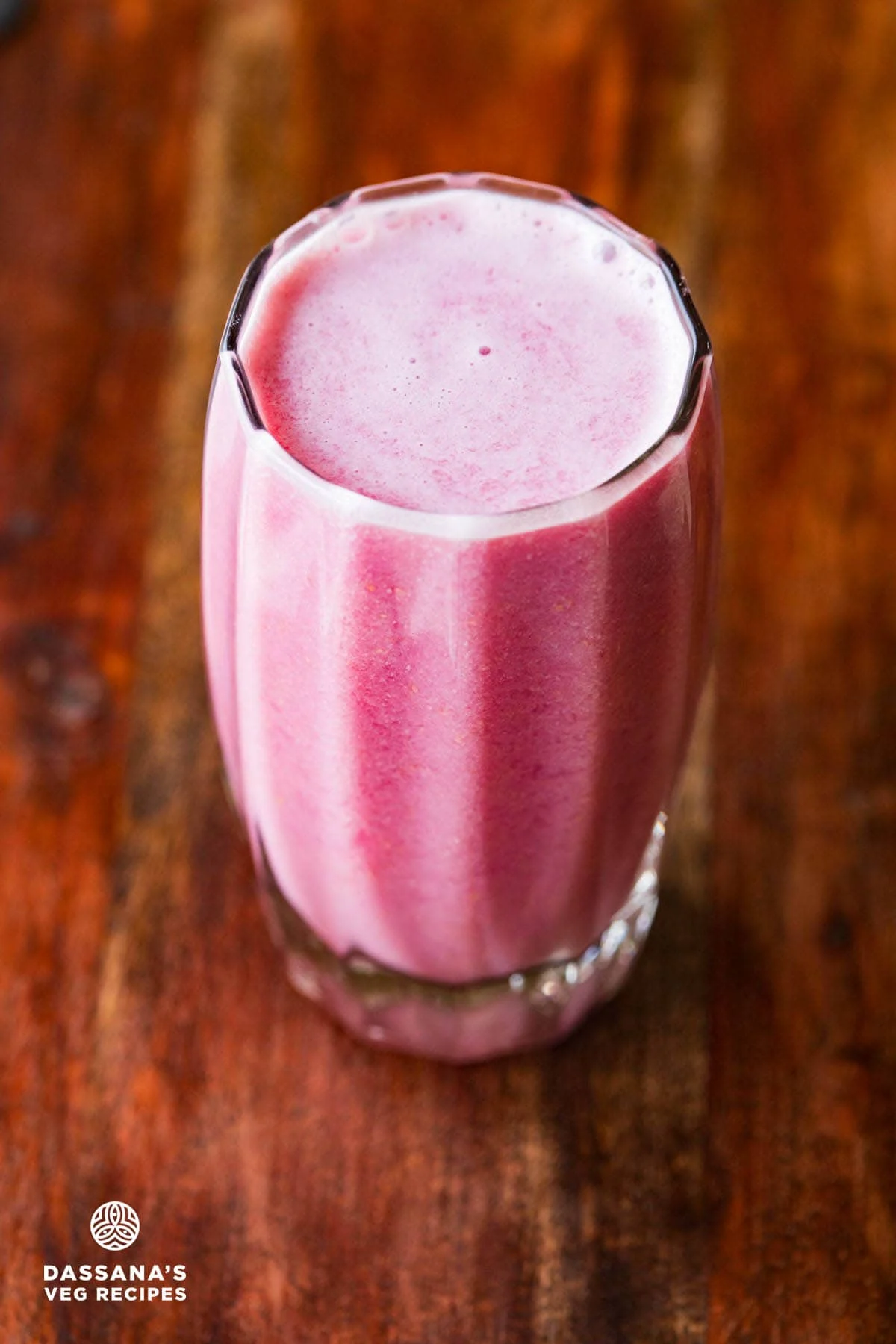
In an era increasingly defined by a shift toward functional nutrition and the rejection of processed additives, the humble pomegranate has emerged as a titan of the wellness industry. Known in South Asia as Anar, the pomegranate is no longer just a seasonal delicacy but a cornerstone of the global "clean label" movement. As consumers move away from store-bought juices laden with preservatives and hidden sugars, the demand for sophisticated, home-based extraction techniques has reached a new zenith.
Recent culinary data and consumer trends suggest that homemade pomegranate juice—a naturally sweet and slightly tart beverage—is becoming a staple in health-conscious households. By utilizing specific methodologies that preserve the fruit’s delicate polyphenols, enthusiasts are able to produce a vibrant elixir that ranges from pale pink to deep ruby red, depending on the cultivar.

Main Facts: The Purity of Home Extraction
The primary appeal of homemade pomegranate juice lies in its structural integrity. Unlike commercial varieties, which are often pasteurized at high temperatures that can degrade heat-sensitive vitamins, home extraction allows for a "raw" product. The process involves extracting the liquid from the arils—the juice-filled seeds—of the Punica granatum fruit.
Key findings regarding the home-juicing process include:

- Additive-Free Composition: When pomegranates are harvested at peak ripeness, the resulting juice requires zero added sugars or artificial sweeteners.
- Methodological Versatility: Successful extraction can be achieved through two primary household appliances: the high-speed blender and the dedicated electric juicer.
- The Bitterness Factor: A critical technical hurdle in juicing pomegranates is the seed. If the seeds are ground too finely, they release tannins and woody fibers that introduce a gritty texture and a bitter aftertaste.
- Cultivar Diversity: The aesthetic of the juice is dictated by the pomegranate variety. Organic, locally grown varieties often produce a lighter, sweeter pink juice, while commercial "Wonderful" cultivars typically yield the iconic deep crimson hue.
Chronology: From Harvest to Glass
The lifecycle of a glass of pomegranate juice begins long before the fruit reaches the kitchen. Understanding the timeline of selection and preparation is essential for maximizing yield and flavor.
Phase 1: Selection and Procurement
The quality of the juice is fundamentally determined by the weight-to-volume ratio of the fruit. Experts recommend selecting pomegranates that feel heavy for their size, indicating a high concentration of juice within the arils. The skin should be firm and taut, though the color of the rind is not always an accurate indicator of the sweetness within.

Phase 2: The "Underwater" Preparation Method
One of the most significant innovations in home preparation—popularized by culinary experts like Dassana of Veg Recipes of India—is the underwater deseeding technique. Traditionally, opening a pomegranate was a messy affair, prone to staining surfaces and clothing with its potent pigments.
- The Incision: The crown (top) of the pomegranate is sliced off.
- Sectioning: The fruit is scored into quarters.
- Submersion: The sections are placed in a large bowl of water.
- Extraction: By breaking the fruit apart underwater, the heavy arils sink to the bottom while the light, bitter white pith (mesocarp) floats to the top. This chronological step ensures a clean harvest of arils without the characteristic "splatter" of pomegranate juice.
Phase 3: The Extraction Process
Once the arils are drained, the extraction must happen quickly to prevent oxidation. In a blender-based chronology, this involves short "pulses" rather than continuous blending. In an electric juicer, the arils are processed through a feeding tube where centrifugal or masticating forces separate the liquid from the solids.

Supporting Data: The Nutritional Profile
The argument for pomegranate juice is bolstered by a formidable array of nutritional data. A standard serving (approximately two medium to large pomegranates) provides a dense concentration of micronutrients and phytochemicals.
According to laboratory analysis, a typical 2-serving yield of fresh juice contains:

- Energy: 234 kcal
- Carbohydrates: 53g (primarily natural fruit sugars)
- Fiber: 11g (if some pulp is retained)
- Vitamin C: 29mg (nearly 50% of the daily recommended intake)
- Vitamin K: 46µg (essential for bone health and blood clotting)
- Folate (B9): 107µg (critical for DNA repair and cell division)
- Potassium: 666mg (vital for cardiovascular health and electrolyte balance)
Beyond the standard vitamins, pomegranates are rich in polyphenols, specifically punicalagins and anthocyanins. These compounds are potent antioxidants that have been studied for their ability to reduce inflammation and protect the heart. The presence of 154mg of sodium and 102mg of phosphorus further establishes the juice as a natural alternative to synthetic electrolyte drinks.
Official Responses: Expert Culinary Guidelines
Culinary authorities and professional chefs have weighed in on the "best practices" for home juicing, emphasizing that the difference between a mediocre juice and a premium one lies in the details of the "Official Recipe."

On the Subject of Equipment:
Experts from Veg Recipes of India suggest that while an electric juicer is more efficient for large quantities, the blender method is more accessible for the average consumer. However, they issue a formal warning: "Avoid grinding the seeds for too long. Finely crushed seeds can make the juice gritty and may also give it a slightly bitter taste." This official stance highlights the importance of the "pulse" technique in maintaining the juice’s flavor profile.
On Temperature and Storage:
The consensus among nutritionists is that pomegranate juice should be consumed "straightaway." If storage is necessary, it must be kept in a sealed glass container to prevent the degradation of antioxidants. The official shelf-life for refrigerated fresh juice is capped at 24 hours. For long-term preservation, experts recommend freezing the juice into ice cubes, which can later be used to flavor sparkling water without diluting the nutritional value.

On Flavor Modification:
While the "pure" version is preferred, culinary experts acknowledge that the flavor can be concentrated. The official recommendation for those who find the tartness overwhelming is to dilute the juice with a small amount of chilled water rather than adding sugar, thereby preserving the drink’s low-glycemic index.
Implications: The Future of Functional Beverages
The implications of the rising popularity of homemade pomegranate juice extend into the realms of public health, sustainability, and the economy.

1. The "Food as Medicine" Paradigm
As chronic inflammatory diseases become more prevalent, the transition toward high-antioxidant diets is a significant public health trend. Pomegranate juice, with its high Vitamin C and polyphenol content, represents a proactive approach to wellness. The move toward homemade versions implies a more educated consumer base that understands the link between processing and nutrient loss.
2. Sustainability and Waste Reduction
By juicing at home, consumers reduce their reliance on single-use plastic bottles and the carbon footprint associated with the transport of heavy liquid goods. Furthermore, the byproduct of the juicing process—the seed pulp—can be composted, creating a closed-loop system in the domestic kitchen.

3. Economic Shifts in the Produce Market
The demand for high-quality, "heavy-for-their-size" pomegranates has stabilized the market for growers of organic and heirloom varieties. We are seeing a shift where consumers are willing to pay a premium for whole fruit rather than buying cheaper, reconstituted juices. This supports agricultural diversity and rewards farmers who prioritize fruit density and juice quality over mere shelf-appeal.
4. Culinary Innovation
The versatility of the juice—as a base for smoothies, a component in vinaigrettes, or a natural coloring agent—continues to inspire home cooks. The documentation of these recipes, such as those archived by Dassana since 2017, provides a digital library that empowers individuals to take control of their nutritional intake.

In conclusion, the preparation of fresh pomegranate juice is more than a simple kitchen task; it is a meticulous process that bridges the gap between traditional wisdom and modern nutritional science. Whether through the surgical precision of an electric juicer or the rhythmic pulsing of a blender, the extraction of Anar juice remains a powerful testament to the value of fresh, unadulterated food in the modern diet.
