

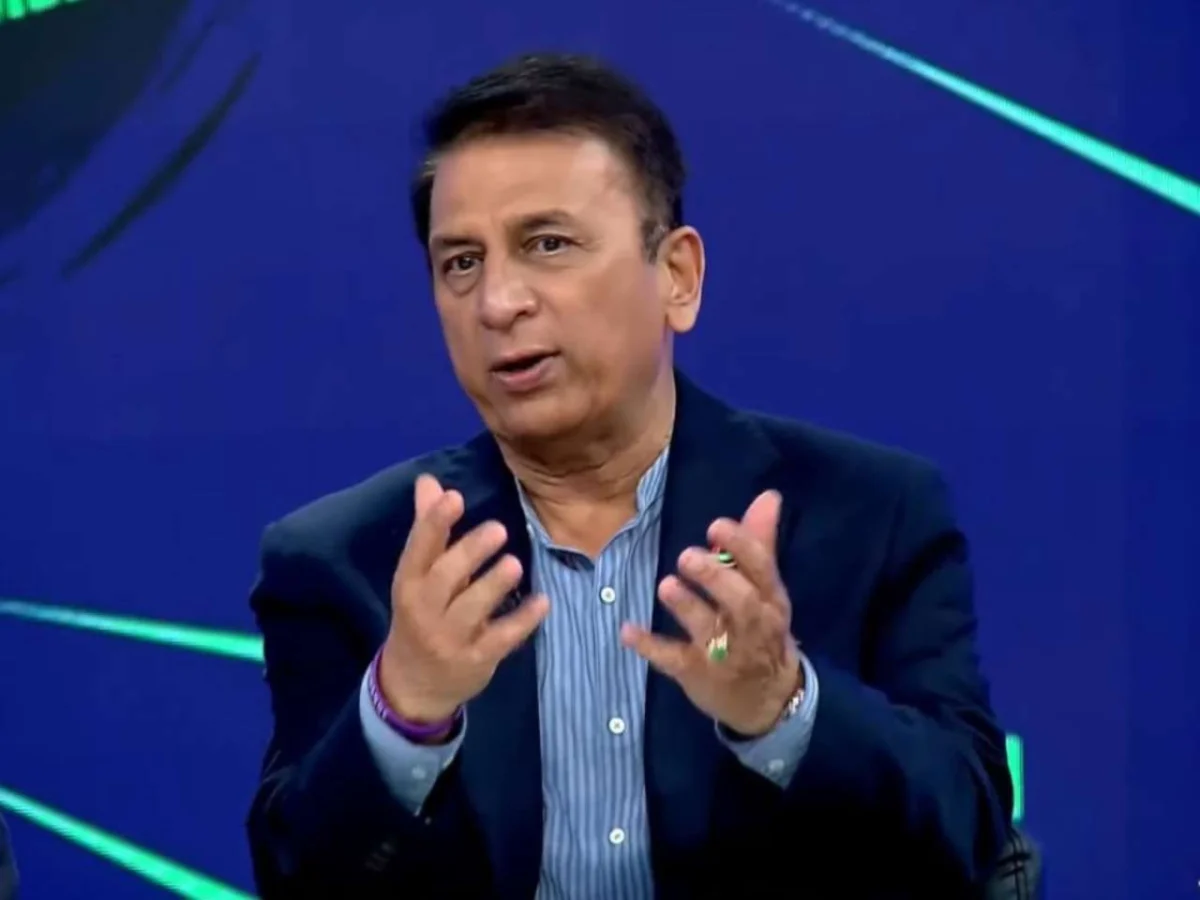
Mumbai, India – The hallowed halls of Indian cricket are abuzz with anticipation as the Board of Control for Cricket in India (BCCI) prepares to usher in a new era for its senior selection committee. With Ajit Agarkar’s tenure as chairman nearing its conclusion, the search for his successor has begun, prompting an insightful, albeit stark, caution from none other than the legendary Sunil Gavaskar. The ‘Little Master,’ renowned for his astute cricketing mind and candid commentary, has painted a vivid picture of the immense pressure, relentless scrutiny, and often unrewarding nature of the chief selector’s role, asserting that the position invariably places "a target on your back."
Gavaskar’s remarks, delivered through his syndicated column, serve as a potent reminder that while the chairmanship of India’s national selection committee is an honour of the highest order, it is also a crucible of public opinion, internal politics, and thankless decisions. As the BCCI sifts through potential candidates, Gavaskar’s words underscore the formidable challenge awaiting the individual tasked with shaping the future of one of the world’s most passionate cricketing nations.
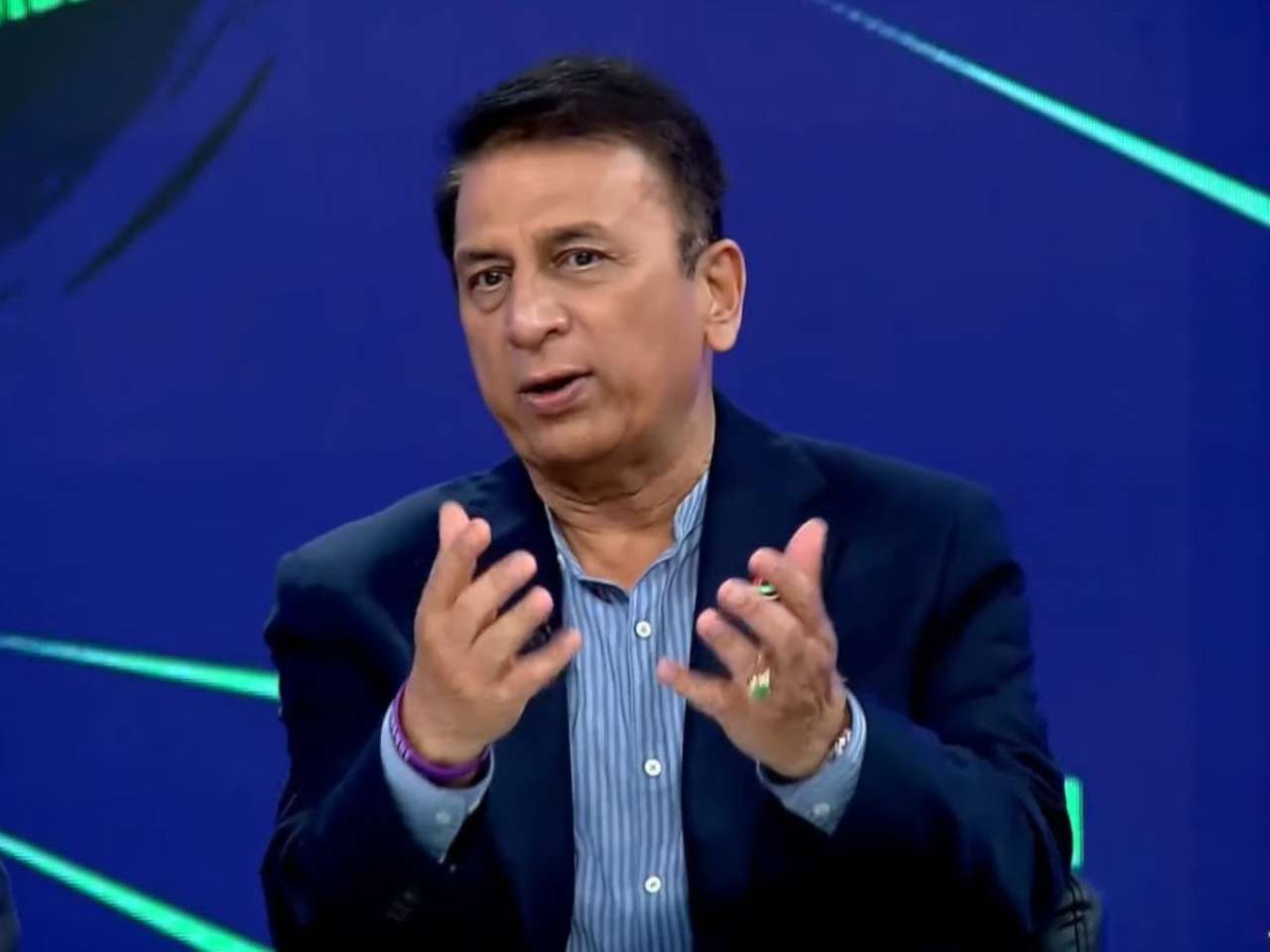
The Weight of the Crown: Unveiling the Chief Selector’s Burden
The chief selector of the Indian cricket team occupies arguably one of the most critical and publicly exposed positions in the country’s sporting landscape. Unlike coaches or captains who primarily deal with on-field execution, the chief selector is the architect of the team itself – the individual responsible for identifying talent, balancing experience with youth, strategising for various formats, and ultimately, making the difficult calls that determine who represents a nation of over a billion ardent fans. This role carries an unprecedented weight of expectation, not just from the cricketing establishment but from every fan, expert, and pundit.
Gavaskar’s warning is not merely anecdotal; it stems from decades of observing Indian cricket from every conceivable vantage point – as a player, captain, administrator, and revered commentator. His insight into the inherent difficulties of the role is therefore deeply rooted in the realities of the game. He highlights that every selection decision, regardless of its underlying merit or strategic foresight, is dissected, debated, and often criticised by a fervent public. The chief selector, in essence, becomes the ultimate arbiter of dreams and disappointments, with their choices directly impacting player careers, team morale, and national pride. The ‘target on the back’ analogy perfectly encapsulates the constant vulnerability to public and media scrutiny, where every perceived misstep is magnified and often overshadows a multitude of correct decisions.
)
Agarkar’s Exit and the Search for a Successor
A Legacy of Triumphs and Tough Calls
Ajit Agarkar, a former India all-rounder known for his pace and handy batting, assumed the chairmanship of the senior men’s selection committee in July 2023. His appointment came at a pivotal time for Indian cricket, with the team looking to solidify its standing across formats and, crucially, break a long-standing ICC trophy drought. Under his stewardship, India experienced a period of remarkable success, albeit with its own share of nail-biting finishes and intense pressure.
During Agarkar’s relatively brief but impactful tenure, the Indian team achieved significant milestones that speak volumes of the selections and strategies implemented by his committee. India reached the final of the 50-over World Cup, a tournament played on home soil where expectations were stratospheric. Although they ultimately fell short against Australia, the journey itself showcased a dominant Indian side. More significantly, the team secured back-to-back T20 World Cup titles in 2024 and 2026, a feat that firmly established India’s white-ball supremacy. Complementing these T20 triumphs, the committee also oversaw India’s victory in the Champions Trophy in 2026. These achievements undeniably underscore a period of strategic foresight and successful player management, demonstrating that Agarkar’s committee largely got their selections right on the biggest stages.

However, even with such a glittering resume of trophy wins and strong performances, Gavaskar’s comments suggest that the inherent difficulties of the role persist. The pressure to maintain consistency, manage player workloads, integrate new talent, and navigate injuries would have been immense. Every squad announcement, every omission, and every controversial pick would have been scrutinised, regardless of the eventual outcome. Agarkar, like his predecessors, would have faced the challenge of balancing the aspirations of individual players with the collective goal of national success, all while operating under the intense glare of public and media attention.
The BCCI’s Quest: Identifying the Next Helmsman
With Agarkar’s departure now an "open secret," the BCCI has initiated the formal process of identifying his successor. While no official names have been publicly announced, speculation is rife within cricketing circles regarding potential candidates. The role demands a former international cricketer, ideally one with a deep understanding of the modern game, excellent communication skills, and the integrity to withstand external pressures. The BCCI’s selection criteria typically emphasize a strong cricketing background, experience in different formats, and a proven track record of strategic thinking.
)
The timing of the new chairman’s appointment is particularly critical. Gavaskar highlighted that the incoming selector will face an almost immediate and significant challenge: assembling India’s squad for the demanding tour of New Zealand. This tour is scheduled to feature an extensive itinerary, comprising five T20 Internationals, three One Day Internationals, and two Test matches. This diverse schedule requires the selection committee to pick squads that are not only capable of competing across different formats but also resilient enough to handle the rigours of an overseas tour, all while potentially introducing new faces or resting key players.
The pressure on the new chairman will be instantaneous. Their first major decision will be analysed meticulously by fans and critics alike, setting the tone for their entire tenure. It will be a test of their immediate understanding of the player pool, their strategic vision for the various formats, and their ability to make impactful choices right out of the gate. This immediate baptism of fire makes Gavaskar’s warning all the more pertinent, as the new leader will have little time to ease into one of Indian cricket’s most demanding positions.
)
The Unseen Pressures: Gavaskar’s Candid Insight
The Double-Edged Sword of Power
Gavaskar, in his characteristic bluntness, did not "sugarcoat" the realities of the chief selector’s role. He articulated that the position inherently forces individuals to make "difficult decisions," and that it is "almost impossible not to step on some toes." This candid admission speaks to the fundamental dilemma of selection: for every player chosen, another must be left out. In a country like India, with an incredibly deep talent pool, the competition for national spots is ferociously intense. Often, even highly deserving players find themselves on the fringes simply due to the sheer volume of quality available.
This dynamic creates an environment where personal aspirations frequently clash with team requirements. A selector might genuinely believe a particular player is the best fit for a role, but the omission of another equally talented individual inevitably sparks debate, disappointment, and sometimes, resentment. The power to shape careers is a double-edged sword; it brings immense responsibility and the constant risk of alienating players, coaches, or even influential figures within the cricketing fraternity. Gavaskar’s point underscores that the selector’s job isn’t just about picking the best XI; it’s about managing expectations, handling setbacks, and navigating the complex human element inherent in professional sports. The ability to make tough calls, justify them convincingly, and absorb the resulting criticism is paramount for survival in this high-stakes role.
)
Internal Dynamics and External Scrutiny
Gavaskar delved deeper into the often-overlooked internal dynamics of a selection committee, revealing that "mischief makers sometimes lurk within the selection committee itself." This suggests that decisions are not always unanimous, nor are they always reached without internal dissent or differing agendas. The chairman, despite being just one voice among a panel, invariably "catches all the heat," even if other selectors were instrumental in pushing through certain calls. When it comes time to face the media and the public, the chairman stands as the sole representative, absorbing all the praise and, more frequently, all the criticism.
This phenomenon is not unique to cricket. In many high-profile leadership roles, the individual at the top becomes the face of collective decisions, bearing the brunt of negative reactions while often sharing credit for successes. Gavaskar explained this succinctly in his Mid-Day column: "Yes, it’s an honour to be chairman of the national selection committee. But the job also puts a target on your back. Just like umpiring, wicketkeeping, and now commentary—everyone forgets the nine right things you did and picks apart the one mistake, over and over."
)
This analogy perfectly encapsulates the selective memory of public scrutiny. A chief selector might oversee hundreds of successful selections that contribute to numerous victories, but one controversial omission or one player’s poor form after selection can define their legacy in the public eye. The focus on errors, rather than achievements, is a pervasive challenge in roles that demand constant decision-making under pressure. Historical examples abound in Indian cricket, where selectors, regardless of their past cricketing glory, have faced intense backlash for choices that, in hindsight, might have been strategically sound but were unpopular at the time. This relentless external scrutiny, combined with potential internal friction, makes the chief selector’s role a truly unenviable one for those not equipped with immense mental fortitude.
A Deep Dive into the Indian Cricket Landscape
The Talent Conundrum: A Blessing and a Curse
India’s cricketing landscape is a paradox: a blessing and a curse. The sheer depth of talent across the country is unparalleled, fuelled by a robust domestic structure, lucrative leagues like the Indian Premier League (IPL), and a national obsession with the sport. From bustling metropolitan cities to remote villages, cricket academies and local tournaments consistently churn out promising cricketers. This vast pool of talent ensures that India always has a strong bench strength, capable of replacing injured or out-of-form players without a significant drop in quality.
)
However, this abundance also presents the selection committee with its most profound challenge. When there are multiple deserving candidates for every slot, the act of choosing becomes agonizingly difficult. How do you balance a veteran’s experience with a youngster’s raw potential? How do you ensure specialist skills are accommodated across different formats – Test cricket’s endurance, ODI’s strategic pacing, and T20’s explosive dynamism? The committee must constantly weigh current form against long-term potential, fitness against match-winning ability, and individual brilliance against team cohesion. This conundrum means that even the most logical and well-reasoned selections will inevitably lead to the omission of another highly capable player, fueling public debate and criticism. The chief selector’s job, therefore, is not merely to identify good players, but to identify the right players for specific roles at specific times, a task made exponentially harder by the sheer quality available.
The Fan Factor: A Billion Eyes Watching
No other cricketing nation experiences the same level of fan passion and scrutiny as India. Cricket in India is not just a sport; it is a religion, a cultural phenomenon that unites and divides, inspires and infuriates a billion-plus people. This unparalleled emotional investment means that every decision made by the national team, especially selection choices, is magnified through the lens of immense public expectation. Social media platforms, 24/7 news channels, and countless fan forums provide instant avenues for public opinion to be voiced, dissected, and amplified.
)
This ‘fan factor’ directly impacts the pressure on the chief selector. A single misstep, a controversial omission, or a player failing to perform after being backed, can ignite a firestorm of criticism. Fans, driven by their deep love for the game and their favourite players, often possess strong opinions on who should and should not be in the team. While this passion is what makes Indian cricket so vibrant, it also creates an environment where objectivity can be lost amidst emotional reactions. The chief selector must possess an incredibly thick skin, capable of making independent decisions based on cricketing merit, even when those decisions fly in the face of popular sentiment. The constant awareness that a billion eyes are watching, scrutinising every move, adds an almost unbearable layer of pressure to an already challenging role.
Official Stances and the Road Ahead
BCCI’s Unspoken Acknowledgment of the Role’s Rigour
While the BCCI has not issued a direct response to Gavaskar’s specific comments, the sentiment he expresses is widely understood within the cricketing establishment. The board, through its decades of experience, is acutely aware of the rigorous demands and public scrutiny associated with the chief selector’s position. Their criteria for selection—typically seeking former international cricketers with a strong understanding of the game, proven leadership qualities, and an unblemished reputation—implicitly acknowledge the need for individuals who can withstand such pressures.
)
The BCCI’s selection process for the chief selector is usually meticulous, involving applications, interviews, and background checks. They seek individuals who can articulate a clear vision for Indian cricket, demonstrate strategic thinking, and possess the integrity to make impartial decisions. The board understands that the chief selector needs to be a strong communicator, capable of interacting effectively with the team management, players, and media, while also managing the internal dynamics of the selection committee itself. While they may not publicly endorse Gavaskar’s "target on your back" analogy, their operational approach to identifying and appointing the chief selector clearly demonstrates an understanding of the immense challenges inherent in the role. The fact that the search for Agarkar’s replacement has already begun, with an anticipated announcement "next month," indicates the urgency and importance the BCCI places on maintaining continuity and strategic direction for the national team.
Implications for the Future of Indian Cricket
Gavaskar’s timely warning carries significant implications for both the incoming chief selector and the broader trajectory of Indian cricket. For the individual stepping into this hot seat, it serves as a crucial pre-emptive lesson: expect relentless criticism, maintain an unwavering focus on cricketing merit, and cultivate an impenetrable mental resilience. The new chairman will need to possess not just a keen eye for talent but also exceptional leadership skills to manage a diverse committee and communicate difficult decisions effectively. They will need to be prepared for unpopular choices and understand that public favour is often fleeting.
)
For Indian cricket as a whole, this constant pressure on the selection committee raises pertinent questions. Does the intense scrutiny lead to more conservative selection choices, where selectors opt for safer, more established names rather than taking bold risks on emerging talent? Or does it, conversely, force committees to be more transparent and accountable in their decision-making processes? The balance between short-term success and long-term player development is a perennial challenge. A selector under immense pressure might prioritise immediate results, potentially at the cost of nurturing the next generation of players.
Ultimately, Gavaskar’s comments highlight an enduring reality: the chief selector’s role in Indian cricket is not merely an administrative one; it is a high-stakes leadership position at the heart of the nation’s sporting identity. It demands an individual who can navigate a complex web of expectations, internal politics, and external pressures, all while striving to build a consistently winning national team. The ability to make tough decisions, stand by them, and absorb the inevitable backlash will be the hallmark of a successful tenure.
)
Conclusion: A Call for Resilience in the Hot Seat
As the BCCI embarks on its quest to identify the next chief selector for the Indian men’s cricket team, Sunil Gavaskar’s poignant warning resonates deeply within the cricketing fraternity. His message is clear: the role, while prestigious, is a thankless task, fraught with challenges and an inherent predisposition for public condemnation. It is a position where successes are often forgotten, and mistakes are endlessly rehashed, casting a long shadow over even the most accomplished tenures.
Gavaskar’s concluding remark serves as a stark encapsulation of this reality: "Whoever steps into the job—no matter how great or celebrated he was as a cricketer—when his term ends, he’ll find the list of minuses, however unfair, outweighs the pluses." This powerful statement underscores the extraordinary resilience and mental fortitude required to lead the selection committee of the world’s most cricket-obsessed nation. The incoming chief selector will not only need an astute cricketing brain but also an unshakeable resolve to navigate the fiery crucible of Indian cricket, where the ‘target on the back’ is a permanent fixture. The nation awaits to see who will step up to this immense challenge, ready to shoulder the weight of a billion expectations.
