

Introduction
In 2020, the Indian government launched a Voluntary Disclosure Scheme, inviting citizens to declare possession of exotic live species. The results were staggering: over 40,000 individuals across 30 states and union territories stepped forward. From sugar gliders and macaws to ball pythons and marmosets, the data revealed that what was once a niche hobby for the elite has metastasized into a massive, largely unregulated industry.
However, conservationists warn that these numbers represent only the tip of the iceberg. As India emerges as a central hub in the global wildlife trade, the fascination with "unusual" pets is driving a dual crisis: a welfare catastrophe for the animals involved and an ecological ticking time bomb for India’s native biodiversity. This report, the third in a series on the exotic pet trade, examines the trajectory of this industry, the psychological drivers of ownership, and the devastating consequences of abandonment.

Main Facts: The Scale of a Shadow Industry
The exotic pet trade in India is no longer confined to back-alley markets; it has migrated to high-end boutiques and, most significantly, encrypted social media platforms. According to a 2024 report by Humane World for Animals, the 40,000 declarations made in 2020 likely account for only a fraction of the actual animals held in private homes.
The trade is characterized by a high volume of imports, often through illegal channels. In July 2024 alone, Chennai Customs intercepted a shipment from Bangkok containing 402 baby iguanas. Among them were 53 blue iguanas (Cyclura lewisi), a species listed under CITES Appendix I, representing the highest level of international protection. The mortality rate in these shipments is harrowing; 67 of the animals in that single seizure were already dead upon arrival.
The sheer variety of species entering the country is unprecedented. While birds and small mammals remain popular, reptiles now constitute the highest number of wildlife seizures by the Directorate of Revenue Intelligence (DRI). The demand is driven by a complex interplay of social status, perceived ease of maintenance, and a profound lack of awareness regarding the long-term requirements of these animals.
Chronology: From Niche Pursuit to Social Media Trend
The evolution of India’s exotic pet trade can be traced through three distinct phases:

- The Era of Local Capture (Pre-2000s): Historically, the pet trade in India focused on indigenous species—parakeets, munias, and local turtles. While illegal under the Wildlife Protection Act (1972), the trade was largely domestic.
- The Globalization of the Market (2000s–2015): As India’s middle class grew, so did the desire for international "luxury" goods. Exotic birds like African Greys and Macaws began appearing in major metros. The legal grey area—where international species were not explicitly protected by Indian law unless listed under specific schedules—allowed the trade to flourish.
- The Digital Explosion (2016–Present): The arrival of high-speed mobile internet and platforms like Instagram and Facebook transformed the trade. Social media created a ready marketplace where trending "aesthetic" animals could be sourced with a few clicks. It also popularized concepts like Iyashi (mental healing) and Kawaii (cuteness), imported from Japanese consumer culture, which frame wild animals as domestic companions.
Supporting Data: The Psychology of Possession and the Reality of Abandonment
What draws an individual to own a venomous snake or a primate? Research suggests the motives are often disconnected from the biological reality of the animal.
The Kerala Case Study
A January 2026 study conducted in Kerala focused on the red-eared slider (Trachemys scripta elegans), one of the most common exotic pets in India. The findings highlighted a disturbing trend:
- Motivations: 54.8% of owners cited "personal interest," while 16.1% believed the animals were "easy to care for."
- The Child Factor: 55% of these turtles were purchased specifically for children, often as "disposable" pets that would eventually be neglected.
- The Abandonment Rate: 16% of respondents admitted that owners release these turtles into local ponds or rivers once they grow too large or become aggressive.
The "Cute" Trap
Conservation researcher Uttara Mendiratta notes that the impulse to buy is often triggered by the juvenile stage of the animal. "People buy a small, cute animal that eventually becomes bigger," she explains. A hatchling turtle fits in a palm; an adult requires a massive tank. A baby iguana is docile; an adult can become highly aggressive and reach six feet in length. When veterinary costs rise or the animal outgrows its enclosure, the "mental healing" associated with the pet evaporates, leading to abandonment.
Ecological Consequences: Invasive Species and Ecosystem Collapse
The impact of the exotic pet trade is felt twice: first in the native habitat where the animal is stolen, and second in the new environment where it is eventually released.

The Loss of Functional Ecology
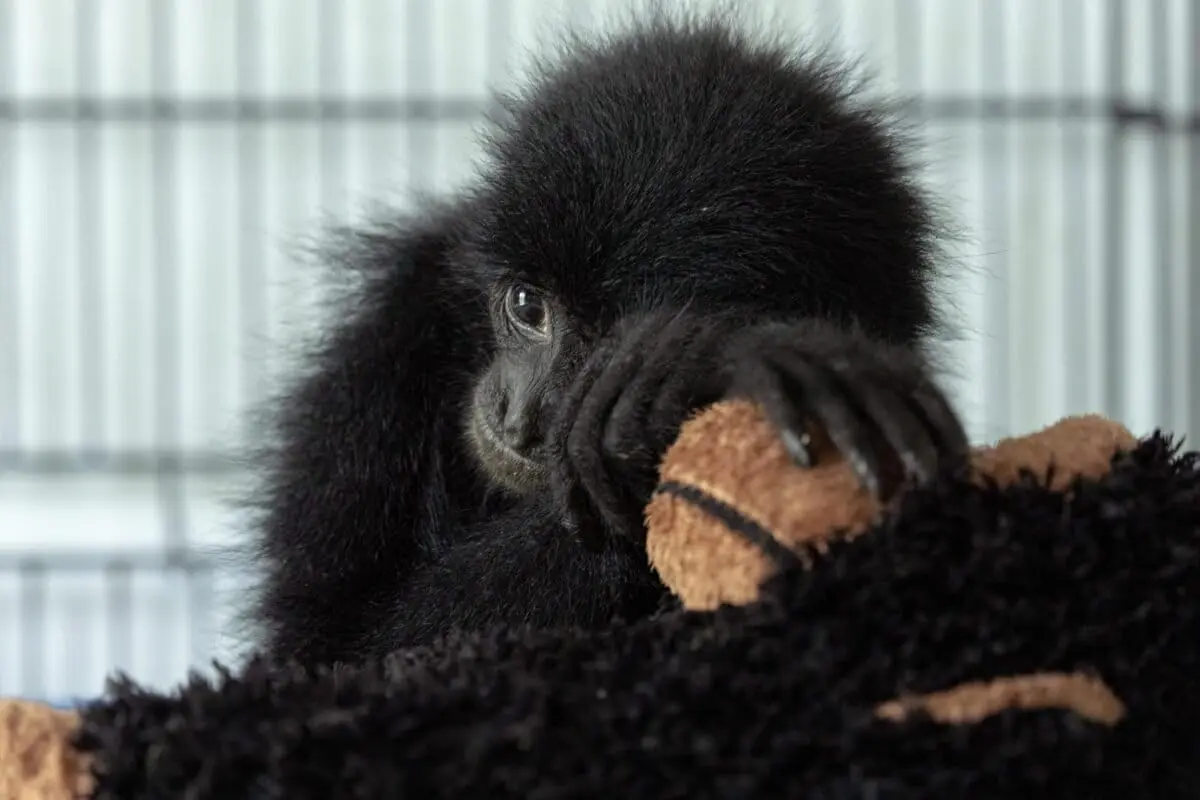
When primates like gibbons or orangutans are removed from forests in Southeast Asia to satisfy Indian demand, the ecosystem loses its primary seed dispersers. This "empty forest syndrome" affects plant recruitment, forest composition, and even carbon storage capacity. Furthermore, the removal of primates alters disease dynamics, potentially shifting pathogen reservoirs and increasing the risk of zoonotic spillovers.
The Rise of Invasives: The Red-Eared Slider
Once released into Indian waterways, exotic species can become "Invasive Alien Species" (IAS). The red-eared slider is currently the most prominent threat. Native to the Mississippi River basin, it is listed by the IUCN as one of the "World’s Worst Invasive Alien Species."
- Dominance: They outcompete native Indian turtles for food and basking sites.
- Dietary Shift: As they mature, they shift from being carnivorous to omnivorous, devouring native aquatic vegetation and small fauna.
- Spread: They have been documented in water bodies across Gujarat, Karnataka, West Bengal, Punjab, and Telangana. In Gujarat alone, they have been found in 35 different habitats shared with native species.
The Venomous Threat
Perhaps most alarming is the rise in exotic venomous snakes. Sumanth Bindumadhav, India Director of Humane World for Animals, warns that species like Black Mambas and Gaboon Vipers are being kept in Indian homes. "India does not have antivenoms for many of these species," he notes. If these animals escape or are released, they pose a lethal risk to the public and could potentially establish breeding populations in India’s tropical climate.
Official Responses and Regulatory Gaps
India’s legal framework is currently playing catch-up with the scale of the trade.

The CZA and Rescues
The Central Zoo Authority (CZA) provides a framework for zoos to accept rescued or abandoned exotic animals. However, this is not a "right to surrender." Acceptance depends on the zoo’s capacity, and most are already overwhelmed. Pawan Sharma of the Resqink Association for Wildlife Welfare (RAWW) notes that while they take in animals for adoption, they lack the infrastructure to handle the sheer volume of abandoned red-eared sliders and iguanas.
The Legislative Vacuum
While the 2022 amendment to the Wildlife Protection Act brought CITES-listed species under its ambit, significant gaps remain. The Zoological Survey of India (ZSI) notes that no reptile has been formally designated as an "Invasive Alien Species" under India’s biodiversity legislation. This lack of formal designation hampers the ability of authorities to implement culling or containment programs.
The "Good Deed" Fallacy
Social media often portrays the release of exotic pets into the wild as an act of compassion. Mendiratta emphasizes that this is a misconception. "There are videos of people releasing red-eared sliders into lakes and presenting it as a good deed. It is not; they are releasing a highly invasive species that destroys local ecosystems."
Implications: The Need for a National Strategy
The trajectory of the exotic pet trade suggests that without intervention, India faces a significant ecological and public health crisis. The implications are three-fold:

- Ecological Homogenization: Native species are being pushed toward extinction by aggressive, invasive counterparts, leading to a loss of unique Indian biodiversity.
- Public Health Risks: The lack of antivenom for exotic snakes and the potential for zoonotic diseases from imported primates create a hidden health burden.
- The Welfare Crisis: Thousands of animals live in sub-optimal conditions, often suffering from metabolic bone disease (common in iguanas and turtles) due to improper diet and lack of UV light.
The Path Forward: A National Surrender Policy
Experts agree that India needs a robust National Surrender Policy. Currently, an owner who realizes they cannot care for an exotic animal has few legal options. This "surrender vacuum" directly leads to illegal releases into the wild.
"A surrender policy needs to come after we have the infrastructure to take these animals," says Bindumadhav. This would require the establishment of specialized holding centers that can either house these animals for life, facilitate their adoption into verified homes, or, in the case of highly invasive species, manage their populations humanely.
Conclusion
The 40,000 animals declared in 2020 were a wake-up call. India’s love affair with the exotic is no longer a harmless hobby; it is a systemic threat to the nation’s natural heritage. As social media continues to glamorize the possession of wild beings, the responsibility falls on both the government to close regulatory loopholes and the public to recognize that a "cool" pet today can become an environmental disaster tomorrow. The true cost of an exotic pet is not its purchase price, but the irreparable damage it does to the ecosystem when the novelty wears off.
