

The intersection of private wealth and global wildlife conservation has reached a critical flashpoint in India. A coalition of 27 prominent international conservation organizations has issued a formal demand for a permanent cessation of wild animal imports to Vantara, the massive private zoo and rescue facility owned by the Ambani family. This collective action follows Vantara’s recent announcement of a temporary moratorium on imports, a move critics argue is insufficient to address systemic concerns regarding the global illegal wildlife trade and the ethics of private mega-collections.
Main Facts: The Core of the Contention
Vantara, a sprawling facility located in Jamnagar, Gujarat, is operated under the auspices of Reliance Industries and the personal leadership of Anant Ambani. While marketed as a world-class rescue and rehabilitation center, it has faced mounting scrutiny from international regulatory bodies and conservationists alike.
The current dispute centers on a letter dated September 22, addressed to Vantara’s President of Regulatory Affairs, Amit Aggarwal. The signatories include some of the most respected names in the field: the Jane Goodall Institute Global, Pro Wildlife, the Pan African Sanctuary Alliance (PASA), and the Born Free Foundation.
The coalition’s primary grievance is Vantara’s decision to implement only a temporary pause on animal imports, scheduled to expire in June 2027. The conservation groups argue that a temporary moratorium sends a dangerous signal to the global market. They contend that a defined "end date" for the pause encourages wildlife traffickers and unscrupulous exporters to "stockpile" animals in anticipation of the facility’s reopening for trade.
Furthermore, the groups are calling for total transparency regarding the facility’s current inhabitants—an inventory that reportedly includes over 47,000 animals, some of which are among the rarest and most endangered species on Earth.

Chronology: A Timeline of Scrutiny and Response
The tension between Vantara and the global conservation community has escalated rapidly over the past two years:
- September 2025: Internal reports and data from the Convention on International Trade in Endangered Species of Wild Fauna and Flora (CITES) Secretariat revealed that Vantara’s animal population had reached a staggering 47,633 individuals.
- Late 2025: A CITES Secretariat report raised "serious concerns" regarding the scale and origin of wild animal imports approved by Indian authorities for transfer to Vantara. The report highlighted that many animals lacked documentation proving they were captively bred, suggesting they may have been sourced directly from the wild.
- May 2026: The Supreme Court of India dismissed a petition for a fresh investigation into Vantara, citing a previous "clean bill of health" from a Special Investigation Team (SIT). However, the Court acknowledged the CITES concerns and directed the Indian government to release a Standard Operating Procedure (SOP) for animal imports within three months.
- June 5, 2026: Vantara recorded its last official animal acquisition before the public outcry intensified.
- August 19, 2026: In an effort to mitigate international pressure, Vantara announced a voluntary, temporary moratorium on all animal imports until June 2027, stating it needed time to bolster its internal due diligence systems.
- September 22, 2026: The coalition of 27 organizations responded with their open letter, rejecting the temporary nature of the moratorium and demanding a permanent halt.
Supporting Data: The Scale of the Collection
To understand the intensity of the conservationists’ response, one must look at the data regarding Vantara’s inventory. The facility is not merely a local zoo; it is one of the largest private collections of wildlife in history.
According to CITES documents, the facility holds species that are biologically and logistically nearly impossible to "rescue" in the traditional sense. These include:
- The Tapanuli Orangutan (Pongo tapanuliensis): This is the rarest species of great ape in the world, with fewer than 800 individuals remaining in a small pocket of Sumatra. Crucially, conservationists point out that there is no known successful captive breeding program for this species anywhere in the world, raising urgent questions about how specimens arrived in Jamnagar.
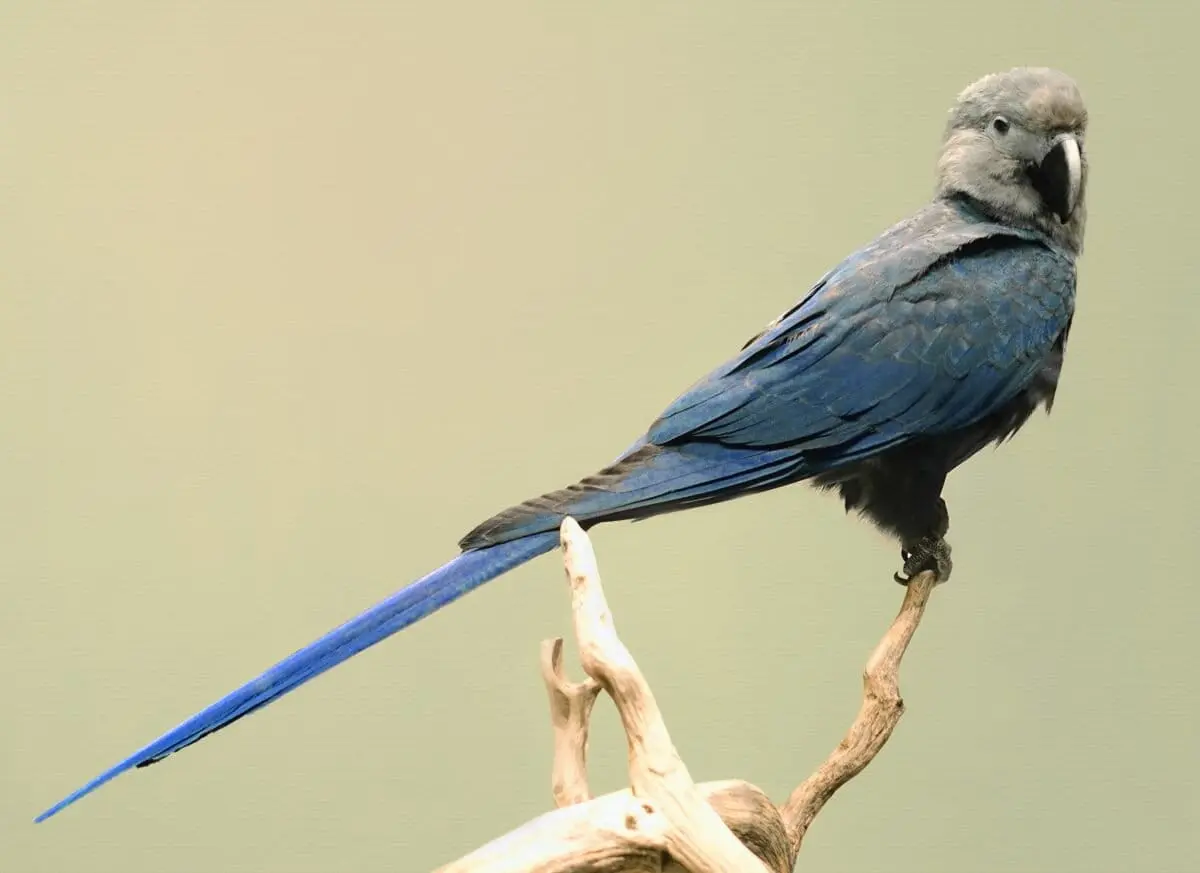
- The Spix’s Macaw (Cyanopsitta spixii): Famously declared extinct in the wild, this bird is the subject of intense international recovery efforts. Its presence in a private Indian facility, rather than a range-state rehabilitation program, is a point of significant contention.
- Snow Leopards (Panthera uncia): High-altitude predators that require specific climatic conditions, their housing in the heat of Gujarat has been questioned by animal welfare experts.
The CITES Secretariat found significant lapses in "source codes"—the designations used to identify whether an animal was wild-caught (W), captively bred (C), or ranched (R). The coalition argues that without rigorous, independent verification of these codes, Vantara effectively provides a "laundering" destination for animals taken illegally from the wild.
Official Responses: Vantara’s Defense and Governance
Vantara has not remained silent in the face of these allegations. The facility has moved to professionalize its image by recruiting high-profile figures from the international conservation world.

Its internal governance is now structured around a three-tier mechanism designed to vet future acquisitions:
- An internal Due Diligence Committee: Led by Jonathan Bardzo, a former CITES Secretariat official.
- An Advisory Board: Including figures like Manilal Valliyate (former CEO of PETA India) and Matti Kiupel (a renowned professor of veterinary pathology).
- A Governing Council: Chaired by John E. Scanlon AO, the former Secretary-General of CITES.
In official statements, Vantara maintains that it is "holding itself to standards beyond what the law requires." The facility has also pledged to shift its focus toward in-situ conservation—supporting animals within their native habitats—rather than simply importing them to India.
However, the 27 conservation groups remain skeptical. In their letter, they pointed out a potential conflict of interest: "It is our understanding that panel members may be compensated by Vantara and are appointed and subject to dismissal by Vantara." Without full public disclosure of the mandates and financial arrangements of these boards, the coalition argues that their "independence" is purely nominal.
Implications: The Future of Global Wildlife Policy
The Vantara case represents a broader debate about the role of private philanthropy in conservation. While the Ambani family’s financial resources are vast, the conservation community argues that money cannot override the biological and ethical principles of wildlife management.
1. The "Pull Factor" and Market Demand
The most significant implication raised by the coalition is the "pull factor." When a facility with Vantara’s buying power enters the market, it creates an incentive for "rescue for profit." If traders know a wealthy entity is willing to pay for "rescued" animals, they may intentionally capture wild animals to sell them under the guise of rescue. The coalition has demanded that Vantara commit to making zero payments for the acquisition or transfer of animals, including indirect payments through donors.

2. In-Situ vs. Ex-Situ Conservation
The letter highlights a growing philosophical divide. Traditional conservation (in-situ) focuses on protecting animals in their natural range states to preserve ecological balance and national heritage. Mega-zoos (ex-situ) often argue they are creating "insurance populations." However, for species like the Tapanuli orangutan, critics argue that removing them from their native forests in Indonesia to a facility in India does nothing to save the species and actually harms the local ecosystem’s viability.
3. Regulatory Gaps in India
The delay in the Indian government’s submission of the Standard Operating Procedure (SOP) ordered by the Supreme Court is a major cause for concern. Legal experts, such as Meganne Natali, suggest that while better governance is a start, it doesn’t justify the act of relocation itself. "The first question should increasingly be: why does this animal need to be moved at all?" Natali told Mongabay India.
4. Transparency and Public Accountability
The coalition’s demand for a public inventory—including records of animal deaths and "means of disposal"—highlights a push for a new era of transparency. In the past, private zoos operated with a high degree of secrecy. The Vantara controversy suggests that in a globalized world, private collections will be held to the same, if not higher, standards as public institutions.
Conclusion
The standoff between Vantara and the global conservation coalition is far more than a local dispute; it is a test case for international wildlife law in the 21st century. As the June 2027 deadline for the temporary moratorium approaches, the pressure on the Indian government and the Ambani family will only intensify.
For the signatories of the September 22 letter, the goal is clear: to ensure that "rescue" is not used as a veil for the expansion of a private menagerie, and to ensure that the world’s most endangered species remain where they belong—in the wild, or in range-state facilities dedicated to their eventual release. Whether Vantara will evolve from a controversial private collection into a transparent, in-situ support organization remains to be seen, but the global eye is now firmly fixed on Jamnagar.
